
A French E-Fuels Plant Just Locked In Its First Long-Term Buyer
A French E-Fuels Plant Just Locked In Its First Long-Term Buyer
A planned French e-fuels plant has secured its first major long-term customer, giving one of Europe's emerging synthetic aviation fuel projects an important commercial boost before it reaches final investment decision.
Verso Energy's DEZiR project has been selected by Q8Aviation, the aviation fuel business of Kuwait Petroleum International, for a long-term supply of synthetic sustainable aviation fuel (e-SAF). The agreement, announced in September 2026, gives the project greater commercial visibility as it moves toward the investment stage.
Q8Aviation Becomes DEZiR's First Major Buyer
For Verso Energy, securing a long-term buyer is an important milestone because future e-SAF projects need both production capacity and committed demand.
Q8Aviation will incorporate DEZiR's planned e-SAF into its longer-term European supply strategy. The company supplies aviation fuel and SAF to more than 75 airports, giving the partnership a potential route into a broad European aviation-fuel market.
Verso Energy described the agreement as a sign of confidence in the maturity of DEZiR as it advances toward final investment.
DEZiR Will Produce Up to 81,000 Tonnes of e-SAF
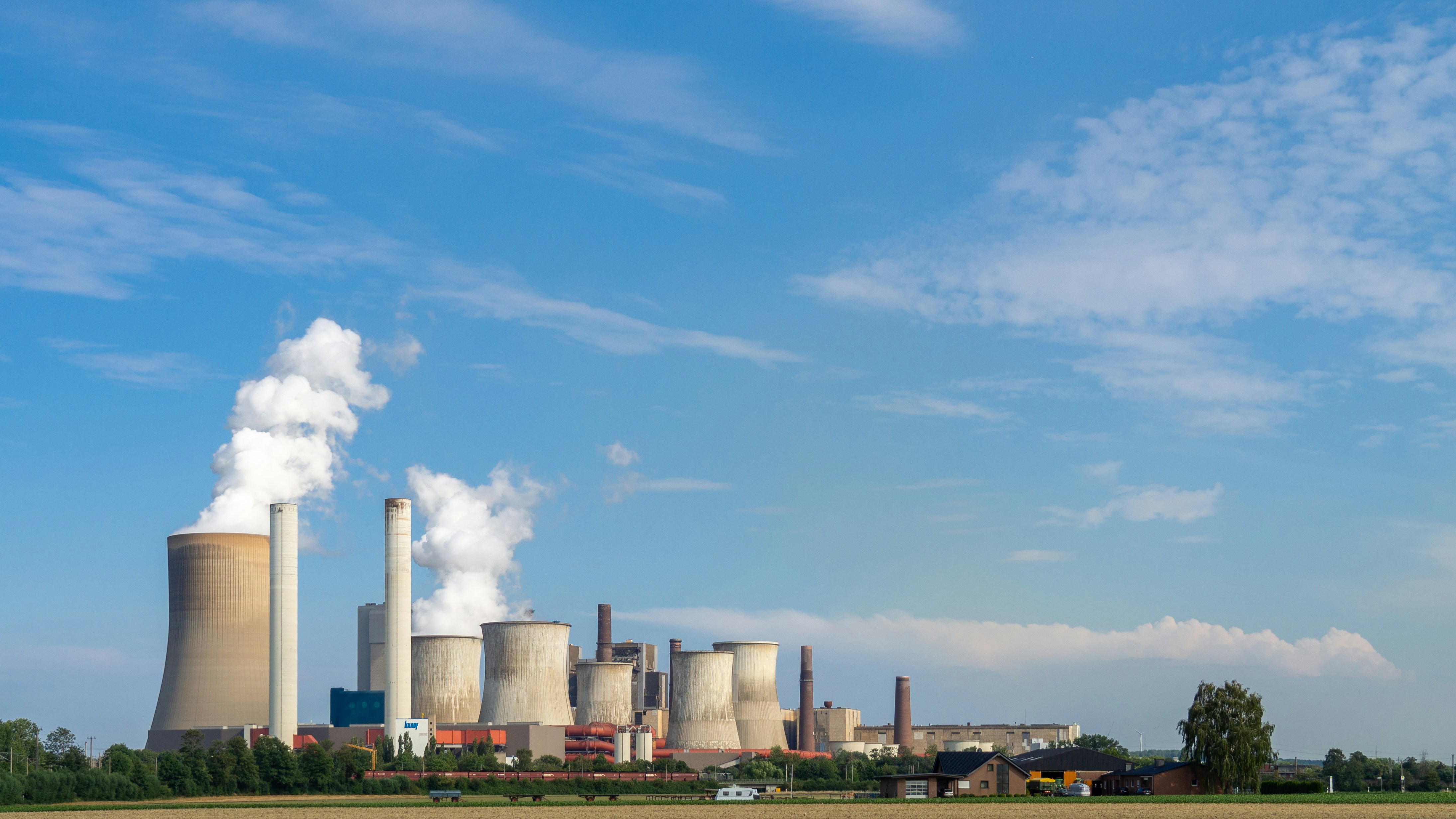
The DEZiR project is being developed at Petit-Couronne in Normandy, near Rouen.
The facility is planned to produce up to 81,000 tonnes of synthetic sustainable aviation fuel annually from 2030. The project is designed around a Power-to-Liquid pathway that combines renewable and low-carbon hydrogen with biogenic carbon dioxide.
The project has also been selected for support under France's France 2030 program and the European Commission's Innovation Fund, helping it progress through engineering and development stages.
Waste-Based CO₂ Will Supply the Carbon
One of the distinctive features of DEZiR is its planned use of biogenic CO₂ rather than fossil carbon.
Verso Energy plans to capture more than 330,000 tonnes of biogenic CO₂ per year at the Biomasse Énergie d'Alizay facility in Normandy.
The captured CO₂ will be transported to the future e-SAF plant at Petit-Couronne through a dedicated pipeline being developed with TRAPIL. The pipeline is expected to be approximately 17 kilometres long.
This creates a connected industrial chain linking biomass energy, carbon capture, hydrogen production and synthetic aviation fuel.
Hydrogen and CO₂ Become Synthetic Jet Fuel
At the DEZiR facility, renewable and low-carbon hydrogen will be combined with the captured biogenic CO₂ to manufacture synthetic aviation fuel.
The approach effectively turns carbon that would otherwise be released from biomass processing into a feedstock for aviation fuel.
Verso Energy says the project could avoid more than 5 million tonnes of CO₂ over its 25-year operating life, while also supporting the development of a French e-fuels industry.
ReFuelEU Is Creating a Market for e-SAF
The Q8Aviation agreement arrives as European aviation faces increasingly demanding sustainable-fuel requirements.
Under the ReFuelEU Aviation framework, sustainable aviation fuel requirements increase over time, while a dedicated requirement for synthetic aviation fuels begins in 2030.
That creates a future market for e-SAF producers such as DEZiR and gives fuel suppliers an incentive to secure production capacity ahead of the regulatory increases.
Q8Aviation specifically said the agreement will help it prepare for its customers' future regulatory obligations and decarbonisation objectives.
The Project Still Needs Final Investment Approval
The new buyer agreement does not mean DEZiR has reached financial close.
Verso Energy is still targeting Final Investment Decision in 2027, with commissioning planned for 2030. The company has described the Q8Aviation agreement as a milestone as the project moves toward its final investment stage.
This distinction is important because an offtake relationship provides commercial visibility but does not by itself guarantee that construction financing has been secured.
The next major milestones will include final investment approval, financing, permitting and continued development of the project's hydrogen, CO₂ and fuel-production infrastructure.
Technip Energies Is Already Invested in DEZiR
DEZiR has attracted support beyond its first prospective fuel customer.
In March 2026, Technip Energies agreed to acquire a minority equity stake in the project. Its involvement includes deployment of its Canopy carbon-capture solution, while its Rely joint venture with John Cockerill is conducting the project's FEED work.
This gives the project an industrial partner with experience in large-scale energy and process infrastructure.
The European Commission has also selected DEZiR under the Innovation Fund's large-scale funding program, adding another layer of support to the development effort.
CO₂ Infrastructure Is Becoming a Critical Part of the Project
The partnership with TRAPIL is another important piece of the DEZiR development.
The planned CO₂ pipeline will connect the biomass-energy facility at Alizay with the e-SAF plant at Petit-Couronne. This infrastructure is designed to provide a continuous supply of biogenic carbon dioxide to the fuel-production facility.
The project demonstrates that e-fuels plants require more than electrolysers and fuel-synthesis equipment. Their commercial viability also depends on securing reliable supplies of hydrogen, carbon dioxide, electricity and transportation infrastructure.
Why the Q8Aviation Deal Matters
For the emerging European e-SAF industry, the agreement illustrates the importance of connecting future production capacity with future fuel demand.
For Verso Energy, Q8Aviation provides a named customer for the DEZiR project as it approaches FID.
For Q8Aviation, the relationship provides a potential source of European-produced synthetic aviation fuel as regulatory requirements increase from 2030.
And for the wider French e-fuels sector, DEZiR is becoming an example of how biogenic CO₂, low-carbon hydrogen, carbon infrastructure and aviation-fuel demand can be integrated into a single industrial project.
Sources:
2-Ethyl Hexanol
Found this useful?