A Guide to Additives in Industrial Cutting and Grinding Fluids
Why Metalworking Additives Are Important
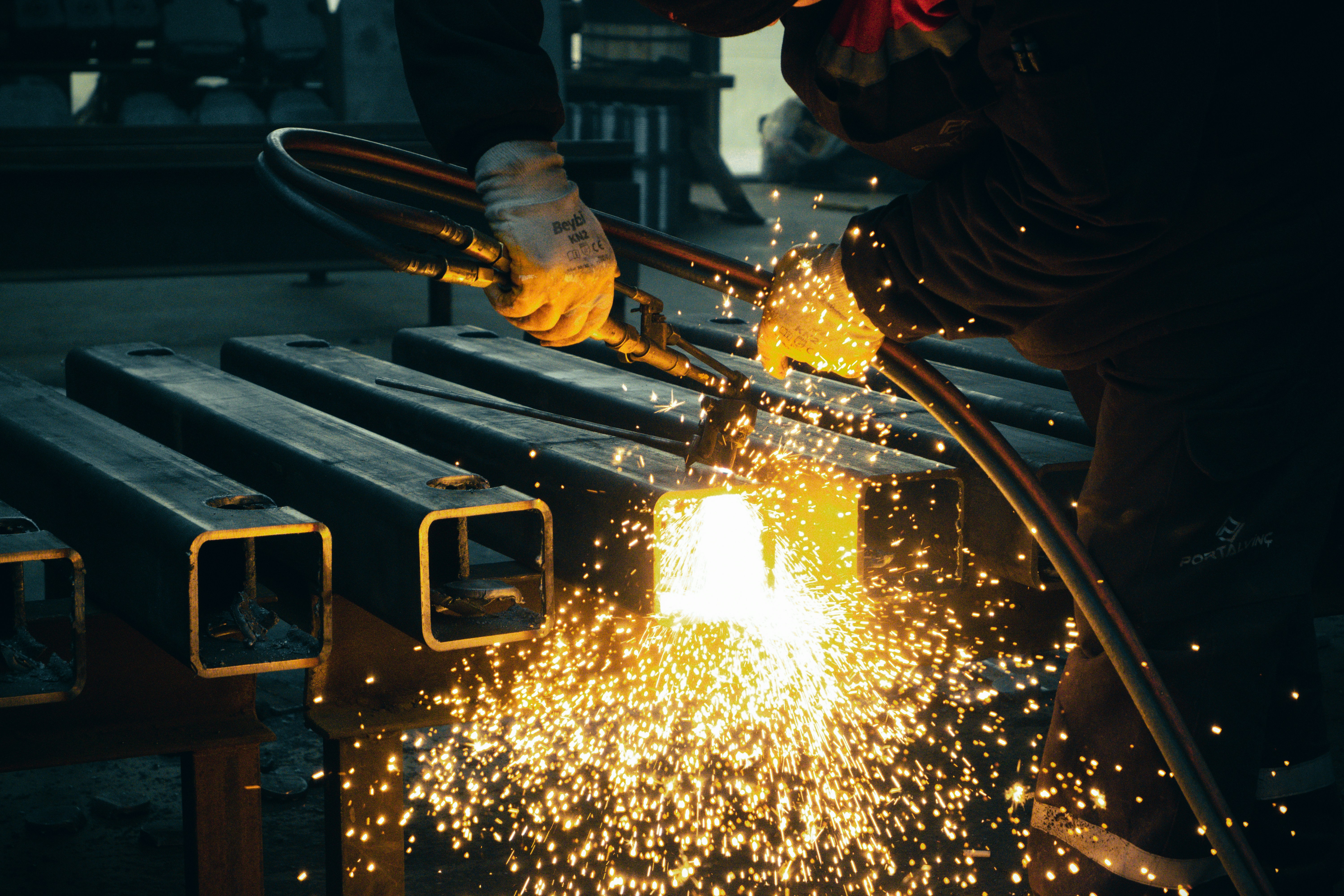
Metalworking fluids are widely used in manufacturing processes such as cutting, drilling, milling, turning, grinding and machining. They help control heat, reduce friction, remove metal particles and protect workpieces and machine components during production.
However, base oils and water-based fluid formulations may not provide every performance characteristic required for demanding industrial operations. Metalworking additives are incorporated into these fluids to improve their lubrication, cooling, corrosion protection, cleaning and stability properties.
The right additive package can help manufacturers achieve better surface finishes, improve tool performance and maintain consistent machining conditions. Additive selection depends on the metal being processed, machining speed, cutting pressure, fluid type and operating environment.
Main Types of Metalworking Additives
Different additives perform specific functions in cutting and grinding fluids. They are selected according to the requirements of the machining process.
1. Extreme Pressure (EP) Additives
Extreme pressure additives improve lubrication when metal surfaces experience high loads, pressure and temperatures. Under demanding machining conditions, the lubricant film may become insufficient to prevent direct contact between the cutting tool and workpiece.
EP additives help form protective reaction films on metal surfaces, reducing friction, wear and the risk of tool damage.
Common chemical types include:
Sulphurised oils and esters
Phosphorus-based compounds
Sulphur-phosphorus additive systems
Selected chlorinated compounds
Industrial applications: EP additives are commonly used in heavy-duty cutting, tapping, threading, broaching and gear machining fluids. They are particularly useful where high contact pressure makes conventional lubrication insufficient.
2. Corrosion Inhibitors
Freshly machined metal surfaces can be vulnerable to corrosion, particularly when exposed to moisture and water-based cutting fluids.
Corrosion inhibitors help protect workpieces, machine tools and metal components by forming protective surface layers or reducing corrosion reactions.
Common examples include:
Sodium sulfonates
Calcium sulfonates
Amine-based inhibitors
Fatty acid soaps
Selected borate-based formulations
Industrial applications: These additives are used in water-miscible cutting fluids, grinding fluids and machining lubricants to help prevent rust formation on metal parts and equipment.
3. Emulsifiers
Emulsifiers allow oil-based ingredients to disperse in water and form stable oil-in-water emulsions. They are essential components of many soluble oil and semi-synthetic metalworking fluid concentrates.
Without suitable emulsification, oil and water may separate, affecting lubrication and fluid performance.
Common emulsifier types include:
Petroleum sulfonates
Synthetic sulfonates
Fatty acid salts
Non-ionic surfactants
Fatty acid amides
Industrial applications: Emulsifiers are used in soluble cutting oils and semi-synthetic machining fluids. They support consistent fluid mixing and help distribute lubricating components throughout the working solution.
4. Lubricity and Oiliness Additives
Lubricity additives improve the ability of metalworking fluids to reduce friction between cutting tools and workpiece surfaces.
They are particularly important in operations where smooth tool movement and surface finish are major priorities.
Common examples include:
Fatty acid esters
Vegetable oil derivatives
Polyol esters
Synthetic lubricating esters
Certain fatty acid-based compounds
Industrial applications: These additives are used in turning, milling, drilling, forming and other machining operations. They help reduce friction and support improved surface quality.
5. Biocides and Microbial Control Additives
Water-based metalworking fluids can support bacterial and fungal growth, particularly when they become contaminated with metal particles, tramp oils and other process residues.
Biocides are used in suitable formulations to control microbial contamination and help maintain fluid condition.
Common biocide chemistries include selected isothiazolin-based and other approved industrial preservative systems.
Industrial applications: They are used in water-miscible cutting and grinding fluids to help control microbial growth and reduce fluid degradation.
Biocides must be selected and managed according to product approvals, applicable regulations, safety documentation and supplier instructions. They should not be added independently without checking compatibility and permitted use.
6. Defoamers
Excessive foam can interfere with fluid circulation, reduce the effectiveness of coolant delivery and create operational difficulties in machining equipment.
Defoamers help control unwanted foam and support stable fluid movement.
Common types include:
Silicone-based defoamers
Non-silicone polymeric defoamers
Selected fatty alcohol-based formulations
Industrial applications: Defoamers are used in water-based cutting fluids, grinding fluids and coolant systems where excessive foam affects pumping, filtration or machining operations.
7. Antioxidants
Metalworking fluids may undergo oxidation during prolonged exposure to heat, air and demanding operating conditions. Oxidation can contribute to changes in fluid colour, viscosity, odour and overall performance.
Antioxidants help slow oxidation reactions and support fluid stability.
Common antioxidant types include selected hindered phenolic and aminic compounds.
Industrial applications: They are used in cutting oils, grinding oils and other industrial lubricants to help maintain performance during storage and operation.
8. Chelating Agents and Water-Conditioning Additives
Water quality can influence the performance of water-miscible metalworking fluids. Hard water contains dissolved calcium and magnesium ions that may affect emulsion stability and contribute to deposits.
Chelating agents bind selected metal ions and help manage their effects within the formulation.
Common examples include:
EDTA-based compounds
Selected aminocarboxylate chelating agents
Other specialised water-conditioning additives
Industrial applications: These additives are used in selected water-based machining and grinding fluid formulations to improve compatibility with water quality and support formulation stability.
Applications in Cutting and Grinding Fluids
Metalworking additives are used in different fluid types depending on the machining operation and performance requirements.
Cutting Fluids
Cutting fluids are used in turning, drilling, milling, tapping and threading. These processes generate heat and friction as cutting tools remove material from workpieces.
EP additives, lubricity agents and corrosion inhibitors help support demanding cutting operations. Emulsifiers and other formulation ingredients maintain the performance of water-miscible cutting fluids.
Grinding Fluids
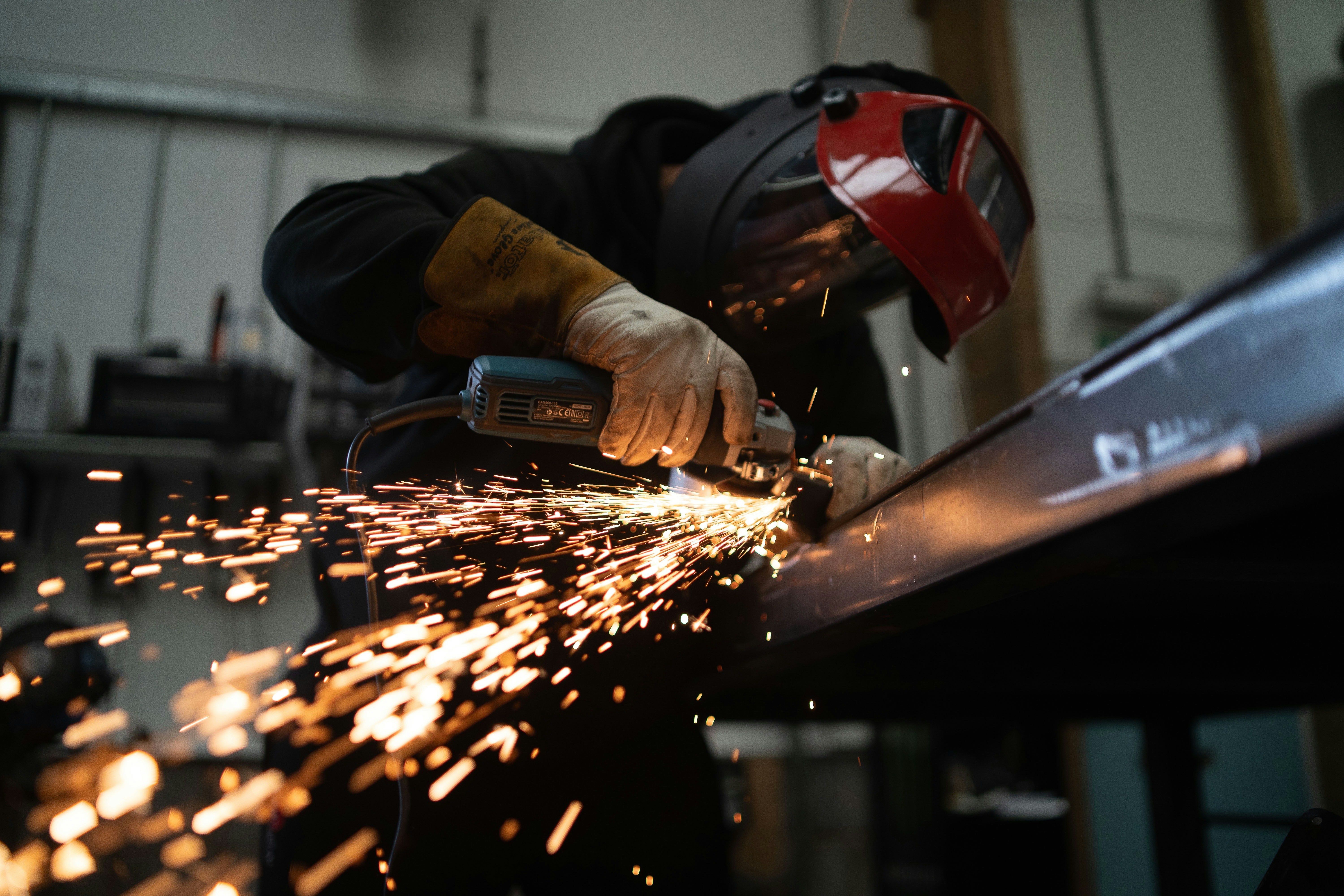
Grinding operations remove small amounts of material through abrasive contact between the grinding wheel and workpiece. Heat generation and fine particle production make fluid selection especially important.
Grinding fluids are designed to provide cooling, lubricate contact surfaces where required and help remove grinding debris.
Typical additive functions include:
Corrosion protection for workpieces and machine components
Foam control for reliable fluid circulation
Dispersing action to help manage fine particles
Lubricity to reduce friction
Microbial control in water-based systems
The formulation must also be compatible with the grinding wheel, filtration equipment and workpiece material.
Heavy-Duty Machining
Operations such as broaching, deep-hole drilling, tapping and gear cutting may involve high pressure and demanding contact conditions.
EP additives and specialised lubricity components help protect tools and workpieces under these conditions.
Precision Machining
Precision manufacturing requires consistent dimensions and good surface finishes. Fluid stability, cleanliness and suitable lubrication are important for maintaining machining accuracy.
Semi-synthetic and synthetic fluids may be selected where cooling, cleanliness and operational stability are priorities.
Types of Metalworking Fluids and Their Additive Requirements
Metalworking fluids are generally divided into four major categories. Their compositions and additive requirements vary according to their intended applications.
Fluid type | Main characteristics | Common additive requirements |
|---|---|---|
Straight oils | Oil-based fluids used without water dilution | EP additives, antioxidants, lubricity agents and corrosion inhibitors |
Soluble oils | Oil concentrates mixed with water to form emulsions | Emulsifiers, corrosion inhibitors, biocides and EP additives |
Semi-synthetic fluids | Combine a smaller oil fraction with water-compatible ingredients | Emulsifiers, lubricity additives, corrosion inhibitors and dispersants |
Synthetic fluids | Water-based formulations without conventional petroleum oil | Corrosion inhibitors, wetting agents, biocides and foam-control additives |
The best fluid depends on the machining process, workpiece material, tool design and required cooling or lubrication performance.
Factors to Consider When Selecting Metalworking Additives
Choosing the right additives requires an understanding of both the formulation and the machining environment.
Workpiece Material
Different metals have different machining and corrosion characteristics. Aluminium, stainless steel, carbon steel and copper alloys may require different additive systems.
Machining Operation
Heavy-duty cutting and tapping may require stronger boundary lubrication and EP performance, while grinding often places greater emphasis on cooling, fluid cleanliness and filtration compatibility.
Fluid Compatibility
Additives must work properly with the base oil, emulsifiers and other formulation ingredients. Incompatible combinations can cause separation, foam, deposits or reduced performance.
Water Quality
Water hardness and other dissolved substances can affect water-miscible fluid stability. Manufacturers should consider the quality of the water used to prepare and replenish the working fluid.
Health, Safety and Environmental Requirements
Review Safety Data Sheets (SDS), chemical restrictions and workplace exposure considerations. Some additive chemistries may require specific handling controls or environmental precautions.
Supplier Technical Support
Reliable suppliers should provide technical documentation, product specifications, compatibility information and guidance for the intended machining application.
Maintaining Cutting and Grinding Fluid Performance
Even a well-formulated metalworking fluid can lose performance if it is not maintained properly. Regular monitoring helps identify contamination and changes in fluid condition.
Important maintenance practices include:
Check fluid concentration: Use an appropriate refractometer or supplier-recommended method for water-miscible fluids.
Monitor pH: Changes in pH may indicate contamination, dilution problems or microbial activity.
Remove tramp oil: Hydraulic and lubricating oils can enter coolant systems and interfere with fluid performance.
Filter metal particles: Remove chips, swarf and fine grinding debris to reduce contamination.
Monitor microbial growth: Inspect for unusual odours, visible contamination and other signs of fluid degradation.
Maintain fluid circulation: Check pumps, filters, tanks and delivery systems to ensure proper coolant flow.
Follow cleaning procedures: Clean machine sumps and refill systems according to the fluid supplier's recommendations.
Workers should also follow appropriate hygiene practices and minimise exposure to fluid mist. Suitable ventilation, machine enclosures and exposure controls are important parts of a safe metalworking environment.
Improving Machining Performance Through Additive Selection
Metalworking additives are essential for improving the performance of industrial cutting and grinding fluids. EP additives support lubrication under demanding loads, corrosion inhibitors protect metal surfaces, emulsifiers maintain stable mixtures and biocides help manage microbial contamination.
However, no single additive can meet every machining requirement. Manufacturers should select additive combinations according to the workpiece material, machining conditions, fluid type and equipment requirements.
By choosing compatible additives and maintaining fluid quality through regular monitoring, industrial businesses can support better machining consistency, improve tool performance and reduce unnecessary production interruptions.
https://www.osha.gov/metalworking-fluids/manual
https://www.ccohs.ca/oshanswers/chemicals/metalworking_fluids.html
Boric Acid (99.9% Granular) - Bolivia
Found this useful?