A Guide to Industrial Cooling Tower Water Treatment
Why Cooling Tower Water Treatment Is Important
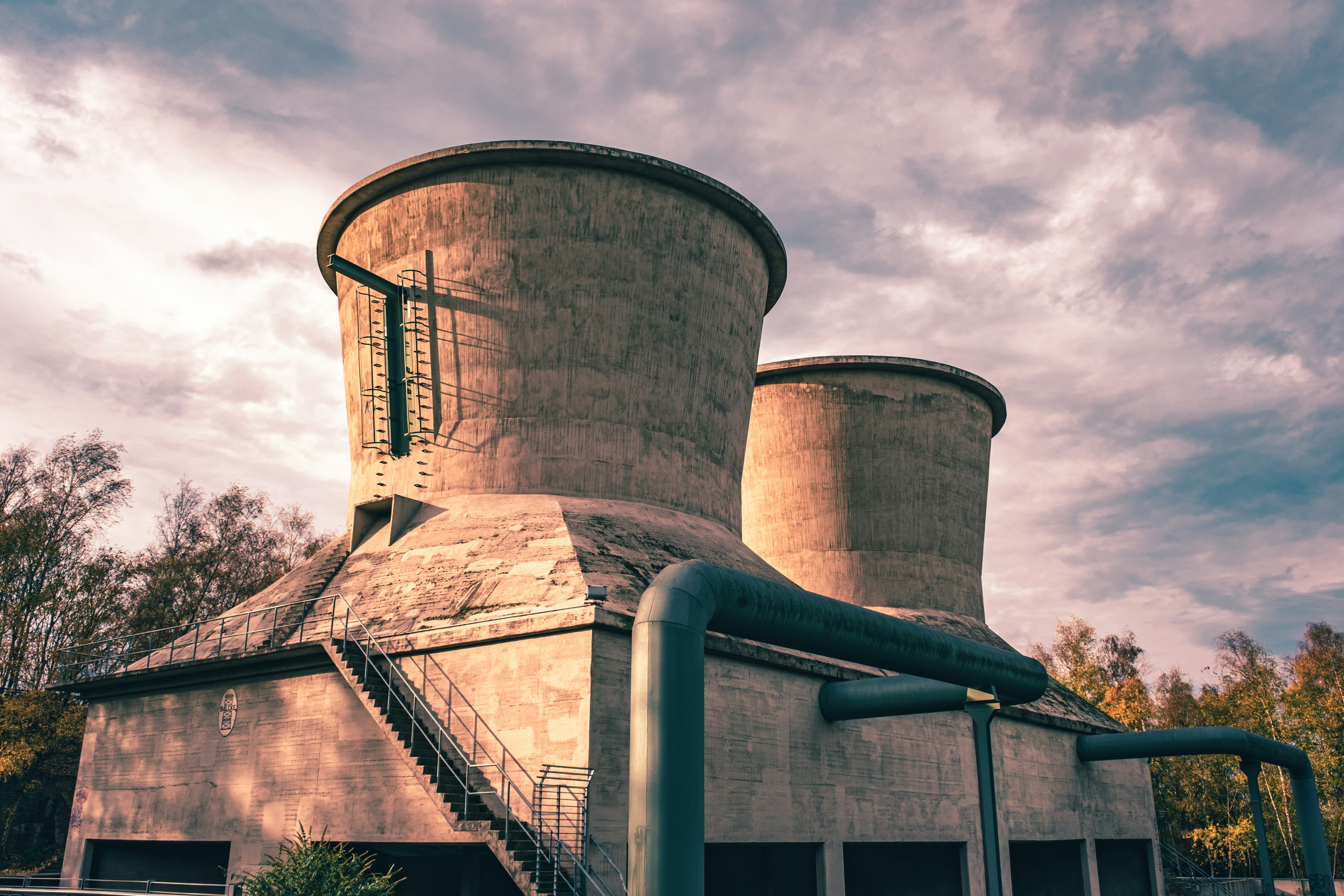
Cooling towers are essential components of industrial facilities, power plants, manufacturing units, commercial buildings and chemical processing operations. They remove excess heat from circulating water by transferring it to the atmosphere, allowing the cooled water to return to the system.
During this process, some water evaporates while dissolved minerals and impurities remain behind. As water continues circulating, these substances become more concentrated. Without proper treatment, this can lead to scale formation, corrosion, suspended deposits and uncontrolled microbial growth.
Cooling tower chemicals help maintain suitable water conditions and protect equipment from these problems. A well-managed treatment programme can improve heat-transfer performance, reduce maintenance requirements and support efficient water consumption.
Essential Types of Cooling Tower Chemicals
Different chemicals are used to control specific water quality problems. The treatment programme depends on the source water, cooling tower design, operating conditions and materials used in the system.
1. Scale Inhibitors
Scale inhibitors prevent or reduce mineral deposits on cooling tower surfaces, heat exchangers and circulation pipelines.
Scale commonly develops when dissolved minerals such as calcium carbonate, calcium sulphate and silica become concentrated beyond their ability to remain dissolved.
Common scale inhibitor chemistries include:
Phosphonates
Polyacrylates
Specialised polymer formulations
Phosphate-based treatment compounds
Industrial applications: Scale inhibitors are widely used in power plants, chemical manufacturing, refineries and industrial cooling systems. They help maintain clean heat-transfer surfaces and reduce the risk of restricted water flow.
2. Corrosion Inhibitors
Corrosion can damage metal components, pipelines, heat exchangers and cooling tower equipment. It may occur when water chemistry, dissolved oxygen and operating conditions promote the deterioration of metal surfaces.
Corrosion inhibitors help protect these materials by forming protective films or reducing electrochemical corrosion reactions.
Common types include:
Phosphate-based inhibitors
Phosphonate formulations
Molybdate-based inhibitors
Zinc-based inhibitors
Azole-based inhibitors for copper and copper alloys
Industrial applications: These chemicals are used in cooling water circuits containing steel, copper and other metal components. The formulation must be selected according to system metallurgy and water chemistry.
3. Oxidizing Biocides
Cooling towers provide conditions that can support the growth of bacteria, algae and other microorganisms. Microbial growth may contribute to biofilm formation, blocked passages, reduced heat-transfer efficiency and hygiene concerns.
Oxidizing biocides control microorganisms by chemically damaging their cellular structures and essential biological components.
Common examples include:
Sodium hypochlorite
Chlorine
Bromine-based treatments
Chlorine dioxide
Industrial applications: Oxidizing biocides are used in cooling towers to control microbial populations and help maintain cleaner water circulation systems.
4. Non-Oxidizing Biocides
Non-oxidizing biocides control microorganisms through mechanisms that do not primarily depend on oxidation. They may be used as part of a treatment programme when additional microbial control is required.
Common examples include:
Isothiazolin-based products
Glutaraldehyde
DBNPA-based formulations
Industrial applications: These products are used in industrial cooling systems to manage biological growth, particularly when a treatment programme requires an alternative or supplementary biocide.
Biocide selection and dosing must consider system compatibility, microbial conditions, discharge requirements and worker safety.
5. Dispersants
Suspended solids, dirt, corrosion products and other particles can accumulate in cooling tower water. These materials may settle on heat-transfer surfaces and contribute to fouling.
Dispersants help keep particles suspended in the circulating water so they can be removed through filtration or blowdown rather than accumulating as deposits.
Common dispersant chemistries include specialised polymers and polyacrylate-based products.
Industrial applications: Dispersants are used in cooling towers, heat exchangers and industrial water circulation systems where suspended solids and deposit formation need to be controlled.
6. pH Adjusters and Alkalinity Control Chemicals
Water pH affects corrosion, mineral solubility and the performance of treatment chemicals. Maintaining an appropriate pH range is therefore important for cooling tower operation.
Common chemicals include:
Sulphuric acid
Hydrochloric acid
Sodium hydroxide
Other specialised alkalinity-control formulations
Industrial applications: These chemicals are used to manage water chemistry and control scale-forming conditions. Acid treatment may reduce carbonate alkalinity, but it must be carefully controlled because excessive dosing can increase corrosion risks and damage equipment.
Industrial Applications of Cooling Tower Chemicals
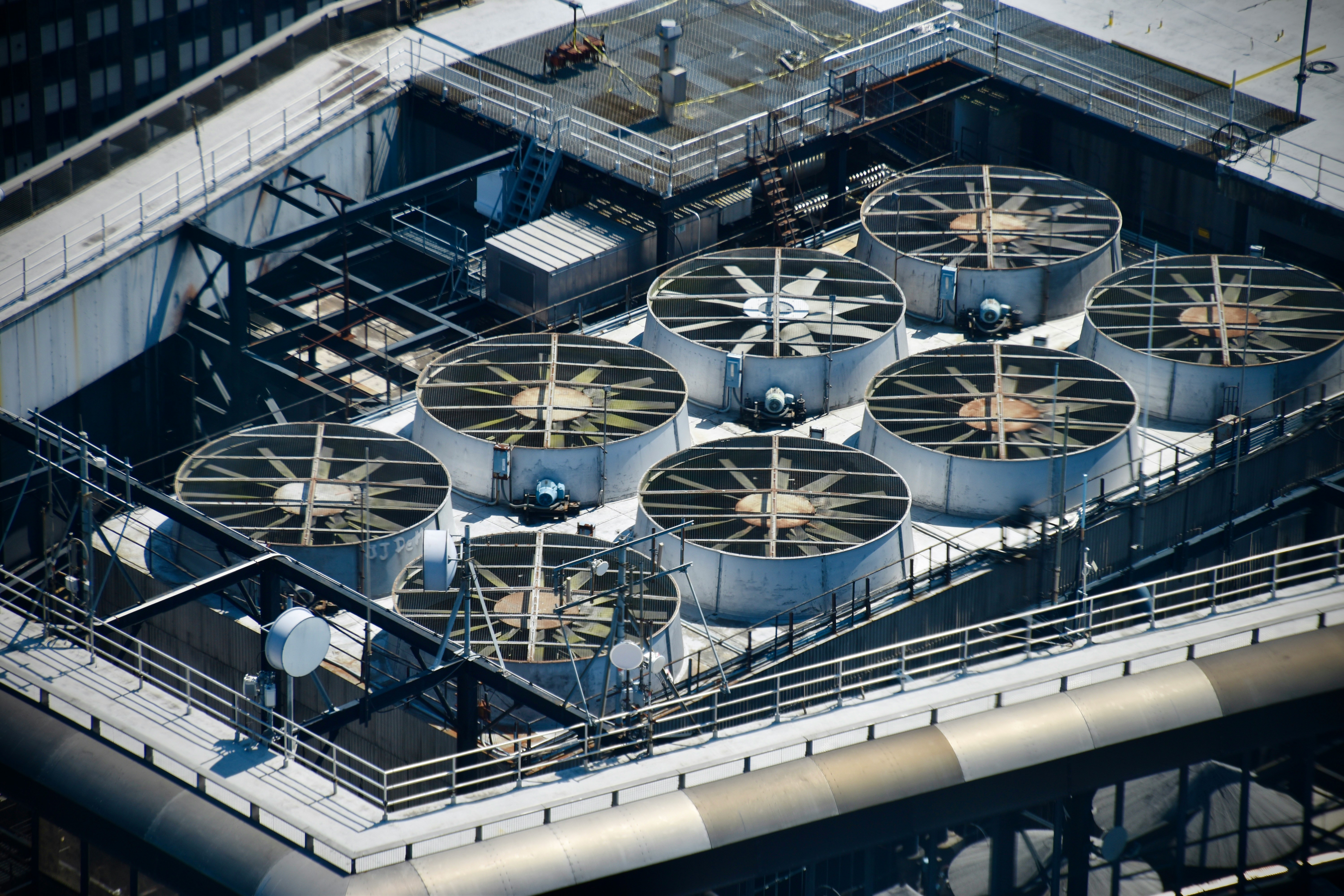
Cooling tower chemicals are used across industries where reliable heat removal and water circulation are essential.
Power Generation
Power plants depend on cooling systems to remove heat from condensers and other equipment. Scale and corrosion can reduce heat-transfer performance and affect plant efficiency.
Scale inhibitors, corrosion inhibitors, dispersants and biocides help maintain cooling water quality and protect important system components.
Oil and Gas Industry
Refineries and petrochemical facilities use cooling towers to support heat exchangers, compressors and processing equipment.
Chemical treatment helps control mineral deposits, corrosion and biological fouling. Maintaining clean cooling systems supports reliable operation and reduces the risk of equipment maintenance interruptions.
Chemical and Manufacturing Industries
Chemical plants and manufacturing facilities often operate cooling systems continuously. Changes in water quality can affect production equipment and heat-transfer processes.
Cooling tower treatment chemicals help maintain stable water conditions and protect industrial circulation networks.
Food and Beverage Processing
Food and beverage facilities use cooling systems for process temperature control, refrigeration support and equipment cooling.
Appropriate water treatment helps prevent fouling and corrosion. Chemical selection must also consider hygiene requirements, potential exposure pathways and applicable industry regulations.
Commercial Buildings and HVAC Systems
Large buildings, shopping centres, hospitals and office complexes use cooling towers as part of their heating, ventilation and air-conditioning systems.
Treatment chemicals help maintain cooling efficiency, control microbial growth and protect heat exchangers and circulation equipment.
Important Water Quality Parameters to Monitor
Chemical treatment is most effective when supported by regular water testing. Monitoring helps operators understand changing water conditions and adjust the treatment programme before problems develop.
pH
pH indicates whether water is acidic or alkaline. It affects corrosion behaviour, mineral precipitation and chemical performance.
Conductivity
Conductivity measures the ability of water to carry an electrical current. It is commonly used to monitor the concentration of dissolved ions and manage cooling tower blowdown.
Total Dissolved Solids (TDS)
TDS represents the concentration of dissolved substances in water. Increasing dissolved solids can contribute to scaling and other water quality problems.
Hardness
Calcium and magnesium hardness can contribute to mineral scale formation, especially as water evaporates and dissolved minerals become concentrated.
Alkalinity
Alkalinity measures the ability of water to neutralise acids. It is an important factor in controlling carbonate scale formation and managing water chemistry.
Microbial Activity
Microbial monitoring helps identify biological growth and evaluate the effectiveness of biocide treatment. Cooling towers also require appropriate cleaning and disinfection practices to manage risks associated with Legionella.
Corrosion and Inhibitor Levels
Monitoring corrosion rates and inhibitor residuals helps determine whether protective treatment is working effectively. Metal coupons and other monitoring methods may be used as part of a water treatment programme.
Understanding Cycles of Concentration in Cooling Towers
Cycles of concentration (COC) describe how concentrated dissolved substances become in circulating cooling water compared with the incoming make-up water.
As evaporation removes relatively pure water, dissolved minerals remain in the system. Their concentration increases unless water is removed through blowdown.
For example, if a cooling tower operates at four cycles of concentration, the concentration of a suitable conservative dissolved constituent in circulating water is approximately four times its concentration in the make-up water.
Blowdown removes a portion of concentrated water and replaces it with fresh make-up water. This helps control dissolved solids and reduce scaling potential.
The maximum practical cycles of concentration depend on several factors, including:
Make-up water quality
Calcium hardness and alkalinity
Silica concentration
Water temperature
Chemical treatment performance
Equipment materials
Environmental discharge requirements
The U.S. Department of Energy highlights that increasing cycles of concentration can reduce make-up water consumption and blowdown losses when the water chemistry and treatment programme allow it.
Best Practices for Cooling Tower Water Quality Control
Maintaining water quality requires more than adding chemicals. A complete programme combines chemical treatment, monitoring, equipment inspection and operational control.
1. Conduct Regular Water Testing
Test cooling tower water according to a defined schedule. Monitor pH, conductivity, hardness, alkalinity, inhibitor residuals and microbial activity.
2. Maintain Accurate Chemical Dosing
Use suitable dosing pumps and monitoring systems to maintain the required treatment levels. Avoid uncontrolled chemical additions because incorrect dosing may affect water chemistry and equipment performance.
3. Control Blowdown
Use conductivity monitoring and appropriate blowdown controls to prevent excessive dissolved solids from accumulating. Blowdown rates should be adjusted according to water analysis and the treatment programme.
4. Clean Cooling Tower Basins
Remove dirt, sludge, leaves and other accumulated materials from the cooling tower basin. Regular cleaning helps reduce suspended solids and conditions that support microbial growth.
5. Inspect Heat Exchangers and Pipelines
Inspect equipment for scale, corrosion, deposits and restricted water flow. Early identification of these problems can help prevent costly repairs and operational interruptions.
6. Maintain a Microbial Control Programme
Use an appropriate biocide programme supported by water testing, cleaning and disinfection. Cooling towers should also be managed in accordance with applicable Legionella prevention guidance and local health and safety requirements.
How to Select the Right Cooling Tower Chemicals
Selecting suitable treatment chemicals requires an understanding of the cooling system and its water quality conditions.
Industrial buyers and facility managers should consider:
Water analysis: Review hardness, alkalinity, pH, conductivity and dissolved solids before selecting products.
System materials: Confirm compatibility with steel, copper, aluminium, galvanised components and other materials.
Operating conditions: Consider water temperature, circulation rate, evaporation and cooling tower capacity.
Treatment objectives: Identify whether the priority is scale prevention, corrosion control, microbial management or suspended-solids removal.
Environmental requirements: Check discharge restrictions and the environmental impact of treatment chemicals.
Supplier support: Evaluate technical assistance, product documentation, chemical consistency and availability.
A qualified water treatment specialist can help develop a programme based on laboratory testing, operating conditions and equipment requirements.
Improving Water Efficiency Through Better Treatment
Water conservation is becoming an important part of industrial cooling tower management. Effective chemical treatment can help facilities operate at suitable cycles of concentration while controlling scale, corrosion and biological fouling.
Automated conductivity controllers, chemical dosing systems and digital monitoring tools can improve consistency and reduce unnecessary chemical consumption.
Facilities can also consider side-stream filtration and suitable make-up water pretreatment where suspended solids or hardness limit cooling tower performance.
A well-designed water treatment strategy supports efficient cooling, protects industrial equipment and helps businesses manage water consumption responsibly.
Maintaining Reliable Cooling Tower Performance
Cooling tower chemicals play an important role in protecting industrial cooling systems from scale, corrosion, suspended deposits and microbial growth. Scale inhibitors, corrosion inhibitors, biocides, dispersants and pH control chemicals each contribute to maintaining suitable water conditions.
However, chemicals alone cannot guarantee reliable performance. Regular water testing, controlled blowdown, equipment cleaning and proper chemical dosing are equally important.
By combining the right treatment products with consistent water quality monitoring, industrial facilities can improve cooling system reliability, reduce maintenance challenges and support more efficient water management.
https://handbook.ashrae.org/Handbooks/A23/SI/A23_Ch50/a23_ch50_si.aspx
https://www.energy.gov/sites/default/files/2020/04/f74/omguide_complete_w-eo-disclaimer.pdf
Sodium Caseinate
Found this useful?