A Guide to Leather Finishing Chemicals and Product Selection
Why Leather Finishing Agents Are Important
Leather finishing is one of the final stages of leather manufacturing. It improves the surface appearance and gives leather the properties required for its intended application. These properties may include colour consistency, gloss, softness, flexibility, abrasion resistance and protection against moisture.
Leather finishing agents are chemical products used to create and modify the surface coating of leather. They help manufacturers achieve specific finishes, from natural and soft textures to smooth, glossy, matte and highly protective surfaces.
The selection of finishing chemicals depends on leather type, processing methods, customer specifications and the performance requirements of the final product. A suitable finishing formulation can improve product quality, reduce surface defects and create a consistent appearance across production batches.
Main Types of Leather Finishing Agents
Leather finishing formulations generally combine binders, pigments, dyes, waxes, protective coatings and application auxiliaries. Each component performs a different function within the finishing process.
1. Acrylic Binders
Acrylic binders are widely used in leather finishing because they help pigments and other finishing ingredients adhere to the leather surface.
They form a flexible film that contributes to colour uniformity, surface coverage and finishing performance. Different acrylic formulations are available with varying degrees of softness, hardness and flexibility.
Industrial applications:
Shoe upper leather
Furniture and upholstery leather
Leather bags and accessories
Corrected-grain leather
Pigmented leather finishes
Acrylic binders are often selected when manufacturers require good coverage, film formation and a controlled surface appearance.
2. Polyurethane Binders
Polyurethane (PU) binders are used to improve the physical performance of leather coatings. They can provide flexibility, abrasion resistance, adhesion and a desirable surface feel.
PU products are available in different formulations, including water-based dispersions and solvent-based systems. Their properties vary according to polymer structure and formulation.
Industrial applications:
Automotive interior leather
Furniture upholstery
Footwear
Leather garments
Premium leather accessories
Polyurethane binders are particularly useful when the finished leather must maintain flexibility while meeting demanding durability requirements.
3. Pigments and Colouring Agents
Pigments provide colour and help create a consistent appearance across leather surfaces. Unlike dyes, which can penetrate or chemically interact with the substrate depending on their chemistry, pigments generally remain within the surface coating and require a suitable binder for adhesion.
Common pigment types include:
Iron oxide pigments
Titanium dioxide
Carbon black
Organic colour pigments
Specialised pigment dispersions
Industrial applications: Pigments are used in shoe leather, furniture upholstery, automotive interiors and leather goods. They help manufacturers achieve specific shades, improve colour coverage and reduce the visibility of minor surface variations.
4. Leather Waxes and Oils
Waxes and oils are used to modify the surface feel and appearance of finished leather. They can create smooth, silky, dry, oily or waxy effects depending on their formulation.
Common options include natural waxes, synthetic wax emulsions and specialised oil-based preparations.
Industrial applications:
Pull-up leather
Aniline and semi-aniline leather
Footwear and fashion accessories
Upholstery leather
Leather garments
Waxes and oils are particularly important when the desired finish requires a distinctive hand feel, natural appearance or special surface effect.
5. Lacquers and Top Coats
Lacquers and top coats are applied as final protective layers in many leather finishing systems. They help improve surface resistance and control the final gloss, feel and appearance.
Common options include:
Water-based polyurethane top coats
Acrylic lacquers
Nitrocellulose-based lacquers
Specialised protective coating formulations
Industrial applications: Top coats are used in automotive leather, furniture upholstery, footwear and leather accessories. Their performance requirements may include abrasion resistance, flexibility, colour retention and resistance to everyday wear.
6. Fillers and Leveling Agents
Fillers help improve surface uniformity by reducing the appearance of minor imperfections and creating a more consistent coating surface.
Leveling agents improve the spreading and distribution of finishing mixtures during application. They help reduce uneven coating, streaks and other surface irregularities.
Industrial applications: These products are commonly used in corrected-grain leather, shoe leather, furniture leather and other applications where a uniform surface is important.
7. Hand Modifiers and Touch Enhancers
Hand modifiers are finishing auxiliaries designed to control the feel of the leather surface. They can make leather feel softer, smoother, silkier, waxier or more natural.
Common formulations may include silicone-based products, wax emulsions, polymer modifiers and specialised surfactants.
Industrial applications: Hand modifiers are used in footwear, automotive interiors, upholstery, fashion accessories and leather garments where the tactile quality of the finished product is an important specification.
8. Finishing Auxiliaries
Finishing auxiliaries support the application and performance of the main finishing ingredients. They help manufacturers control formulation properties and achieve consistent results.
Common types include:
Defoamers
Thickeners
Wetting agents
Penetrating agents
Dispersing agents
Crosslinkers
Anti-tack agents
Matting agents
Industrial applications: These products are used across different finishing stages to improve coating stability, application behaviour, surface appearance and final performance.
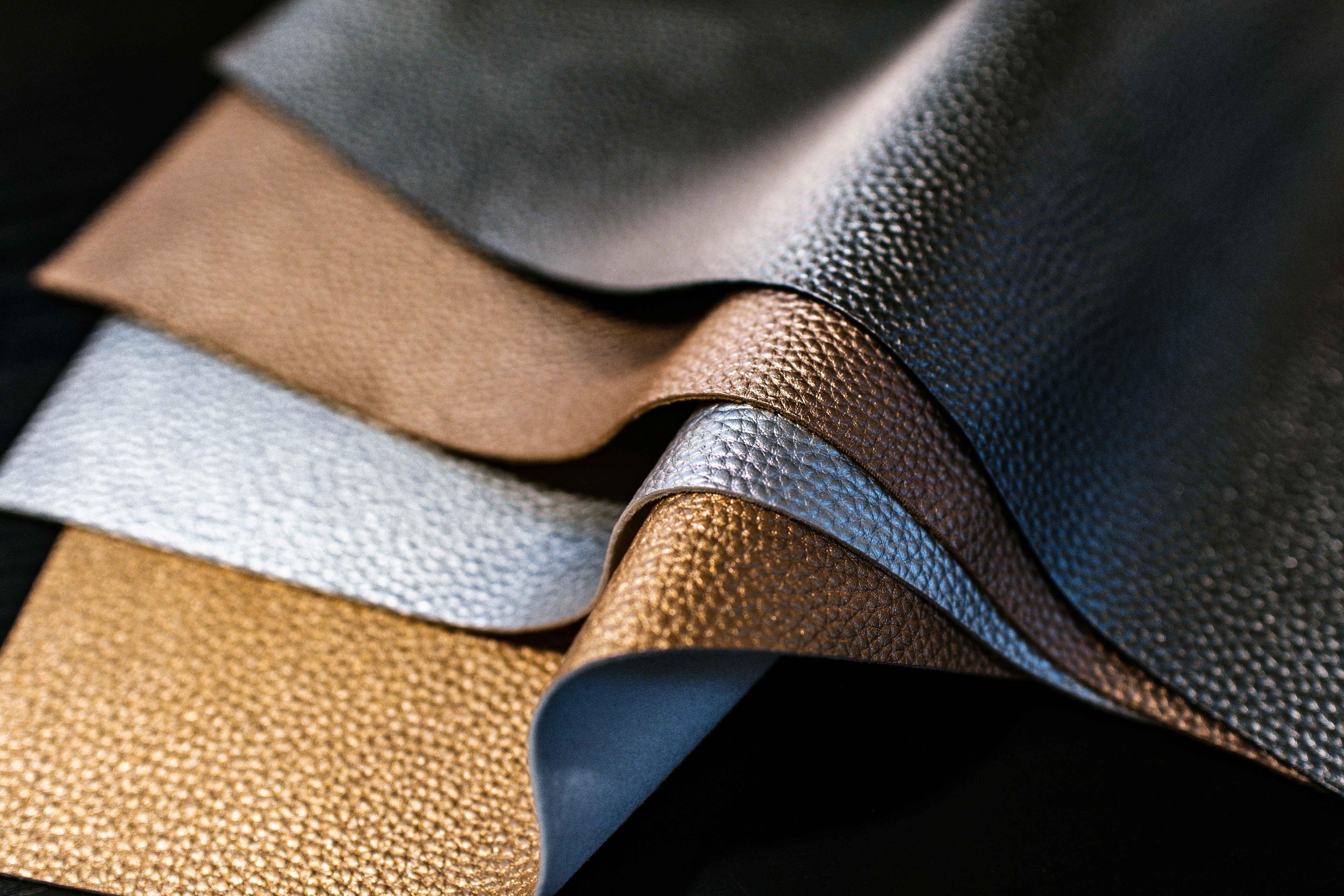
Applications of Leather Finishing Agents Across Industries
Different leather products require different surface properties. Manufacturers select finishing agents according to how the leather will be used.
Footwear Manufacturing
Footwear leather must balance appearance, flexibility and resistance to repeated wear. Finishing agents help provide consistent colour, suitable surface gloss and protection against abrasion.
Acrylic and polyurethane binders, pigments, waxes and protective top coats are commonly used in footwear finishing systems.
Automotive Leather
Automotive leather is used in vehicle seats, steering wheel covers, door panels and interior trim. These applications require finishes that can withstand repeated contact and changing environmental conditions.
Manufacturers may select polyurethane coatings, specialised binders, pigments and protective top coats to achieve suitable resistance to abrasion, light exposure, heat and surface wear.
Furniture and Upholstery
Furniture leather is expected to maintain its appearance and surface feel during regular use. Finishing agents help provide colour consistency, flexibility and protection against everyday handling.
Acrylic binders, PU coatings, pigments and hand modifiers are used to create different upholstery finishes.
Leather Garments and Fashion Accessories
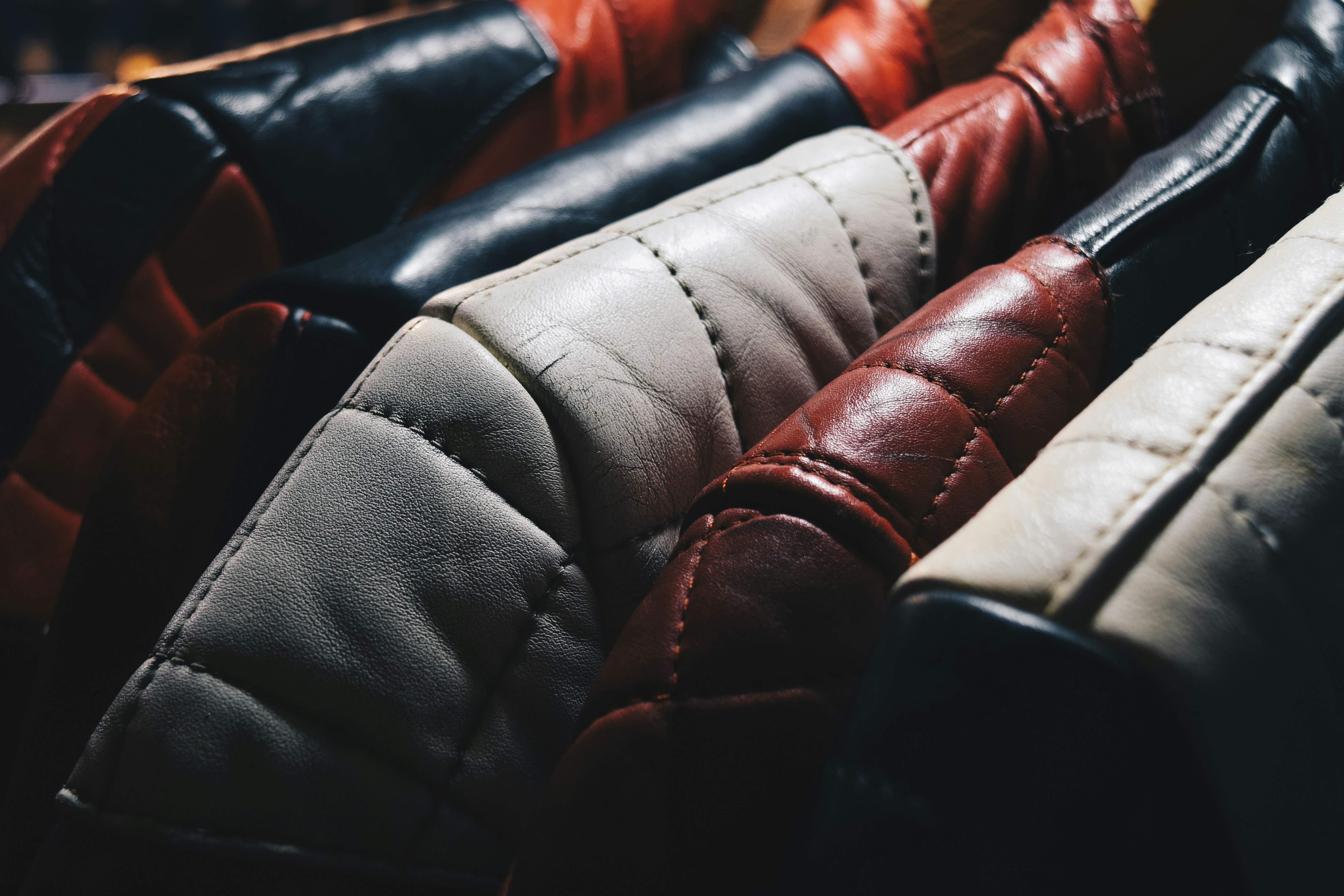
Leather jackets, handbags, wallets and other accessories often require attractive surface effects and comfortable handling properties.
Waxes, oils, soft binders and specialised top coats help create natural, silky, matte or glossy finishes according to product design requirements.
Industrial and Protective Leather Products
Some leather products are designed for demanding working environments. Their finishing requirements may include specific resistance to abrasion, moisture or other forms of exposure.
Finishing formulations should be selected according to the actual product specification and relevant performance testing requirements.
Understanding the Leather Finishing Process
Leather finishing usually involves several coating stages. The exact sequence varies according to leather quality, desired appearance and production method.
1. Surface Preparation
Before finishing, leather may undergo processes such as buffing, dedusting, conditioning and other mechanical or chemical preparation steps.
Proper preparation helps remove loose particles and creates a suitable surface for coating application.
2. Ground or Sealer Coat
A ground or sealer coat may be applied to prepare the surface and support the adhesion of subsequent finishing layers.
It can help improve surface uniformity and control the interaction between the leather and later coating applications.
3. Base Coat
The base coat provides the foundation for the finishing system. It may contain binders, pigments, fillers and selected auxiliaries.
This layer contributes to coverage, colour development and surface preparation for subsequent coats.
4. Intermediate or Pigment Coat
An intermediate or pigment coat may be applied to build colour, improve coverage and achieve the required surface characteristics.
The number of applications depends on the leather type and the desired finish.
5. Top Coat Application
The top coat provides the final surface properties. It may control gloss, feel, abrasion resistance and other protective characteristics.
After coating, leather may undergo drying, plating, embossing or other mechanical finishing operations depending on the product specification.
How to Select the Right Leather Finishing Agents
Selecting suitable leather finishing agents requires more than comparing product prices. Manufacturers should evaluate how each chemical performs within the complete finishing formulation and production process.
Important selection factors include:
Leather type: Identify whether the material is full-grain, corrected-grain, split, aniline, semi-aniline or another leather category.
Desired appearance: Define the required colour, gloss level, surface texture and overall finish.
Performance requirements: Consider flexibility, adhesion, abrasion resistance, rub fastness and other relevant properties.
Chemical compatibility: Confirm that binders, pigments, waxes, lacquers and auxiliaries work together within the formulation.
Application method: Check suitability for spraying, roller coating, curtain coating or other production techniques.
Drying and processing conditions: Review drying temperature, curing requirements and production-line limitations.
Environmental requirements: Evaluate water-based alternatives, solvent content, emissions and applicable chemical restrictions.
Supplier documentation: Request technical data sheets (TDS), Safety Data Sheets (SDS) and relevant test information.
Laboratory trials and production-scale testing can help determine whether a product meets the required specifications before it is introduced into regular manufacturing.
Quality Testing for Finished Leather
Testing is essential for confirming whether the selected finishing agents deliver the expected performance.
Common quality checks include:
Dry and Wet Rub Fastness
This test evaluates how well the finished leather resists colour transfer when rubbed under dry or wet conditions.
Adhesion Testing
Adhesion testing assesses how effectively the finishing layer remains attached to the leather surface.
Flexing Resistance
This test examines whether the coating can withstand repeated bending without cracking or peeling.
Abrasion Resistance
Abrasion testing evaluates how well the finished surface withstands friction and repeated contact.
Light Fastness
Light fastness testing measures the ability of the leather colour and finish to resist changes caused by light exposure.
Surface Feel and Gloss
Manufacturers also evaluate the tactile feel, smoothness and gloss level to ensure the finished leather matches customer requirements.
Testing methods and acceptance limits should be selected according to the intended application and relevant customer or industry specifications.
Choosing Reliable Leather Finishing Chemical Suppliers
Supplier selection plays an important role in maintaining consistent leather quality. Even a technically suitable chemical may produce inconsistent results if its specifications or supply quality vary between batches.
Industrial buyers should evaluate suppliers based on:
Product consistency and manufacturing standards
Availability of technical documentation
Application-specific product recommendations
Technical assistance and formulation support
Reliable supply and delivery schedules
Relevant environmental and regulatory information
Product testing and quality-control procedures
A supplier that understands the complete leather finishing process can help manufacturers select compatible products rather than purchasing individual chemicals without considering their interaction.
Improving Leather Finishing Performance Through Better Product Selection
Leather finishing agents influence the appearance, feel and durability of finished leather. Acrylic and polyurethane binders support coating performance, pigments provide colour, waxes modify surface texture and top coats add protective properties.
However, the final result depends on the complete formulation, leather preparation, application technique and processing conditions.
For leather manufacturers, the most effective approach is to define the required product characteristics, test compatible chemical systems and work with technically capable suppliers. Careful product selection can support consistent production quality, reduce finishing defects and help manufacturers meet the changing requirements of footwear, automotive, furniture and fashion markets.
Polyaluminium Chloride
Found this useful?