A Practical Guide to Industrial Cleaning Chemical Selection
Why Industrial Cleaning Chemicals Are Important
Industrial facilities require regular cleaning to maintain equipment performance, workplace hygiene and production quality. Machinery, pipelines, storage tanks, processing equipment and floors can accumulate oil, grease, dust, mineral deposits, rust and chemical residues during normal operations.
Industrial cleaning chemicals are specially formulated to remove these contaminants from different surfaces. They help dissolve, loosen, emulsify or suspend unwanted materials so they can be removed through rinsing, wiping, spraying or mechanical cleaning.
Selecting the wrong cleaning product can damage equipment, leave unwanted residues or create safety risks. Therefore, industries need to consider the type of contamination, surface material, cleaning method and operating conditions before choosing a chemical.
Main Types of Industrial Cleaning Chemicals
Industrial cleaning products are available in different formulations. Each type is designed to address particular contaminants and cleaning requirements.
1. Alkaline Cleaning Chemicals
Alkaline cleaners are commonly used to remove organic contaminants such as oil, grease, fats and heavy industrial dirt. They often contain alkaline compounds, surfactants, builders and other additives that improve cleaning performance.
Common examples include:
Sodium hydroxide
Potassium hydroxide
Sodium carbonate
Alkaline detergent formulations
Industrial applications: These products are used in metal fabrication, automotive manufacturing, food processing, machinery maintenance and industrial floor cleaning. Strong alkaline cleaners require particular care because they can damage certain metals, coatings and other sensitive materials.
2. Acidic Cleaning Chemicals
Acidic cleaners are used to remove inorganic deposits such as mineral scale, rust and oxide residues. They work by dissolving or chemically reacting with deposits that are difficult to remove using ordinary detergents.
Common examples include:
Phosphoric acid
Citric acid
Sulphamic acid
Hydrochloric acid, in suitable applications
Industrial applications: Acidic cleaning chemicals are used for descaling heat exchangers, cleaning industrial pipelines, removing mineral deposits and maintaining selected processing equipment. The acid must be compatible with the surface material to avoid corrosion or damage.
3. Neutral Cleaning Chemicals
Neutral cleaners generally have a pH close to 7 and are suitable for general cleaning where strong acidic or alkaline products are unnecessary.
They commonly contain surfactants that help loosen dirt, light oils and other surface contaminants.
Industrial applications: Neutral cleaning products are used for routine equipment cleaning, general maintenance, floors, painted surfaces and selected sensitive materials. Their suitability still depends on the product formulation and surface compatibility.
4. Solvent-Based Cleaning Chemicals
Solvent cleaners are designed to dissolve substances that may be difficult to remove with water-based detergents. They are particularly useful for certain oils, greases, waxes, adhesives and other organic residues.
Common solvent types include:
Isopropyl alcohol
Ethanol
Acetone
Selected hydrocarbon-based solvents
Industrial applications: Solvent cleaners are used in automotive maintenance, electronics manufacturing, printing, metalworking and precision component cleaning. Their selection requires careful consideration of flammability, vapour exposure, material compatibility and environmental requirements.
5. Degreasers
Industrial degreasers remove heavy grease, lubricants, cutting oils and oily residues from machinery and equipment.
They may be water-based, solvent-based or formulated with specialised surfactants and emulsifying agents.
Industrial applications: Degreasers are widely used in workshops, automotive facilities, manufacturing plants, machine shops and maintenance operations. The correct formulation depends on the type of grease and the surface being cleaned.
6. Disinfectants and Sanitising Chemicals
Some industrial facilities require cleaning products that also control microorganisms on suitable surfaces. Disinfectants and sanitisers are used according to their intended purpose and approved application conditions.
Common active ingredients include:
Sodium hypochlorite
Hydrogen peroxide
Peracetic acid
Selected quaternary ammonium compounds
Industrial Applications of Cleaning Chemicals
Industrial cleaning chemicals support different operations depending on the type of equipment, production process and contaminants involved.
Manufacturing and Metalworking
Manufacturing equipment can accumulate cutting fluids, lubricants, metal particles and grease during production.
Alkaline cleaners and industrial degreasers are commonly used to remove oily residues from machine components, tools and metal surfaces. Acidic cleaners may be required for selected rust or oxide removal applications.
Food and Beverage Processing
Food production facilities need effective cleaning programmes to remove fats, proteins, sugars and other product residues from processing equipment.
Suitable alkaline cleaners can remove fats and protein-based soils, while acidic products may help remove mineral deposits. Cleaning and sanitising chemicals must be suitable for the intended food-processing environment and comply with relevant requirements.
Automotive and Transportation
Automotive workshops and manufacturing facilities use cleaning chemicals to remove engine oil, grease, brake dust and other maintenance residues.
Degreasers, solvent cleaners and specialised detergents are used for engines, components, tools and workshop surfaces. Product compatibility is important because vehicles and equipment contain different metals, plastics, rubber seals and coatings.
Oil and Gas Industry
Oil and gas operations require cleaning solutions for equipment, pipelines, storage tanks and maintenance systems.
Industrial degreasers and specialised cleaners help remove hydrocarbon residues, oily deposits and process contamination. Chemical selection depends on the contaminant composition, equipment materials and cleaning conditions.
Power Plants and Utilities
Power generation facilities require regular cleaning and maintenance of boilers, heat exchangers, cooling systems and associated equipment.
Specialised acidic descalers may be used for suitable mineral deposits, while alkaline cleaners can help remove certain oils and organic contaminants. Chemical cleaning of critical equipment should follow an engineered procedure and manufacturer guidance.
Pharmaceutical and Chemical Manufacturing
Pharmaceutical and chemical facilities require controlled cleaning procedures to prevent product contamination and unwanted chemical carryover.
Suitable detergents, alkaline cleaners, acidic cleaners and specialised cleaning formulations may be used depending on the process. Cleaning validation, residue control and documented procedures are important considerations in regulated manufacturing environments.
Common Industrial Cleaning Application Methods
The cleaning method influences chemical performance, contact time, labour requirements and overall operating costs. Industries select application techniques according to equipment design, contamination level and production requirements.
1. Manual Cleaning
Manual cleaning involves applying a suitable chemical using cloths, brushes, mops or other cleaning tools.
It is commonly used for accessible surfaces, small equipment and maintenance tasks where automated cleaning is not practical.
Key considerations: Workers should follow the product instructions, use appropriate protective equipment and ensure that cleaning residues are removed when required.
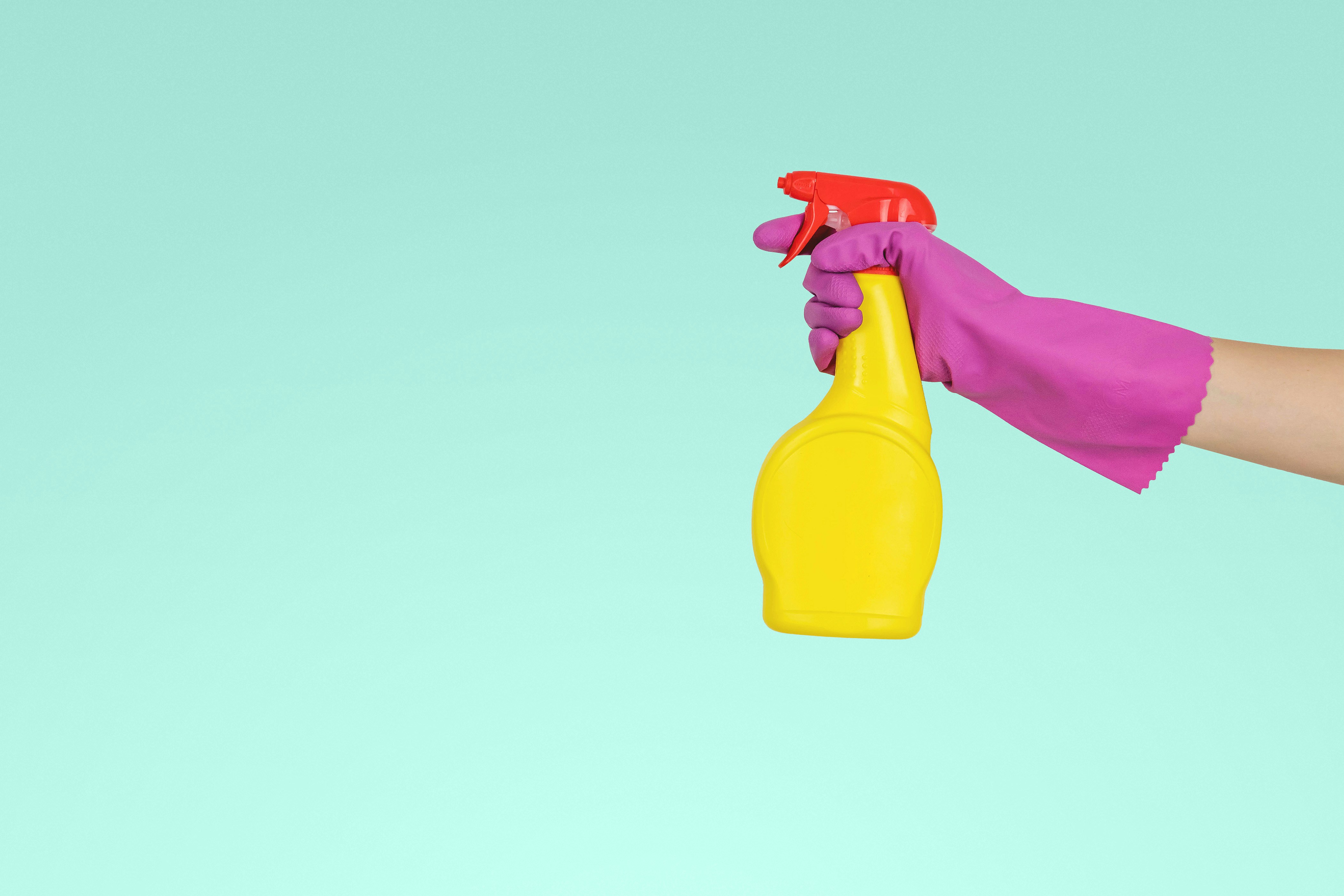
2. Spray Cleaning
Spray cleaning involves applying a cleaning solution directly to the surface through a spray system or specialised equipment.
It is useful for machinery, production components, large surfaces and industrial maintenance operations.
Key considerations: Spray pressure, droplet formation, ventilation and chemical exposure must be controlled. The method should be suitable for the chemical formulation and equipment being cleaned.
3. Immersion Cleaning
In immersion cleaning, components are placed inside a tank containing a prepared cleaning solution.
The chemical acts on the contamination while the components remain submerged for the specified contact period.
Industrial applications: This method is used for metal components, tools, machine parts and selected manufacturing equipment.
Key considerations: Tank material, solution temperature, chemical concentration, bath contamination and rinsing requirements should be monitored.
4. Clean-in-Place (CIP)
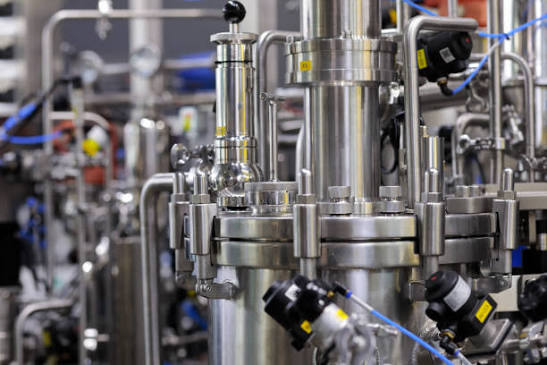
Clean-in-Place systems clean the internal surfaces of tanks, pipelines and processing equipment without requiring complete dismantling.
Cleaning solutions circulate through the equipment according to a defined cleaning sequence.
A typical CIP programme may involve:
Pre-rinsing to remove loose product residues.
Circulating a suitable detergent or alkaline cleaning solution.
Applying an acidic cleaning stage when required.
Rinsing to remove chemical residues.
Sanitising or disinfecting where required.
Final checks before returning equipment to production.
Industrial applications: CIP is widely used in food and beverage processing, dairy production, pharmaceutical manufacturing and other facilities with suitable process equipment.
5. Ultrasonic Cleaning
Ultrasonic cleaning uses high-frequency sound waves to create microscopic bubbles in a cleaning liquid. Their formation and collapse help remove contamination from component surfaces and difficult-to-reach areas.
Industrial applications: It is used for precision metal parts, tools, electronic components and selected mechanical assemblies.
Key considerations: Cleaning solution compatibility, component materials, operating temperature and equipment settings must be evaluated before use.
6. Foam Cleaning
Foam cleaning involves applying a formulated cleaning solution as foam to vertical or large surfaces. Foam helps the product remain in contact with the surface for the required period.
Industrial applications: It is commonly used in food processing areas, industrial floors, walls and equipment exteriors.
Key considerations: Foam should be applied according to the manufacturer's instructions, followed by appropriate rinsing where required.
How to Select the Right Industrial Cleaning Chemicals
Selecting an industrial cleaning product requires more than identifying the strongest available formulation. The chemical must effectively remove the contaminant without damaging the equipment or creating unnecessary safety and environmental risks.
Important selection factors include:
Type of contamination: Identify whether the target material is oil, grease, rust, scale, protein, adhesive or general dirt.
Surface material: Check whether the equipment is made of stainless steel, aluminium, carbon steel, plastic, rubber, glass or coated materials.
Cleaning method: Confirm whether the chemical is suitable for manual application, spraying, immersion, ultrasonic cleaning or CIP.
Chemical concentration: Follow the manufacturer's recommended dilution and operating conditions.
Temperature and contact time: Consider whether heating is required and how long the product should remain on the surface.
Rinsing requirements: Determine how chemical residues will be removed, particularly from food-contact and production equipment.
Worker safety: Review the Safety Data Sheet (SDS), exposure risks and required protective equipment.
Environmental requirements: Evaluate wastewater compatibility, disposal procedures and applicable environmental regulations.
Small-scale compatibility tests and supplier consultation can help determine whether a cleaning product is suitable before introducing it into a full industrial process.
Safety Practices for Handling Industrial Cleaning Chemicals
Industrial cleaning chemicals may contain corrosive, irritating, flammable or otherwise hazardous ingredients. Safe handling is essential for protecting workers, equipment and the surrounding environment.
Facilities should follow these practices:
Read Product Labels and Safety Data Sheets
Review the product label and current SDS before use. Pay attention to hazards, recommended protective equipment, first-aid measures, storage conditions and spill procedures.
Use Appropriate Personal Protective Equipment
Depending on the product, workers may require chemical-resistant gloves, protective eyewear, suitable clothing and respiratory protection.
Follow Correct Dilution Procedures
Always prepare cleaning solutions according to the manufacturer's instructions. Incorrect dilution can reduce cleaning effectiveness or increase exposure risks.
Avoid Mixing Incompatible Chemicals
Never mix cleaning chemicals unless the manufacturer specifically confirms that the combination is safe. For example, mixing acids with hypochlorite products can release toxic chlorine gas.
Ensure Suitable Ventilation
Provide appropriate ventilation when using products that release vapours, mists or aerosols. Additional controls may be necessary for enclosed or confined areas.
Store Chemicals Correctly
Keep chemicals in suitable labelled containers and segregate incompatible products. Storage areas should follow the temperature, ventilation and spill-control requirements specified by the supplier.
Improving Industrial Cleaning Efficiency
Industries can improve cleaning performance by developing standard operating procedures and selecting products according to specific cleaning requirements.
A well-managed cleaning programme should include:
Defined cleaning schedules for machinery and production areas.
Standard chemical dilution and application instructions.
Routine inspection of cleaning equipment.
Monitoring of cleaning solution condition and replacement intervals.
Verification of cleanliness before equipment returns to operation.
Proper collection and disposal of used cleaning solutions.
Facilities may also evaluate automated dosing systems and CIP technology to improve consistency, reduce manual handling and minimise unnecessary chemical consumption.
Selecting the Right Cleaning Strategy for Industrial Operations
Industrial cleaning chemicals are essential for maintaining equipment, removing difficult contaminants and supporting consistent production quality. Alkaline cleaners, acidic products, neutral detergents, solvents, degreasers and disinfectants each serve different purposes.
The most effective approach is to match the cleaning chemistry with the contaminant, surface material and application method. Combining appropriate product selection with correct dilution, safe handling, rinsing and routine performance checks can improve cleaning results and reduce equipment-related problems.
For industrial businesses, a structured cleaning programme is not simply a maintenance activity. It is an important part of operational efficiency, workplace safety and product quality.
https://dam.assets.ohio.gov/image/upload/epa.ohio.gov/Portals/41/training/partscleaningweb.pdf
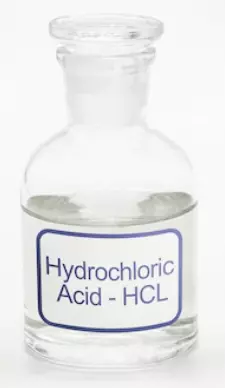
Hydrochloric Acid (33%) - India
Found this useful?