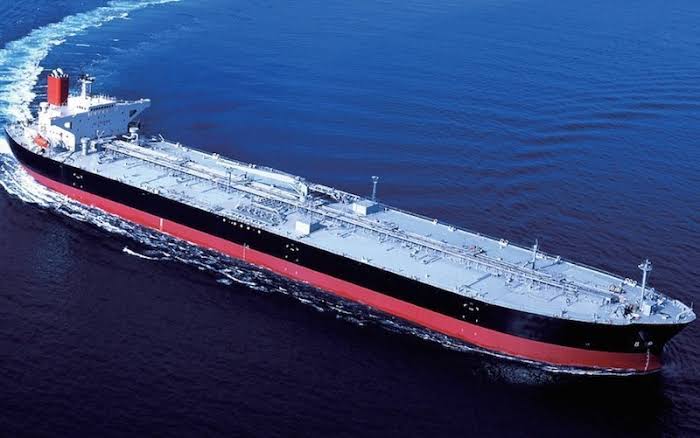
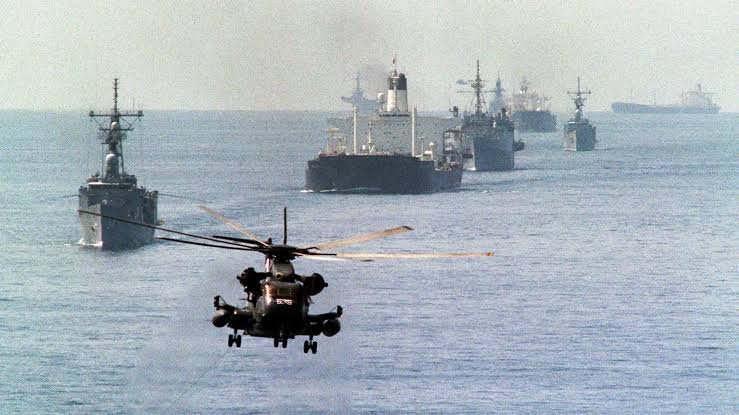
The Bab el-Mandeb Strait is one of the world's most strategically important maritime chokepoints, connecting the Red Sea to the Gulf of Aden and the Indian Ocean. Every year, thousands of cargo vessels carrying chemicals, food ingredients and agricultural commodities transit this narrow waterway en route between Asia, the Middle East and Europe.
If the strait were closed due to escalating regional conflict, vessels serving Red Sea ports would likely be forced to reroute around the Cape of Good Hope at the southern tip of Africa. This diversion would add approximately 2,700 miles (4,300 km) to many shipping routes, increasing freight costs, extending delivery times and creating new procurement challenges for food manufacturers worldwide.
Why Bab el-Mandeb Matters to Food Ingredient Trade
Many globally traded food ingredients originate in Asia before moving through the Indian Ocean and the Red Sea toward European, Middle Eastern and North African markets.
Products commonly transported along these routes include:
A prolonged disruption would affect both raw materials destined for manufacturers and finished food products moving toward international markets.
Longer Shipping Routes Mean Higher Logistics Costs
Rerouting around the Cape of Good Hope significantly increases voyage distances. Additional sailing time translates into higher fuel consumption, increased vessel operating costs and longer equipment utilization.
Importers may experience:
Higher ocean freight charges.
Longer lead times for imported ingredients.
Increased inventory carrying costs.
Greater exposure to shipment delays.
Reduced shipping schedule reliability.
For procurement teams operating with lean inventories, even a one- or two-week extension in transit time can disrupt production schedules and customer deliveries.
Container Availability Could Tighten
Extended voyages keep shipping containers and vessels in circulation for longer periods before they return to their origin ports.
This reduces equipment availability across major export hubs, particularly in Asia, where many food additives and specialty ingredients are manufactured.
As container supply tightens, businesses may face:
Equipment shortages during peak export seasons.
Higher container leasing costs.
Increased booking lead times.
Limited flexibility for urgent shipments.
These pressures can amplify freight rate increases even if overall cargo demand remains unchanged.
Energy Costs Add Further Pressure
Longer maritime routes require substantially more marine fuel. Rising bunker fuel consumption increases transportation expenses that are often passed through to importers via freight surcharges.
At the same time, elevated fuel costs can influence inland trucking, rail transport and warehousing operations after cargo reaches its destination. Combined, these factors raise the total landed cost of food ingredients and reduce procurement budget predictability.
Supply Chain Diversification Becomes More Important
A potential Bab el-Mandeb disruption highlights the importance of diversified sourcing strategies. Companies relying heavily on a single shipping corridor may experience greater operational risk than those with geographically diverse supplier networks.
Procurement teams can improve resilience by:
Qualifying suppliers in multiple regions.
Increasing visibility into supplier inventory levels.
Reviewing safety stock policies for critical ingredients.
Negotiating flexible delivery schedules.
Monitoring freight market developments alongside commodity prices.
Building supply chain flexibility before disruptions occur can help minimize production interruptions and reduce emergency purchasing costs.
The Procurement Perspective
While a closure of the Bab el-Mandeb Strait would primarily be a logistics event, its impact would quickly extend throughout the global food ingredient market. Longer transit times, higher freight expenses and reduced shipping capacity could influence procurement costs long before shortages emerge.
For food manufacturers and ingredient buyers, transportation has become as important as production capacity when evaluating supplier reliability. Monitoring geopolitical developments alongside freight markets enables procurement teams to respond proactively rather than react after costs have already increased.
Geopolitical Risk Extends Beyond Freight Costs
The impact of a Bab el-Mandeb closure would not be limited to longer shipping routes. Increased uncertainty along one of the world's busiest maritime corridors could prompt shipping companies to introduce war-risk premiums, revise sailing schedules and reduce the frequency of services through nearby regions. These measures would increase logistics costs even for cargoes that are ultimately delivered without delay.
For food ingredient buyers, higher transportation expenses often translate into increased landed costs for imported products. Ingredients with relatively low margins but high shipping volumes, such as starches, sweeteners and organic acids, are particularly sensitive to freight cost increases.
Europe relies heavily on imports of food ingredients and specialty chemicals from Asia. A significant portion of this trade typically passes through the Indian Ocean, Bab el-Mandeb Strait and the Suez Canal.
If vessels are diverted around southern Africa, European importers may experience:
Longer replenishment cycles for essential ingredients.
Higher import costs due to increased freight rates.
Reduced flexibility for just-in-time manufacturing.
Greater competition for available shipping capacity.
Manufacturers may need to increase safety stock levels to protect production schedules, tying up additional working capital.
Exporters in Asia May Also Feel the Pressure
Asian manufacturers supplying global food ingredient markets could face operational challenges as shipping schedules become less predictable.
Potential consequences include:
Delayed export departures.
Higher container repositioning costs.
Increased warehouse storage requirements.
Longer payment cycles due to extended transit times.
More frequent contract renegotiations with overseas buyers.
Suppliers with diversified logistics networks and access to multiple ports may be better positioned to maintain reliable deliveries during prolonged disruptions.
Freight Costs Influence More Than Transportation
Transportation costs affect nearly every stage of the food ingredient supply chain. Higher logistics expenses can increase the total cost of importing raw materials, packaging and finished products.
Businesses may also encounter:
Increased insurance premiums for cargo shipments.
Higher inventory financing costs as goods spend more time in transit.
Additional storage expenses while awaiting vessel availability.
More complex production planning because of uncertain delivery dates.
These indirect costs often have a greater long-term impact than the initial increase in ocean freight rates.
Procurement Teams Should Prepare for Supply Chain Volatility
Although the duration of any potential disruption remains uncertain, procurement professionals can strengthen resilience by planning ahead rather than reacting after freight markets tighten.
Practical strategies include:
Reviewing supplier dependence on Red Sea shipping routes.
Securing alternative suppliers in different geographic regions.
Increasing visibility into supplier inventory and production schedules.
Negotiating flexible delivery windows where possible.
Monitoring freight, fuel and insurance markets alongside commodity prices.
Organizations that actively manage logistics risk are generally better positioned to maintain production continuity during periods of geopolitical uncertainty.
The possibility of disruption at both the Strait of Hormuz and the Bab el-Mandeb Strait highlights the growing importance of geopolitical risk management in global procurement. As supply chains become increasingly interconnected, transportation reliability has become just as critical as manufacturing capacity and raw material availability.
For food ingredient buyers, resilience now depends on balancing competitive pricing with supplier diversification, logistics flexibility and proactive market monitoring. Companies that incorporate geopolitical intelligence into procurement planning will be better equipped to navigate future disruptions while maintaining stable supply for their operations.