A Spanish Mine Just Went 100% Renewable Diesel
A Spanish Mine Just Went 100% Renewable Diesel
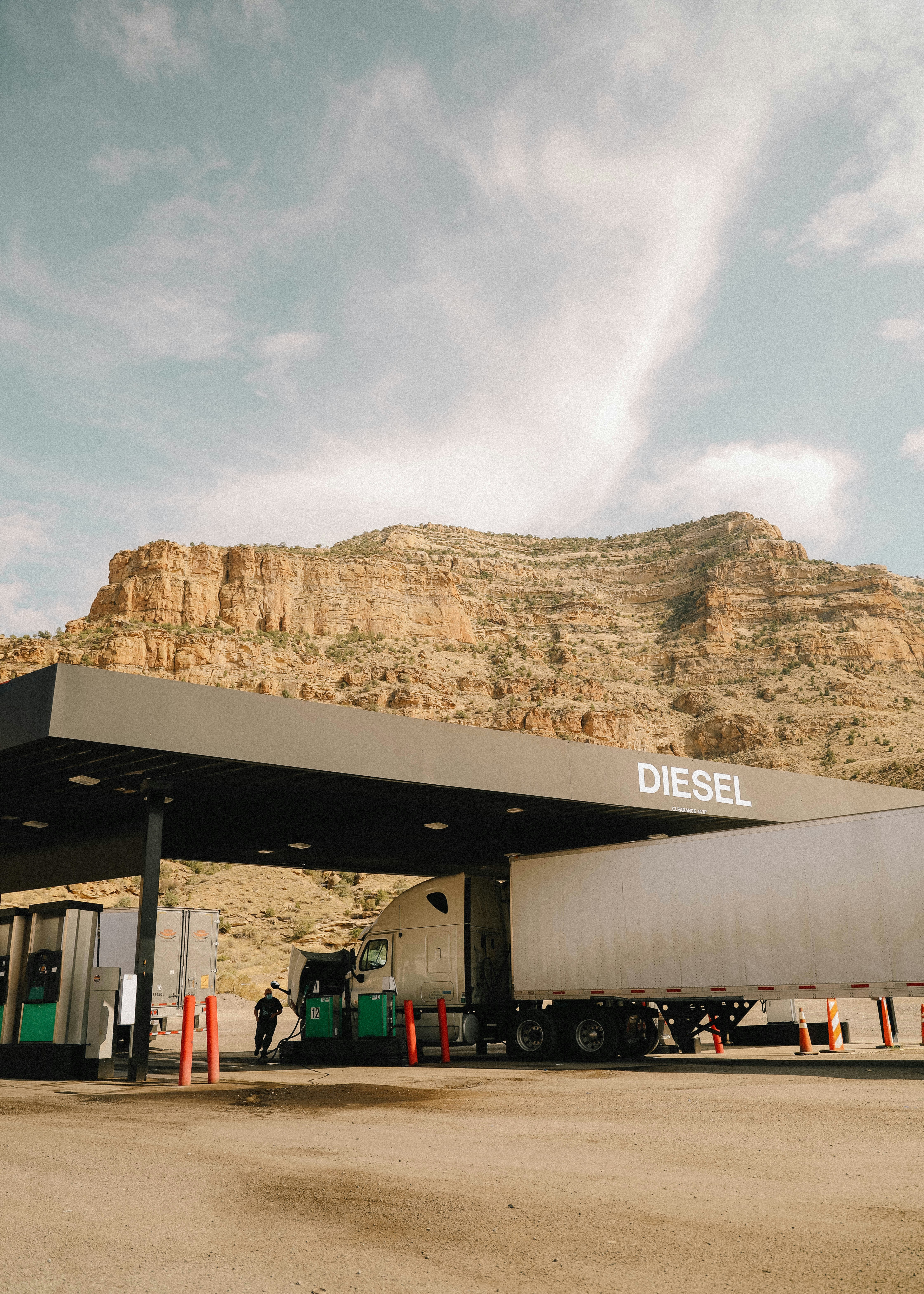
Spain is putting renewable diesel into one of its most energy-intensive industries. Moeve and Emerita Resources have signed what they describe as the first agreement in Spain to deploy 100% renewable diesel at industrial scale in the mining sector, with the fuel planned for heavy machinery and mineral-concentrate transport at the Iberian Belt West (IBW) mining project in Huelva.
The move is significant because mining depends heavily on diesel-powered trucks and heavy equipment that are difficult to electrify.
Huelva Mine Will Use 100% Renewable Diesel
The IBW project is located in Huelva province between Puebla de Guzmán and Paymogo and is being developed by Emerita Resources.
Under the agreement, Moeve will become the preferred supplier of renewable diesel for the project. The HVO will be used in heavy machinery during construction and operations, as well as in heavy-duty transportation of mineral concentrates.
The arrangement is being positioned as a practical decarbonization solution because mining equipment does not have to be completely redesigned or replaced.
That is one of the main advantages of HVO over longer-term electrification strategies: the fuel can be used in compatible existing diesel engines and distributed through conventional fuel infrastructure.
What Makes HVO Different From Conventional Diesel?
HVO is a renewable diesel produced from renewable feedstocks rather than crude oil.
Moeve describes the fuel being supplied to IBW as a second-generation biofuel, produced at its facilities in Palos de la Frontera, Huelva. The company says its 2G biofuel can deliver lifecycle CO₂ reductions of up to 90% compared with conventional diesel, depending on the feedstocks and production pathway.
Unlike biodiesel based on fatty-acid methyl esters, HVO is chemically closer to conventional diesel. This allows it to function as a drop-in fuel for many existing diesel applications.
That characteristic is particularly valuable in mining, where haul trucks, excavators, loaders and other heavy machines require large amounts of energy and operate under demanding conditions.
The Mine Could Avoid 2,600 Tonnes of CO₂ a Year
Moeve and Emerita estimate that replacing conventional diesel during the construction and operation of the IBW project could prevent approximately 2,600 tonnes of CO₂ emissions annually.
Moeve compares this reduction with the annual carbon absorption of approximately 170,000 trees. The company also says the avoided emissions correspond to the distance a truck could travel over roughly three million kilometres.
The figures are company estimates, so the actual emissions reduction will depend on the amount of HVO ultimately consumed and the lifecycle characteristics of the fuel supplied.
Nevertheless, the project demonstrates how renewable fuels can target emissions from sectors where direct electrification remains difficult.
Why Mining Is Turning to Renewable Diesel
Mining has a particularly difficult emissions profile.
Large equipment often needs to operate continuously, carry heavy loads and work far from established electricity infrastructure. Electrifying a mine can therefore require substantial investment in charging systems, grid connections, batteries and new equipment.
Renewable diesel provides another pathway.
Rather than waiting for every mining vehicle to become electric, operators can replace fossil diesel with a lower-lifecycle-carbon fuel while continuing to use much of their existing equipment.
This makes HVO particularly attractive for heavy-duty transport, mining, construction, agriculture and other applications where battery-electric solutions can be technically challenging.
Huelva Is Building a Renewable-Fuel Ecosystem
The IBW agreement is also notable because the fuel and mining operations are located within the same Spanish province.
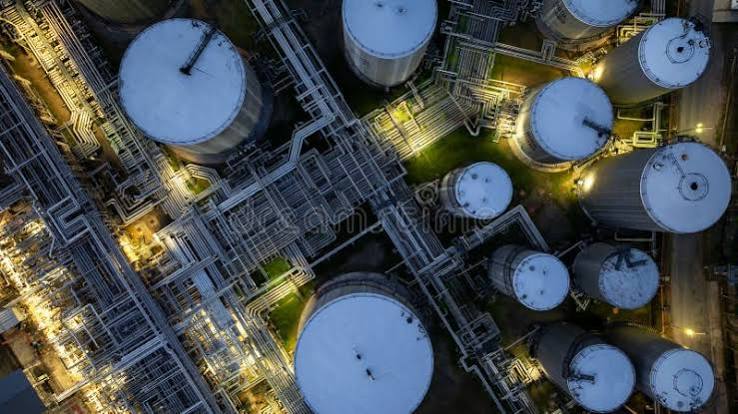
Moeve is developing a major second-generation biofuel complex in Huelva together with its partner Apical. The facility is designed for flexible production of approximately 500,000 tonnes per year of HVO and sustainable aviation fuel (SAF).
The project represents a cumulative investment of approximately €1.2 billion and is intended to become part of a larger renewable-fuels ecosystem around Moeve's La Rábida energy park in Palos de la Frontera.
Moeve says the new complex will use renewable hydrogen, renewable electricity, heat recovery and energy-efficiency systems. The company expects the facility to produce HVO 100 renewable diesel, SAF and biogas.
This creates an interesting local supply chain:
Renewable feedstocks → HVO production → mining machinery → mineral transport → mineral export
For Huelva, that links renewable-fuel manufacturing directly with heavy industry.
The Fuel Is Designed for Hard-to-Electrify Transport
Mining is not the only sector being targeted.
Moeve is developing its 2G biofuel platform around industries where electrification is more difficult, including heavy road transport, aviation and maritime transport.
The logic is straightforward. Batteries can work well for passenger cars and some commercial vehicles, but the weight, range requirements and operating cycles of heavy equipment can make full electrification much more complicated.
Renewable liquid fuels can therefore act as an interim or complementary technology.
For mines, this could mean reducing the carbon intensity of existing diesel fleets without waiting for the commercial availability of large-scale electric mining equipment.
Spain Is Expanding Renewable Diesel Production
The mining agreement comes as Spain's renewable-fuels industry is rapidly expanding.
Repsol started large-scale production at its second plant dedicated exclusively to 100% renewable fuels at its Puertollano industrial complex in May 2026. The facility has annual capacity of 200,000 tonnes and processes used cooking oil and other waste from the agri-food industry.
Repsol also operates a 250,000-tonne-per-year renewable-fuels facility in Cartagena, which it describes as the first large-scale plant of its kind on the Iberian Peninsula.
Together, these projects show that renewable diesel is moving beyond small demonstration programs and into larger industrial supply chains.
The Bigger Test Will Be Scaling Renewable Fuel Across Mining
The IBW agreement is important because mining consumes fuel on a very different scale from ordinary road transport.
A successful deployment will depend on reliable fuel availability, logistics, equipment compatibility and the economics of HVO compared with conventional diesel.
There is also the question of feedstock sustainability. Second-generation fuels based on waste and residue feedstocks can avoid some of the land-use concerns associated with conventional crop-based biofuels, but available sustainable feedstocks are still limited.
Moeve's strategy is therefore built around expanding 2G production while developing local industrial demand.
The company says its new Huelva complex is intended to help it reach 2.5 million tonnes per year of 2G biofuel production by 2030.
If projects such as IBW can demonstrate that renewable diesel can operate reliably in heavy mining equipment at scale, the model could become relevant to other mines across Europe.
For an industry that cannot easily electrify its largest machines, the next step toward lower emissions may not be a new truck — it may simply be a different fuel.
Sources:

Alkyd Resin - Long Oil
Found this useful?