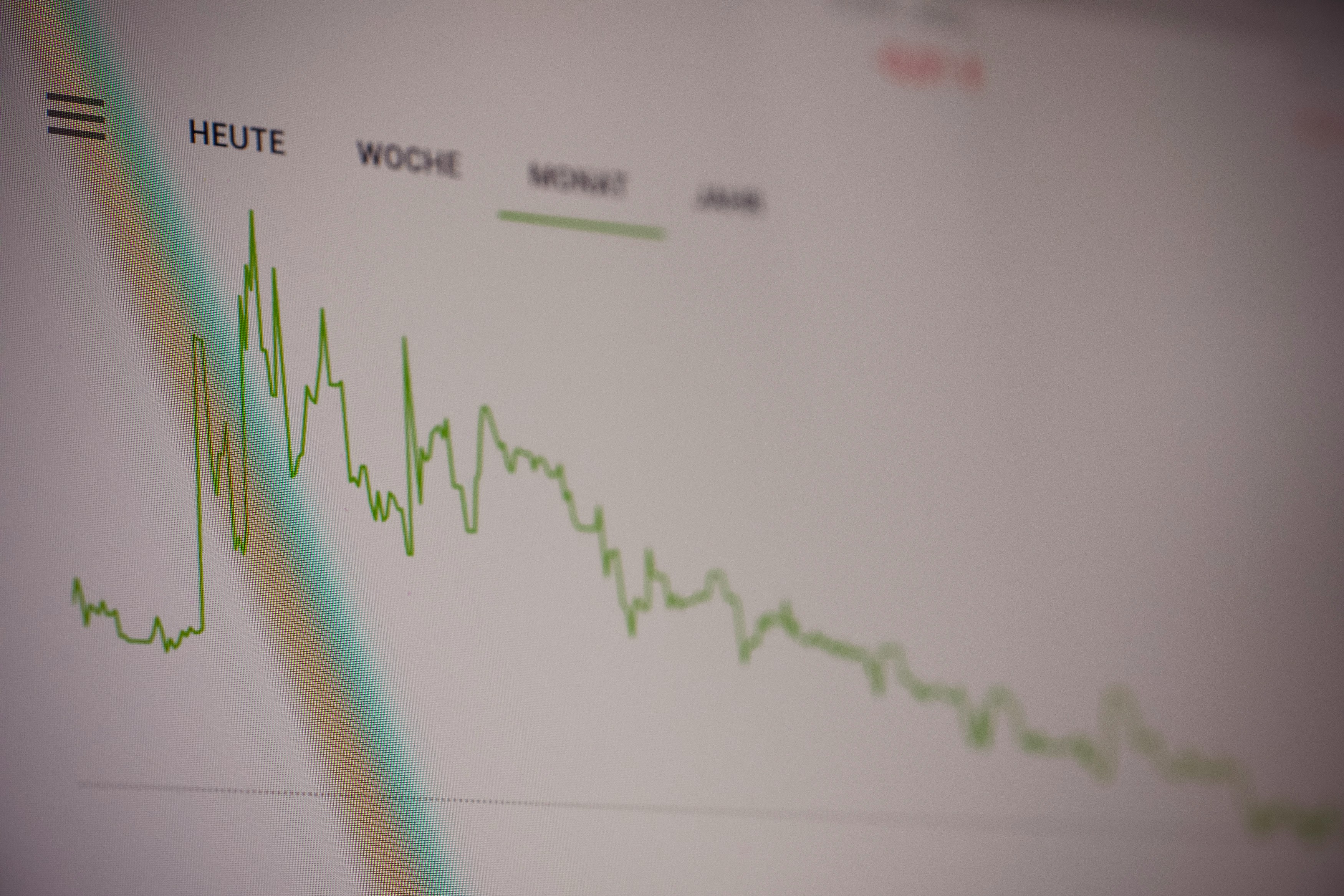
Acetic Acid Price Trends: Global Market Outlook and Production Costs
Acetic Acid Price Trends: Global Market Outlook and Production Costs
Global Market Outlook
Acetic acid price trend 2026 forecast shows globally average advanced from 462 dollars per MT in Q1 to 482 dollars per MT in Q2, a 4.3% gain following sharper 12.8% jump in Q4 2025. For H2 2026, global average of 462 to 542 dollars per MT expected, with continued support from vinyl acetate monomer demand and firm methanol feedstock costs.
Acetic acid prices across China and USA FOB markets expected to trend strongly bearish during Q3 2026, as prices correct sharply from recent peak highs back towards normalized levels, pressured by softer methanol feedstock costs, expanding production capacities, and comfortable supply availability. In Q2 2026, global acetic acid price index recorded steep gains across major producing and importing markets, rooted in tight supply.
Market size 2026 at 15.10 billion dollars. Rising raw material and energy costs are pushing acetyl value chain's largest global producer to implement successive price increases across full product portfolio through 2026, pattern that shapes how downstream buyers plan procurement. On 10 February 2026, Celanese Corporation announced price increases for acetic acid, vinyl acetate monomer, and their derivatives across Western Hemisphere, effective immediately or as existing contracts allow.
Global market projected to reach 20.48 million tons by 2026, steady growth trajectory expected with CAGR of 4.58% forecast from 2026 to 2031. Global acetic acid market experiencing significant growth, with projected CAGR of 4.5% from 2023 to 2030, reaching approximately 10.8 billion by 2030.
Demand from PTA, VAM, adhesives, and packaging industries expected to remain strong, especially in Asia-Pacific. Acetic acid price forecast suggests moderately stable market outlook in 2026, supported by steady industrial demand and ongoing growth in downstream sectors.
Production Costs – Methanol Feedstock Central
Methanol is main feedstock for acetic acid, reacting with carbon monoxide in dominant carbonylation route, so its price moves feed quickly into producer margins. That linkage explains why acetic acid price moves with methanol cost, freight disruption, and China supply, not randomly.
Acetic acid markets firmed through September 2026, with benchmark prices in India and China gaining between 9% and 13% over four weeks. Acetic acid CFR India opened September at 0.594 dollars and moved to 0.642 by September 11, before settling at 0.650 on September 18 and 25, a monthly gain of about 9%.
Methanol price trend during Q2 2026 showed mixed but generally strong upward movement across global markets. Prices increased significantly in Asia, Middle East, and North America, while several European markets remained relatively stable. India recorded highest quarterly increase among markets covered, followed by Saudi Arabia and United States. Global methanol market recorded sharp increase during second quarter 2026, with prices rising across major markets. United States registered 54.84% quarter-over-quarter increase, while Japan recorded 55.23% rise.
In USA, acetic acid price index rose by 67.8% quarter-over-quarter in Q2 2026, driven by tight availability. Average price for quarter approximately 840.67 dollars per MT via FOB Texas. Production cost trend reflected higher methanol and energy costs, narrowing domestic producer margins.
Acetic acid China FOB at 465.79 dollars per MT August 2026. Global acetic acid prices in Q2 2026 were mixed, pressured by oversupply in some markets while supported by tighter availability and downstream demand in others. Feedstock methanol volatility and plant operating rates shaped cost structures, with outages and ramp-ups causing short-cycle swings rather than long-term trends.
Current supply and demand forces shaping market in 2026, with factors such as production capacity, trade policies, and environmental regulations influencing market. Main challenges include high cost of production, regulatory factors, and supply chain disruptions. Environmental regulations stricter emissions controls increase production costs for manufacturers.
Sharpest single move in case study came between February and March 2026, when Middle East tensions and disruption near Strait of Hormuz pushed up freight and methanol costs simultaneously. Acetic acid price in India rose roughly in line with methanol and freight.

Regional Market Movements
China
China FOB at 465.79 dollars per MT August 2026, close to global average of 462 to 542 dollars. China dominates both supply and demand, holding significant portion of global capacity. Regional pricing disparities primarily driven by feedstock costs especially methanol, production capacity, and demand variations. Northeast Asia acetic acid prices reached 0.44 dollars per kg in March 2026, upward pricing movement registered between December and March 2026 was 15.8% due to rising upstream methanol and carbon monoxide feedstock costs at regional production facilities.
United States
USA FOB Texas average 840.67 dollars per MT Q2 2026, up 67.8% quarter-over-quarter, driven by tight availability and higher methanol and energy costs. US benefits from cheap natural gas for methanol production, but tight supply and low inventories limited correction. Global average 745 dollars per MT in Q1 to 711 in Q2 for ethylene shows similar feedstock linkage, but acetic acid saw opposite trend due to VAM demand.
India And Europe
India CFR at 0.650 dollars September 2026, up 9% monthly, reflecting import dependency and freight costs. Northeast Asia at 0.52 dollars per kg up 6.1%, showing regional firming. Europe at 434 dollars MT for methanol down 18.97% after conflict premium unwound, but acetic acid remained supported by Celanese price increases across Western Hemisphere effective February 2026.
Asia Pacific Demand
Demand from PTA, VAM, adhesives, packaging industries strong especially in Asia-Pacific. Vinyl acetate monomer demand and firm methanol feedstock costs support pricing. Acetic acid price index steep gains in Q2 2026 across major markets rooted in tight supply and downstream VAM demand.
Impact On Specialty Chemicals And Food-Grade
Acetic acid is used in production of acetate solvents like ethyl acetate and butyl acetate, which saw price index increases of 23.06% for ethyl acetate and 35.55% for acetic acid in APAC during Q2 2026 due to higher acetic acid, methanol, benzene, and energy costs. Those acetate solvents used in food packaging and extraction.
For food-grade minerals, acetic acid not directly used, but its feedstock methanol price volatility affects energy and logistics costs. Higher acetic acid costs increase costs for cellulose acetate used in filtration and packaging.
Acetic acid production cost trend reflected higher methanol and energy costs, narrowing domestic producer margins. That margin pressure leads producers to implement successive price increases, similar to titanium dioxide market where 600,000 tonnes capacity closed and price increases announced for Q2 Q3 2026 implemented due to tight supply.
Pricing Outlook And Buyer Strategies
For H2 2026, global average of 462 to 542 dollars per MT expected, with continued support from VAM demand and firm methanol feedstock costs. That band suggests moderate stability after volatile Q2 gains of 4.3% globally and 67.8% in US.
Acetic acid price forecasts market foresight Q3 2026 expects strongly bearish trend across China and USA FOB markets as prices correct sharply from recent peak highs back towards normalized levels, pressured by softer methanol feedstock costs, expanding production capacities, and comfortable supply availability.
Practical strategies include tracking methanol prices as leading indicator, monitoring VAM and PTA demand, and separating raw material trend from conversion trend. Build tiered budgets with base, pressure, and disruption cases. Require landed-cost comparison not ex-works only, as freight and fuel surcharges have become revenue lever for carriers, with LTL rate per pound index expected to reach 82.5% above January 2018 baseline.
Focus on four decision signals: input trend, lead-time movement, supplier capacity discipline, and compliance friction. When three move same direction for 6 to 8 weeks, probability of sustained price pressure rises. Suppliers mentioning allocation, maintenance shutdowns, packaging shortages, or shortened quotation validity from 30 days to 7 days signal uncertainty.
Acetic acid price moves with methanol cost, freight disruption, and China supply, not randomly. Understanding those drivers using real 2025-26 price swing as worked example helps buyers read any future movement same way.
Sources:
Acetic Acid Price Trend 2026 Forecast – ExpertMarketResearch – global average 462 Q1 to 482 Q2 4.3% gain – H2 2026 global average 462-542 VAM demand methanol cost support – https://expertmarketresearch.com
Acetic Price Trend Analysis Pricing Forecast Q3 2026 – Price-Watch – prices across China USA FOB expected strongly bearish Q3 2026 as prices correct from peak highs – https://price-watch.ai
Acetic Acid Prices Climb on Methanol Costs and Tight Supply – AlchemPro – markets firmed through September 2026 – India China gaining 9% to 13% – methanol main feedstock – https://alchempro.com
2-Ethylhexyl Acrylate
Found this useful?