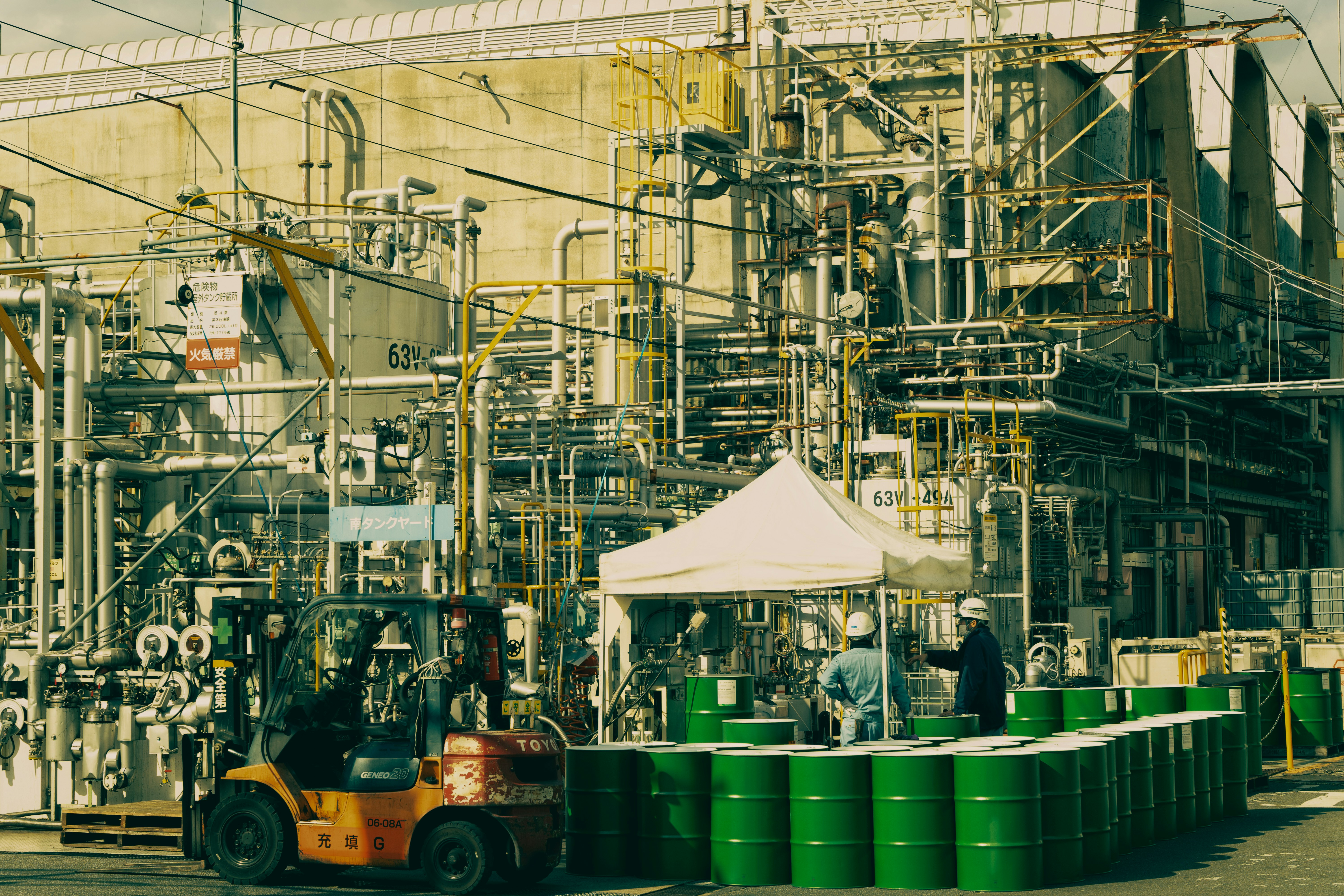
Active Pharmaceutical Ingredients: Production and Market Trends
Active Pharmaceutical Ingredients (APIs) are the essential components responsible for the therapeutic effects of medicines. They form the foundation of pharmaceutical manufacturing, influencing product quality, treatment effectiveness and the reliability of medicine supply chains. From antibiotics and pain relievers to cardiovascular and diabetes medications, APIs serve a critical role across different therapeutic categories.
The production of active pharmaceutical ingredients involves specialised chemical, biological and purification processes. Manufacturers must maintain strict quality controls throughout production to meet pharmaceutical standards and regulatory expectations. As global demand for medicines evolves, API manufacturing continues to experience changes in production technology, regulatory oversight, supply chain management and sourcing strategies.
For pharmaceutical manufacturers and industry professionals, understanding API production and market trends provides valuable insight into the factors shaping the global pharmaceutical sector.
What Are Active Pharmaceutical Ingredients?
Active Pharmaceutical Ingredients are the substances in pharmaceutical products that produce the intended pharmacological activity. They interact with biological systems to deliver the therapeutic effect associated with a medicine.
A finished pharmaceutical product typically combines an API with suitable excipients. While the API provides the therapeutic function, excipients support formulation, stability, manufacturing and administration.
For example, a tablet containing a pain-relieving API may also include fillers, binders and disintegrants to achieve the required physical properties.
Types of Active Pharmaceutical Ingredients
APIs can be broadly classified according to their origin and manufacturing approach.
Synthetic APIs: Manufacturers produce these ingredients through controlled chemical processes. They represent an important category in conventional pharmaceutical manufacturing.
Biological APIs: These originate from biological sources or processes involving living cells, microorganisms or biological systems.
Semi-synthetic APIs: Manufacturers produce these materials by chemically modifying naturally derived compounds.
High-potency APIs: These have strong biological activity at relatively low concentrations and require specialised manufacturing controls to manage occupational exposure risks.
Each category has different production requirements, quality considerations and regulatory expectations.
How Are Active Pharmaceutical Ingredients Produced?
API manufacturing involves multiple stages designed to achieve the required chemical identity, purity and quality characteristics. The exact production approach depends on the molecule, its properties and the manufacturing technology involved.
Chemical Synthesis
Chemical synthesis is a widely used approach for producing many conventional APIs. It involves controlled chemical transformations that convert starting materials into the required active substance.
Manufacturers evaluate process consistency, raw material quality and impurity profiles throughout production. Process development also focuses on achieving reproducible results while maintaining appropriate quality and environmental controls.
Biological Manufacturing
Biological APIs require manufacturing systems that use biological materials or processes.
Depending on the product, production may involve cell-based systems, microbial processes or other biotechnology platforms. These operations require specialised facilities and carefully controlled conditions to maintain product quality.
Purification and Quality Control
After production, manufacturers apply suitable purification and processing operations to achieve the required material specifications.
Quality control teams evaluate important characteristics such as:
Chemical identity and composition.
Purity and impurity profiles.
Residual solvents and other relevant contaminants.
Physical properties and material consistency.
Stability under specified storage conditions.
Manufacturers must document production and testing activities to demonstrate that each batch meets its approved specifications.
Global API Market and Industry Developments
The global API sector serves pharmaceutical manufacturers across established and emerging markets. Demand comes from different therapeutic areas, including cardiovascular medicine, oncology, infectious disease treatment and chronic disease management.
Several developments influence the direction of the industry.
Growing Demand for Generic Medicines
Generic medicines contribute significantly to pharmaceutical consumption in many markets. As manufacturers develop and supply generic alternatives, they require dependable access to APIs that meet the relevant quality and regulatory requirements.
This creates demand for manufacturers capable of maintaining consistent production standards and reliable supply arrangements.
Expansion of Biotechnology
Biotechnology continues to influence API development and manufacturing. Biological products require specialised production capabilities, analytical testing and quality management systems.
The growth of complex therapies has encouraged pharmaceutical companies to strengthen their technical capabilities and manufacturing infrastructure.
Greater Focus on Manufacturing Resilience
Pharmaceutical companies increasingly evaluate supply chain reliability alongside production costs. Dependence on limited manufacturing sources can create challenges when disruptions affect raw material availability or manufacturing capacity.
As a result, manufacturers are paying greater attention to supplier qualification, geographical diversification and business continuity planning.
Regional Manufacturing Developments
API manufacturing capacity is distributed across several major pharmaceutical-producing regions.
India: The country has an established pharmaceutical manufacturing sector with significant capabilities in generic medicines and API production.
China: China plays an important role in global pharmaceutical chemical manufacturing and the supply of materials used throughout pharmaceutical production.
Europe: European manufacturers operate within established pharmaceutical regulatory frameworks and maintain capabilities in specialised pharmaceutical manufacturing.
United States: The US pharmaceutical sector supports API development, advanced manufacturing research and domestic production initiatives.
Regional differences in manufacturing costs, infrastructure, technology and regulatory requirements influence how the global API industry develops.
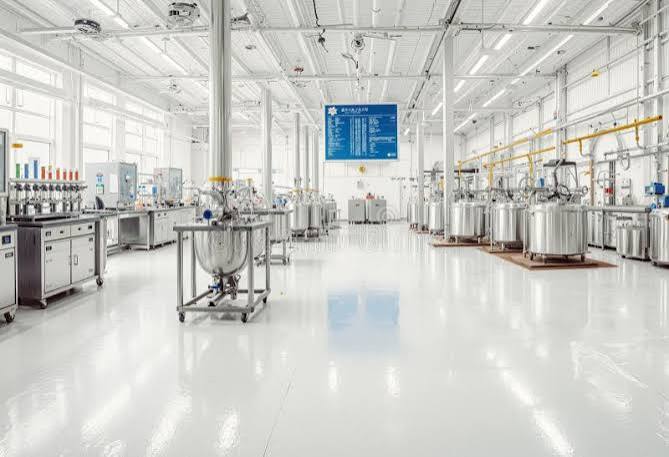
Quality Standards and Regulatory Requirements
API manufacturing operates under strict quality management requirements because the characteristics of an active ingredient directly influence the quality of the finished pharmaceutical product.
Regulatory authorities establish frameworks to ensure that manufacturers maintain appropriate controls throughout production, testing, packaging and distribution.
Good Manufacturing Practices
Good Manufacturing Practices (GMP) provide a framework for maintaining consistent manufacturing quality.
The International Council for Harmonisation (ICH) Q7 guideline specifically addresses GMP requirements for active pharmaceutical ingredients. It covers quality management, personnel responsibilities, manufacturing operations, documentation, laboratory controls and material handling.
FDA+1
Important elements include:
Documented manufacturing procedures and quality responsibilities.
Appropriate facility and equipment controls.
Batch records and material traceability.
Laboratory testing and quality assessment.
Investigation of deviations and out-of-specification results.
Appropriate storage and distribution controls.
These practices help manufacturers maintain consistent quality across production batches.
Regulatory Oversight
Different countries maintain their own pharmaceutical regulatory systems.
For example, the US Food and Drug Administration (FDA) oversees pharmaceutical manufacturing requirements in the United States. The European Medicines Agency (EMA) supports pharmaceutical regulatory processes across the European Union.
International guidelines help promote greater consistency in pharmaceutical quality expectations across markets.
Emerging Technologies in API Manufacturing
Technological developments are changing how pharmaceutical manufacturers approach production efficiency, quality management and process consistency.
Continuous Manufacturing
Traditional pharmaceutical production often uses batch-based manufacturing. Continuous manufacturing connects multiple production operations into an integrated process.
This approach can support improved process monitoring, consistent production and more efficient use of manufacturing resources.
ICH Q13 provides scientific and regulatory guidance for continuous manufacturing of drug substances and drug products.
Automation and Digital Monitoring
Digital technologies are becoming increasingly important in pharmaceutical production environments.
Manufacturers use automated monitoring systems and digital manufacturing records to improve process visibility and documentation.
These technologies can support:
More consistent process monitoring.
Improved manufacturing documentation.
Faster identification of process deviations.
Better equipment performance tracking.
More organised quality management activities.
Advanced Analytical Technologies
Modern analytical technologies support the evaluation of API identity, purity and physical characteristics.
Improved analytical capabilities can help pharmaceutical manufacturers understand material behaviour and maintain appropriate quality standards throughout production.
Major Challenges Facing the Global API Industry
Despite technological developments, API manufacturers continue to face several operational and market-related challenges.
Raw Material Availability
API production depends on the availability and consistent quality of starting materials and other manufacturing inputs.
Disruptions affecting chemical production, transportation or international trade can create difficulties for pharmaceutical manufacturers.
Regulatory Complexity
Manufacturers operating across multiple markets must understand different regulatory requirements and documentation expectations.
Maintaining consistent quality systems while meeting regional requirements can increase operational complexity.
Environmental Sustainability
Pharmaceutical manufacturing can involve significant energy consumption, water usage and chemical waste generation.
Manufacturers increasingly consider environmental management, resource efficiency and waste reduction as part of their production strategies.
Production Costs and Competition
API manufacturers operate in a competitive environment influenced by energy costs, labour, technology investment and regulatory compliance.
Companies must balance manufacturing efficiency with the resources required to maintain pharmaceutical quality standards.
Sustainability and the Future of API Production
Environmental responsibility is becoming an increasingly important consideration in pharmaceutical manufacturing. API production can involve complex chemical processes and resource-intensive operations, making efficient manufacturing practices important for long-term industry development.
Manufacturers are exploring different approaches to improve environmental performance.
Waste reduction: Better process management can help reduce unnecessary material consumption and manufacturing waste.
Energy efficiency: Modern equipment and improved facility management can support more efficient energy use.
Water management: Appropriate water treatment and reuse systems can help reduce freshwater consumption.
Cleaner manufacturing: Process improvements can support more efficient resource utilisation and reduce environmental impact.
Sustainability initiatives must operate alongside pharmaceutical quality and regulatory requirements. Environmental improvements cannot compromise the identity, purity or quality of pharmaceutical ingredients.
What Lies Ahead for the API Industry?
Several developments are likely to influence the pharmaceutical API sector in the coming years:
Advanced manufacturing: Greater interest in continuous manufacturing and automated production systems.
Biotechnology expansion: Continued development of biological products and specialised manufacturing capabilities.
Supply chain diversification: Greater attention to manufacturing resilience and geographical distribution.
Digital transformation: Wider use of digital monitoring, automation and data-driven quality management.
Environmental responsibility: Increased emphasis on resource efficiency and sustainable manufacturing practices.
These developments highlight how the API industry is evolving beyond conventional production methods towards more integrated and technology-driven manufacturing environments.
Key Industry Considerations for the Years Ahead
The future of active pharmaceutical ingredients will depend on the industry's ability to combine manufacturing innovation, consistent quality management and reliable supply chain operations.
Chemical synthesis and biological manufacturing will continue to serve different pharmaceutical requirements. At the same time, continuous manufacturing, advanced analytical technologies and digital monitoring will influence how companies manage production activities.
For pharmaceutical manufacturers, understanding these developments is important when evaluating industry performance and planning future manufacturing capabilities. Regulatory compliance, technological investment and environmental responsibility will remain central to the industry's long-term development.
The global API sector will continue to play an essential role in pharmaceutical innovation and medicine production. Its development will influence manufacturing capabilities, industry competitiveness and the availability of essential pharmaceutical products.
Explore more pharmaceutical manufacturing insights, industry developments and chemical market trends on ChemicalsBlog.
Methanol
Found this useful?