Adipic Acid: Uses in Nylon Production and Industrial Manufacturing
Adipic acid plays a central role in modern industrial manufacturing, particularly in the production of nylon 6,6, a high-performance polymer used across automotive, textile and engineering applications. Its importance extends beyond synthetic fibers, as manufacturers also rely on this versatile chemical to produce polyurethane materials, plasticizers, polyester resins and specialty industrial compounds.
For procurement managers and chemical traders, understanding adipic acid uses provides valuable insight into downstream demand, raw material requirements and supply chain relationships. As industries seek materials that combine durability, flexibility and performance, adipic acid continues to support a broad range of manufacturing operations.
What Is Adipic Acid and Why Does Industry Need It?
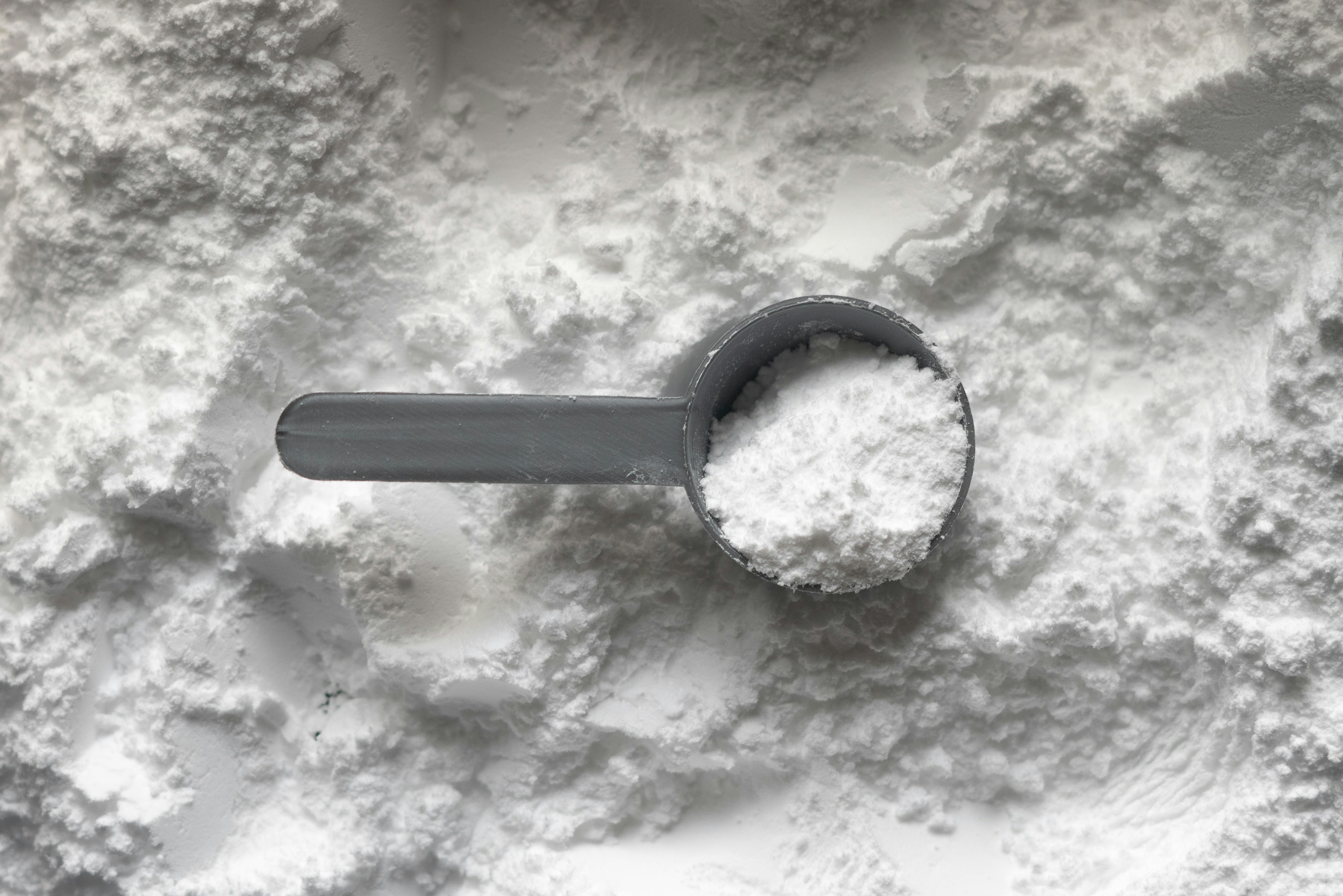
Adipic acid, also known as hexanedioic acid, is an organic dicarboxylic acid with the molecular formula C₆H₁₀O₄. It appears as a white crystalline solid and serves as an important chemical intermediate in polymer manufacturing.
Its molecular structure contains two carboxyl groups, allowing it to react with other compounds and form different industrial materials. This chemical functionality makes adipic acid particularly useful in polymerization processes where manufacturers need consistent material properties and predictable production performance.
Commercial production generally involves the oxidation of cyclohexane to form cyclohexanol and cyclohexanone, followed by further oxidation to produce adipic acid. Manufacturers then purify and process the resulting material to meet the specifications required by downstream industries.
The chemical's industrial value comes from its ability to support the production of materials with properties such as:
Mechanical strength and durability in engineering plastics.
Flexibility and resilience in synthetic fibers.
Improved performance in polyurethane formulations.
Functional properties in plasticizers, coatings and specialty esters.
These characteristics make adipic acid a strategically important intermediate for multiple manufacturing sectors.
Nylon 6,6 Production Drives Adipic Acid Consumption
Nylon 6,6 represents the most significant application of adipic acid. Manufacturers combine adipic acid with hexamethylenediamine to produce nylon 6,6, a polyamide valued for its strength, abrasion resistance and thermal stability.
The polymer serves two major markets: nylon fibers and nylon engineering resins.
Nylon fibers and technical textiles
Nylon 6,6 fibers offer high tensile strength and resistance to repeated mechanical stress. Manufacturers use these properties to develop materials for demanding industrial and commercial applications.
Important end uses include:
Automotive textiles: Tire cord, reinforcement materials and other components that require strength and resistance to wear.
Carpets and floor coverings: Durable fibers that withstand repeated friction and maintain their performance over time.
Industrial fabrics: Conveyor belts, filtration materials, ropes and technical textiles.
Apparel: Clothing components that require durability, flexibility and resistance to abrasion.
Engineering plastics and molded components
Nylon 6,6 resins support manufacturing applications where mechanical performance and dimensional stability matter. Industrial processors convert these resins into molded components for machinery, electrical equipment and automotive systems.
Demand from these sectors directly influences adipic acid consumption. Changes in vehicle production, industrial investment and technical textile output can therefore affect purchasing requirements across the adipic acid supply chain.
Adipic Acid in Polyurethane and Advanced Polymer Manufacturing
Beyond nylon production, adipic acid contributes to the manufacture of polyester polyols, which serve as important building blocks for polyurethane materials.
Polyester polyols react with other chemical components to create polyurethane systems with specific physical and functional properties. Manufacturers can adjust formulations to achieve different levels of flexibility, resilience and durability.
Flexible polyurethane foams
Flexible polyurethane foams appear in products that require cushioning and comfort. Adipic acid-derived polyester polyols help manufacturers formulate materials for:
Furniture cushioning and upholstered seating.
Automotive interior components.
Mattresses and bedding materials.
Industrial cushioning and packaging applications.
Coatings, adhesives, sealants and elastomers
Polyurethane systems also support the CASE sector, which includes coatings, adhesives, sealants and elastomers.
Adipic acid-derived intermediates contribute to formulations used in protective coatings, bonding materials and flexible industrial components. Their performance depends on formulation design, processing conditions and the properties required by the final application.
Thermoplastic polyurethane
Certain polyester polyols derived from adipic acid support the production of thermoplastic polyurethane (TPU). TPU combines flexibility with resistance to abrasion, making it suitable for industrial components, footwear materials and selected automotive applications.
These applications broaden adipic acid demand beyond traditional nylon markets and connect the chemical to specialty polymer manufacturing.
Plasticizers, Lubricants and Specialty Chemical Applications
Adipic acid also serves as a starting material for adipate esters. These compounds have commercial value in applications where manufacturers need flexibility, lubrication or specific functional properties.
Adipate plasticizers
Adipate-based plasticizers help improve flexibility in selected polymer formulations. Manufacturers use these compounds in applications where material performance at lower temperatures or flexibility requirements influence product design.
Their use depends on compatibility with the polymer, the operating environment and the required finished-product characteristics.
Synthetic lubricants and lubricant additives
Adipic acid-derived esters can support lubricant formulations for industrial applications. These materials contribute to lubrication performance and help formulators develop products suited to particular operating conditions.
Specialty ester applications also include cooling fluids and other industrial formulations where manufacturers require tailored chemical properties.
Resins, coatings and adhesives
Adipic acid can participate in the manufacture of polyester and alkyd resin systems. These resins support coatings and related industrial materials that require specific durability, adhesion and processing characteristics.
For buyers, these downstream applications create additional demand channels that extend beyond the major nylon producers.
Industrial Manufacturing Applications Beyond Polymers
Adipic acid's versatility allows it to serve several additional industries, although these applications generally represent smaller markets than nylon 6,6.
Chemical intermediates: Manufacturers use adipic acid as a feedstock for specialty esters and other chemical derivatives. These intermediates support further production across different industrial sectors.
Agrochemical and pharmaceutical manufacturing: Adipic acid can serve as a chemical intermediate in selected synthesis pathways. Its role depends on the target compound and the production process.
Food applications: Under appropriate food-grade specifications and regulatory requirements, adipic acid can function as an acidulant, buffering agent or acidity regulator in certain food formulations.
Cleaning and specialty formulations: Adipic acid and its derivatives can contribute to selected formulation processes, including applications that require controlled acidity or particular chemical properties.
Polyester resins: Manufacturers use adipic acid in polyester formulations where flexibility and specific material characteristics support the desired end product.
This range of applications demonstrates how adipic acid connects commodity chemical production with specialized industrial markets.
Global Supply Chain and Procurement Considerations
Adipic acid procurement requires buyers to consider both upstream chemical markets and downstream manufacturing demand. Production costs, plant operating rates and logistics conditions can influence supply availability and purchasing strategies.
Key factors affecting availability and pricing
Feedstock costs: Cyclohexane and other upstream inputs influence production economics. Changes in energy and petrochemical markets can affect manufacturing costs.
Production capacity: Plant maintenance, operational disruptions and capacity changes can affect regional availability and supply continuity.
Nylon industry demand: Nylon 6,6 producers represent a major source of consumption. Changes in automotive, textile and engineering plastics output influence market demand.
Freight and logistics: Shipping costs, port congestion, container availability and delivery schedules affect landed costs for international buyers.
Regional trade flows: Export availability and supplier concentration influence sourcing flexibility across markets.
What buyers should evaluate when sourcing adipic acid
Procurement teams should assess more than the quoted price per metric ton. A structured sourcing approach helps align product quality, supplier reliability and commercial terms.
Important considerations include:
Product specifications: Confirm purity, moisture content, appearance and other parameters required by the manufacturing process.
Supplier consistency: Evaluate the supplier's ability to maintain quality across repeat orders and production batches.
Packaging requirements: Check packaging formats, moisture protection and handling suitability for the intended storage environment.
Lead times: Confirm production schedules, dispatch timelines and estimated transit periods before placing orders.
Commercial terms: Review minimum order quantities, payment conditions, shipping arrangements and pricing structures.
Documentation: Request relevant technical data sheets, safety data sheets, certificates of analysis and applicable shipping documentation.
Buyers should also consider the cost of supply interruptions. For continuous manufacturing operations, reliable delivery and consistent product specifications can carry significant commercial value.
Sustainability and Changing Manufacturing Priorities
The chemical industry faces increasing pressure to improve resource efficiency and reduce environmental impacts. Adipic acid production presents opportunities for process improvements, particularly through energy efficiency, emissions management and alternative production technologies.
Conventional production routes can generate nitrous oxide emissions during nitric acid oxidation. Manufacturers therefore continue to evaluate technologies that reduce emissions, improve process efficiency and support environmental performance objectives.
Several developments are relevant to the industry's longer-term direction:
Emissions reduction: Process optimization and emissions-control technologies can help manufacturers manage production-related greenhouse gas emissions.
Alternative feedstocks: Research into bio-based routes and renewable raw materials may create additional production pathways.
Resource efficiency: Improved recovery, waste management and energy utilization can strengthen manufacturing efficiency.
Sustainable downstream materials: Growing interest in responsible material sourcing can influence purchasing requirements across nylon and specialty polymer value chains.
For procurement professionals, sustainability considerations increasingly form part of supplier evaluation. Buyers may need to assess environmental performance information alongside product quality, pricing and delivery reliability.
Market Outlook and Opportunities for Industrial Buyers
Adipic acid demand remains closely linked to the performance of nylon 6,6 manufacturing. Automotive production, industrial textiles, engineering plastics and consumer goods therefore remain important indicators for evaluating downstream consumption.
Several market developments deserve attention.
Automotive lightweighting and engineering plastics
Automotive manufacturers continue to evaluate materials that support durable components and efficient vehicle designs. Nylon 6,6 offers useful mechanical properties for applications that require strength, wear resistance and thermal performance.
Demand for engineering plastics can consequently support adipic acid consumption through polymer production.
Technical textiles and industrial applications
Infrastructure development and industrial investment can support demand for technical textiles, reinforcement materials and durable synthetic fibers.
These applications provide opportunities for producers and traders supplying adipic acid to nylon fiber manufacturers.
Polyurethane and specialty ester demand
Polyurethane applications and specialty chemical derivatives provide additional demand channels. Growth in flexible foams, industrial coatings and formulated materials can influence consumption beyond nylon production.
Strategic sourcing and supplier diversification
Importers and chemical distributors can strengthen their procurement strategies by monitoring regional supply conditions and maintaining relationships with qualified suppliers.
Diversifying supply sources where commercially practical can improve flexibility during periods of production disruption or changing freight conditions.
What Procurement Teams Should Do Now
Adipic acid remains an essential industrial intermediate because it connects large-scale nylon production with a diverse range of polymer and specialty chemical applications.
For procurement teams, a practical sourcing strategy should focus on four priorities:
Monitor nylon 6,6 demand and downstream industrial activity to anticipate changes in purchasing requirements.
Compare supplier quotations alongside freight costs, delivery schedules and payment terms.
Maintain clear quality specifications and verify documentation before shipment.
Build relationships with reliable suppliers to support continuity and manage changing market conditions.
Understanding adipic acid uses also helps buyers identify demand signals across automotive, textiles, plastics and polyurethane manufacturing. This broader perspective can improve purchasing decisions and support more effective supplier negotiations.
2-Ethyl Hexanol
Found this useful?