AFFF Firefighting Foam Contamination and Persistent Petrochemical Liability Risks
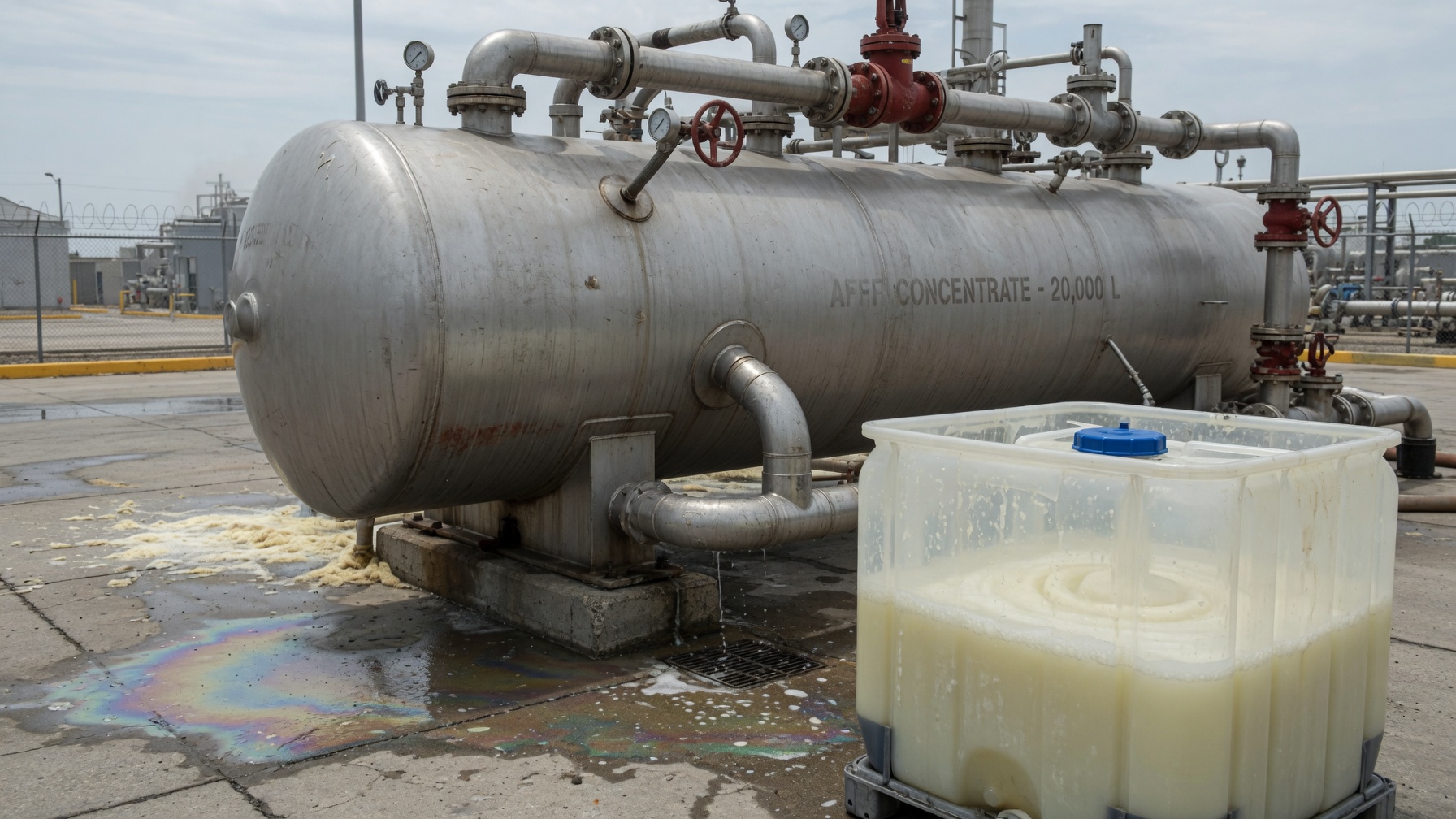
AFFF firefighting foam contamination remains a persistent liability category across the petrochemical sector, particularly because the material involves PFAS-based firefighting products and long-term environmental concerns. The settlements involving DuPont and 3M specifically address contamination associated with aqueous film-forming foam, placing AFFF within a broader category of industrial environmental liabilities.
For chemical traders, procurement managers, importers, exporters and industrial buyers, this issue extends beyond firefighting equipment. It can influence how companies evaluate chemical inventories, environmental exposure, supplier relationships and future operating costs. The continuing presence of AFFF-related liabilities also creates a stronger need for disciplined chemical sourcing, documentation and site management.
Why AFFF Firefighting Foam Remains a Liability Concern
Aqueous film-forming foam, commonly known as AFFF, has a direct connection to petrochemical fire protection because industrial facilities face risks associated with flammable liquids and hydrocarbon-based operations. Its role in emergency response makes firefighting foam an important part of industrial safety infrastructure.
The liability issue develops when AFFF use results in contamination that remains connected to a facility, surrounding environment or historical industrial activity. For petrochemical businesses, that can turn a product originally purchased for emergency protection into a long-term environmental management consideration.
The central procurement lesson is simple: chemicals used for operational protection can create obligations that extend well beyond their immediate industrial purpose.
Companies therefore need to consider the full lifecycle of specialized chemical products. Purchasing decisions can affect storage, handling, disposal and future site management requirements.
DuPont and 3M Settlements Highlight the Scale of the Issue
The DuPont and 3M settlements specifically address contamination associated with AFFF, a PFAS-based firefighting product. Their inclusion in the broader petrochemical liability landscape demonstrates how firefighting chemicals can remain commercially and environmentally significant long after their original use.
For industry buyers, these developments reinforce the importance of understanding the history and application of specialty chemical products. A procurement department focused only on immediate price and availability may overlook longer-term considerations connected to chemical use.
Several factors make AFFF particularly important for petrochemical businesses:
Historical use: Facilities may continue dealing with consequences associated with firefighting products used during earlier operating periods.
Persistent liability: Contamination concerns can remain relevant after the original chemical purchase or application.
Site management: Businesses may need to account for environmental considerations when managing facilities where AFFF was used.
Procurement exposure: Chemical buyers increasingly need visibility into product characteristics and potential downstream obligations.
The settlements also demonstrate how a chemical product can become part of a much broader corporate liability discussion. That dynamic matters for businesses that operate, acquire or supply industrial facilities.
How AFFF Risk Can Influence Petrochemical Procurement
Procurement teams traditionally focus on specifications, availability, pricing, delivery schedules and supplier reliability. Persistent chemical liabilities add another layer to that decision-making process.
When companies source firefighting chemicals or manage existing inventories, they need a clear understanding of what products enter their facilities and how those materials fit into broader environmental management requirements. Documentation can become particularly important when products remain in storage or form part of long-running industrial operations.
Procurement teams can strengthen their approach by focusing on:
Supplier transparency: Buyers should maintain clear records of product identity, specifications and supplier information.
Inventory visibility: Companies benefit from knowing where specialized firefighting products are stored and where they have been deployed.
Lifecycle planning: Procurement decisions should consider storage, use and eventual management rather than focusing only on the initial purchase.
Risk communication: Procurement, environmental teams and plant operators should share information about materials that could create long-term liabilities.
This approach can help businesses reduce information gaps between purchasing decisions and environmental management. It also gives buyers stronger documentation when reviewing historical chemical inventories.

The Supply Chain Implications for Chemical Buyers
AFFF contamination also creates a broader supply chain question. Petrochemical companies do not operate in isolation, and chemical procurement often involves manufacturers, distributors, traders, logistics providers and industrial end users.
Each participant can contribute to the quality of product information moving through the supply chain. Clear records help buyers establish what material they purchased, where it came from and how it was intended to be used.
For chemical traders and exporters, this creates an opportunity to differentiate through strong product documentation and transparent supplier relationships. Buyers increasingly value information that supports internal compliance and risk management alongside competitive commercial terms.
Importers face similar considerations. A shipment that meets immediate commercial requirements still needs appropriate product documentation, storage planning and internal controls once it reaches the destination facility.
Why Petrochemical Sites Need Long-Term Chemical Management
Petrochemical facilities often operate for many years, which means chemical management decisions can have consequences across multiple operating cycles. Products introduced into a facility today may remain relevant to future environmental assessments, maintenance programs or property transactions.
AFFF provides a clear example of this challenge. The product served a critical fire protection function, yet contamination associated with its use has become a persistent liability category.
This creates a need for stronger coordination between operational and commercial teams. Procurement professionals should not treat chemical sourcing as an isolated transaction when the material has implications for long-term site management.
A more complete chemical management strategy can include:
Maintaining historical purchasing and inventory records.
Tracking where specialized firefighting products were stored or used.
Reviewing supplier documentation during procurement.
Coordinating chemical purchasing with environmental and facility management teams.
Considering long-term obligations when evaluating industrial assets or operations.
For businesses involved in acquisitions or facility transfers, historical chemical information can also become commercially significant. Understanding what products were used at a site can help buyers assess potential exposure before making major investment decisions.
What AFFF Liability Means for Chemical Trading Markets
The persistence of AFFF-related liabilities creates a market environment where chemical trading involves more than moving products from supplier to buyer. Product knowledge, documentation and responsible sourcing can become important parts of the commercial relationship.
Chemical traders that understand their customers' operational requirements can provide greater value by helping buyers identify appropriate products and supporting documentation. This becomes particularly relevant when customers operate petrochemical facilities with complex safety and environmental requirements.
The issue also highlights the importance of separating short-term purchasing decisions from long-term business exposure. A lower acquisition price does not automatically represent the best commercial outcome if the product creates additional management requirements later.
For exporters and importers, the ability to provide consistent product information can strengthen buyer confidence. For procurement managers, supplier evaluation should therefore consider reliability, documentation quality and long-term support alongside price.
Environmental Liability Is Becoming a Procurement Consideration
Environmental responsibility increasingly intersects with chemical purchasing. Petrochemical companies must manage materials that support essential industrial processes while also understanding the potential consequences associated with those materials.
AFFF demonstrates how this relationship can evolve. What begins as a safety product can eventually become part of an environmental liability discussion, especially when contamination concerns extend beyond the original application.
Procurement departments can respond by creating stronger communication channels with environmental, engineering and safety teams. These connections can help ensure that purchasing decisions reflect the wider operational context.
The objective is not simply to reduce chemical purchasing. Instead, companies need better visibility into what they buy, how products are used and what obligations may follow their use.
Market Outlook for AFFF-Related Petrochemical Risk
AFFF contamination is likely to remain relevant to petrochemical businesses because the underlying liability category connects historical chemical use with ongoing environmental management. The DuPont and 3M settlements reinforce the commercial significance of this issue for companies connected to affected products, facilities or supply chains.
For buyers, this means chemical management should remain a long-term discipline rather than a one-time compliance exercise. Historical inventories, supplier documentation and facility records can all become valuable when businesses evaluate environmental exposure.
The broader lesson extends beyond AFFF. Chemical companies should increasingly evaluate materials through their full commercial lifecycle, from sourcing and transportation to use, storage and eventual management.
What Buyers Should Do Now
Petrochemical procurement teams can use the AFFF issue as a prompt to strengthen chemical sourcing practices. The most practical steps focus on visibility, documentation and coordination rather than simply increasing purchasing controls.
Review existing records: Identify historical firefighting foam purchases, storage locations and known applications.
Improve supplier documentation: Keep consistent records for product specifications, suppliers and commercial transactions.
Coordinate internally: Connect procurement teams with environmental, safety and plant management functions.
Evaluate lifecycle exposure: Consider what happens after a chemical enters the facility, not only how much it costs at purchase.
Strengthen supplier selection: Look beyond price to documentation quality, product transparency and supply reliability.
Track emerging liabilities: Monitor major developments that could affect chemical purchasing strategies or industrial asset management.
AFFF firefighting foam contamination shows why chemical procurement decisions can have consequences that extend far beyond the original transaction. For petrochemical companies, stronger sourcing discipline can support both operational requirements and long-term risk management.
For chemical traders, the opportunity lies in providing reliable products, transparent information and dependable supply relationships as industrial buyers place greater emphasis on the complete lifecycle of chemical materials. Ready to source Activated Carbon from verified global suppliers? Explore competitive offers on our platform today.
Activated Carbon (Powder) - China
Found this useful?