Agrochemical Market Forecast: Global Demand for Crop Protection Chemicals Through 2030
The global crop protection chemicals market is projected to reach USD 106.26 billion by 2030, reflecting the continued importance of agrochemicals in modern agricultural production. Rising food requirements, pressure on available farmland and increasing pest resistance are creating sustained demand for products that protect crop yields and maintain agricultural quality.
The agrochemical market forecast points towards steady expansion, although demand will vary across regions, agricultural commodities and product categories. Herbicides, insecticides and fungicides will remain important inputs, while biological crop protection products and improved application technologies will influence purchasing decisions.
For chemical traders, importers, exporters and agricultural input distributors, these developments create opportunities to strengthen supplier relationships, diversify product portfolios and respond to changing requirements across agricultural markets.
Global Agrochemical Market Size and Forecast Through 2030
The global crop protection chemicals market is experiencing continued commercial development. According to MarketsandMarkets, the market reached an estimated USD 83.32 billion in 2025, compared with USD 79.32 billion in 2024.
The same forecast projects the market to reach USD 106.26 billion by 2030, representing a compound annual growth rate (CAGR) of 5.0% between 2025 and 2030.
Several factors support this expansion:
Growing food consumption: Population growth and changing food consumption patterns increase pressure on agricultural producers to maintain consistent crop output.
Limited agricultural land: Farmers increasingly need to improve productivity from existing farmland rather than relying entirely on land expansion.
Pest and disease pressure: Insects, weeds and plant diseases can reduce agricultural yields, creating demand for effective crop protection products.
Agricultural modernisation: Improved farming practices and more advanced application technologies encourage the use of specialised crop protection solutions.
These factors support long-term demand, although individual markets may experience fluctuations depending on agricultural income, weather conditions and input affordability.
Major Crop Protection Chemicals Driving Global Demand
Crop protection chemicals serve different functions throughout agricultural production. Their demand depends on crop varieties, growing conditions, pest populations and the specific challenges farmers face during cultivation.
Three major product categories account for much of the commercial activity in this market.
1. Herbicides
Herbicides control unwanted plants that compete with crops for nutrients, sunlight and water. They play an important role in large-scale farming, particularly in cereal production, oilseed cultivation and other commercial agricultural operations.
Demand depends on weed resistance, seasonal conditions, cultivation practices and the availability of effective formulations. Buyers also evaluate application requirements, active ingredient concentration and compatibility with agricultural programmes.
2. Insecticides
Insecticides protect crops against insects that damage leaves, stems, roots and developing produce. They remain important in fruits, vegetables, cotton, cereals and several other agricultural segments.
Increasing pest pressure can support demand for insect control products. However, resistance management and regulatory requirements influence which formulations farmers and distributors can purchase.
3. Fungicides
Fungicides help manage fungal diseases that affect crop development, appearance and commercial quality. They are particularly important in regions where humidity, rainfall and temperature create favourable conditions for fungal growth.
Demand can increase during disease outbreaks or periods of favourable conditions for fungal development. Agricultural buyers therefore consider seasonal purchasing patterns when planning fungicide inventories.
Regional Demand Patterns Across Agricultural Markets
Regional agricultural conditions strongly influence agrochemical consumption. Climate, crop selection, farming methods and regulatory requirements create different demand patterns across international markets.
Asia-Pacific represents an important market for crop protection chemicals. According to MarketsandMarkets, the region accounted for 26% of global market value in 2024.
China and India contribute significantly to regional agricultural activity through extensive crop production and established agricultural input markets. Population requirements, commercial farming development and changing crop protection practices support demand across several product categories.
Latin America also represents a major commercial opportunity. Brazil, in particular, has a substantial agricultural sector with demand for crop protection products used in soybean, corn and other commercial crops.
North America maintains an established market supported by large-scale farming, agricultural technology and organised distribution networks. Buyers in this region place considerable importance on product performance, regulatory compliance and consistent supply.
Europe has a different market structure, with environmental policies and chemical registration requirements playing a major role in product availability. Suppliers must understand regional approval requirements before entering these markets.
Africa also presents longer-term opportunities as agricultural development and access to modern farming inputs expand. However, affordability, distribution infrastructure and product availability remain important considerations.
What Is Increasing Demand for Crop Protection Chemicals?
Global demand reflects the need to protect agricultural output while managing production costs. Farmers must balance the cost of agricultural inputs against the potential financial impact of crop losses.
Several developments are influencing purchasing requirements.
Changing weather conditions: Temperature fluctuations, irregular rainfall and changing seasonal patterns can affect pest populations and plant disease development. These conditions influence the timing and type of crop protection products required.
Resistance among pests and weeds: Repeated exposure to particular active ingredients can reduce treatment effectiveness over time. Farmers and agricultural advisers increasingly consider alternative products and resistance management strategies.
Commercial farming expansion: Large agricultural operations require reliable access to crop protection products throughout planting and growing seasons. This creates opportunities for distributors capable of maintaining consistent inventory.
Pressure on crop quality: Export-oriented agriculture requires producers to meet specific quality standards. Crop protection chemicals help farmers manage threats that could affect the appearance, quality and marketability of agricultural products.
Agricultural technology: Precision spraying, improved application equipment and better monitoring systems can support more targeted chemical use. These developments influence demand for compatible formulations and specialised products.
The Growing Role of Biological Crop Protection
The agrochemical industry is gradually expanding beyond conventional synthetic products. Biological crop protection solutions are receiving greater commercial attention as agricultural businesses explore additional methods of managing pests and diseases.
Biopesticides use biological organisms or naturally derived substances to target specific agricultural threats. Depending on their formulation and application, they can complement conventional crop protection programmes.
MarketsandMarkets projects the biopesticides segment to record a 14.6% CAGR between 2025 and 2030, making it a particularly important growth area within its crop protection market forecast.
This development creates several opportunities for chemical traders and agricultural input distributors:
Portfolio diversification: Distributors can explore biological products alongside established synthetic crop protection chemicals.
Specialised sourcing: Buyers may seek suppliers with expertise in biological formulations, product stability and application requirements.
New customer segments: Agricultural businesses interested in integrated pest management may increase demand for alternative crop protection solutions.
Product development opportunities: Manufacturers can explore combinations of conventional and biological approaches where technically and legally appropriate.
Biological products will not replace every conventional pesticide application. Their adoption will depend on performance, application conditions, product availability and farmer acceptance.
Regulatory Requirements and Market Access Challenges
Regulatory compliance remains a major consideration in international agrochemical trade. Crop protection chemicals must satisfy applicable registration, labelling, composition and safety requirements before entering many markets.
Requirements differ between countries and can affect product approvals, manufacturing processes, import documentation and distribution arrangements.
For exporters and importers, important considerations include:
Product registration: Confirm that the active ingredient and formulation have the required approval in the destination market.
Safety Data Sheets: Maintain accurate documentation covering product properties, handling, storage and emergency procedures.
Labelling requirements: Ensure packaging and product information meet the language and regulatory standards of the importing country.
Import documentation: Prepare relevant certificates, declarations and shipping documents before dispatch.
Storage and transportation: Follow applicable requirements for chemical classification, packaging, handling and transport.
Regulatory changes can also affect the commercial availability of established products. Suppliers should monitor registration developments and maintain alternative sourcing arrangements where possible.
Supply Chain Challenges and Agrochemical Procurement
The international agrochemical supply chain connects active ingredient manufacturers, formulation companies, chemical distributors, logistics providers and agricultural buyers.
Disruptions at any stage can affect product availability and purchasing costs. Raw material price changes, production interruptions, freight expenses and trade restrictions can all influence procurement decisions.
For international buyers, several factors deserve particular attention.
Raw material availability: The supply of active ingredients and formulation components can influence production capacity and delivery schedules. Buyers should evaluate supplier reliability rather than depending entirely on spot-market availability.
Product quality and consistency: Crop protection products require suitable specifications and formulation stability. Inconsistent quality can affect application performance and create commercial risks for distributors.
Freight and logistics: Packaging requirements, shipping conditions and transportation costs contribute to the final landed cost. Buyers should compare complete delivery costs rather than considering the quoted chemical price alone.
Supplier diversification: Depending on one manufacturer or exporting country can expose procurement operations to unexpected disruptions. Maintaining alternative suppliers can improve purchasing flexibility.
Seasonal inventory planning: Agricultural demand often follows planting and growing cycles. Importers and distributors should coordinate purchasing schedules with expected regional consumption.
Market Opportunities for Chemical Traders and Distributors
The expanding crop protection market creates opportunities for businesses involved in chemical sourcing and international distribution.
However, commercial success depends on understanding the needs of individual agricultural markets rather than treating all crop protection products as interchangeable commodities.
Traders can focus on several practical opportunities:
Build regional supplier networks: Establish relationships with manufacturers and exporters that can support regular orders, suitable documentation and consistent product specifications.
Diversify product categories: Maintain access to herbicides, insecticides, fungicides and emerging biological solutions according to local market requirements.
Target agricultural distributors: Develop relationships with businesses supplying commercial farms, agricultural cooperatives and crop input retailers.
Monitor international trade movements: Track changes in import requirements, freight conditions and supplier availability to identify sourcing opportunities.
Prioritise technical documentation: Provide buyers with product specifications, safety documentation and relevant quality certificates to support purchasing decisions.
Digital B2B chemical trading platforms can also improve supplier discovery and help businesses compare available offers across international markets.
What Procurement Teams Should Expect Through 2030
The agrochemical market forecast indicates continued expansion through the end of the decade. However, procurement teams should expect changing product preferences, regional demand differences and greater attention to regulatory compliance.
Several developments are likely to influence purchasing strategies:
Consistent demand for conventional products: Herbicides, insecticides and fungicides will continue to serve essential agricultural requirements.
Expansion of biological solutions: Faster growth in biopesticides will encourage suppliers and distributors to evaluate additional product categories.
Greater emphasis on efficiency: Farmers and agricultural businesses will increasingly consider product performance, application requirements and overall treatment costs.
Stronger compliance expectations: Importers and exporters will need to monitor product registration, documentation and changing chemical regulations.
More strategic sourcing: Supplier diversification and inventory planning will remain important for managing international supply chain risks.
Procurement managers should review supplier performance regularly, compare product specifications and develop purchasing plans that reflect regional agricultural cycles.
Strategic Priorities for Buyers in the Growing Agrochemical Market
The global demand outlook creates opportunities for manufacturers, traders and distributors that can deliver reliable crop protection products at competitive commercial terms.
Buyers should focus on three priorities: dependable suppliers, consistent product quality and compliance with destination-market requirements. These factors can help reduce sourcing risks while supporting long-term relationships with agricultural customers.
Businesses should also monitor the growing biological crop protection segment and evaluate whether new product categories fit their existing distribution networks.
A balanced procurement strategy will help traders respond to changing agricultural requirements and capture opportunities across international markets.
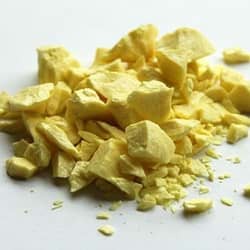
Sulphur
Found this useful?