Agrochemical Procurement Intelligence | July 9, 2026 Brief | ChemicalsBlog.com
Agrochemicals & Fertilizers
schedule4 Min Read
Agrochemical Procurement Intelligence: Thursday, July 9, 2026
terminal
prodchem
Jul 9, 2026
Today's agrochemical market presents several important developments that procurement professionals should keep on their radar. From improving fertilizer logistics and emerging green ammonia investments to phosphate pricing and sulfur supply innovation, these developments could influence sourcing strategies during the coming weeks.
Below are five key intelligence signals shaping today's agrochemical procurement landscape.
One of today's most significant developments is the confirmation that fertilizer supply conditions in India continue to improve.
Recent updates indicate:
Safe maritime shipments are supporting fertilizer imports.
Domestic fertilizer production has reached record levels.
Supply availability for the Kharif planting season has strengthened.
Procurement risks appear lower than they were earlier in the year.
For distributors and fertilizer buyers, improving supply conditions provide greater confidence when planning inventory for the remainder of the planting season.
Procurement Watch
Monitor domestic inventory levels.
Review supplier delivery schedules.
Track import arrival patterns during July.
2. Green Ammonia Takes Center Stage
Industry discussions are increasingly focused on green hydrogen and green ammonia as long-term solutions for fertilizer production.
Green ammonia offers several strategic advantages:
The phosphate market continues to watch international pricing developments closely.
Benchmark pricing influences:
DAP procurement
MAP purchasing decisions
Seasonal fertilizer contracts
Distributor inventory planning
Procurement teams should compare supplier quotations against prevailing international market conditions before finalizing major purchases.
Procurement Watch
Review supplier offers.
Compare regional price differences.
Monitor export availability.
4. Portfolio Changes Continue Across the Chemical Industry
Corporate restructuring remains an important theme across the global chemical sector.
Business portfolio changes can influence:
Customer support
Product portfolios
Supply agreements
Manufacturing priorities
Commercial relationships
Although ownership changes do not automatically affect product availability, procurement teams should maintain close communication with suppliers during transition periods.
Procurement Watch
Confirm supply continuity.
Review existing contracts.
Stay informed about organizational updates.
5. Innovation in Sulfur Supply Gains Attention
The fertilizer industry continues exploring alternative sources of sulfur to improve long-term supply security.
Research into alternative sulfur production highlights broader industry priorities:
Diversifying raw material sources
Reducing dependence on traditional supply chains
Supporting long-term production resilience
Improving feedstock security
Although commercialization may take time, these innovations demonstrate how fertilizer producers are preparing for future supply challenges.
Procurement Watch
Monitor research developments.
Evaluate future raw material trends.
Track investments in alternative production technologies.
Procurement Priorities for This Week
Procurement teams should focus on:
Confirming fertilizer delivery schedules.
Monitoring international phosphate pricing.
Reviewing seasonal inventory requirements.
Maintaining communication with strategic suppliers.
Following developments in sustainable fertilizer production.
Evaluating long-term raw material supply strategies.
Market Outlook
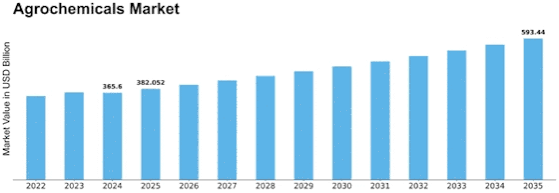
The agrochemical market continues to transition toward greater supply stability while adapting to evolving industry trends. Improving fertilizer availability, ongoing investments in sustainable production technologies, corporate restructuring, and innovation in raw material sourcing all point toward a market focused on resilience and long-term competitiveness.
Organizations that combine timely market intelligence with diversified sourcing, disciplined inventory management, and proactive supplier engagement will be better positioned to navigate seasonal demand and changing global market conditions.
Key Takeaways
Fertilizer availability continues to improve, supporting seasonal agricultural demand.
Green ammonia remains an important long-term development for fertilizer security.
International phosphate pricing continues to influence procurement strategies.
Corporate restructuring highlights the importance of supplier relationship management.
Alternative raw material research reflects the industry's growing focus on supply chain resilience.