AIChE's August CEP Spotlights Battery Energy Storage Integration Challenges
The chemical industry is undergoing a profound transformation as it integrates renewable-powered operations into traditional process facilities. Large-scale battery energy storage systems are becoming critical components of this transition. However, the path to full integration is fraught with technical and operational challenges. This month’s special section in AIChE’s CEP magazine highlights these complexities. Plant managers and procurement teams must understand the implications for facility design and safety protocols. The shift away from constant fossil-fuel-based power requires new strategies for maintaining process stability. Chemical production demands uninterrupted energy flows. Any disruption can lead to costly shutdowns or hazardous conditions. Integrating intermittent renewable sources with reliable storage solutions is therefore not just an environmental goal but an operational necessity.
The Drive Toward Renewable-Powered Operations
Chemical manufacturing is energy-intensive. Traditional facilities rely on steady baseload power from coal or natural gas plants. The push for decarbonization is forcing a reevaluation of this model. Companies are installing solar arrays and wind turbines to reduce their carbon footprint. Yet renewables are inherently variable. Solar output drops at night and during cloud cover. Wind generation fluctuates with weather patterns.
This variability poses a significant risk to continuous chemical processes. Reactors distillation columns and compressors require stable voltage and frequency. Sudden power dips can trigger safety interlocks and halt production. Battery energy storage systems offer a solution by smoothing out these fluctuations. They store excess energy during peak generation periods and release it when production drops. This buffering capability allows facilities to maintain consistent operations despite external power variations.
Grid independence increases as facilities rely less on unstable external grids.
Peak shaving reduces electricity costs by using stored power during high-demand periods.
Carbon reduction targets become achievable without compromising production volumes.
The economic case for these systems is strengthening as battery costs decline. However, the technical integration remains complex. It requires sophisticated control systems and deep understanding of both chemical engineering and electrical grid dynamics.
Technical Hurdles in System Integration
Integrating large-scale storage into existing chemical plants is not a plug-and-play operation. Legacy infrastructure was not designed for bidirectional power flows or rapid discharge cycles. Engineers must address several critical technical hurdles to ensure safe and efficient operation.
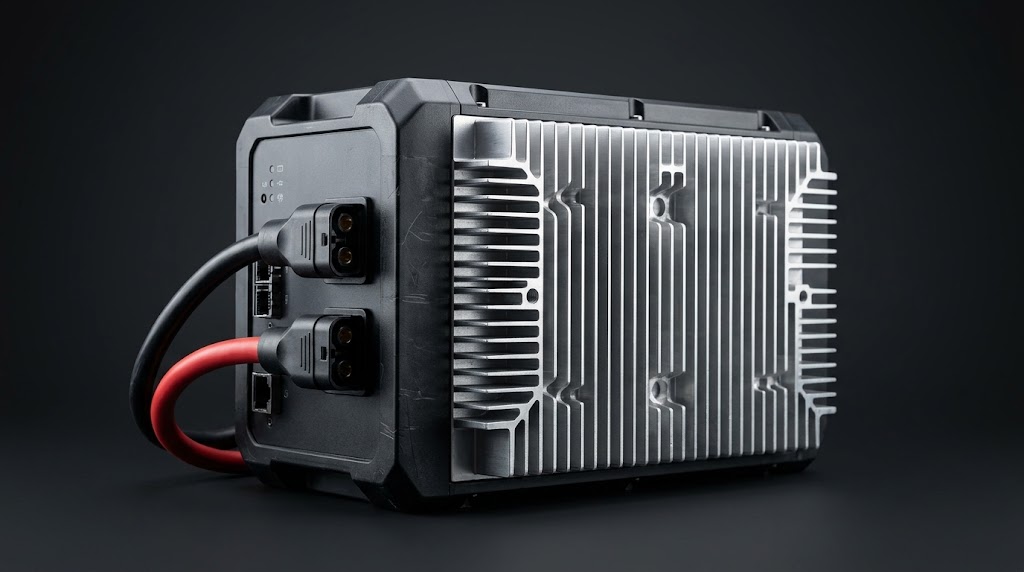
Power electronics play a vital role in converting direct current from batteries to alternating current for plant use. These inverters must handle high power levels while maintaining precise voltage regulation. Harmonic distortion from switching operations can interfere with sensitive control instruments. Proper filtering and grounding are essential to prevent equipment damage.
Thermal management is another major concern. Batteries generate heat during charging and discharging. In hot climates or enclosed spaces this heat buildup can reduce efficiency and lifespan. Advanced cooling systems are required to maintain optimal operating temperatures. These systems themselves consume energy creating a trade-off between storage efficiency and auxiliary power use.
Space constraints often limit where large battery racks can be installed within existing footprints.
Weight loads may exceed the design specifications of older building structures requiring reinforcement.
Electrical compatibility issues arise when connecting new DC systems to legacy AC distribution networks.
Procurement teams must work closely with engineering consultants to assess these physical and electrical requirements. Early identification of infrastructure gaps prevents costly retrofits later in the project lifecycle.
Safety Protocols for Chemical Facility Storage
Safety is paramount in chemical manufacturing. Introducing large quantities of lithium-ion or other advanced batteries adds new risk profiles. Thermal runaway is a primary concern. If a battery cell overheats it can trigger a chain reaction leading to fire or explosion. In a facility already handling flammable solvents and reactive chemicals this risk is amplified.
Facilities must implement robust detection and suppression systems. Traditional water sprinklers may not be effective against certain battery fires. Specialized agents such as clean gases or aerosol suppressants are often required. Ventilation systems must be designed to exhaust toxic gases released during battery failures.
Separation distances between battery storage units and process areas must adhere to strict codes.
Fire walls and blast-resistant barriers help contain potential incidents.
Emergency response plans need updating to include specific procedures for battery-related emergencies.
Regulatory bodies are still developing comprehensive standards for industrial battery storage. Plant managers must stay ahead of evolving codes to ensure compliance. Insurance providers also require detailed risk assessments before covering these installations. Proactive safety planning protects both personnel and assets.
Operational Strategies for Grid Stability
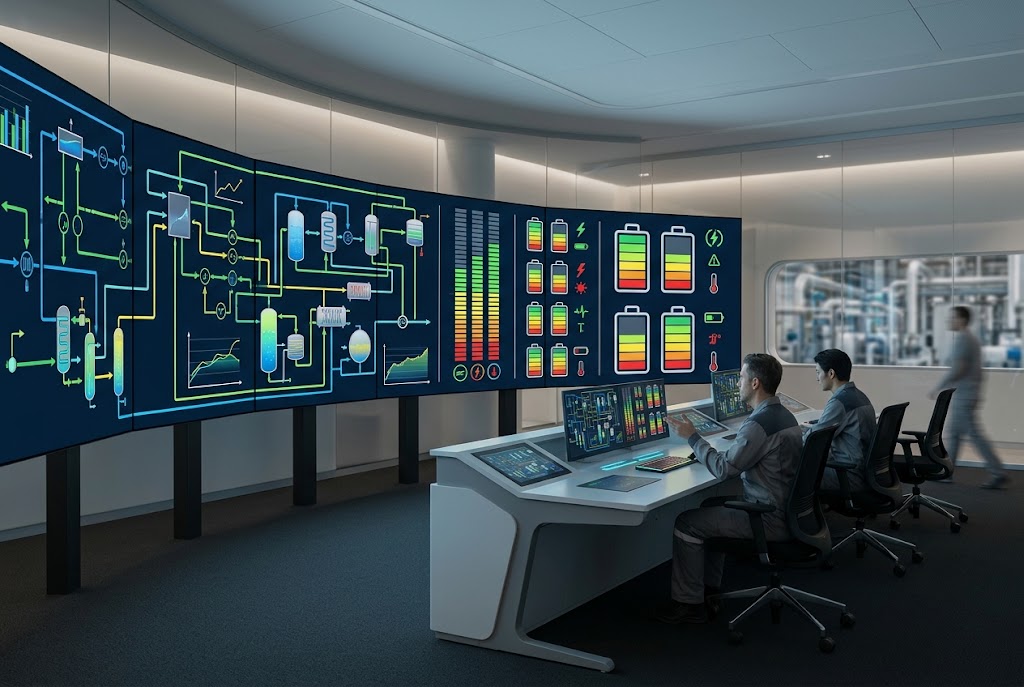
Beyond technical installation operational strategies determine the success of integration. Facilities must decide how to prioritize power usage. Should stored energy reserve for critical safety systems or use for general production? Dynamic load management software helps optimize these decisions in real time.
These systems monitor grid conditions battery state of charge and plant demand. They automatically adjust power flows to maintain stability. For example during a grid outage the system can island the facility keeping essential processes running on stored power. This capability enhances resilience against external disruptions.
Training operators to manage these hybrid systems is crucial. They must understand the interplay between chemical processes and energy storage. Mismanagement can lead to inefficient cycling of batteries reducing their lifespan. Regular maintenance schedules must include battery health checks alongside traditional equipment inspections.
Procurement teams should factor in long-term operational costs when evaluating suppliers. Cheaper hardware may lack the sophisticated management software needed for seamless integration. Investing in high-quality control systems pays dividends in reliability and efficiency.
Supply Chain Implications for Chemical Buyers
The rise of battery energy storage impacts the chemical supply chain in multiple ways. Demand for specific raw materials such as lithium cobalt and electrolytes is surging. This creates competition for resources and potential price volatility. Buyers of these materials must secure long-term contracts to ensure availability.
Conversely chemical producers who successfully integrate storage gain a competitive advantage. They can offer more stable pricing by shielding themselves from energy market fluctuations. Customers increasingly prefer suppliers with verifiable sustainability credentials. Facilities powered by renewables and supported by storage meet this demand.
Carbon accounting becomes more accurate with direct control over energy sources.
Supply chain resilience improves as facilities become less dependent on external grid reliability.
Regulatory compliance is easier to achieve with lower Scope 2 emissions.
Procurement professionals should evaluate suppliers based on their energy integration strategies. Those investing in storage are likely to be more stable and sustainable partners. This alignment supports broader corporate sustainability goals.
The Bottom Line for Plant Managers
Integrating battery energy storage systems into chemical facilities is a complex but necessary evolution. It enables the adoption of renewable energy while maintaining operational stability. Technical hurdles safety concerns and operational adjustments require careful planning.
Plant managers must collaborate with engineers safety experts and procurement teams. A holistic approach ensures that storage solutions enhance rather than hinder production. The benefits of reduced carbon emissions lower energy costs and increased resilience are substantial.
As technology matures and standards clarify adoption will accelerate. Early movers will define best practices and gain market leadership. The future of chemical manufacturing is electric and stored. Preparing for this transition today secures competitiveness for tomorrow.
Ready to source Acrylic Acid (99.5%) from verified global suppliers? Explore competitive offers on our platform today.

Acrylic Acid (99.5%) - China
Found this useful?