Air Liquide to Supply Ultra-High-Purity Gases to an Arizona Semiconductor Fab
Air Liquide will supply ultra-high-purity gases to a semiconductor fabrication facility in Arizona, reinforcing the critical link between industrial gas infrastructure and advanced chip manufacturing. This agreement supports ongoing US efforts to reshore semiconductor production and reduce dependency on overseas supply chains for mission-critical materials. Chemical traders and procurement managers tracking electronic materials view this contract as a bellwether for sustained capital investment in domestic fab ecosystems. The deal encompasses bulk delivery systems and on-site purification technologies that guarantee the extreme purity levels modern logic and memory chips require. Buyers sourcing electronic gases should monitor similar infrastructure commitments as indicators of long-term regional capacity expansion. This development accelerates the buildout of localized supply networks and strengthens material security for North American technology manufacturers. Industry participants now anticipate further supplier announcements as additional Arizona fabs reach operational milestones.
Strategic Importance of Domestic Gas Infrastructure
Semiconductor fabrication consumes massive volumes of specialty gases for etching, deposition and cleaning processes throughout wafer production cycles. These materials must meet stringent purity specifications because even trace contaminants can destroy yield rates on advanced nanometer-scale architectures. Locating gas supply infrastructure adjacent to fabs eliminates transport-related contamination risks and ensures uninterrupted flow during peak production periods.
Air Liquide brings decades of experience managing complex on-site gas generation and purification systems for global chipmakers. The company’s investment in Arizona signals confidence in the longevity and scale of US semiconductor manufacturing incentives. This strategic alignment between gas suppliers and fab operators creates mutually dependent partnerships that span decades rather than typical short-term commercial arrangements.
Domestic production capacity reduces exposure to geopolitical disruptions that previously threatened electronic material flows from Asia. Federal policy frameworks explicitly prioritize secure access to these inputs as national security imperatives rather than mere commercial considerations. Buyers benefit from this structural shift through improved supply visibility and reduced lead time variability.
Technical Requirements for Ultra-High-Purity Delivery
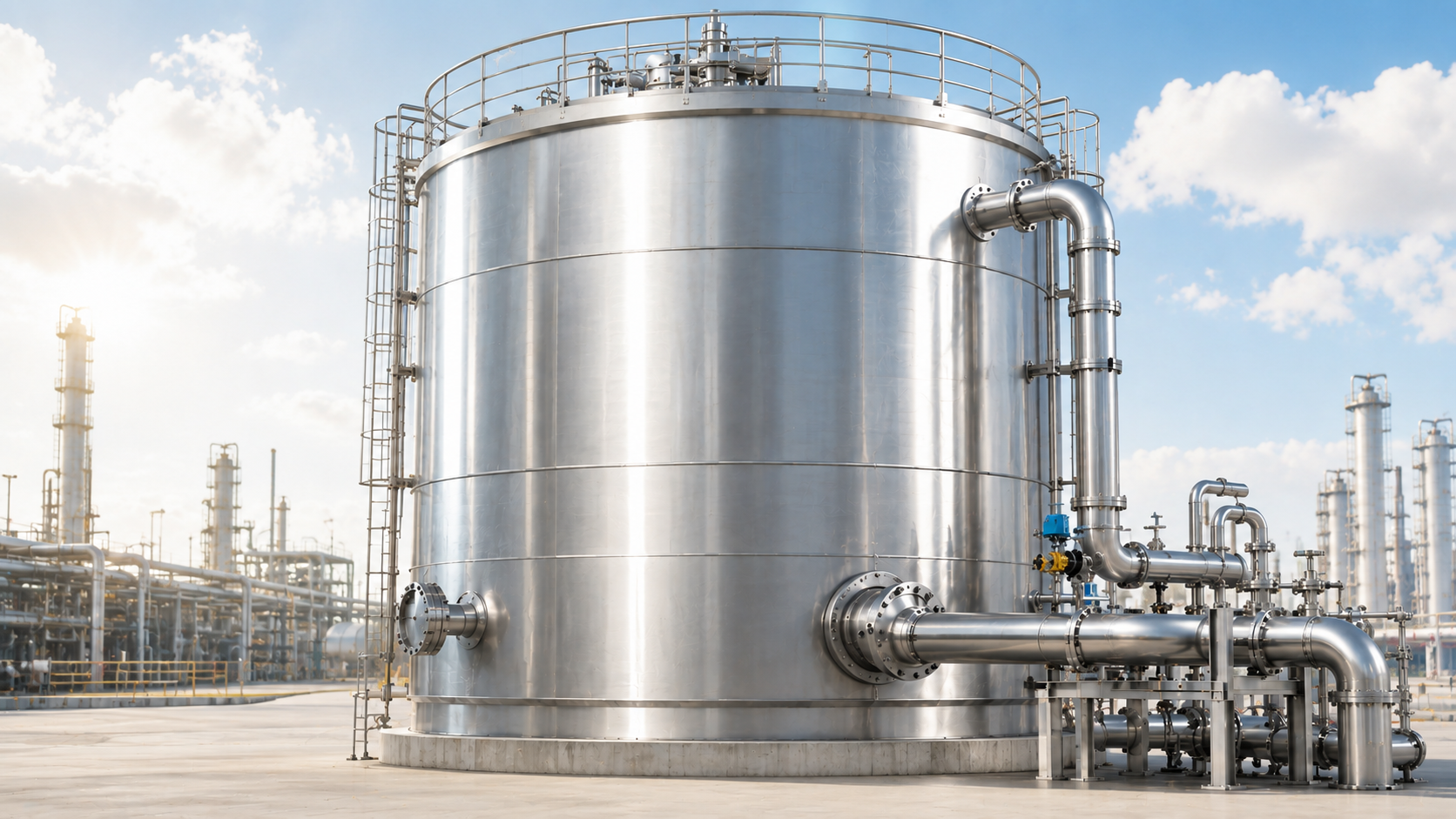
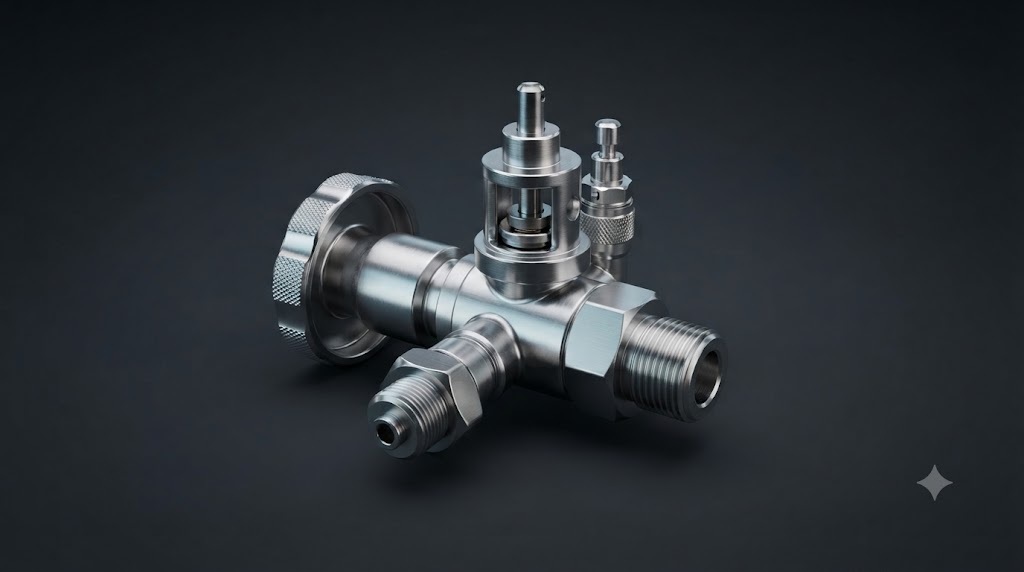
Ultra-high-purity gases demand specialized handling protocols that distinguish them from standard industrial gas commodities. Suppliers must maintain dedicated storage vessels, transfer lines and filtration systems constructed from electropolished stainless steel to prevent particulate shedding or moisture ingress. Validation testing occurs continuously at multiple points along the delivery chain to verify specification compliance before materials enter sensitive fab environments.
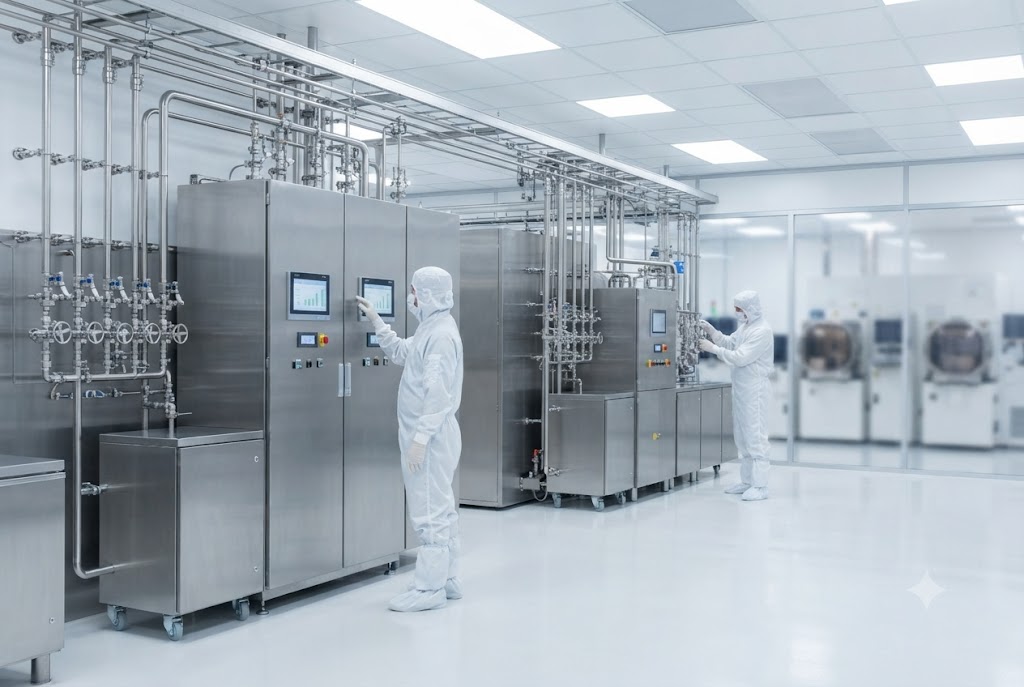
On-site purification units serve as the final quality gate before gases reach process tools inside cleanrooms. These systems remove residual impurities down to parts-per-trillion levels using advanced adsorption and membrane separation technologies. Air Liquide will likely deploy proprietary purification platforms customized to the specific gas portfolio and throughput requirements of the Arizona facility.
Technical qualification processes extend beyond initial installation and commissioning phases. Suppliers must demonstrate consistent performance across extended production runs and varying demand profiles to earn full certification from fab quality teams. This rigorous validation creates high switching costs once suppliers achieve approved vendor status.
Regional Capacity Expansion Across the Southwest
Arizona has emerged as a primary hub for advanced semiconductor manufacturing due to favorable regulatory conditions and existing technical workforce infrastructure. Multiple major chipmakers have announced multibillion-dollar fab investments in the region over the past three years. Each new facility generates corresponding demand for bulk and specialty gases that local suppliers must accommodate through parallel capital expenditures.
The concentration of fabs in geographic proximity enables shared infrastructure efficiencies that benefit both suppliers and customers. Pipeline networks connecting multiple sites reduce per-unit delivery costs and provide redundant supply pathways during maintenance events. Air Liquide’s Arizona commitment positions the company to capture cross-site synergies as the regional cluster matures.
Procurement teams evaluating alternative locations should weigh these agglomeration benefits against individual site incentives. Regions lacking established gas infrastructure face longer ramp-up timelines and higher operating costs for new fab projects. Supplier presence often serves as a leading indicator of viable manufacturing ecosystem development.
Implications for Electronic Gas Market Dynamics
Long-term supply agreements for ultra-high-purity gases typically feature take-or-pay structures that guarantee minimum revenue streams for suppliers regardless of actual consumption volumes. These contractual mechanisms enable the substantial upfront capital investments required for on-site infrastructure while protecting buyers against spot market volatility during shortage periods. Traders should understand these terms when benchmarking pricing or negotiating secondary supply arrangements.
Capacity reservation fees may apply during pre-operational phases when fabs commit to future volumes before achieving full production ramps. Suppliers use these fees to fund construction and validate systems ahead of revenue-generating operations. Buyers entering new markets must factor these non-variable costs into total landed cost calculations alongside traditional per-unit pricing metrics.
Secondary supplier qualification remains essential despite primary vendor lock-in characteristics. Fab continuity plans require backup sources capable of meeting identical specifications within defined emergency response windows. Maintaining qualified alternatives preserves negotiation leverage and mitigates single-point failure risks inherent in highly specialized supply relationships.
Navigating Qualification and Change Control Protocols
Qualifying new gas suppliers for semiconductor applications involves extensive documentation review, sample testing and pilot production runs spanning twelve to eighteen months. Quality teams audit supplier manufacturing processes, analytical methods and change management systems to ensure alignment with internal standards. This deliberate pace reflects the catastrophic cost implications of undetected contamination events in advanced node production.
Change control obligations bind suppliers to notify customers of any modifications to raw material sources, production equipment or analytical procedures well in advance of implementation. Customers retain approval rights over proposed changes and may require requalification testing before accepting modified materials. These contractual protections preserve process stability but limit supplier flexibility to optimize operations independently.
Procurement professionals should map qualification timelines backward from planned production start dates to avoid delays. Engaging potential suppliers during early fab design phases enables parallel infrastructure development and testing activities. Late engagement compresses validation windows and increases project execution risk significantly.
Pricing Structures for Specialty Versus Bulk Gases
Bulk gases like nitrogen and hydrogen typically trade on indexed pricing formulas tied to energy costs and regional supply-demand balances. Long-term contracts smooth volatility through fixed base charges plus variable components reflecting input cost movements. Buyers benefit from transparent indexation mechanisms that align supplier margins with broader market conditions.
Specialty electronic gases command premium pricing due to smaller production scales, complex purification requirements and stringent quality assurance burdens. Suppliers price these materials based on value delivered rather than production cost alone, reflecting their critical role in enabling advanced manufacturing capabilities. Negotiation focuses more on service level guarantees and technical support commitments than marginal price reductions.
Blended pricing models emerge when suppliers bundle bulk and specialty gases under integrated supply agreements. These comprehensive contracts simplify administration and create opportunities for volume-based discounts across product categories. Buyers should evaluate bundled proposals holistically rather than optimizing individual line items in isolation.
What Procurement Teams Should Do Now
Audit current electronic gas spend to identify concentration risks and qualification gaps across existing supplier portfolios. Mapping dependencies reveals vulnerabilities that require immediate mitigation through secondary source development or inventory buffering strategies. Early action prevents operational disruptions during unexpected supplier outages or demand surges.
Engage gas suppliers during fab planning phases to align infrastructure buildout schedules with production ramp timelines. Collaborative forecasting enables suppliers to secure capital and labor resources proactively rather than reacting to last-minute requests. Joint planning sessions also surface technical integration issues before they become costly schedule delays.
Benchmark contractual terms against emerging industry standards for change control, liability allocation and performance guarantees. Updating legacy agreements ensures alignment with current risk appetites and operational realities. Legal and quality teams should participate in these reviews to validate enforceability and technical adequacy of revised provisions.
Ready to source electronic gases from verified global suppliers? Explore competitive offers on our platform today.
High Density Polyethylene (HDPE)
Found this useful?