Air Liquide's Gas Investment Pattern Reflects Broader Confidence in Specialty Industrial Demand
Air Liquide's Gas Investment Pattern Reflects Broader Confidence in Specialty Industrial Demand
Introduction
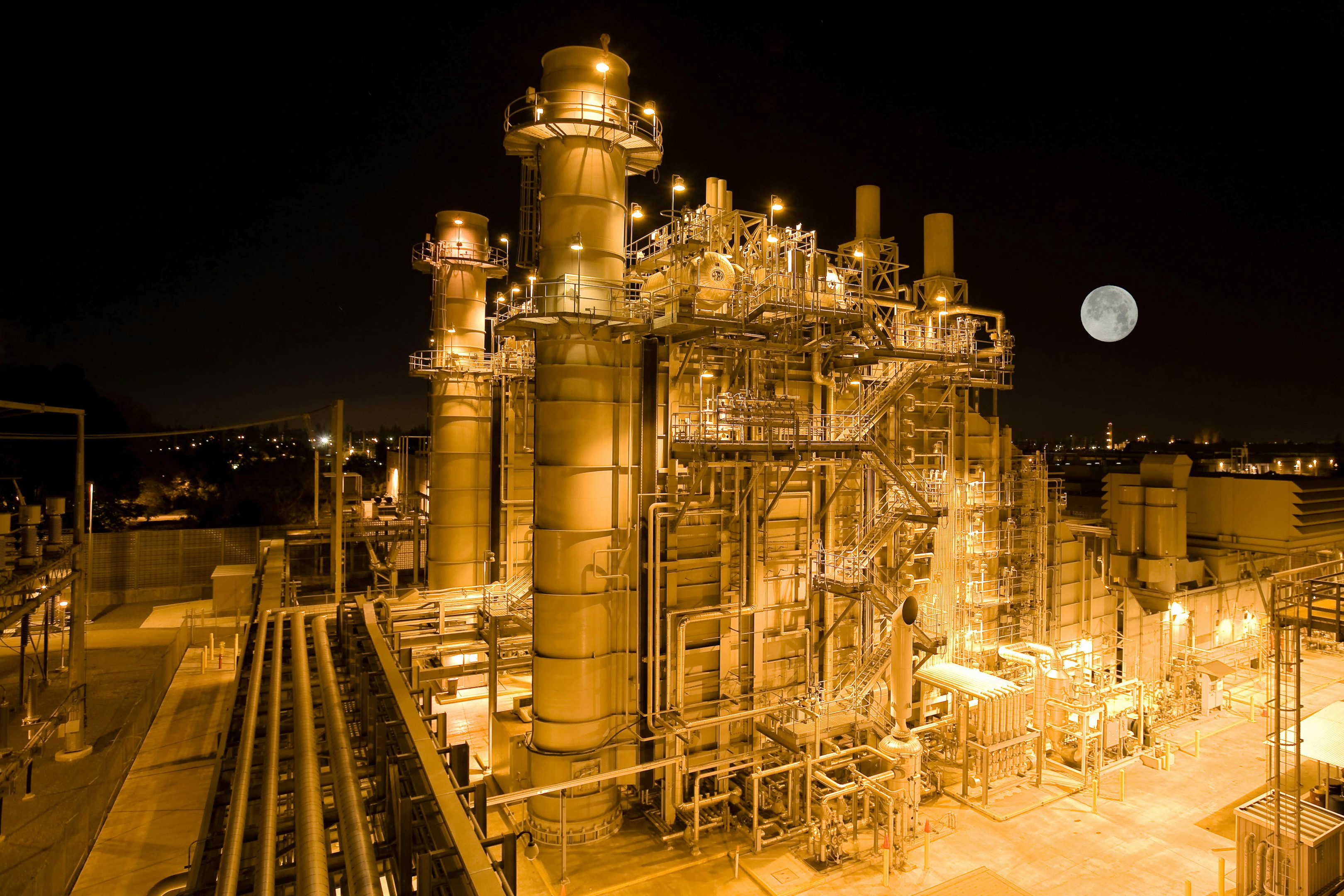
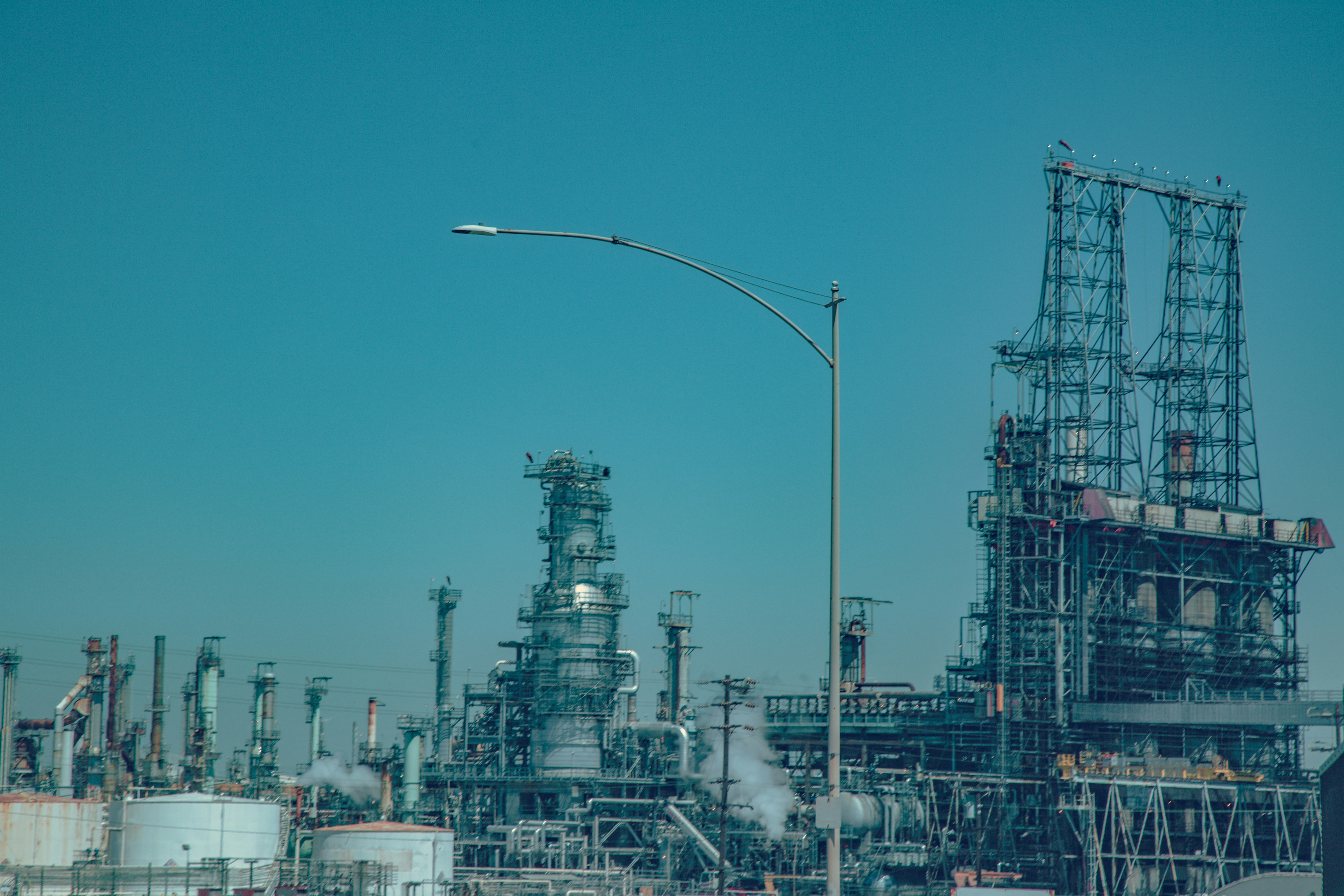
Industrial gases play a critical role in modern manufacturing, supporting industries ranging from chemicals and electronics to healthcare, food processing, and energy. As demand for high-value manufacturing continues to grow, investments in industrial gas infrastructure have become an important indicator of long-term industrial confidence.
Air Liquide's continued investments in production facilities, distribution networks, and low-carbon technologies reflect a strategic focus on meeting future industrial demand. While these investments are designed to support a wide range of sectors, they also signal broader confidence in the sustained growth of specialty manufacturing and advanced industrial applications.
The Growing Importance of Industrial Gases
Industrial gases such as oxygen, nitrogen, hydrogen, argon, and carbon dioxide are essential inputs for numerous manufacturing processes. They improve efficiency, enable precision production, and support high-quality output across multiple industries.
Key industries that rely on industrial gases include:
Chemical manufacturing
Petrochemicals
Electronics and semiconductors
Food and beverage processing
Pharmaceuticals
Healthcare
Metal fabrication
Glass production
Energy and clean technologies
As industrial production becomes more sophisticated, demand for specialized gas solutions continues to increase.
Understanding Air Liquide's Investment Strategy
Air Liquide has consistently invested in expanding its industrial gas capabilities through new production facilities, digital technologies, and sustainable energy projects.
Key characteristics of this investment pattern include:
Capacity Expansion
Increasing production capacity helps meet rising demand from growing industrial sectors while improving supply reliability.
Regional Infrastructure Development
Expanding pipelines, storage facilities, and distribution networks strengthens supply chain efficiency and supports customers across different regions.
Low-Carbon Innovation
Investments in hydrogen, carbon capture, and energy-efficient production technologies demonstrate a commitment to supporting industrial decarbonization.
Digital Operations
Advanced monitoring systems and predictive maintenance improve operational efficiency while enhancing customer service and supply reliability.
What These Investments Signal
Large-scale investments in industrial gases often indicate confidence in long-term industrial activity rather than short-term market fluctuations.
They suggest expectations of:
Continued growth in specialty manufacturing
Increasing demand for advanced production technologies
Expansion of high-value industrial sectors
Greater adoption of sustainable manufacturing practices
Long-term capital investment across global industries
These trends reinforce the importance of industrial gases as foundational inputs for future manufacturing growth.
Implications for Specialty Chemical Producers
Specialty chemical manufacturers benefit from reliable access to industrial gases throughout production.
Potential advantages include:
Improved Production Stability
Consistent gas supplies help reduce operational disruptions and maintain manufacturing efficiency.
Support for Advanced Processes
Many specialty chemical processes depend on high-purity gases for precise reaction control and product quality.
Enhanced Sustainability
Cleaner production technologies supported by industrial gas innovations can contribute to lower emissions and improved resource efficiency.
Greater Supply Chain Reliability
Expanded gas infrastructure reduces logistical risks and strengthens industrial resilience.
Procurement Considerations
Procurement teams should monitor industrial gas investment trends as part of broader supply chain risk assessments.
Key factors to evaluate include:
Regional production capacity
Infrastructure expansion
Supply reliability
Energy availability
Sustainability initiatives
Long-term supplier investment strategies
These indicators can provide valuable insight into the future stability of manufacturing operations and raw material availability.
Looking Ahead
Global demand for specialty chemicals, advanced materials, electronics, and clean energy technologies is expected to continue expanding over the coming years. Industrial gas suppliers are responding by investing in larger, more efficient, and more sustainable production systems.
Air Liquide's investment pattern reflects confidence that industrial customers will continue requiring reliable, high-quality gas supplies to support increasingly sophisticated manufacturing processes. This trend is likely to encourage further innovation and strengthen industrial supply chains across multiple sectors.
Conclusion
Air Liquide's continued investment in industrial gas infrastructure demonstrates more than capacity expansion—it reflects broader confidence in the long-term growth of specialty industrial demand. By strengthening production capabilities, expanding distribution networks, and investing in sustainable technologies, the company supports the evolving needs of modern manufacturing.
For specialty chemical producers, procurement professionals, and industrial manufacturers, monitoring industrial gas investments provides valuable insight into future market trends, supply chain resilience, and the direction of global industrial development.

Chlorine Gas
Found this useful?