AkzoNobel Exits Southeast Asia Decorative Paints in $1.35 Billion Nippon Paint Deal
The Southeast Asia decorative paints market is undergoing a massive structural shift. AkzoNobel recently announced its exit from this regional segment through a landmark $1.35 billion agreement with Nippon Paint. This seven-country transaction represents one of the most significant consolidations in the regional coatings industry this decade. Procurement managers and chemical traders must now prepare for altered supply dynamics. The deal values the business at 21 times its fiscal year 2025 earnings before interest, taxes, depreciation and amortization. AkzoNobel expects to net approximately $1 billion from the sale. This strategic realignment will directly impact the sourcing of key paint raw materials across the region. Buyers must anticipate changes in volume commitments and vendor qualification processes. The transition marks a definitive end to an era of fragmented market leadership.
The Anatomy of the $1.35 Billion Transaction
The transaction encompasses AkzoNobel decorative paints operations across seven Southeast Asian nations. These markets include Indonesia, Malaysia, Thailand, Vietnam, the Philippines, Singapore and Brunei. The agreement carries a valuation multiple of 21x FY25 EBITDA.
This premium multiple reflects the strong growth trajectory present in these emerging economies. Urbanization and rising middle-class incomes continue to drive residential construction. Brand equity in these specific nations holds substantial long-term value for the acquirer.
The closing timeline is staggered to accommodate complex local regulatory approvals. The Indonesian operations will transfer in late 2026. The remaining six countries will complete the transition by mid-2027.
This phased approach allows both corporations to manage inventory handovers smoothly. Supplier contract migrations will occur systematically to prevent operational disruptions. Nippon Paint gains immediate scale and an expanded distribution network across the region.
AkzoNobel frees up capital to reinvest in higher-margin specialty chemical segments. The financial clarity of this deal sets a new benchmark for regional coatings valuations. Future mergers in this sector will likely reference this transaction structure.
Strategic Rationale for Both Industry Giants
AkzoNobel initiated this divestment to streamline its global corporate portfolio. The company aims to focus its resources on premium performance coatings and advanced materials. Southeast Asian decorative paints require heavy capital expenditure for local manufacturing and distribution.
Maintaining a competitive edge in this segment demands continuous investment in retail marketing. Exiting this volume-driven segment improves the overall return on invested capital for the Dutch multinational. The company will redirect funds toward research and development in aerospace and automotive coatings.
Conversely, Nippon Paint aggressively pursues market share expansion through targeted acquisitions. Acquiring an established competitor eliminates years of costly organic growth efforts. The buyer inherits ready-made manufacturing facilities and entrenched retail relationships.
This acquisition solidifies Nippon Paint as the dominant decorative coatings provider in the region. The combined entity will possess unmatched shelf space in local hardware stores. Economies of scale will immediately improve the profitability of the acquired assets.
The divergent strategies highlight a mature market phase. Consolidation becomes the primary mechanism for value creation when organic growth slows. Chemical suppliers must adapt to serving a more concentrated and powerful customer base.
Impact on Regional Supply Chains and Raw Materials
A merger of this magnitude sends immediate shockwaves through the upstream chemical supply chain. Decorative paint manufacturing relies heavily on consistent volumes of pigments, resins and solvents. Nippon Paint will inevitably review existing supplier contracts during the integration phase.
Procurement teams at raw material vendors should anticipate rigorous vendor consolidation. The combined entity will seek significant economies of scale in purchasing. Suppliers offering fragmented or regionally limited capabilities may face severe margin pressure.
Vendors with pan-Asian manufacturing footprints will gain a distinct competitive advantage. The ability to supply multiple countries from a single regional hub is highly valuable. Logistics efficiency will become a primary deciding factor in contract renewals.
Inventory management protocols will also shift dramatically. The transition period requires careful coordination to prevent stockouts of critical formulations. Buyers must maintain open communication channels with both legacy AkzoNobel procurement desks and incoming Nippon Paint supply chain managers.
Any disruption in raw material flow could delay the integration timeline. Suppliers must guarantee uninterrupted delivery schedules throughout the late 2026 and mid-2027 closing windows. Reliability will outweigh minor price differentials during this sensitive period.
Key Raw Materials Driving Decorative Paint Production
Understanding the chemical composition of decorative paints clarifies the procurement stakes. Formulators require specific high-volume inputs to maintain product quality and cost efficiency. The new ownership will scrutinize every component for cost optimization.
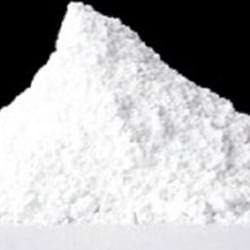
Titanium Dioxide serves as the primary white pigment. It provides essential opacity and brightness to architectural coatings. Demand for this material remains inelastic due to a complete lack of viable substitutes.
Acrylic Acid and its derivatives form the backbone of modern latex binders. These polymers ensure durability and weather resistance in exterior paints. Supply stability for acrylic monomers is critical for uninterrupted production.
Styrene Monomer is frequently utilized in styrene-acrylic emulsions. This component balances cost performance with adequate film formation properties. Price volatility in styrene directly impacts the final cost of decorative paints.
Calcium Carbonate acts as a crucial extender pigment. It improves the mechanical properties of the paint film while reducing overall formulation costs. Consistent particle size distribution is mandatory for high-quality finishes.
Specialty additives like fumed silica regulate viscosity and prevent settling. While used in smaller quantities, supply disruptions here can halt entire production lines.
Suppliers of these foundational chemicals must demonstrate robust quality control. The new consolidated entity will prioritize vendors with strict ISO certifications. Reliable logistics networks are equally important for maintaining continuous factory operations.
Regulatory and Compliance Shifts in Southeast Asia
Environmental regulations across Southeast Asia continue to tighten rapidly. Governments in Thailand, Indonesia and Vietnam are actively restricting volatile organic compound emissions. This regulatory pressure forces paint manufacturers to reformulate products toward advanced water-based systems.
Nippon Paint will likely accelerate the adoption of low-VOC technologies post-acquisition. This strategic shift increases the demand for specific green chemistry alternatives. Procurement professionals must proactively source bio-based solvents and advanced rheology modifiers.
Traditional solvent suppliers may see declining order volumes over the next five years. The industry is moving decisively away from high-emission formulations. Vendors must pivot their product portfolios to align with these environmental mandates.
Compliance documentation will also become significantly more stringent. The merged entity will require comprehensive safety data sheets from all chemical suppliers. Environmental product declarations will become mandatory for all new vendor approvals.
Vendors failing to meet these elevated standards risk immediate disqualification. The approved supplier list will shrink to include only the most compliant and transparent partners. Proactive investment in sustainability credentials is now a strict business requirement.
Market Outlook for 2027 and Beyond
The regional decorative paints market will experience a period of stabilization following this acquisition. Nippon Paint will focus on integrating the new assets and optimizing the supply chain. Competitors will likely adjust their pricing strategies to defend their existing market share.
Raw material demand will remain robust due to ongoing infrastructure development across Southeast Asia. Governments continue to invest heavily in public housing and commercial real estate projects. This sustained construction activity guarantees a steady baseline demand for architectural coatings.
However, suppliers must prepare for increased pressure on profit margins. The consolidated buyer will leverage its massive purchasing power to negotiate better terms. Vendors must innovate continuously to justify premium pricing in a highly competitive environment.
The Bottom Line for Procurement Teams
Chemical traders and raw material suppliers must act decisively in response to this market consolidation. The window to influence the new combined supply chain strategy is exceptionally narrow. Proactive engagement with Nippon Paint procurement leadership is absolutely essential.
Vendors should audit their current service levels and pricing structures immediately. Presenting a unified, region-wide Key Raw Materials Driving Decorative Paint Production
Understanding the chemical composition of decorative paints clarifies the procurement stakes. Formulators require specific high-volume inputs to maintain product quality and cost efficiency. The new ownership will scrutinize every component for cost optimization.
Titanium Dioxide serves as the primary white pigment. It provides essential opacity and brightness to architectural coatings. Demand for this material remains inelastic due to a complete lack of viable substitutes.
Acrylic Acid and its derivatives form the backbone of modern latex binders. These polymers ensure durability and weather resistance in exterior paints. Supply stability for acrylic monomers is critical for uninterrupted production.
Styrene Monomer is frequently utilized in styrene-acrylic emulsions. This component balances cost performance with adequate film formation properties. Price volatility in styrene directly impacts the final cost of decorative paints.
Calcium Carbonate acts as a crucial extender pigment. It improves the mechanical properties of the paint film while reducing overall formulation costs. Consistent particle size distribution is mandatory for high-quality finishes.
Specialty additives like fumed silica regulate viscosity and prevent settling. While used in smaller quantities, supply disruptions here can halt entire production lines.
Suppliers of these foundational chemicals must demonstrate robust quality control. The new consolidated entity will prioritize vendors with strict ISO certifications. Reliable logistics networks are equally important for maintaining continuous factory operations.
Regulatory and Compliance Shifts in Southeast Asia
Environmental regulations across Southeast Asia continue to tighten rapidly. Governments in Thailand, Indonesia and Vietnam are actively restricting volatile organic compound emissions. This regulatory pressure forces paint manufacturers to reformulate products toward advanced water-based systems.
Nippon Paint will likely accelerate the adoption of low-VOC technologies post-acquisition. This strategic shift increases the demand for specific green chemistry alternatives. Procurement professionals must proactively source bio-based solvents and advanced rheology modifiers.
Traditional solvent suppliers may see declining order volumes over the next five years. The industry is moving decisively away from high-emission formulations. Vendors must pivot their product portfolios to align with these environmental mandates.
Compliance documentation will also become significantly more stringent. The merged entity will require comprehensive safety data sheets from all chemical suppliers. Environmental product declarations will become mandatory for all new vendor approvals.
Vendors failing to meet these elevated standards risk immediate disqualification. The approved supplier list will shrink to include only the most compliant and transparent partners. Proactive investment in sustainability credentials is now a strict business requirement.
Market Outlook for 2027 and Beyond
The regional decorative paints market will experience a period of stabilization following this acquisition. Nippon Paint will focus on integrating the new assets and optimizing the supply chain. Competitors will likely adjust their pricing strategies to defend their existing market share.
Raw material demand will remain robust due to ongoing infrastructure development across Southeast Asia. Governments continue to invest heavily in public housing and commercial real estate projects. This sustained construction activity guarantees a steady baseline demand for architectural coatings.
However, suppliers must prepare for increased pressure on profit margins. The consolidated buyer will leverage its massive purchasing power to negotiate better terms. Vendors must innovate continuously to justify premium pricing in a highly competitive environment.
The Bottom Line for Procurement Teams
Chemical traders and raw material suppliers must act decisively in response to this market consolidation. The window to influence the new combined supply chain strategy is exceptionally narrow. Proactive engagement with Nippon Paint procurement leadership is absolutely essential.
Vendors should audit their current service levels and pricing structures immediately. Presenting a unified, region-wide supply proposal will resonate strongly with the acquiring company. Highlight your capabilities in just-in-time delivery and localized technical support.
Demonstrating financial stability is also crucial during this transition. The acquiring company will prefer suppliers with strong balance sheets and proven track records. Long-term contracts will favor partners who can guarantee supply security across multiple countries.
The exit of AkzoNobel from the Southeast Asia decorative paints market creates both disruption and opportunity. Agile suppliers will secure long-term contracts by aligning with the strategic goals of the new market leader. Adaptation is the only viable path forward in this consolidating landscape.
Ready to source Titanium Dioxide from verified global suppliers? Explore competitive offers on our platform today.suppliers? Explore competitive offers on our platform today.
Source:
https://chemxplore.com/news/akzonobel-sells-decorative-paints-nippon-paint
Titanium Dioxide
Found this useful?