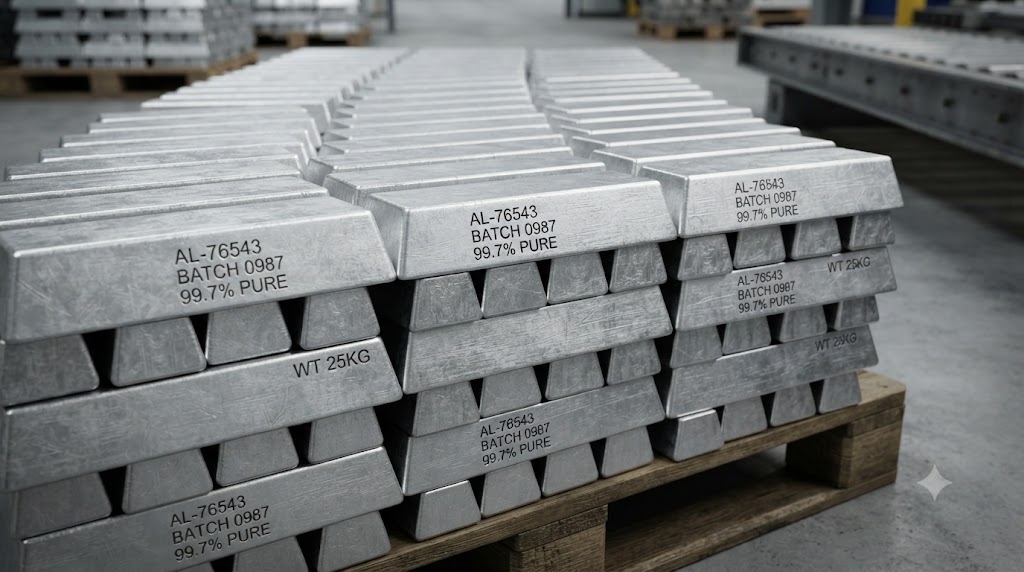
The aluminum market tightness that sent prices surging during recent months traces directly back to the Hormuz chokepoint that disrupted crude oil and chemical flows. Middle Eastern aluminum smelters, particularly in the Gulf region, depend on seaborne bauxite imports and export finished metal through the same contested waterway. When the interim US-Iran agreement was announced, markets expected supply relief, with Chinese producers already responding by increasing output 1.7% in May to 3.89 million tonnes to fill regional gaps.
For chemical procurement teams, this aluminum story matters because primary aluminum production consumes massive quantities of alumina, caustic soda for alumina refining and carbon products for smelter anodes. When aluminum supply chains shift and Chinese output surges, chemical demand patterns shift with them.
How Hormuz Disruption Hit Aluminum Supply Chains
Aluminum production operates through a global supply chain that Hormuz disruption fractured at multiple points.
The typical flow moves:
Bauxite ore mined in Australia, Guinea, Brazil and other sources ships to refineries
Alumina refineries convert bauxite to aluminum oxide using caustic soda and heat
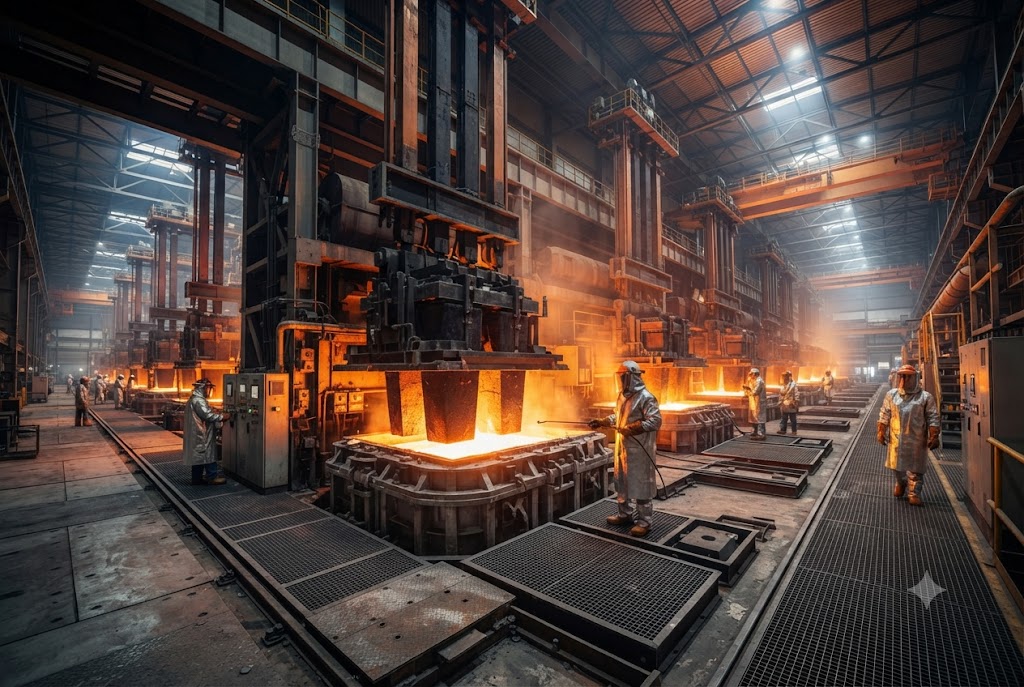
Primary smelters reduce alumina to metallic aluminum through electrolysis consuming massive electricity
Finished metal ships to fabricators and end users globally
Middle Eastern smelters in UAE, Bahrain, Saudi Arabia and Oman sit at the center of several disrupted links:
Bauxite imports from Australia and Guinea transit near or through Hormuz routes
Alumina imports from Australia and China face similar logistics constraints
Finished aluminum exports to Asian and European customers depend on Hormuz transit
Regional power generation sometimes uses natural gas or oil moving through affected areas
When Hormuz traffic collapsed from normal 130 vessels daily to single digits, aluminum supply chains seized alongside oil and petrochemicals.
Middle Eastern Aluminum Production Advantages
Gulf region smelters built competitive positions based on specific advantages that Hormuz disruption temporarily neutralized.
Key regional advantages include:
Low-cost electricity from abundant natural gas generation
Government support through subsidized power rates and strategic industry policies
Modern facilities with newer, more efficient smelting technology
Export orientation designed to serve Asian and European markets
Major producers like Emirates Global Aluminium (EGA), Alba in Bahrain and newer Saudi capacity operate among the world's lowest-cost smelters when logistics function normally.
But Hormuz disruption meant:
Feedstock deliveries became uncertain or prohibitively expensive
Finished metal could not reach customers at economic shipping costs
Some facilities faced production cuts despite having cost advantages
Regional buyers scrambled for alternative suppliers
The tightness in aluminum markets reflected not just lost production but the sudden unavailability of significant low-cost supply that global markets had incorporated into baseline assumptions.
China's Response: Output Surge to Fill Gaps
Chinese aluminum producers responded to tightening global markets and higher prices by increasing production despite domestic policies that had been constraining output growth.
China's aluminum sector dynamics:
Accounts for roughly 60% of global primary aluminum production
Faces government pressure to limit capacity due to energy consumption and emissions
Maintains substantial idle capacity that can restart when economics justify
Exports both primary metal and fabricated products across Asia and globally
The 1.7% May output increase to 3.89 million tonnes may sound modest in percentage terms but represents substantial absolute volume. On an annualized basis, this output level implies roughly 46-47 million tonnes annually, compared to global production around 70 million tonnes total.
Chinese producers increased output by:
Restarting idled capacity that had been offline due to power restrictions or economic constraints
Running existing facilities at higher utilization rates
Accelerating planned capacity additions
Reducing exports of semi-finished products to free up metal for direct sale
The response shows how quickly Chinese industrial capacity can adjust to fill global supply gaps when price signals justify action.
Alumina and Caustic Soda Demand Implications
Aluminum production consumes enormous quantities of alumina (aluminum oxide), which in turn requires significant caustic soda during the refining process.
Alumina production chemistry:
Bayer process uses caustic soda (sodium hydroxide) to extract alumina from bauxite ore
Roughly 1.9-2.0 tonnes of alumina required to produce one tonne of aluminum
Alumina refining consumes substantial caustic, with some recovery but continuous makeup needs
When Chinese aluminum output increased 1.7%, it created proportional demand increases for:
Alumina feedstock requiring roughly 66,000 additional tonnes monthly at the higher production rate
Caustic soda for alumina refining increasing by several thousand tonnes monthly
Additional bauxite imports to supply the alumina refineries
For chemical procurement teams managing caustic soda portfolios, aluminum industry demand represents significant structural consumption that responds to aluminum market dynamics.
The Hormuz-driven shift from Middle Eastern to Chinese aluminum production effectively moved caustic demand along with it, tightening Asian caustic markets while potentially easing demand in regions where Middle Eastern refineries curtailed.
Carbon Products and Anode Manufacturing
Primary aluminum smelters consume large quantities of carbon anodes that must be continuously replaced during the electrolysis process.
Anode consumption patterns:
Approximately 0.4-0.5 tonnes of carbon anodes consumed per tonne of aluminum produced
Anodes manufactured from petroleum coke and coal tar pitch
Pre-baked anode technology used in modern smelters requires substantial carbon product inputs
When Chinese aluminum output surged to fill Middle Eastern supply gaps, it created derivative demand for:
Petroleum coke for anode manufacturing
Coal tar pitch as binder material
Additional anode production capacity utilization
Transportation and logistics for these bulk materials
For buyers managing petroleum coke or coal tar pitch, aluminum sector demand provides important consumption base. Changes in aluminum production geography shift where this demand concentrates.
The increase in Chinese aluminum production translates to roughly 2,000-2,500 additional tonnes monthly of carbon anode consumption at the higher output rates.
Regional Aluminum Price Differentials
Hormuz disruption created unusual aluminum price differentials across global markets that procurement teams had to navigate.
Typically, aluminum trades as relatively fungible global commodity with prices closely linked through arbitrage. London Metal Exchange (LME) prices, Shanghai Futures Exchange (SHFE) and regional premiums normally maintain relationships reflecting freight costs and trade barriers.
During peak Hormuz disruption:
Asian spot premiums spiked as Middle Eastern supply became unavailable
European prices rose but less severely given alternative supply routes
US domestic prices gained as exports became more attractive
Regional price spreads widened beyond normal arbitrage relationships
For aluminum buyers, this meant:
Geographic sourcing strategies suddenly mattered far more than during normal periods
Long-term contracts at fixed premiums became extremely valuable or painful depending on location
Spot purchasing exposed buyers to extreme price volatility
Logistics and delivery timing became as important as absolute price
The expectation that Hormuz agreements would relieve tightness created additional volatility as buyers tried to time purchases around anticipated supply normalization.
What "Relief" Actually Means for Markets
The interim Hormuz agreement mentioned in the context was expected to relieve aluminum tightness by allowing Middle Eastern production to return to export markets.
However, relief does not mean instant return to normal. Several factors limit how quickly markets rebalance:
Smelters that reduced operations need time to ramp back to full production
Feedstock supply chains must rebuild inventory throughout the pipeline
Shipping logistics require weeks to return vessels and establish normal flow patterns
Buyers who secured alternative sources under long-term contracts may not immediately switch back
Chinese production increases during the disruption period create additional dynamics:
Some capacity that restarted may remain online even as Middle Eastern supply returns
Total global production could temporarily exceed demand
Overcapacity would pressure prices back down potentially sharply
Chinese government may reimpose production constraints to prevent domestic oversupply
The transition from acute shortage to potential oversupply can happen quickly in aluminum markets given the volume of capacity that China can swing online or offline.
Chemical buyers managing materials consumed by the aluminum sector should adjust strategies based on these market dynamics.
For caustic soda suppliers and buyers:
Monitor aluminum production trends in China as leading indicator of caustic demand
Understand that production shifts between regions change caustic demand geography
Build contracts that account for volatility in aluminum-driven caustic consumption
Maintain flexibility to redirect supply as aluminum production patterns shift
For petroleum coke and carbon product markets:
Track aluminum smelter operating rates as demand driver
Recognize that Chinese production increases drive Asian coke demand
Consider that Middle Eastern smelter restarts eventually increase their feedstock needs
Plan for potential overcapacity if both Chinese and Middle Eastern production run high simultaneously
For bauxite and alumina markets:
Chinese aluminum output increases require corresponding alumina supply
Australian and Guinea bauxite exporters benefit from Chinese demand surge
Logistics and shipping availability become critical during supply chain recovery
Quality specifications and alumina grades matter when switching suppliers quickly
The aluminum story illustrates how geopolitical disruptions in one commodity (oil through Hormuz) cascade through related materials (aluminum) and into chemical feedstock demand (caustic, carbon products, alumina).
Environmental and Energy Policy Angles
China's ability to surge aluminum production despite environmental and energy policies reveals important dynamics about policy implementation versus market response.
Chinese government has promoted policies to:
Limit aluminum capacity growth due to high energy consumption
Reduce emissions from industrial processes including aluminum smelting
Improve energy efficiency across manufacturing sectors
Support higher-value production over commodity bulk materials
Yet when aluminum prices spiked due to Hormuz disruption and global tightness, Chinese producers increased output significantly.
This demonstrates several realities:
Economic signals can override policy restrictions when price incentives are strong enough
Idle capacity provides flexibility to respond to market opportunities
Local governments and producers find ways to increase output within policy frameworks
Global market integration means Chinese supply responds to international price signals
For procurement teams, this means:
Chinese chemical and metal supply is more responsive to global markets than policy pronouncements alone would suggest
Assuming rigid Chinese production based on policy targets can miss actual market behavior
Price-driven capacity swings in China create volatility in related chemical markets
Environmental policies may constrain long-term growth but not eliminate short-term production flexibility
What This Means for 2026 Outlook
The combination of potential Hormuz normalization and elevated Chinese aluminum production creates complex outlook for rest of 2026.
Bullish case for aluminum (and related chemical demand):
Global economic recovery drives aluminum consumption growth
Supply disruptions from Hormuz or other sources keep markets tight
Chinese production constraints prevent oversupply
Caustic, coke and alumina demand remains strong
Bearish case:
Hormuz normalization returns Middle Eastern supply to markets
Chinese production remains elevated creating global oversupply
Economic weakness reduces aluminum consumption
Prices decline pressuring chemical feedstock demand
Most likely scenario:
Gradual normalization with periodic volatility
Chinese production adjusts downward if prices weaken
Regional supply balances shift but global markets remain relatively tight
Chemical feedstock demand for aluminum sector stays supported
Procurement teams should build strategies that work across these scenarios rather than betting on single outcome.
The Bottom Line for Chemical Buyers
Aluminum market tightness connecting back to Hormuz chokepoint disruption illustrates how energy, metals and chemicals interlink through complex global supply chains. Chinese aluminum producers responded to Middle Eastern supply gaps by increasing output 1.7% in May to 3.89 million tonnes, creating proportional demand increases for alumina, caustic soda and carbon products.
For chemical procurement teams, key takeaways include:
Understanding that aluminum sector demand drives significant caustic soda and carbon product consumption. Recognizing that production geography shifts change where chemical demand concentrates. Monitoring aluminum market dynamics as leading indicator for related chemical demand. Building sourcing strategies that account for volatility in aluminum production patterns.
The Hormuz situation affected far more than crude oil and petrochemicals. Metals, minerals and the chemicals that support their production all felt impacts. The teams that map these connections and adjust sourcing strategies accordingly will navigate disruption more successfully than those treating each commodity in isolation.
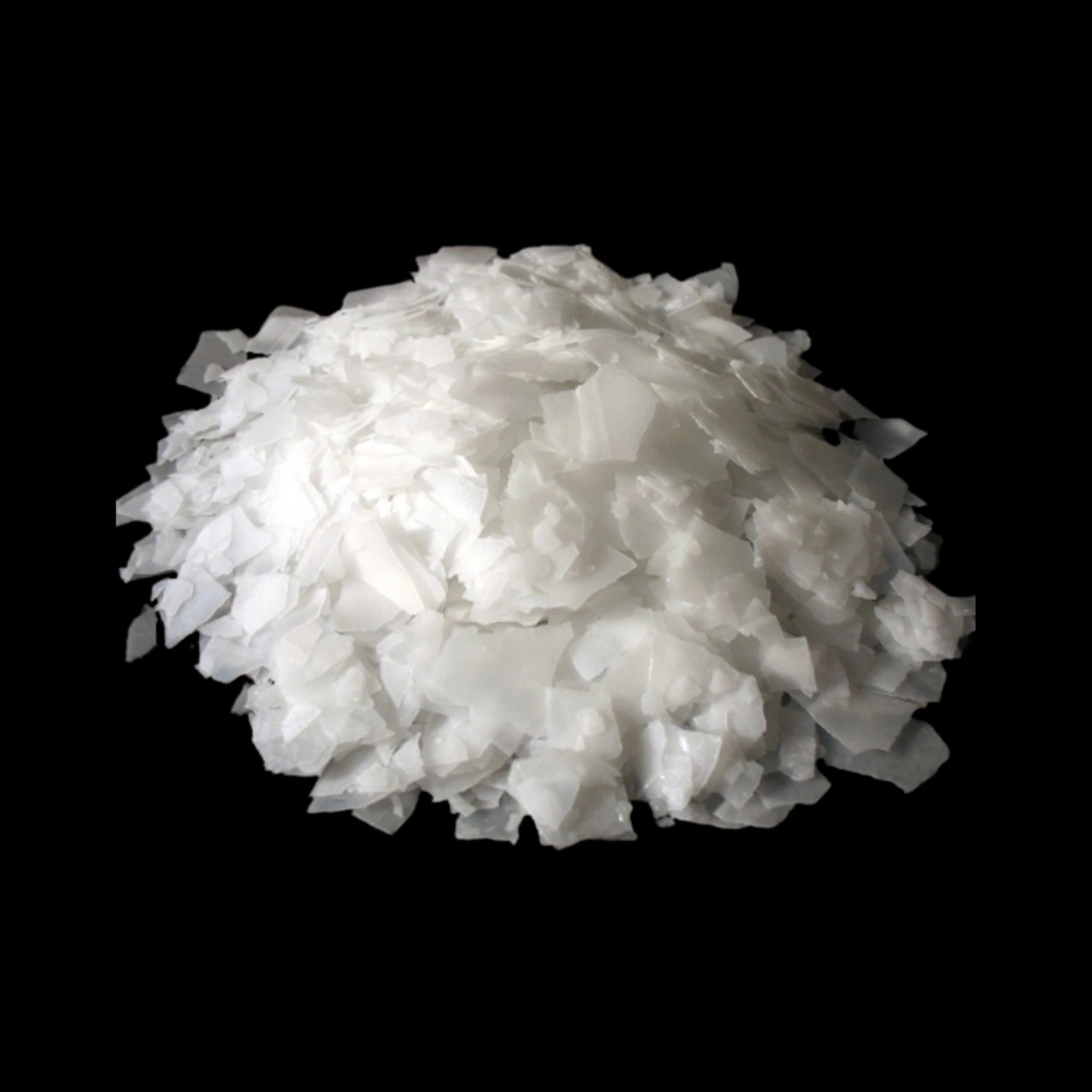
Ready to source Caustic Soda Flakes from verified global suppliers? Explore competitive offers on our platform today.