A small but growing number of chemical industry executives are placing bets on a technology that many consider improbable at commercial scale. CO2 electrolysis, the process of using renewable electricity to convert carbon dioxide into chemical building blocks, represents what some insiders are calling a moonshot with the potential to revolutionize production.
The technology sits at the intersection of decarbonization pressure and feedstock diversification. Unlike carbon capture and storage, which focuses on sequestering emissions underground, CO2 electrolysis aims to turn waste carbon into profitable molecules. The economic case remains fragile, but the strategic logic is compelling enough that procurement teams should understand where this technology stands and what it could mean for future supply chains.
What CO2 Electrolysis Actually Means for Chemical Production
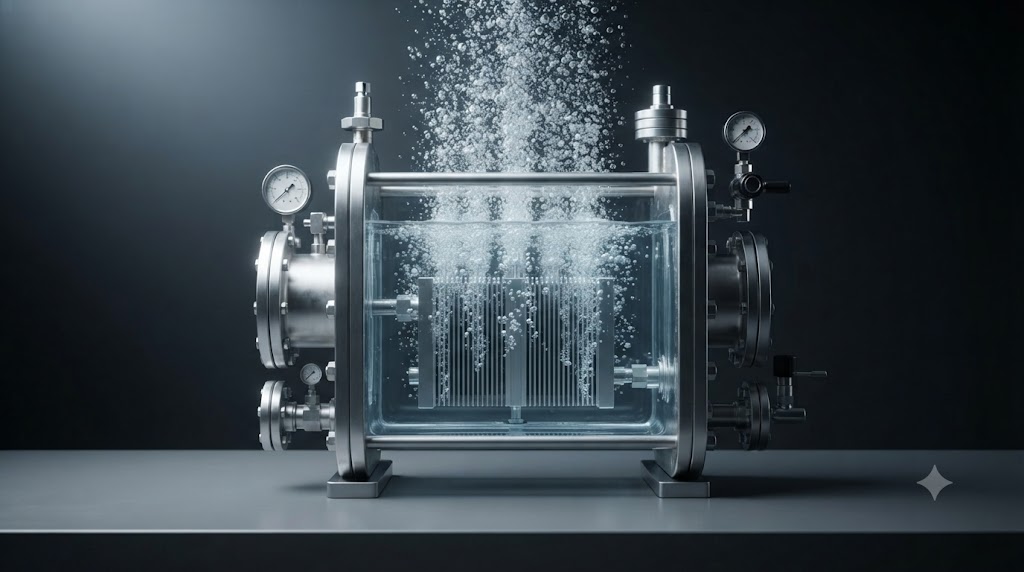
CO2 electrolysis uses electrical current to break apart carbon dioxide molecules and recombine the atoms into useful chemicals. The process occurs in an electrochemical cell, similar in principle to a battery but designed to drive chemical reactions rather than store energy.
Renewable electricity powers the reaction, splitting water into hydrogen and oxygen while simultaneously reducing CO2 at the cathode. The result can be carbon monoxide, formic acid, methanol, ethylene or other carbon-based molecules depending on the catalyst and cell design used.
The appeal is straightforward. Chemical producers could theoretically replace fossil feedstocks with captured CO2 and clean electricity. Ethylene, methanol and other platform chemicals currently derived from oil and natural gas could instead come from emissions and renewable power.
Why Industry Voices Are Calling This a Moonshot
The moonshot label reflects both ambition and skepticism. Technically, CO2 electrolysis works in laboratory and pilot settings. Several companies have demonstrated the conversion of CO2 into target molecules with reasonable selectivity. The challenge lies in economics and scale.
Current production costs for electrolyzed chemicals remain multiples higher than conventional petrochemical routes. Electricity represents the largest variable cost, and even with cheap renewables, the energy intensity of breaking stable CO2 bonds creates a steep cost hurdle.
Catalyst durability presents another barrier. Many electrolyzer designs suffer from rapid degradation, requiring frequent replacement of expensive electrode materials. Achieving thousands of operating hours without performance loss remains an active area of research.
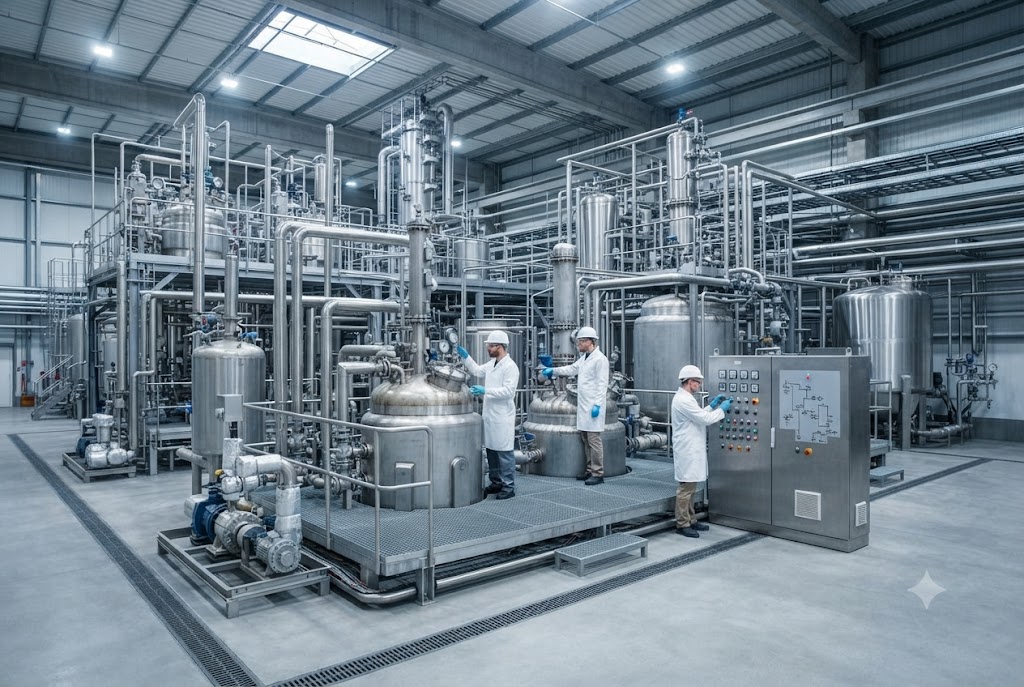
Cell architecture and engineering represent additional frontiers. Moving from kilowatt-scale pilots to megawatt-scale commercial plants requires solving heat management, mass transport and system integration challenges that have not yet been demonstrated at industrial scale.
The Specific Chemicals This Technology Could Deliver
CO2 electrolysis developers are targeting a range of molecules, each with different technical maturity and market potential.
Carbon monoxide is among the simpler products, requiring a two-electron reduction. It serves as a building block for syngas and Fischer-Tropsch synthesis, offering a route to synthetic fuels and waxes. Several pilot projects have focused on CO production as a near-term commercial pathway.
Formic acid production via CO2 electrolysis has gained traction because of relatively mature catalyst systems and growing demand in textile, leather and pharmaceutical applications. Formic acid can also serve as a hydrogen carrier, adding strategic value beyond direct chemical use.
Methanol represents a higher-value target with massive existing markets in formaldehyde, acetic acid and fuel blending. Electrolytic methanol could displace conventional syngas-based production if costs decline sufficiently. Multiple pilot facilities in Europe and Asia are pursuing this route.
Ethylene production from CO2 is perhaps the most ambitious target given ethylene's role as the world's highest-volume organic chemical. Converting CO2 directly to ethylene requires complex multi-step electron transfer and precise catalyst design. Success here would directly impact polyethylene, PVC and derivative markets worth hundreds of billions annually.
The Economic Reality Holding Back Commercialization
Even optimistic techno-economic models show CO2 electrolysis struggling to compete with incumbent production at current electricity prices and capital costs. The breakeven electricity price for electrolytic ethylene, for example, is often cited in the range of $20 to $30 per megawatt-hour, achievable only in the most favorable renewable energy markets.
Capital expenditure for electrolyzer systems remains high. Early commercial plants are likely to cost several times more per ton of annual capacity than conventional steam crackers or methanol synthesis units. Financing these first movers requires either strong policy support or corporate commitments that prioritize decarbonization over near-term returns.
Feedstock CO2 availability and purity also matter. While industrial point sources offer concentrated streams, the cost of capture and purification adds to overall production expenses. Using direct air capture as a CO2 source further increases costs, though it offers greater geographic flexibility.
Operating flexibility poses another economic consideration. Electrolyzers powered by intermittent renewables must either incorporate expensive battery storage or accept lower capacity factors. Lower utilization spreads capital costs over fewer operating hours, worsening unit economics.
Where Pilot Projects and Early Commercialization Are Happening
Europe has emerged as the most active region for CO2 electrolysis development, driven by stringent carbon regulations and substantial public research funding. Germany, the Netherlands and Denmark host multiple pilot facilities testing different catalyst systems and target molecules.
Several chemical majors have announced partnerships with electrolyzer technology developers. These collaborations typically involve joint pilot projects aimed at demonstrating technical feasibility and gathering operating data to refine economic models.
China is also investing significantly in electrochemical CO2 conversion as part of broader carbon neutrality goals. Chinese research institutions and companies are publishing extensively on catalyst development and cell engineering. Some observers expect Chinese manufacturers to drive down electrolyzer capital costs through scale and supply chain integration, similar to patterns seen in solar and battery industries.
North American activity has been more limited but is growing. A handful of startups have raised venture funding to commercialize proprietary electrolyzer designs. Industrial clusters along the Gulf Coast, with abundant CO2 sources and proximity to chemical markets, represent potential sites for early commercial deployment.
How This Technology Differs from Carbon Capture and Storage
Buyers and procurement teams sometimes conflate CO2 electrolysis with carbon capture and storage, but the technologies serve different purposes and face different adoption drivers.
CCS focuses on preventing CO2 from entering the atmosphere by capturing it from industrial sources and injecting it into geological formations. The primary motivation is regulatory compliance and carbon credit generation. Captured CO2 has no intrinsic value in most CCS projects.
CO2 electrolysis treats carbon dioxide as a feedstock rather than a waste product. The goal is to create valuable chemicals that generate revenue, not just avoid emissions penalties. This distinction makes electrolysis economically self-sustaining in theory, though current costs prevent profitability without subsidies.
The technologies can complement each other. CCS infrastructure can supply purified CO2 to electrolysis facilities, creating a potential synergy where emissions avoidance and chemical production occur in integrated systems. Some industrial clusters are exploring this combined approach.
The Policy and Regulatory Landscape Shaping Development
Government support is critical for near-term CO2 electrolysis deployment. Subsidies, tax credits and procurement mandates can bridge the cost gap between electrolytic and conventional chemicals during the technology's early commercial phase.
The European Union's Innovation Fund and various national programs provide grants for low-carbon chemical projects, including electrolysis pilots. These programs reduce upfront risk for companies testing unproven technologies.
Carbon pricing mechanisms also influence the economic calculus. Higher carbon prices improve the relative competitiveness of low-carbon production routes. In jurisdictions with carbon taxes or cap-and-trade systems exceeding $100 per ton, CO2 electrolysis becomes more economically plausible, though still not fully competitive.
Product-specific regulations matter as well. Mandates for sustainable aviation fuel or low-carbon hydrogen create demand for electrolytic intermediates like methanol and CO. Chemical buyers in regulated sectors may be willing to pay premiums for certified low-carbon molecules, opening niche markets ahead of broader cost parity.
What Procurement and Supply Chain Teams Should Monitor
For procurement professionals, CO2 electrolysis remains a technology to watch rather than a current sourcing option. No commercial-scale facilities are producing commodity chemicals via electrolysis at volumes relevant to typical procurement needs.
However, several developments warrant attention over the next three to five years.
Pilot plant announcements and performance data will signal technical progress. Successful operation of multi-megawatt electrolyzers with high uptime and stable performance would indicate that scale-up barriers are being overcome.
Corporate offtake agreements between chemical producers and brand owners could create early markets for premium-priced electrolytic chemicals. Companies with aggressive sustainability commitments may be willing to secure small volumes as proof-of-concept, establishing precedent for larger contracts.
Policy changes that increase carbon pricing or introduce low-carbon product standards will shift the economic timeline. Procurement teams in regions with strong climate policy should model potential impacts on chemical costs and availability if electrolysis gains market share.
Cost trajectories for renewable electricity and electrolyzer capital represent the key variables determining when electrolysis becomes cost-competitive. Tracking these trends provides insight into likely commercialization timelines for specific molecules.
Strategic Implications for Chemical Buyers in the 2030s
If CO2 electrolysis achieves commercial viability, the implications for chemical supply chains will be substantial. Production could shift geographically toward regions with abundant low-cost renewable electricity, potentially disrupting established trade flows from petrochemical hubs.
Supply security could improve for buyers in regions with limited fossil resources but strong renewable potential. Countries currently dependent on imported naphtha or natural gas could develop domestic chemical production capacity powered by wind or solar.
Price volatility may change character. Electrolytic chemical prices would correlate more closely with electricity markets than with oil and gas. Buyers accustomed to tracking crude benchmarks would need to develop new forecasting approaches based on power prices and renewable capacity factors.
Sustainability verification and carbon accounting will become more complex. Procurement teams will need systems to verify the carbon intensity of purchased chemicals, distinguishing between conventional, bio-based and electrolytic production routes. Third-party certification and blockchain-based tracking may become standard.
Positioning Your Organization for a Low-Carbon Chemical Future
Procurement teams should begin scenario planning that includes potential CO2 electrolysis commercialization, even if large-scale deployment remains uncertain. Understanding the technology's capabilities and limitations enables better strategic decisions when early commercial offers emerge.
Building relationships with innovative producers and staying informed about pilot projects creates optionality. Early engagement allows buyers to influence product specifications and contract structures as new supply chains develop.
Participating in industry working groups focused on low-carbon chemicals provides visibility into emerging standards and market formation. These forums offer opportunities to shape certification approaches and advocate for buyer priorities.
Internally, developing carbon accounting capabilities and integrating emissions data into procurement decisions prepares organizations for a market where carbon intensity increasingly influences purchasing. Teams that build these competencies now will have competitive advantages as regulations and customer expectations evolve.
The moonshot may not land on schedule, but the trajectory is worth tracking. Ready to source methanol from verified global suppliers? Explore competitive offers on our platform today.