India's Green Ammonia Strategy and Fertilizer Security Outlook | ChemicalsBlog.com
Agrochemicals & Fertilizers
schedule4 Min Read
Ammonia and the NextGen Summit: India's Green Hydrogen Ambitions and Fertilizer Security
terminal
prodchem
Jul 9, 2026
India's fertilizer industry is entering a new phase as sustainability, energy security, and domestic manufacturing become increasingly interconnected. Discussions around green hydrogen and green ammonia are gaining momentum as policymakers and industry leaders explore ways to reduce dependence on imported fertilizer feedstocks while supporting long-term decarbonization goals.
The focus on building a green hydrogen ecosystem reflects a broader strategic objective: strengthening India's fertilizer supply chain through domestic production. For procurement professionals, developments in green ammonia manufacturing could reshape sourcing strategies, investment decisions, and fertilizer market dynamics over the coming decade.
Understanding Green Ammonia
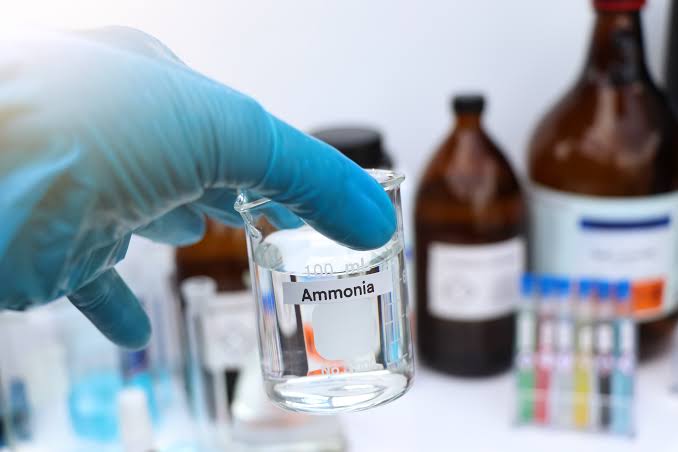
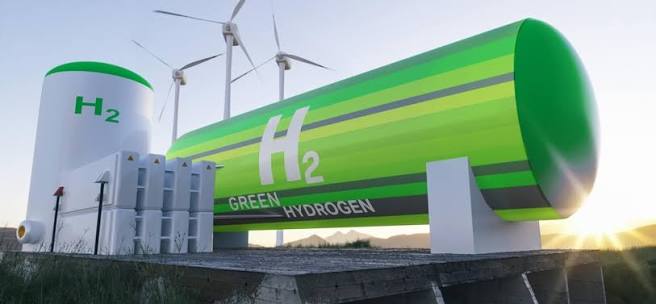
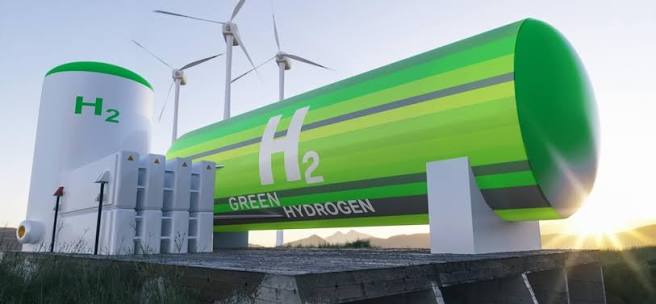
Green ammonia is produced using renewable electricity to generate green hydrogen through water electrolysis. The hydrogen is then combined with nitrogen extracted from the air using the Haber-Bosch process to produce ammonia.
Unlike conventional ammonia production, which relies heavily on natural gas, green ammonia significantly reduces carbon emissions by replacing fossil fuels with renewable energy sources.
The result is a more sustainable ammonia production pathway with potential benefits for agriculture, energy storage, and industrial manufacturing.
Why Ammonia Matters
Ammonia is the foundation of modern nitrogen fertilizer production.
It serves as the primary building block for products including:
A stable ammonia supply is therefore essential for maintaining agricultural productivity and food security.
India's Strategic Interest in Green Ammonia
India remains one of the world's largest fertilizer consumers, with agriculture playing a central role in the national economy.
Expanding domestic green ammonia production could provide several strategic advantages.
Enhanced Supply Security
Domestic production reduces exposure to international shipping disruptions and imported feedstock availability.
Greater Energy Independence
Renewable energy-powered ammonia production decreases dependence on imported fossil fuels.
Long-Term Sustainability
Green ammonia supports India's broader climate goals while reducing the carbon footprint of fertilizer manufacturing.
Industrial Development
Investment in green hydrogen infrastructure creates opportunities for new industries, skilled employment, and technological innovation.
What It Means for Fertilizer Procurement
Although large-scale commercial green ammonia production will require significant investment and time, procurement teams should begin monitoring industry developments today.
Key considerations include:
Supplier Diversification
Green ammonia could introduce new domestic suppliers alongside traditional international producers.
Long-Term Contract Planning
Future supply agreements may increasingly include low-carbon ammonia and sustainable fertilizer products.
ESG and Sustainability Goals
Organizations with environmental commitments may gradually integrate green fertilizers into procurement strategies.
Price Evolution
Production costs are expected to decline over time as renewable energy capacity expands and green hydrogen technologies mature.
Challenges to Commercial Adoption
Despite strong momentum, several factors will influence the pace of green ammonia commercialization.
These include:
High initial capital investment
Renewable energy availability
Electrolyzer manufacturing capacity
Infrastructure development
Technology scale-up
Competitive production economics
As technology improves and investment increases, commercial viability is expected to strengthen over the long term.
Building a Green Fertilizer Ecosystem
Developing a competitive green ammonia industry requires collaboration across multiple sectors.
Key components include:
Renewable electricity generation
Green hydrogen production
Ammonia manufacturing facilities
Storage infrastructure
Transportation networks
Fertilizer production plants
Distribution systems
An integrated value chain will be essential for achieving cost-effective domestic production.
Implications for the Global Fertilizer Market
Growing investment in green ammonia is expected to influence fertilizer markets beyond India.
Potential long-term impacts include:
Increased regional production capacity
Diversified ammonia supply sources
Reduced carbon emissions
Greater supply chain resilience
Expansion of low-carbon fertilizer markets
While conventional ammonia will remain important for many years, green ammonia is emerging as a strategic growth segment within the global fertilizer industry.
Long-Term Outlook
Green ammonia is expected to become an increasingly important component of the global fertilizer industry as countries pursue greater energy security, sustainable manufacturing, and resilient agricultural supply chains. Continued investment in renewable energy, hydrogen production technologies, and industrial infrastructure will determine the pace of commercial adoption.
For procurement professionals, early monitoring of green ammonia developments offers valuable strategic insight. Organizations that understand emerging supply trends today will be better positioned to diversify sourcing, meet sustainability objectives, and adapt to the evolving fertilizer market in the years ahead.
Key Takeaways
Green ammonia is produced using renewable hydrogen and serves as the foundation for sustainable nitrogen fertilizer production.
Domestic green ammonia can strengthen fertilizer supply security by reducing dependence on imported feedstocks.
Procurement teams should monitor emerging green ammonia projects as potential future supply sources.
Renewable energy expansion and technological improvements will support long-term commercial growth.
Green ammonia is expected to play an increasingly important role in building resilient and low-carbon fertilizer supply chains.