Ammonia Price Shock in 2026: What $775 Tampa Prices Mean for Global Buyers and Green Ammonia
Tampa ammonia reached $775 per metric ton for April 2026, marking one of the sharpest price moves in the market in recent years. The jump has put ammonia procurement under renewed pressure while strengthening the case for diversified supply, additional production capacity and lower-carbon alternatives.
For chemical traders, importers and industrial buyers, the ammonia price shock is more than a short-term pricing event. Ammonia sits at the center of fertilizer manufacturing and supports several industrial value chains, so disruptions can quickly affect procurement budgets, logistics planning and downstream product costs.
Why Ammonia Prices Have Moved Sharply
The Tampa benchmark climbed by $160 per metric ton from the previous settlement, reaching $775 per metric ton for April loadings. The move reflected a tightening supply environment and growing competition for available cargoes.
Several factors can push ammonia prices higher at the same time:
Production disruptions: When major ammonia facilities reduce output or shut down temporarily, buyers must compete for fewer merchant cargoes.
Feedstock pressure: Natural gas remains a major cost component for conventional ammonia production, making energy markets an important factor for producers and traders.
Regional supply imbalances: A surplus in one region does not automatically solve shortages elsewhere because ammonia transportation requires specialized infrastructure and vessels.
Fertilizer demand: Strong agricultural demand can pull ammonia into fertilizer production, reducing the volume available for other industrial uses.
Logistics constraints: Port availability, shipping costs and regional freight conditions can alter the delivered cost even when the underlying production price remains stable.
The result is a market where procurement teams cannot rely solely on a single benchmark. Delivered cost, freight exposure, origin and supply reliability all matter when evaluating an ammonia offer.
Tampa's $775 Benchmark and What It Signals
The April Tampa settlement became an important signal for the North American ammonia market. Green Markets reported the Tampa ammonia price at $775 per metric ton, while market reporting described the increase as a sharp jump from the March settlement.
For buyers, the key issue is not simply whether $775 represents a high number. The more important question is what caused the market to reach that level and whether the underlying supply conditions can persist.
A sudden benchmark increase can change purchasing strategies in several ways:
Short-term contracts become more valuable. Buyers may seek greater price visibility when spot prices become volatile.
Alternative origins attract more attention. Procurement teams may evaluate suppliers from regions that can provide competitive delivered costs.
Inventory planning becomes more important. Maintaining appropriate stocks can reduce exposure to sudden spot-market increases.
Freight becomes a strategic consideration. A cheaper origin may not remain competitive after transportation and handling costs.
Supplier diversification gains importance. Multiple qualified sources can reduce dependence on a single production region.
The Tampa move therefore illustrates how quickly an ammonia market can shift when supply availability changes.
Petrobras UFN-III Adds New Supply Potential
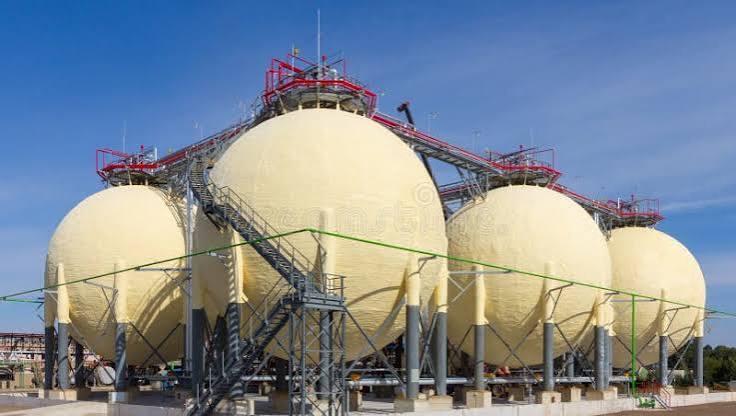
While the global market faces short-term volatility, longer-term production projects could improve regional supply resilience. One important development is Petrobras' decision to resume construction of the UFN-III nitrogen fertilizer unit in Três Lagoas, Mato Grosso do Sul.
Petrobras approved the restart in April 2026 following an economic and technical reassessment of the project. The company expects commercial operations to begin in 2029, with approximately US$1 billion required to complete the facility.
UFN-III is designed to produce approximately 2,200 metric tons of ammonia per day alongside around 3,600 metric tons of urea per day. Petrobras expects about 180 metric tons per day of ammonia to be available as surplus for sale.
The project's location also matters. Três Lagoas sits close to major Brazilian agricultural markets and connects to natural gas infrastructure, positioning the facility to serve important consuming regions.
For the Brazilian market, additional domestic production could help reduce dependence on imported fertilizer products and improve supply reliability. For international traders, the project also demonstrates how producers are responding to the strategic importance of nitrogen supply.
Conventional Ammonia Meets the Green Ammonia Push
The current price shock is also drawing attention to the longer-term transition toward green ammonia. Conventional ammonia generally relies on hydrogen produced from fossil-based feedstocks, while green ammonia uses hydrogen generated with renewable electricity and water electrolysis.
Green ammonia can potentially reduce the carbon intensity associated with ammonia production. That makes it relevant not only to fertilizer companies but also to future applications in shipping, energy storage and industrial decarbonization.
However, higher conventional ammonia prices do not automatically make green ammonia commercially competitive. Green ammonia projects still face significant challenges involving renewable power availability, electrolyzer investment, production scale, infrastructure and certification.
The market is therefore developing along two connected paths:
Conventional capacity expansion: New and restarted facilities can add near-term or medium-term supply and improve regional security.
Low-carbon investment: Green and other lower-carbon ammonia projects aim to reshape the production base over a longer timeframe.
For buyers, understanding the difference is essential. A project that adds conventional ammonia capacity addresses supply availability, while a green ammonia project also addresses emissions intensity and future sustainability requirements.
What Is Driving Demand for Ammonia?
Fertilizer production remains one of the largest demand centers for ammonia. The chemical provides the nitrogen component needed to manufacture products such as urea and other nitrogen fertilizers.
Petrochemical and industrial applications also contribute to demand. Ammonia can serve as a feedstock or intermediate in several chemical processes, while its physical and chemical properties support applications across refrigeration and other industrial systems.
Brazil provides a useful example of the scale of nitrogen demand. Petrobras states that national urea consumption is around 8 million tons per year, with agricultural demand spanning crops including corn, sugarcane, coffee, wheat and cotton.
This broad demand base means ammonia pricing can have effects well beyond the ammonia market itself. Higher feedstock costs can eventually influence fertilizer prices, agricultural input budgets and the economics of downstream production.
How Procurement Teams Can Manage Ammonia Volatility
The $775 Tampa benchmark highlights the importance of procurement discipline when ammonia prices move rapidly. Buyers should evaluate offers using the complete delivered-cost picture rather than focusing only on the headline price.
A stronger procurement strategy can include:
Multiple qualified suppliers: Maintaining alternatives reduces exposure to production outages or regional shortages.
Flexible sourcing origins: Buyers can compare supply from different production hubs when freight economics allow.
Inventory planning: Appropriate inventory buffers can provide protection during temporary supply disruptions.
Contract diversification: Combining term agreements with carefully managed spot purchases can provide a balance between security and market flexibility.
Specification control: Buyers should confirm ammonia grade, concentration, packaging or bulk requirements and applicable handling standards before comparing quotations.
Logistics assessment: Freight, storage, port handling and delivery schedules can materially change the final procurement cost.
Procurement teams should also distinguish between short-term price movements and structural changes in the market. A temporary disruption may require tactical buying, while persistent supply constraints may justify longer-term supplier development.
Why New Capacity Matters for Global Ammonia Trade
New ammonia production can influence trade flows even when a project primarily serves its domestic market. Additional regional supply can reduce import requirements, release cargoes from other origins or change the competitive relationship between domestic and imported material.
UFN-III illustrates this dynamic. Petrobras plans to place the facility close to major fertilizer-consuming markets, which should improve access to domestic customers once the plant enters commercial operation.
The project also shows why infrastructure matters as much as nominal production capacity. Natural gas connectivity, proximity to customers, transportation routes and storage facilities can determine how effectively new capacity reaches the market.
For traders, this creates opportunities to monitor not only headline production numbers but also commissioning schedules, operating rates and regional logistics.
Green Ammonia Could Reshape Future Procurement
The green ammonia market remains closely connected to the broader hydrogen economy. Renewable electricity can power electrolysis to produce hydrogen, which can then combine with nitrogen to manufacture ammonia.
The attraction for industrial buyers is the potential to purchase ammonia with a substantially lower production-related carbon footprint. However, commercial adoption will depend on the availability of competitively priced renewable energy, project financing, infrastructure and credible carbon accounting.
For procurement managers, this means sustainability requirements should increasingly form part of supplier evaluation. Buyers may eventually need to assess:
Carbon intensity per ton of ammonia
Renewable electricity sourcing
Hydrogen production pathway
Certification and traceability
Delivery infrastructure
Long-term price competitiveness
Green ammonia therefore represents more than a replacement product. It could become a new procurement category requiring different supplier qualification criteria and contract structures.
What Buyers Should Do Now
The current ammonia market demonstrates how quickly a supply disruption can translate into a major benchmark movement. Tampa's $775 per metric ton April settlement has reinforced the importance of monitoring supply conditions, production outages and regional trade flows.
At the same time, projects such as Petrobras' UFN-III show that producers are adding or restoring capacity to strengthen nitrogen supply. With UFN-III scheduled for commercial operations in 2029, its future output could become an important part of Brazil's domestic fertilizer supply chain.
The longer-term shift toward green ammonia adds another layer to procurement decisions. Buyers that combine reliable conventional supply with early evaluation of lower-carbon alternatives can be better prepared for both price volatility and changing sustainability requirements.
For traders and importers, the priority is to maintain supplier flexibility, monitor delivered costs and understand the production economics behind each offer. For industrial buyers, the strongest sourcing strategy will increasingly balance price, reliability, logistics and carbon performance.
Ammonia Anhydrous
Found this useful?