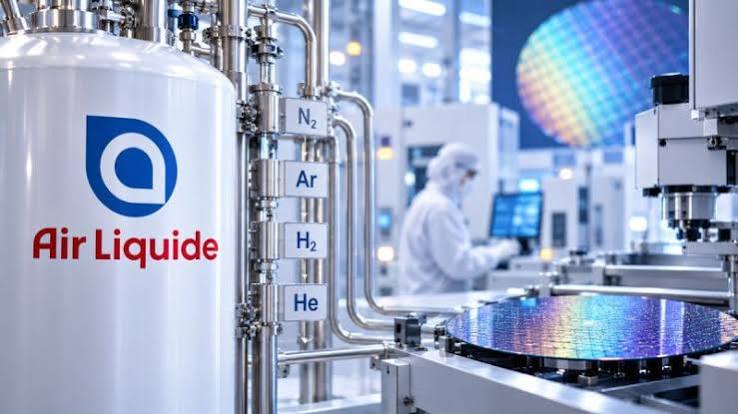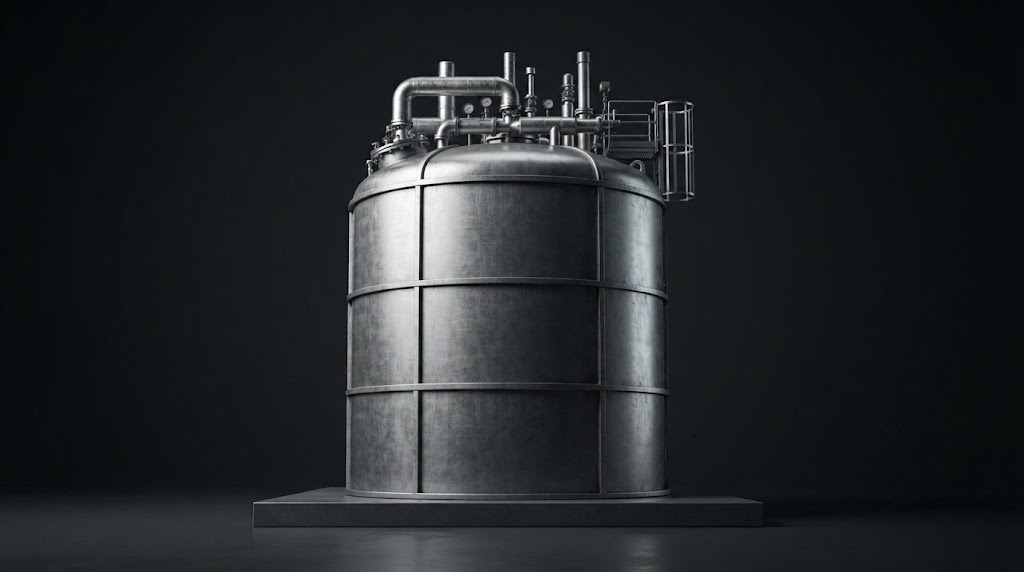
Arkema Inaugurates New SMR Hydrogen Production Unit at Jarrie France
Arkema recently inaugurated a new steam methane reforming hydrogen production unit at its Jarrie facility in France. This strategic infrastructure investment directly supports the company extensive downstream chemical manufacturing operations.
Procurement managers and chemical traders must closely monitor this development. Reliable on-site hydrogen generation fundamentally alters regional supply dynamics for hydrogen-dependent derivatives.
Buyers of downstream chemicals will experience enhanced supply security and operational stability. The market must adapt to this increased vertical integration by major chemical producers.
The Strategic Value of On-Site SMR Hydrogen Generation
Steam methane reforming remains the most established method for large-scale hydrogen production. The decision to install this technology at Jarrie highlights a strong commitment to operational autonomy.
Relying on merchant hydrogen exposes facilities to volatile market pricing and logistical bottlenecks. On-site generation eliminates third-party transportation risks entirely.
It ensures a continuous and predictable supply of high-purity hydrogen for critical synthesis reactions. This reliability is paramount for maintaining uninterrupted downstream production schedules.
The Jarrie site serves as a crucial hub for European chemical operations. Integrating hydrogen production directly into this complex optimizes overall energy efficiency.
The company can now better manage its carbon footprint and utility costs internally. This self-sufficiency provides a massive competitive advantage in the current energy landscape.
Impact on Downstream Chemical Supply Chains
Hydrogen is a foundational building block for numerous high-value chemical products. A dedicated supply at Jarrie will bolster the production of key derivatives like ammonia and methanol.
Procurement teams sourcing these downstream materials will notice improved fulfillment rates from the region. Manufacturers often face severe disruptions when regional hydrogen pipelines undergo maintenance.
An independent SMR unit mitigates this specific vulnerability effectively. Buyers can negotiate more favorable long-term contracts knowing the supplier controls their primary feedstock.
This vertical integration sets a new standard for chemical manufacturing resilience. Competitors will likely evaluate their own hydrogen sourcing strategies in response.
The industry is shifting toward self-sufficiency to protect against macroeconomic energy shocks. Chemical traders must align their portfolios with this structural market evolution.
Key Downstream Chemicals Benefiting from Secure Hydrogen
Secure hydrogen access directly enhances the manufacturing of several critical chemical commodities. Traders and buyers should anticipate stabilized volumes for the following products.
Ammonia Anhydrous relies entirely on hydrogen and nitrogen synthesis. Consistent hydrogen availability prevents production curtailments at integrated facilities. This stability is crucial for agricultural and industrial buyers relying on steady deliveries.
Methanol production requires precise hydrogen-to-carbon monoxide ratios. On-site SMR units allow producers to fine-tune this synthesis process continuously. This results in higher purity grades and reduced manufacturing waste.
Hydrogen Peroxide (35%) - Thailand represents a major global derivative dependent on hydrogen availability. While produced regionally in Asia, global supply chains for this oxidizer are tightly linked to overall hydrogen market tightness. Secure European production helps balance global trade flows.
Global Trade Flow Adjustments for Hydrogen Derivatives
The increased domestic hydrogen production in France will alter regional import dependencies. European chemical manufacturers will reduce their reliance on imported hydrogen-rich derivatives.
This shift will redirect global trade flows toward emerging markets in Asia and the Americas. Chemical exporters must identify new growth regions to absorb their excess capacity.
Freight forwarders will observe changing volume patterns for bulk liquid chemicals. Ports handling ammonia and methanol imports may see a gradual decline in European throughput.
Conversely, export terminals in the Middle East and North America will experience heightened activity. Traders must reconfigure their logistics networks to capture these emerging opportunities.
Currency fluctuations will also impact the final cost of imported chemical alternatives. Procurement teams must work closely with financial departments to hedge against foreign exchange risks.
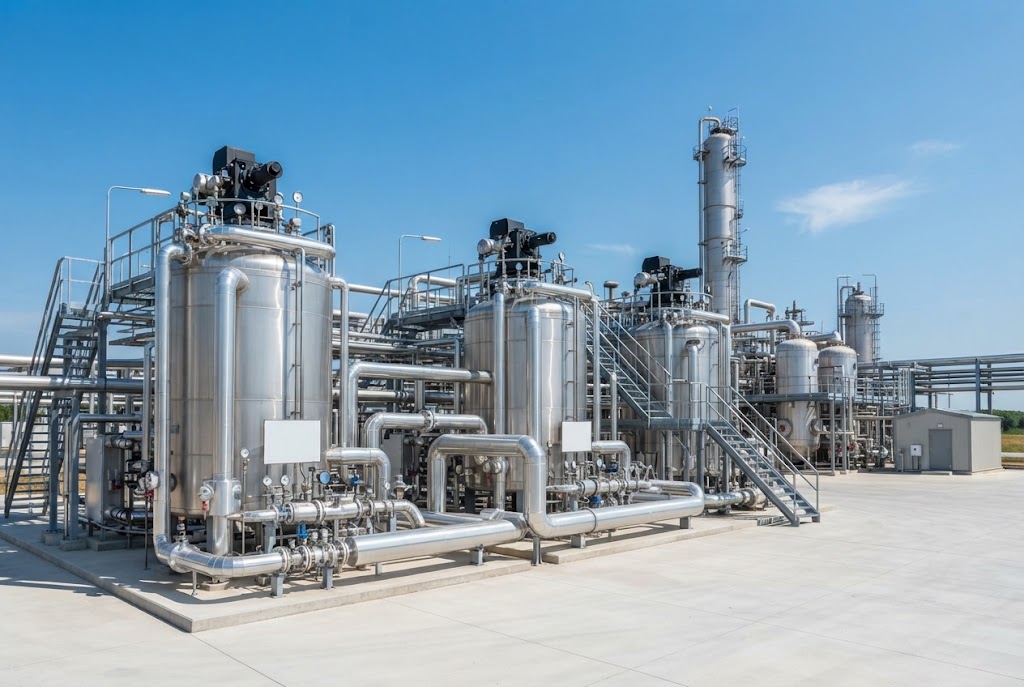
Navigating Energy Transition and SMR Efficiency
Traditional steam methane reforming carries a significant carbon footprint. Modern SMR units incorporate advanced heat recovery and carbon capture readiness.
The new installation likely features these efficiency upgrades to align with European environmental mandates. Procurement professionals must track the carbon intensity of the chemicals they purchase.
Buyers increasingly require detailed environmental product declarations from their suppliers. Facilities with optimized SMR technology will hold a distinct competitive advantage in green procurement tenders.
The transition toward blue hydrogen involves capturing the carbon dioxide emitted during reforming. Chemical producers are actively exploring these retrofits to future-proof their operations.
Suppliers offering carbon capture solvents and related technologies will see rising demand. This regulatory pressure accelerates the adoption of cleaner industrial processes globally.
Supply Chain Risks and Sourcing Challenges
Despite the benefits of on-site generation, SMR units introduce specific operational risks. Natural gas price volatility directly impacts the production cost of reforming hydrogen.
Procurement teams must monitor European natural gas indices closely. Maintenance schedules for complex reforming equipment require meticulous planning.
Unexpected downtime can still disrupt downstream chemical output. Buyers should ensure their supply contracts include robust force majeure and alternative sourcing clauses.
The specialized catalysts used in SMR reactors require periodic replacement. Supply chain bottlenecks for these niche materials can delay unit restarts.
Chemical traders specializing in industrial catalysts will find lucrative opportunities in this maintenance cycle. Proactive inventory management is essential to mitigate these operational delays.
The Bottom Line for Procurement Teams
The inauguration of the new SMR hydrogen unit at Jarrie strengthens the market position of major European chemical producers. This vertical integration provides a blueprint for supply chain resilience in an unpredictable energy landscape.
Procurement leaders must adapt their sourcing strategies to account for these structural shifts. Buyers should prioritize suppliers who demonstrate control over their primary feedstock production.
Vertical integration translates directly to reliable delivery schedules and consistent product quality. Engage with these manufacturers to secure favorable long-term allocation agreements.
The chemical industry continues to evolve toward self-sufficient and sustainable manufacturing models. Companies that align their procurement policies with these operational realities will thrive.
Agility and strategic foresight remain the primary drivers of supply chain success.
Ready to source Ammonia Anhydrous from verified global suppliers? Explore competitive offers on our platform today.
Source:
https://chemxplore.com/news/arkema-hydrogen-production-unit-jarrie
Ammonia Anhydrous
Found this useful?