Arkema Showcases Battery Materials at The Battery Show North America 2026
Arkema is bringing its advanced battery materials portfolio to The Battery Show North America 2026 in Detroit from October 12 to 15, highlighting specialty chemicals that support electric vehicle batteries and energy storage systems. The company’s showcase comes after it completed a 15% expansion of its North American polyvinylidene fluoride (PVDF) production capacity in June 2026, strengthening its ability to serve customers in growing technology markets.
Arkema Global
+1
For chemical traders, procurement managers and industrial buyers, this development highlights the growing importance of specialty materials in the battery supply chain. Battery performance depends not only on cell design and active materials but also on binders, coatings, adhesives and thermal management solutions that support manufacturing efficiency, reliability and safety.
Arkema’s participation offers buyers an opportunity to assess how these materials fit different battery technologies and sourcing requirements. It also puts production capacity, material qualification and regional supply availability into focus for businesses serving electric mobility and stationary energy storage markets.
1. Why Arkema's Battery Materials Portfolio Matters in 2026
Battery manufacturers face different technical requirements depending on their products, production processes and end markets. Electric vehicle batteries must support driving range, compact design and reliable operation, while stationary energy storage systems place significant emphasis on cost, service life and scalable production.
Arkema Global
These requirements create demand for specialty chemicals that perform specific functions within and around a battery cell. Materials that improve electrode processing, adhesion, separator performance and thermal management can influence manufacturing consistency and the overall performance of battery systems.
Arkema’s portfolio addresses several of these needs through polymer-based materials, binders and other specialty solutions. Rather than focusing on a single battery ingredient, the company is presenting materials for different stages of battery production and pack design.
For procurement teams, this broader portfolio can help identify opportunities to consolidate technical discussions with suppliers. However, buyers should evaluate each material against the requirements of their particular battery chemistry, manufacturing process and product specification.
2. PVDF and Battery Binders Support Electrode Manufacturing
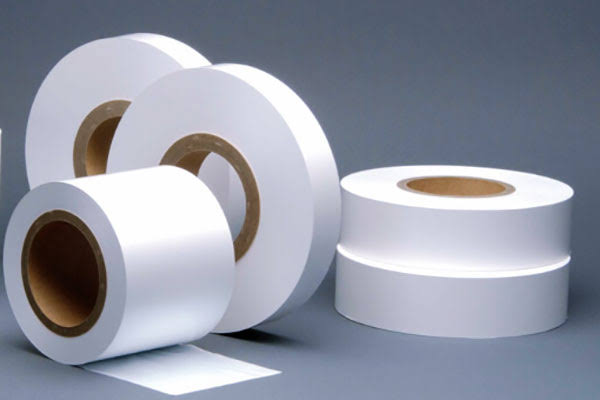
Polyvinylidene fluoride, commonly known as PVDF, is one of the key materials in Arkema’s battery offering. The company markets its Kynar® PVDF products for applications including cathode binding and separator coatings in lithium iron phosphate (LFP) batteries.
Arkema Global
A binder helps hold electrode materials together and supports their attachment to the relevant substrate. Its performance can influence electrode integrity, processing requirements and the ability of a battery to maintain consistent operation over repeated charge and discharge cycles.
Arkema is also highlighting Incellion® acrylic binders designed for silicon-based anodes. These materials target battery development efforts that seek higher energy density, alongside approaches that increase the proportion of active material in the cell.
Arkema Global
For industrial buyers, the distinction between binder types matters. PVDF and acrylic-based products serve particular formulation and processing needs, so procurement decisions should reflect technical compatibility rather than price alone.
Key considerations when sourcing battery binders include:
Material compatibility: Confirm that the binder meets the electrode formulation, battery chemistry and manufacturing process requirements.
Processing performance: Review relevant information on dispersion, coating, adhesion and production consistency.
Supply continuity: Confirm available production capacity, delivery schedules and the supplier’s ability to support forecast demand.
Qualification requirements: Obtain technical documentation and samples where appropriate before approving a material for production.
A supplier’s portfolio can provide a starting point for technical evaluation, but battery manufacturers still need to validate the material under their own operating conditions.
3. Arkema's PVDF Capacity Expansion Strengthens North American Supply
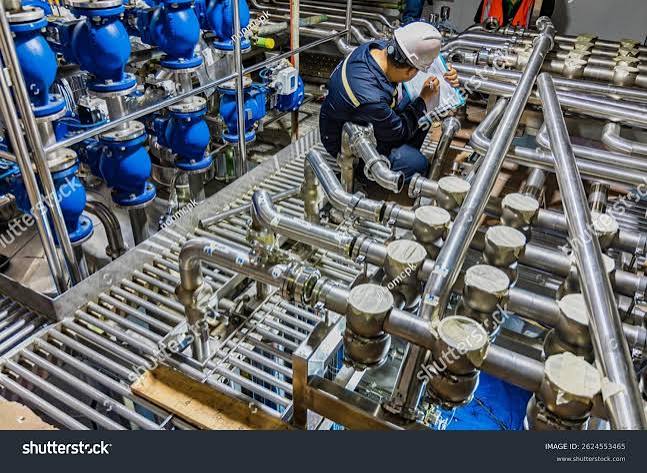
Arkema completed a 15% PVDF capacity expansion at its Calvert City, Kentucky, facility in June 2026. The company announced the project in February 2025 and described an investment of approximately US$20 million.
Arkema USA
+1
The expansion targets growing demand from lithium-ion batteries, energy storage systems and other strategic applications, including semiconductors and cable infrastructure. For battery manufacturers, additional regional production capacity can support sourcing strategies that prioritize supply availability closer to North American manufacturing operations.
The project also reflects a wider procurement consideration. Battery manufacturers increasingly need dependable access to specialized materials as production scales and new manufacturing facilities move through commissioning, qualification and commercial operation.
For procurement managers, the capacity increase is relevant, but it should not be interpreted as a guarantee of immediate availability for every PVDF grade. Different formulations may have separate qualification requirements, production schedules and customer allocations.
Buyers should ask suppliers to clarify:
Which grades are available for their specific battery applications.
Whether samples and technical qualification support are available.
What lead times apply to commercial orders and repeat deliveries.
How suppliers manage allocation during periods of elevated demand.
Whether regional inventory or longer-term supply arrangements are possible.
These checks help procurement teams translate additional manufacturing capacity into a practical sourcing plan.
4. Thermal Management and Safety Materials Extend Beyond the Cell
Battery safety involves more than the chemistry inside an individual cell. Manufacturers must also consider heat transfer, insulation, component protection, bonding and the behavior of materials throughout the battery pack.
Arkema is showcasing a range of materials for these applications, including Rilsan® polyamide 11, Reafree® coating resins, Zenimid® polyimide, Rilsamid® polyamide 12, Sartomer® UV-curable materials and Bostik adhesives. These products address different material requirements associated with battery systems and their surrounding components.
Arkema Global
Each product category serves a different function, which makes technical evaluation essential. A coating resin, adhesive and engineering polymer cannot be treated as interchangeable products simply because they contribute to the same broader battery system.
Procurement teams should work closely with engineering and quality departments when evaluating these materials. Relevant considerations include temperature exposure, chemical compatibility, mechanical performance, application methods and applicable safety requirements.
The commercial implications also deserve attention. Buyers who understand the technical function of each material can prepare more precise specifications, reduce unsuitable supplier quotations and compare offers on a consistent basis.
For distributors and chemical traders, this creates an opportunity to develop more specialized customer relationships. Customers may need support identifying appropriate material categories, obtaining technical documentation and coordinating supplier discussions before they commit to a new formulation.
5. Energy Storage Systems Create Distinct Material Requirements
Stationary energy storage systems (ESS) are an important part of the battery market, supporting applications that store electricity for later use. These systems have different operating and commercial priorities from electric vehicle batteries, even when manufacturers use similar underlying cell chemistries.
Arkema identifies PVDF and Incellion® binders among its solutions for LFP-based stationary storage batteries. It also highlights newer Incellion® binder products for primer coatings and ceramic-based separator layers, complementing existing Kynar® Flex PVDF coating materials.
Arkema Global
These applications illustrate why buyers need to consider the complete manufacturing process rather than focusing on a single material characteristic. Binder performance, separator construction, production consistency and overall cost can all influence purchasing decisions.
ESS procurement teams should pay particular attention to:
Long-term supply planning: Match material purchasing schedules with manufacturing forecasts and project delivery milestones.
Product consistency: Establish clear specifications and quality acceptance criteria for recurring orders.
Commercial competitiveness: Compare total procurement costs, including freight, inventory holding and qualification expenses.
Supplier support: Determine whether the supplier can provide technical assistance during trials, process changes and production ramp-up.
For importers and distributors, the growth of energy storage applications may create demand for a broader range of battery-related specialty chemicals. However, any opportunity depends on customer qualification, regional demand and the ability to source products that meet the required specifications.
6. Battery Recycling Adds Another Specialty Chemicals Opportunity
Battery materials procurement also extends to end-of-life management. As battery systems reach the end of their service lives, recycling processes can recover valuable metals and return suitable materials to industrial supply chains.
Arkema highlights Albone® high-purity hydrogen peroxide for hydrometallurgical battery recycling. Such processes can support the recovery of metals including lithium, cobalt and nickel from used batteries. The company also identifies silicone-free Bostik thermal gap fillers as materials that can support cleaner battery disassembly.
Arkema Global
These applications connect specialty chemicals with the wider battery circularity market. In addition to materials used in new battery production, recycling operations require suitable process chemicals and components that help facilities handle end-of-life products.
For chemical buyers, the opportunity requires a different evaluation process from conventional battery manufacturing procurement. Recycling operators may have distinct purity requirements, process conditions, handling procedures and environmental controls.
Traders considering this segment should identify the intended application before offering products. A chemical suitable for one recycling process may not meet another facility’s requirements, and customers should verify the relevant technical specifications before purchase.
The sector also reinforces the importance of understanding the end use of a chemical. Suppliers that can explain product specifications, documentation and appropriate handling requirements may be better positioned to serve specialized industrial customers.
7. What The Battery Show North America 2026 Means for Buyers
The Battery Show North America runs from October 12 to 15, 2026, at Huntington Place in Detroit, Michigan. The event brings together suppliers and professionals across battery technology, electric vehicles, energy storage and related manufacturing markets.
The Battery Show North America
+1
Arkema plans to present its battery materials at Booth #2714, giving attendees an opportunity to discuss the company’s offerings and their potential industrial applications.
Arkema Global
For procurement professionals, the value of an industry exhibition lies in turning broad market developments into practical supplier discussions. Buyers can use the event to clarify technical requirements, understand product availability and establish contacts for future qualification work.
A focused supplier meeting should cover several areas:
Product selection: Identify the precise PVDF grade, binder, coating resin or other material required for the intended application.
Technical documentation: Request available specifications, safety data sheets and supporting product information.
Commercial terms: Discuss order quantities, lead times, delivery locations and pricing arrangements.
Qualification process: Establish the sample testing, approval steps and quality requirements needed before commercial supply.
Supply resilience: Understand manufacturing locations, alternative supply arrangements and the process for managing demand changes.
These discussions can help buyers avoid treating a trade show announcement as an immediate purchasing commitment. Technical suitability, commercial terms and verified availability still determine whether a product fits a specific sourcing requirement.
8. What Procurement Teams Should Do Next
Arkema’s battery materials showcase and completed PVDF capacity expansion provide useful signals for businesses following the specialty chemicals market. Together, they highlight the role of polymer materials, binders and thermal management solutions in supporting battery manufacturing and energy storage applications.
For procurement managers, the next step is to translate these developments into clear purchasing priorities. Companies should review their current material requirements, identify potential supply constraints and assess whether alternative grades or additional qualified suppliers could improve sourcing flexibility.
Importers and chemical traders should focus on the following actions:
Review demand forecasts: Align purchasing plans with expected customer orders and production schedules.
Strengthen supplier communication: Request updated availability, lead times and technical information for relevant battery materials.
Evaluate regional supply options: Consider whether North American production or other established supply routes fit customer delivery requirements.
Coordinate technical approval: Involve quality and engineering teams before introducing new materials into production.
Monitor recycling applications: Assess whether battery recovery operations in target markets create opportunities for suitable specialty chemicals.
The 15% PVDF expansion at Calvert City is a concrete addition to Arkema’s North American production capacity, while its broader portfolio addresses material requirements across battery cells, packs and recycling operations. These developments give buyers a useful starting point for evaluating supplier capabilities as battery manufacturing and energy storage markets evolve.
For chemical trading businesses, the most effective approach combines market awareness with disciplined supplier qualification. Clear specifications, dependable documentation and realistic delivery commitments remain essential when sourcing materials for technically demanding applications.
Fumed Silica
Found this useful?