ARPA-H Prioritizes Alternatives to Conventional Crop Protection Tools
A new federal directive orders the Advanced Research Projects Agency for Health (ARPA-H) to prioritize research into technologies that reduce reliance on conventional chemical crop protection while improving human health. This mandate marks a significant pivot in how agricultural innovation is funded and regulated. For agricultural chemical buyers, distributors, and farm operators, this signals a massive impending shift in the market. The focus is rapidly moving toward bio-based solutions, precision agriculture, and novel biological controls. Procurement teams must anticipate an acceleration in the development and commercialization of these next-generation tools. Ignoring this trajectory risks leaving supply chains dependent on legacy chemistries that face increasing regulatory and market headwinds.
Understanding the ARPA-H Directive
ARPA-H is designed to catalyze high-risk, high-reward biomedical and health-related research. By explicitly targeting crop protection alternatives, the agency recognizes the direct link between agricultural chemical exposure and public health outcomes.
This directive will funnel significant federal funding into startups and research institutions developing non-synthetic pest management tools. The goal is to break the historical reliance on broad-spectrum synthetic pesticides that leave residual traces on food and in water systems.
Chemical manufacturers must align their research and development pipelines with these emerging priorities. Submissions highlighting reduced human toxicity, targeted pest specificity, and improved environmental safety will receive expedited support. This shift encourages heavy investment in advanced agrochemical alternatives that bridge the gap between crop yield protection and public health.
Impact on Conventional Agrochemical Markets
Traditional synthetic pesticide manufacturers will face increased scrutiny and potential market share erosion over the coming decade. While legacy products will not disappear overnight, the regulatory and financial momentum is clearly shifting away from them.
Buyers relying heavily on conventional chemistries must prepare for a gradual but inevitable phase-out or restriction of these products. Registration renewals will become more costly and difficult to justify.
Market share erosion: Innovative biologicals will capture premium market segments first.
Regulatory friction: Legacy chemicals will face stricter labeling and usage restrictions.
Supply reallocation: Major producers may divest older product lines to fund next-generation biological research.
Insurance and liability: Farms using conventional chemicals may face higher liability premiums as health data evolves.
Procurement professionals should view this as a long-term transition signal. Diversifying the chemical portfolio now prevents sudden supply shocks when older products inevitably face regulatory hurdles.
The Rise of Bio-Based and Tech-Driven Alternatives
The research prioritized by ARPA-H will accelerate the commercialization of several key alternative technologies. Procurement teams should familiarize themselves with these emerging categories to stay ahead of the curve.
RNA interference (RNAi) technologies are gaining traction as highly targeted pest control methods. These solutions silence specific genes in target pests without affecting beneficial insects or humans.
Microbial inoculants and biopesticides utilizing specific bacterial or fungal strains are also seeing massive investment. Products based on Bacillus or Trichoderma species offer effective disease suppression with zero chemical residue concerns.
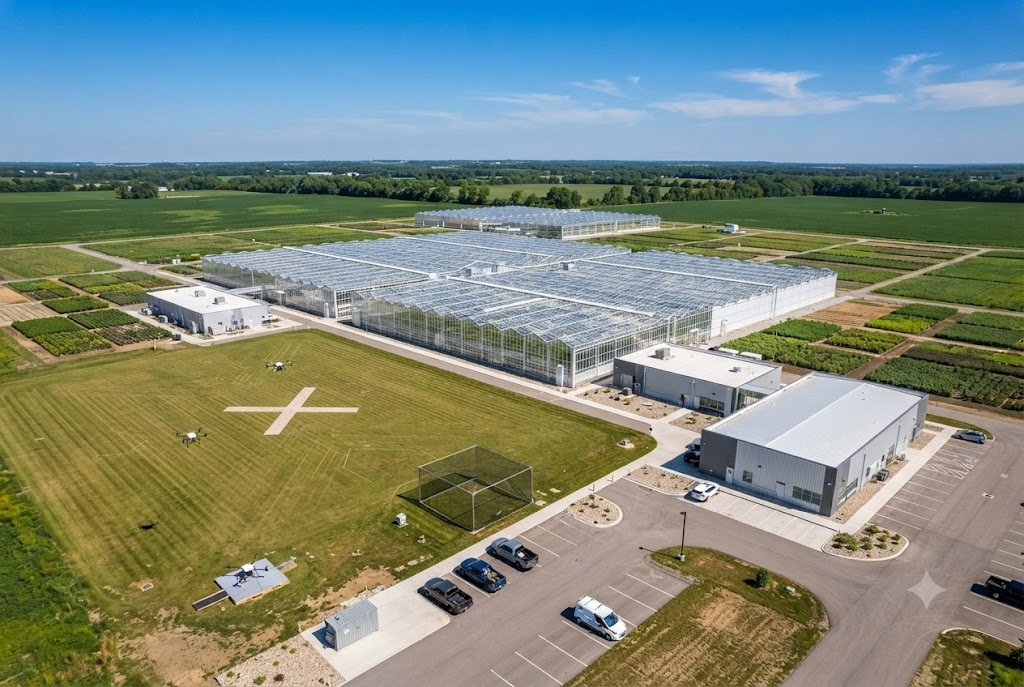
Furthermore, precision application technologies, including AI-driven drone spraying and smart sensor networks, will be integrated with these biologicals. These tools ensure that alternative products are applied only when and where needed, maximizing efficacy and minimizing waste.
Supply Chain and Procurement Adjustments
Transitioning to alternative crop protection tools requires fundamental changes in supply chain management. Biological products often have different handling, storage, and shelf-life requirements compared to stable synthetic chemicals.
Cold-chain logistics become critical for many microbial and enzymatic products. Procurement teams must verify that their distribution partners possess the necessary temperature-controlled storage and transportation capabilities.
Shelf life for biologicals is typically shorter than synthetic counterparts. Inventory management must shift from bulk, long-term holding to more frequent, just-in-time deliveries to maintain product viability and efficacy.
Additionally, the supplier landscape is changing. Many innovators in this space are agile biotech startups rather than traditional agrochemical giants. Buyers must develop new vendor qualification processes tailored to evaluate the scientific validity and manufacturing scalability of these emerging companies.
Strategic Sourcing Adjustments for Agricultural Buyers
Chemical buyers must adapt their procurement strategies to navigate this regulatory and technological transition. Relying on historical purchasing patterns invites severe operational disruption. Proactive diversification provides essential protection against sudden market shifts.
Qualify biological suppliers early. Identify and vet producers of biopesticides and microbial inoculants. Building relationships now secures priority access as demand scales.
Invest in cold-chain infrastructure. Ensure your logistics partners can handle the specific storage requirements of next-generation biological products.
Collaborate with agronomists. Work closely with agricultural experts to validate the field efficacy of alternative desiccation and pest control practices before committing to large-scale purchases.
Monitor ARPA-H funding announcements. Track which technologies and companies receive federal backing. This provides a reliable indicator of which alternatives are likely to reach commercial scale first.
Implement flexible contract terms. Avoid rigid long-term fixed pricing during this transition period. Index-linked agreements allow costs to adjust fairly based on market realities.
What Buyers Should Do Now
The ARPA-H directive to prioritize crop protection alternatives marks a definitive turning point for the agricultural sector. Procurement professionals must treat this research shift as a strategic imperative. Auditing your current supply chain for heavy reliance on conventional, high-risk active ingredients is the critical first step.
Engage with emerging ag-tech and bio-solution suppliers to understand their production timelines and registration status. Verify their compliance with evolving safety and environmental standards. Diversifying your sourcing base protects your organization from future regulatory disruptions.
Procurement teams must collaborate closely with internal agronomy and quality assurance departments. Validating new biological sources requires rigorous technical testing and field trial approval cycles. Starting this process early prevents operational delays when new supply becomes available.
Building resilient procurement networks requires decisive action. The organizations that adapt to this new health-focused agricultural reality will secure a lasting competitive advantage.
Ready to source Acrylic Acid from verified global suppliers? Explore competitive offers on our platform today.

Acrylic Acid (99.5%) - China
Found this useful?