Asahi Kasei AIC468 Phase 2a Trial and Antisense Drug Supply Chain Impacts
Asahi Kasei recently dosed the first patient with its novel antisense drug AIC468 for BK virus. The company initiated this randomized Phase 2a trial specifically in adult kidney transplant recipients. This clinical milestone marks a significant advancement in targeted antiviral therapies for immunocompromised populations.
BK virus poses a severe threat to kidney transplant recipients and frequently causes graft loss. Traditional antiviral medications often fail to clear the infection without causing severe systemic toxicity. AIC468 targets the viral replication mechanism directly through precise genetic silencing.
This therapeutic approach requires highly specialized chemical manufacturing processes. Procurement teams must now prepare for the unique supply chain demands of advanced oligonucleotide production. Sourcing high-purity solvents and specialized reagents becomes critical as the drug advances through clinical phases.
The Clinical Scope of the AIC468 Phase 2a Trial
The Phase 2a trial evaluates the safety and preliminary efficacy of AIC468 in a highly vulnerable patient population. Adult kidney transplant recipients face constant risks from opportunistic viral infections. The randomized study design allows researchers to compare the antisense therapy directly against standard care protocols.
Successful outcomes in this trial will validate the targeted genetic silencing mechanism. Clinicians urgently need safer alternatives to manage BK virus without compromising the transplanted organ. A positive readout will accelerate the development timeline for broader commercial approval.
This clinical progression signals a shift toward precision medicine in transplant immunology. Pharmaceutical manufacturers must scale their production capabilities to meet future commercial demand. Procurement professionals must align their sourcing strategies with these anticipated volume increases.
Manufacturing Complexities of Antisense Oligonucleotides
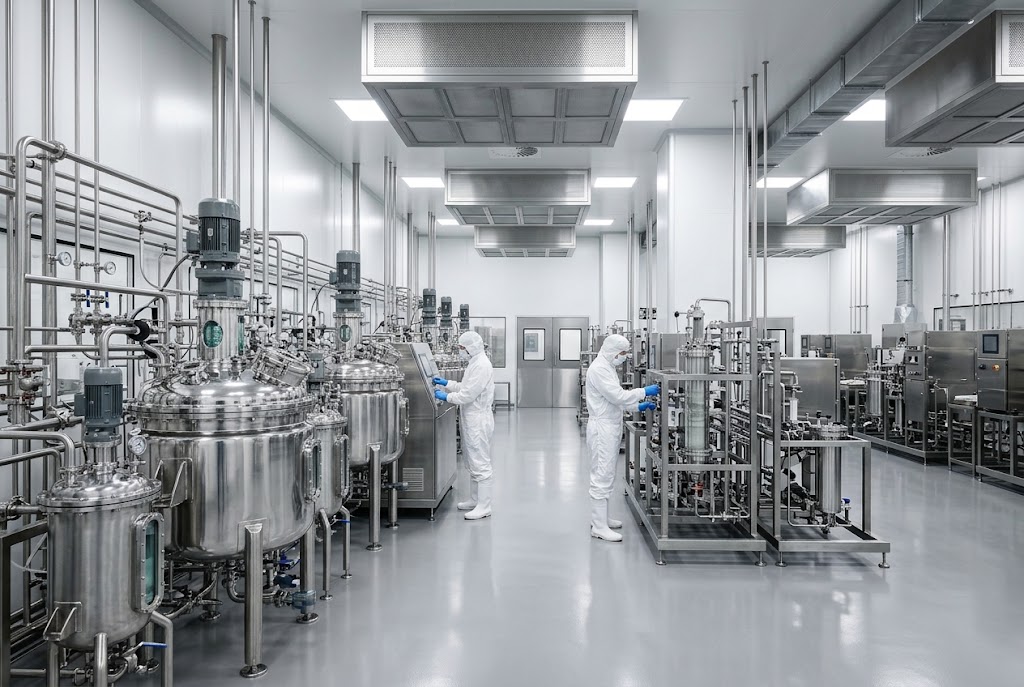
Producing antisense oligonucleotides requires highly specialized solid-phase synthesis infrastructure. Facilities must maintain strict adherence to current Good Manufacturing Practices throughout the entire process. The synthesis involves sequential addition of modified nucleotide building blocks to a growing chain.
This chemical process relies heavily on high-purity solvents and specialized activating reagents. Manufacturers must secure a continuous supply of these foundational chemicals to prevent production delays. Any interruption in the solvent supply chain can halt the entire synthesis operation immediately.
Purification and formulation steps demand equally rigorous chemical inputs. Chromatography resins and specialized precipitation solvents ensure the final drug product meets strict purity specifications. Sourcing these materials from reliable global suppliers remains absolutely essential for continuous manufacturing.
Scale-up operations for late-stage clinical trials present unique engineering challenges. Facilities must optimize solvent recovery systems to minimize environmental impact and reduce raw material costs. Dedicated equipment and specialized HVAC systems are mandatory for handling these volatile organic compounds safely.
Essential Solvents and Reagents in Oligonucleotide Synthesis
The chemical synthesis of AIC468 depends on a precise array of high-purity organic solvents. These solvents facilitate the coupling reactions and wash steps required during solid-phase synthesis. Procurement teams must specify exact pharmacopeial grades in all purchasing contracts.
High-purity acetonitrile serves as the primary solvent for phosphoramidite coupling reactions. This solvent must contain extremely low water content to ensure optimal reaction efficiency.
Anhydrous dichloromethane acts as a critical co-solvent during the nucleotide activation phases. Suppliers must guarantee strict moisture limits to prevent premature hydrolysis of sensitive reagents.
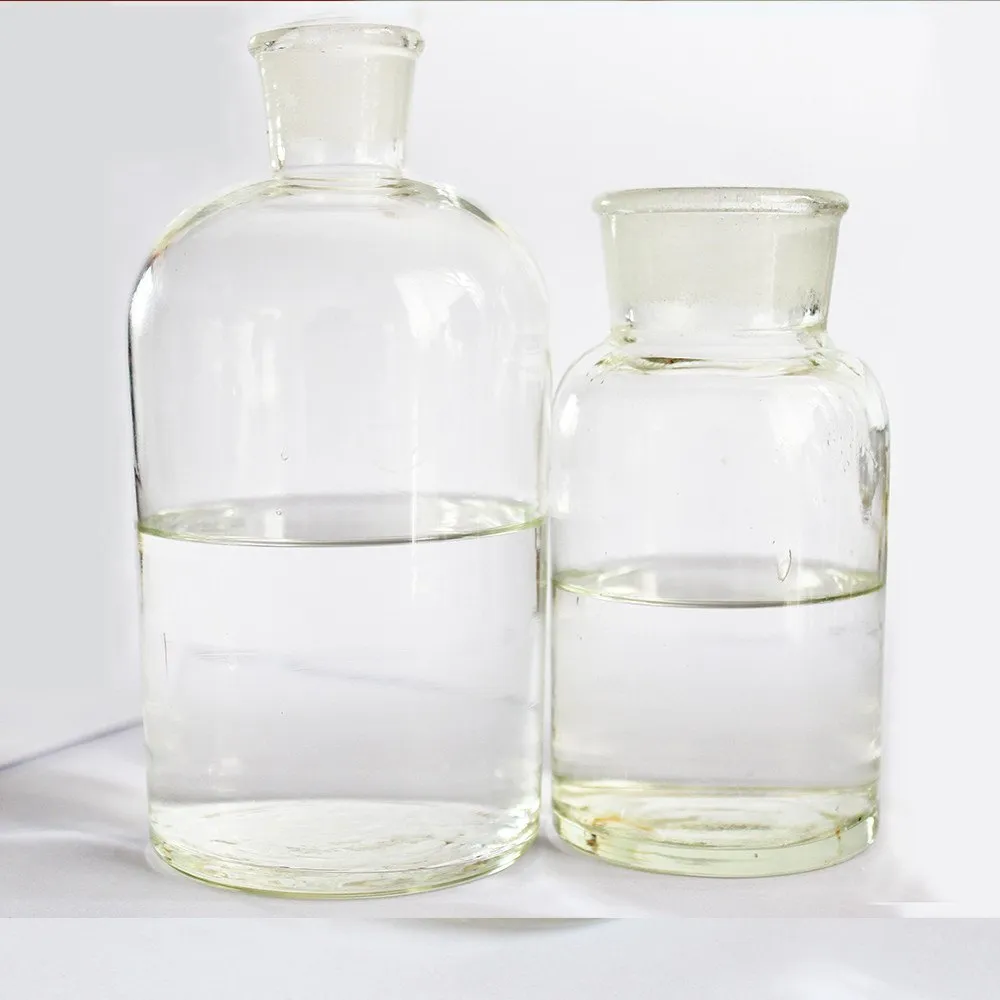
Pharmaceutical grade methanol plays a vital role in the final precipitation and washing steps. This solvent effectively removes residual impurities from the synthesized oligonucleotide chains.
Sourcing these specialized solvents requires rigorous vendor qualification processes. Buyers must evaluate supplier distillation capabilities and analytical testing protocols thoroughly. Long-term supply agreements help secure consistent pricing and guaranteed material allocation during peak demand.
Supply Chain Vulnerabilities for Nucleic Acid Therapeutics
The oligonucleotide supply chain faces unique vulnerabilities that procurement teams must actively manage. Geopolitical tensions and trade restrictions can severely disrupt the flow of high-purity solvents. Single-source dependencies for critical reagents increase the risk of severe production delays.
Companies must diversify their supplier base to mitigate these operational vulnerabilities effectively. Establishing secondary sourcing channels for key synthesis solvents ensures long-term manufacturing resilience. Regular supply chain audits help identify potential bottlenecks before they escalate into major crises.
Transportation logistics also present significant challenges for highly flammable organic solvents. Manufacturers must maintain strict safety compliance during the transport of these hazardous chemical materials. Investing in robust logistics partnerships protects product quality and prevents regulatory violations.
Quality Control and Regulatory Demands for High-Purity Solvents
Pharmaceutical manufacturers must enforce rigorous quality assurance protocols for every solvent batch. Regulatory agencies demand complete traceability for all raw materials used in oligonucleotide synthesis. Suppliers must provide comprehensive certificates of analysis detailing exact impurity profiles.
Any deviation in solvent purity can compromise the entire oligonucleotide batch immediately. Procurement professionals must prioritize suppliers with proven compliance records and transparent auditing processes. Building trust with chemical traders facilitates smoother regulatory inspections and faster batch releases.
Continuous monitoring of supplier performance remains a non-negotiable industry requirement. Quality agreements should clearly define acceptable limits for trace metals and residual water. This proactive approach prevents costly batch rejections and unexpected production halts.
Auditing supplier facilities provides direct visibility into their distillation and purification capabilities. Procurement teams should request recent audit reports and corrective action plans. This diligence ensures alignment with internal quality management systems and international pharmacopeial standards.
Market Outlook for Targeted Antiviral Biologics
The successful progression of AIC468 highlights the growing demand for targeted antiviral therapies. BK virus represents a significant unmet medical need in the global transplant community. The introduction of new genetic therapies will drive continuous innovation in chemical synthesis methods.
Manufacturers will seek more efficient solvent recovery systems to reduce overall operational costs. This dynamic environment creates opportunities for agile chemical suppliers who can meet evolving technical specifications. Traders who understand these specific pharmaceutical needs will capture greater market share.
The broader healthcare sector continues to prioritize innovative nucleic acid treatments. Investment in research and development will only accelerate this industry trend. Supply chain partners must scale their distillation and purification capabilities to match this sustained market growth.
Emerging markets will increasingly demand access to these advanced genetic therapies. This global expansion will further strain existing raw material supply networks. Proactive capacity planning is essential for all stakeholders in the pharmaceutical value chain.
Navigating Global Trade Dynamics for Pharmaceutical Solvents
International trade policies heavily influence the commercial availability of high-purity organic solvents. Tariffs and export restrictions can suddenly alter regional supply availability for key manufacturing hubs. Diversifying the geographic origins of these raw materials protects manufacturers against sudden market shifts.
Currency fluctuations can further complicate international procurement operations for bulk chemicals. Procurement managers should utilize financial hedging strategies to manage exposure effectively. Diversifying supplier locations across different economic zones provides an additional layer of financial protection.
Port congestion and freight capacity constraints can delay the arrival of bulk solvent shipments. Buyers should maintain strategic safety stock levels for critical synthesis reagents. This buffer protects manufacturing schedules from external logistical shocks and ensures continuous production.
What Procurement Teams Need to Know
Procurement leaders must proactively adapt their strategies to support the next wave of antisense therapeutics. Building strong relationships with qualified solvent and reagent suppliers is paramount for operational success. Teams should conduct regular risk assessments on their current chemical supply networks.
Investing in supplier development programs can yield long-term stability and significant cost advantages. Early preparation ensures uninterrupted access to critical manufacturing inputs as clinical trials expand. Cross-functional collaboration between procurement and quality assurance is essential for maintaining compliance.
Aligned teams can respond faster to supply chain disruptions and regulatory changes. This unity drives overall operational excellence in modern pharmaceutical manufacturing. Ready to source Methanol from verified global suppliers? Explore competitive offers on our platform today.
Source:
https://chemxplore.com/news/aic468-bk-virus-phase-2a-trial
Methanol
Found this useful?