
Ashwagandha, Colostrum, Creatine: What's Actually Driving 2026's Nutraceutical Ingredient Growth
The 2026 nutraceutical market is showing strong momentum across a handful of functional ingredients, but the growth is increasingly supported by actual retail sales rather than wellness hype alone. Nutritional Outlook, in partnership with SPINS, identified ashwagandha, colostrum, creatine and protein as four of the year's leading ingredients to watch based on sales data from mainstream multi-outlet and natural retail channels.
Ashwagandha Continues Its Mainstream Expansion
Ashwagandha is one of the clearest examples of a familiar wellness ingredient continuing to gain commercial traction. SPINS data showed 27% sales growth in the multi-outlet channel, with mainstream sales reaching about $176 million. Its expansion is being supported by broader use in stress, mood, energy and men's health products, while manufacturers are incorporating it into formats such as gummies and ready-to-drink products.
Colostrum Is the Breakout Ingredient
Colostrum stands out for the speed of its recent growth. Earlier SPINS data showed 155.3% year-over-year sales growth, and the ingredient continues to gain distribution across multiple categories. Its appeal comes from its ability to support products positioned around several consumer needs, including immune health, digestive health and beauty. Nutritional Outlook notes that its recent expansion has been driven particularly by increased distribution and multi-benefit formulations.
Creatine Moves Beyond Sports Nutrition
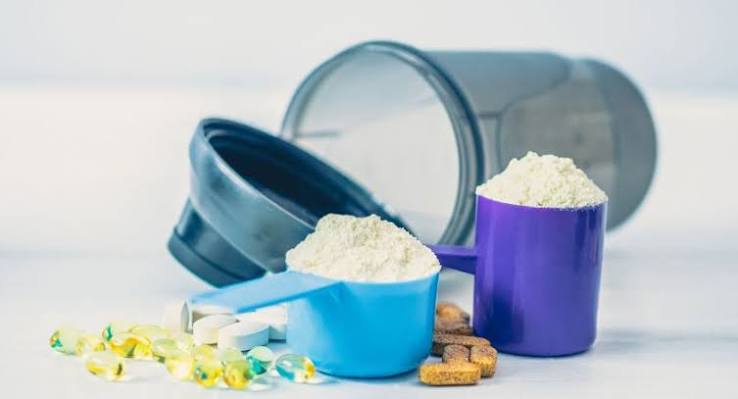
Creatine is also benefiting from a broader consumer base. Once primarily associated with athletes and bodybuilding, the ingredient is increasingly being positioned around cognitive health, healthy aging and everyday performance. Nutritional Outlook describes creatine as continuing to achieve double-digit growth, while more recent market coverage reports that creatine sales have been expanding as consumers increasingly recognize benefits beyond traditional sports nutrition.
Protein Remains the Foundation
Protein remains the largest and most established of these growth categories, with demand extending well beyond traditional protein powders. SPINS data reported by FoodNavigator showed protein supplements and meal replacements growing 12.4% in dollar sales and 13% in units, while protein supplement sales alone reached $8.6 billion in 2025. Ready-to-drink products, high-protein snacks and other convenient formats are helping push protein further into mainstream nutrition.
The Real Growth Story Is Broader Consumer Adoption
Together, these ingredients show that nutraceutical growth in 2026 is increasingly being driven by mainstream adoption and multiple use cases. Ashwagandha is moving beyond traditional herbal supplements, colostrum is expanding through multi-benefit formulations, creatine is reaching consumers outside sports nutrition, and protein continues to penetrate everyday food and beverage formats. For ingredient suppliers and manufacturers, the strongest opportunities may therefore lie in ingredients that can serve several wellness needs while fitting convenient, familiar product formats.

Glacial Acetic Acid (E260)
Found this useful?