Ineos and Recuro Partner on New Plastics Recycling Facility in Norway
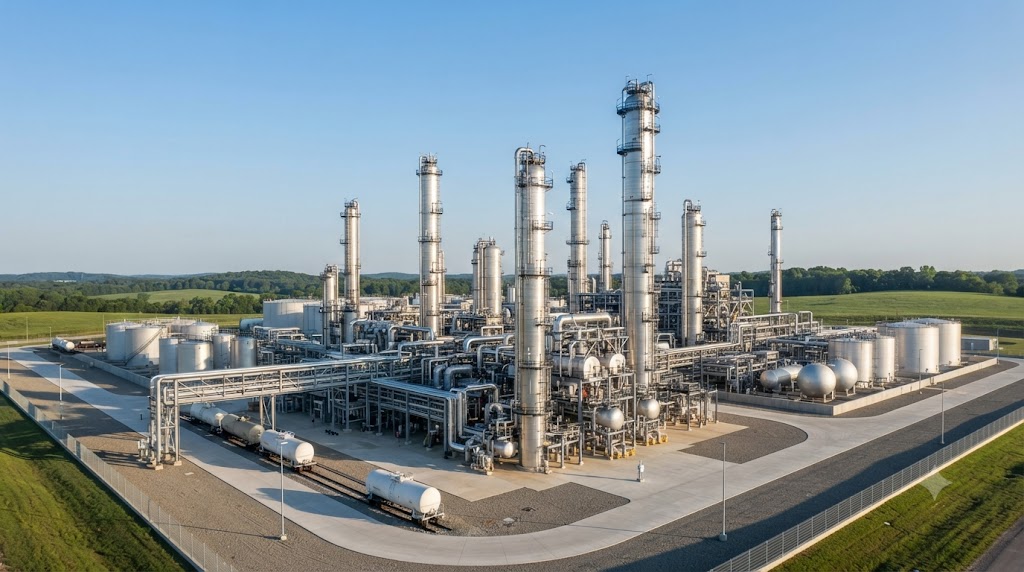
Ineos and Recuro announced plans to build a new plastics recycling facility in Norway, marking a significant expansion of circular polymer production in Northern Europe. The joint initiative targets the growing demand for high-quality secondary raw materials across packaging and automotive sectors. Chemical traders and procurement managers tracking sustainable supply chains view this Nordic project as a critical infrastructure addition. The partnership combines the petrochemical scale of Ineos with the specialized sorting technology of Recuro. Buyers sourcing recycled polymers will soon have a new regional origin to consider for their supply networks. This development accelerates the shift toward closed-loop material flows and reduces reliance on virgin fossil feedstocks. Market participants now anticipate detailed capacity disclosures as the project moves toward final investment decisions. Industry observers expect the facility to set new benchmarks for energy efficiency.
Strategic Rationale Behind the Norwegian Partnership
Norway offers abundant renewable hydroelectric power, which drastically lowers the carbon footprint of energy-intensive reprocessing operations. Chemical manufacturers prioritize locations with stable, low-emission energy grids to meet stringent corporate sustainability targets. The Nordic region also boasts highly organized municipal waste collection systems that provide a consistent feedstock supply.
Recuro brings advanced mechanical recycling expertise to the joint venture, while Ineos provides deep market access and compounding capabilities. This synergy allows the partners to produce drop-in recycled grades that meet strict industry specifications. The collaboration effectively bridges the gap between waste management and high-performance material production.
Expanding Circular Polymer Capacity in Northern Europe
Northern Europe currently faces a deficit in high-purity recycled feedstock compared to regional demand. Packaging converters and automotive molders require massive volumes of secondary materials to fulfill their public sustainability pledges. The new facility will process post-consumer and post-industrial plastic waste into premium compounds.
Procurement teams can expect these materials to compete directly with virgin polyolefins in high-end applications. The project developers will likely focus on polyolefin streams such as polyethylene and polypropylene due to their widespread use and favorable recycling economics. Expanding regional capacity reduces the need for buyers to import recycled resins from distant markets.
Regulatory Tailwinds Driving Nordic Investments
European Union directives mandate increasing percentages of post-consumer recycled content in single-use packaging and construction materials. These legal requirements force brand owners to secure long-term supply agreements for verified circular polymers. Norway aligns closely with these regulatory frameworks despite its non-member status, creating a harmonized market environment.
Governments across the region also offer financial incentives for green industrial projects. Tax credits and accelerated depreciation schedules improve the return on investment for advanced recycling infrastructure. Buyers benefit from this policy support because it encourages continuous capacity expansion and technological innovation.
Implications for Packaging and Automotive Supply Chains
Packaging manufacturers face strict regulatory mandates requiring minimum recycled content in their products. Automotive suppliers need lightweight materials with verified sustainability credentials to meet corporate emission targets. The Norwegian project directly addresses these compliance pressures by providing a secure source of circular materials.
Buyers evaluating these new supply streams should consider several strategic advantages:
Regulatory compliance: Meets emerging European mandates for minimum post-consumer content in rigid packaging.
Carbon reduction: Lowers scope three emissions for manufacturers utilizing renewable-powered secondary materials.
Supply security: Diversifies sourcing away from volatile virgin feedstock markets tied to crude oil prices.
Overcoming Technical Hurdles in Mechanical Reprocessing
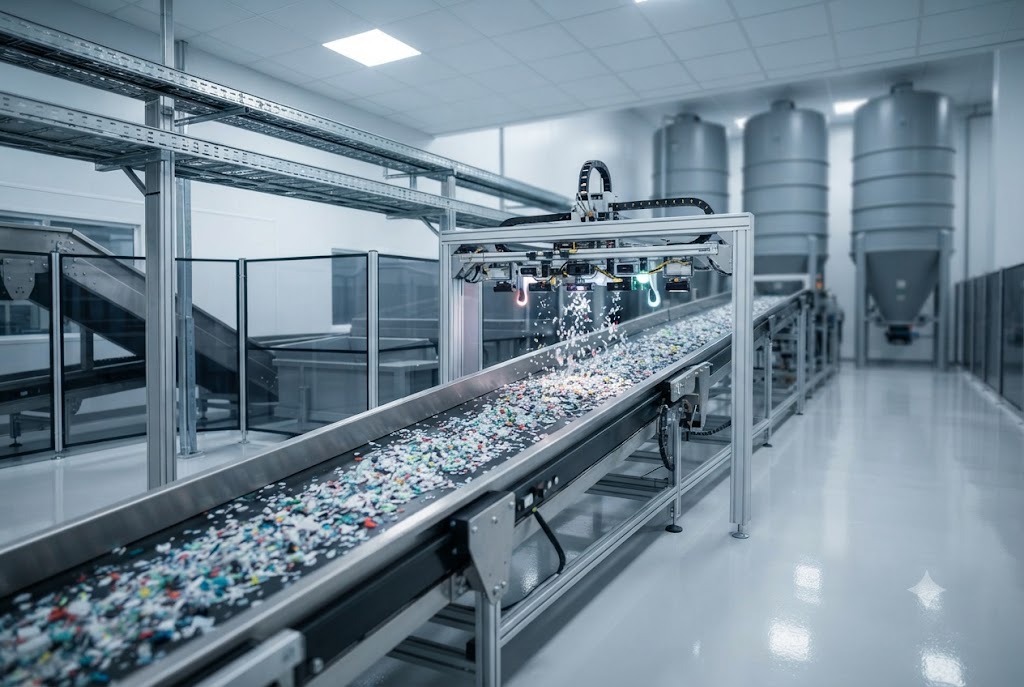
Mechanical recycling traditionally struggles with yield loss and property degradation during multiple heat cycles. Recuro utilizes advanced washing and extrusion technologies to preserve polymer chain length and mechanical integrity. This technical sophistication ensures the output matches the performance profile of virgin resins. Removing contaminants like adhesives and inks requires specialized solvent baths and filtration systems that increase capital costs but improve final product quality.
Ineos will likely integrate these recycled streams into its existing compounding infrastructure. This downstream integration guarantees consistent pellet quality and uniform additive distribution for end users. Procurement managers can therefore specify these recycled grades with the same confidence they apply to prime materials. The ability to custom-compound recycled bases with specific stabilizers or colorants further enhances their utility in demanding applications.
Logistics and Trade Flow Adjustments
Locating the facility in Norway alters traditional trade flows for secondary raw materials in the region. Buyers in Germany, the Netherlands and the UK will gain a proximate, low-carbon source for their manufacturing operations. Shorter shipping distances reduce freight costs and minimize transit-related emissions.
Traders must adapt their logistics networks to handle the specific storage and transport requirements of recycled pellets. Contamination prevention remains critical during bulk handling to preserve the premium quality of the circular feedstock. Efficient regional distribution will determine the commercial success of the new production capacity.
Pricing Dynamics for Recycled Versus Virgin Grades
Historically, high-quality recycled polymers commanded a significant green premium over commodity virgin plastics. However, scaling facilities like the Norwegian project helps normalize production costs and compress this price gap. Buyers should monitor how increased regional supply impacts spot market differentials.
Long-term contracts for circular materials often include indexation mechanisms tied to both virgin resin benchmarks and waste collection costs. Traders must structure these agreements carefully to balance supplier margin protection with buyer budget certainty. Transparent pricing models will become essential as secondary materials move from niche alternatives to mainstream feedstocks.
Assessing Feedstock Availability and Collection Networks
Securing reliable plastic waste streams represents the most critical challenge for any mechanical recycling operation. The Norwegian facility will depend on sophisticated municipal collection systems and industrial take-back programs to gather sufficient input material. Ineos and Recuro must establish long-term partnerships with local waste management authorities to guarantee feedstock volume.
Buyers should evaluate the robustness of these collection networks when assessing supply risk. Facilities located in regions with fragmented or informal waste collection often experience severe input shortages during economic downturns. The highly organized Nordic waste infrastructure provides a distinct competitive advantage for consistent production planning.
Navigating Certification and Traceability Requirements
Brand owners demand rigorous third-party certification to verify the recycled content claims of their packaging and products. The new facility will implement mass balance or physical traceability systems to track material flows from collection through final pelletization. Digital tracking platforms will likely provide buyers with real-time visibility into the sustainability credentials of their purchases.
Procurement teams must align their internal auditing processes with these emerging traceability standards. Accepting uncertified secondary materials exposes companies to severe reputational risks and potential regulatory penalties. Collaborating closely with suppliers on certification protocols ensures smooth compliance during product launch cycles.
What Procurement Teams Should Do Now
Procurement professionals must actively integrate circular materials into their forward-looking sourcing strategies. Waiting for new facilities to reach full commercial operation leaves buyers exposed to allocation constraints when premium grades launch. Early engagement secures preferential offtake positions and influences product specification development.
Teams should audit current polymer spend to identify immediate substitution opportunities for high-volume applications. Qualifying alternative suppliers now ensures operational continuity if primary vendors face unexpected commissioning delays. Building robust, diversified supply networks protects manufacturers against future regulatory shocks and feedstock volatility. Engaging technical teams early guarantees that new recycled grades pass rigorous internal testing protocols before commercial scale-up begins.
Ready to source polyethylene from verified global suppliers? Explore competitive offers on our platform today.
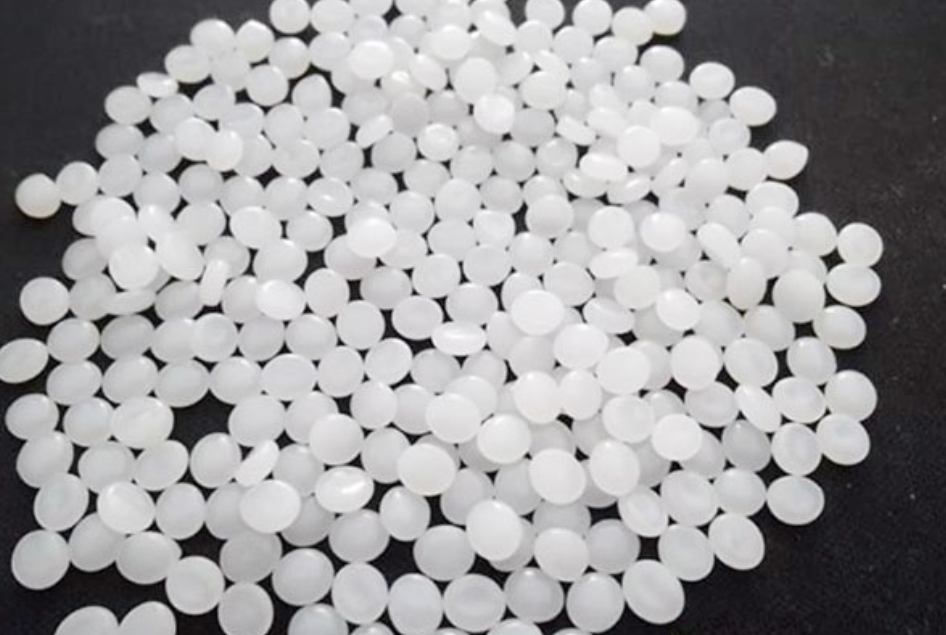
High Density Polyethylene (HDPE)
Found this useful?