
Life Sciences-Exposed Chemical Assets Command Premium Deal Interest
Chemical businesses linked to pharmaceutical, biotech and diagnostics markets are attracting a growing share of strategic and financial buyer attention. According to Capstone Partners, life sciences-exposed chemical assets have commanded significant acquisition interest and premium valuations because they combine stable demand with high-margin profiles.
For chemical traders, procurement teams and industry buyers, this trend matters beyond mergers and acquisitions. Strong investor appetite can influence supplier strategies, portfolio priorities, manufacturing investment and the long-term availability of specialized chemical products.
Why Life Sciences Exposure Changes Chemical Asset Value
Not all chemical businesses carry the same commercial profile. Companies that serve pharmaceutical, biotechnology and diagnostics customers often operate in markets where product performance, consistency and reliability matter as much as price.
This creates a different value proposition from commodity chemicals that compete primarily on production costs and short-term market cycles. A supplier serving regulated life sciences applications may build deeper customer relationships, technical expertise and specialized production capabilities that support stronger margins.
Several characteristics make these businesses particularly attractive to acquirers:
Stable end-market demand: Pharmaceutical and diagnostic products can maintain demand across different economic conditions, supporting more predictable chemical consumption.
Specialized product portfolios: Chemicals designed for demanding applications can face higher technical barriers to entry than standard commodity products.
Customer integration: Long-term relationships with life sciences manufacturers can create recurring commercial opportunities and strengthen supplier positioning.
Margin potential: Specialized products can command better economics when customers prioritize quality, consistency and supply reliability.
For buyers evaluating chemical assets, life sciences exposure therefore becomes a strategic indicator rather than simply an end-market classification.
Pharmaceutical, Biotech and Diagnostics Create Resilient Demand
The strongest appeal of these chemical assets comes from their connection to three major life sciences segments: pharmaceuticals, biotechnology and diagnostics. Each market creates requirements for chemicals with controlled specifications and dependable supply.
Pharmaceutical manufacturing can require a broad range of chemical inputs across formulation, synthesis, processing and supporting operations. Buyers of chemical businesses serving this sector may therefore gain exposure to demand generated by essential healthcare products rather than highly discretionary consumption.
Biotechnology adds another layer of opportunity. As biotech production expands, chemical suppliers can support laboratory operations, production processes and specialized manufacturing requirements where technical performance remains critical.
Diagnostics also provides an important demand channel. Testing technologies rely on consistent chemical inputs, which can make supplier quality and reliability important purchasing criteria.
This combination can create a more resilient demand profile than businesses that depend heavily on cyclical industrial or construction markets.
Premium Valuations Reflect More Than Revenue Growth
Strong acquisition interest does not simply reflect the size of a chemical company's sales. Investors can place a premium on businesses when their revenue quality, customer relationships and market positioning provide stronger long-term visibility.
For life sciences-exposed chemical assets, several valuation factors can reinforce each other. Stable demand can support predictable revenue while specialized products can protect margins and create customer retention.
A buyer may also assess how difficult it would be for competitors to replicate the acquired business. Manufacturing know-how, product consistency, technical service and established relationships can become meaningful strategic assets.
The result is a different approach to chemical M&A. Buyers may accept a higher valuation when they believe the target provides durable market access and a defensible position within a specialized value chain.
For chemical sellers, this environment can make portfolio composition increasingly important. Businesses with stronger exposure to life sciences applications may attract attention not only because of current earnings but because of the quality of future demand.

What Chemical Traders Should Watch in Supplier Portfolios
The M&A trend can also affect chemical trading markets. When investors prioritize life sciences exposure, suppliers with specialized portfolios may receive additional capital for capacity, quality systems, technical development and market expansion.
That can influence the competitive landscape for buyers sourcing pharmaceutical and related chemical products. Procurement teams should look beyond headline pricing and consider the commercial strength behind a supplier's portfolio.
Important signals include:
End-market concentration: A supplier with meaningful exposure to pharmaceuticals, biotech or diagnostics may have a different demand profile from one focused mainly on cyclical industrial customers.
Product specialization: Highly specific chemical applications can indicate stronger technical positioning and potentially greater customer retention.
Supply continuity: Investment interest may encourage suppliers to strengthen production capacity and supply-chain resilience.
Portfolio expansion: Acquired companies may gain access to new technologies, geographic markets or complementary product lines.
For importers and exporters, these developments can create both opportunities and sourcing challenges. A stronger supplier may offer greater reliability, but increased strategic value can also change commercial priorities and allocation decisions.
Procurement Strategies Need to Account for M&A Activity
Procurement teams should treat ownership changes as part of supplier risk management. An acquisition can alter manufacturing locations, product priorities, sales structures and customer allocation even when the acquired company's products remain unchanged.
Buyers can reduce uncertainty by maintaining visibility across their approved supplier base. Understanding which suppliers serve life sciences markets can help procurement teams anticipate strategic transactions and evaluate potential effects on supply.
A practical sourcing review should consider:
Supplier ownership and strategic direction: Track major changes that could affect production priorities or customer service.
Product dependency: Identify chemicals for which the company relies heavily on a single specialized supplier.
Alternative sources: Maintain qualified options for important products where switching requires technical or regulatory approval.
Regional supply exposure: Review whether production depends on one country or manufacturing location.
Commercial continuity: Monitor changes in minimum order quantities, lead times, contract structures and product availability.
These measures can make procurement programs more resilient as chemical markets become increasingly shaped by strategic investment.
Why Specialized Chemical Assets Can Defend Margins
Margin strength represents another major reason life sciences-exposed chemical assets can attract premium interest. Commodity chemicals often face intense competition because buyers can compare suppliers primarily through price, availability and logistics.
Specialized life sciences chemicals can operate under different purchasing dynamics. Customers may place greater emphasis on specification consistency, technical support, quality assurance and dependable supply.
That does not eliminate price pressure. However, when a chemical product becomes closely connected to a critical manufacturing process, customers may assign greater value to reliability and consistency.
This dynamic can support stronger commercial relationships and give specialized suppliers more opportunities to protect margins. For acquirers, the combination of recurring demand and differentiated products can make these assets more attractive than businesses exposed entirely to volatile commodity cycles.
How M&A Could Reshape the Chemical Supply Landscape
Continued acquisition interest can encourage consolidation across specialized chemical markets. Larger companies may seek targets that provide immediate access to life sciences customers, technical capabilities or differentiated product portfolios.
For the broader chemical sector, this can accelerate investment in areas connected to healthcare and advanced manufacturing. Companies may also look for acquisition targets that complement existing portfolios instead of simply adding production volume.
Chemical traders should watch for changes in three areas:
Portfolio consolidation: Larger groups may combine complementary specialty products under broader commercial platforms.
Geographic expansion: Acquisitions can provide access to new regional customers and distribution networks.
Technical capability: Buyers may pursue businesses for their application expertise as much as for their existing product sales.
These developments can change supplier relationships over time. A company that previously operated as an independent specialist may become part of a larger portfolio with different priorities, purchasing power and distribution capabilities.
What Buyers Should Do Now
The growing appeal of life sciences-exposed chemical assets gives procurement professionals another factor to consider when evaluating suppliers. Businesses serving pharmaceuticals, biotech and diagnostics can offer attractive characteristics because their end markets support stable demand while specialized products can generate stronger margins.
For chemical buyers, the opportunity lies in understanding how this investment trend affects supply rather than focusing only on acquisition headlines. A supplier receiving strategic investment may gain stronger capabilities, but ownership changes can also reshape product priorities and commercial relationships.
Procurement teams should therefore combine price analysis with supplier quality, product specialization, customer concentration, production capacity and ownership visibility. This broader approach can help buyers identify dependable sources while preparing for a market where specialized chemical businesses continue to attract premium strategic interest.
The same logic applies to traders and exporters. Suppliers connected to life sciences applications can represent valuable commercial relationships, particularly when their products serve demanding customers that prioritize consistency and continuity.
As acquisition activity continues to influence specialty chemicals, companies with strong pharmaceutical, biotech and diagnostics exposure may remain important targets for strategic buyers. For downstream customers, that makes supplier diversification and proactive market monitoring increasingly valuable.
Ready to source D-Calcium Pantothenate (Vitamin B5) from verified global suppliers? Explore competitive offers on our platform today.
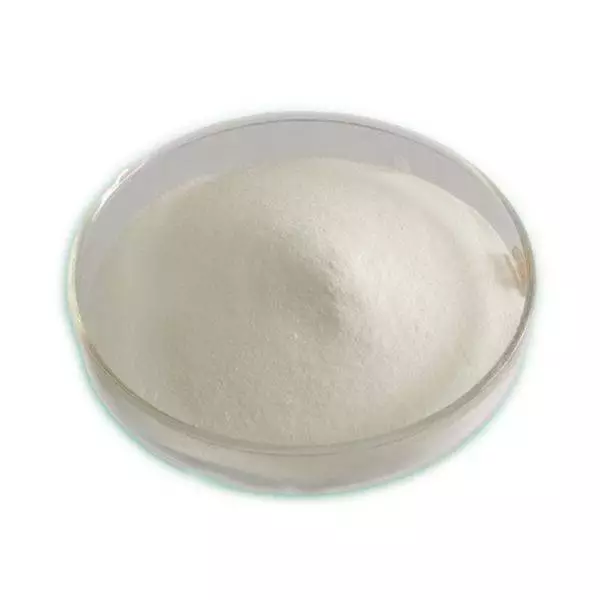
D-Calcium Pantothenate (Vitamin B5)
Found this useful?