Asia Pacific's roughly 49 percent share of the global market
Asia Pacific commands roughly 49 percent of the global chemical market and shows no signs of slowing down. This massive regional share dictates pricing, trade flows and capacity additions for everything from basic olefins to finished polymers.
Traders watch the Asia Pacific chemical market daily because production decisions in China, India and South Korea ripple across every continent within weeks. The region built this dominance through aggressive state investment, deep integration and massive domestic demand.
Yet market leaders face new pressures. Energy transitions, environmental mandates and shifting trade policies threaten to redraw the global map. Procurement teams must understand both the foundations of this 49 percent share and the emerging forces that could erode it.
The following sections break down the structural advantages of the region and the specific triggers that might shift the balance of power.
How Asia Pacific Built a 49 Percent Global Market Share
Governments across the region poured capital into integrated petrochemical parks over the last two decades. These massive complexes colocate refineries, crackers and derivative plants to minimize logistics costs and maximize yield.
China led this expansion by building world-scale ethylene and propylene units that dwarf older facilities in Europe and North America. India followed closely by expanding its refining capacity and linking it directly to downstream polymer production.
This physical infrastructure creates an unbeatable cost advantage for local producers. They buy feedstock via pipeline rather than shipping it across oceans, which strips freight and handling premiums out of their final prices.
State-owned enterprises also benefit from subsidized land and preferential financing rates that private Western firms cannot match. Domestic consumption absorbs a huge portion of this output.
Rapid urbanization and a booming middle class drive relentless demand for packaging, construction materials and automotive parts. Local producers satisfy this internal appetite first and export only the surplus volume.
The Feedstock and Integration Advantages Driving Commodity Production
Commodity chemicals require massive volumes of cheap raw materials to remain profitable. The region secures these inputs through diverse and highly integrated supply chains that insulate producers from external shocks.
China utilizes its vast coal reserves to produce methanol and olefins via coal-to-chemicals pathways. This domestic feedstock shields producers from global crude oil volatility and keeps base prices remarkably low.
Coastal complexes in South Korea and Japan rely on imported naphtha but offset the cost through extreme operational efficiency. They extract every possible byproduct and sell it into adjacent specialty markets to boost overall margins.
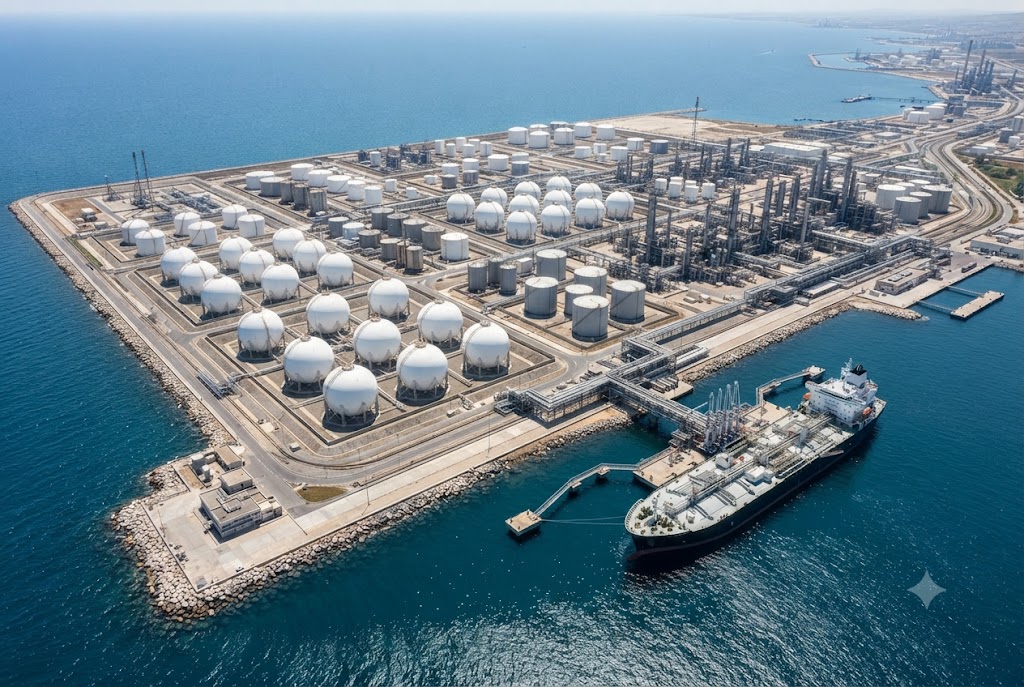
The integration extends far beyond the plant gate itself. Producers own their own port terminals, storage tanks and shipping fleets, which tightens their grip on the entire value chain.
Three core pillars support this commodity dominance:
Feedstock diversity: Producers switch between coal, naphtha and imported ethane based on real-time pricing spreads to protect their margins.
Utility integration: Captive power plants and shared steam networks drastically reduce energy overhead for every tenant in the chemical park.
Logistics control: Ownership of deep-water berths allows operators to load massive very large gas carriers without waiting for third-party scheduling.
Export Strategies and the Impact on Global Trade Flows
When domestic demand softens, the region immediately redirects surplus volume into export markets. This aggressive pricing strategy forces producers in other regions to lower their own margins just to retain local customers.
Southeast Asian buyers often see material from China and the Middle East land at their ports cheaper than locally produced resin. This dynamic hollows out regional production and turns entire countries into net importers.
Local manufacturers simply cannot compete with the sheer scale and low cost structure of the northern giants. Traders facilitate this flow by chartering vessels and managing the complex letter of credit requirements for cross-border shipments.
They act as the shock absorbers when regional inventory levels spike and prices drop suddenly. The sheer volume of export cargo gives Asian sellers immense negotiating leverage.
Buyers in Europe and the Americas must accept Asian pricing benchmarks for commodities like polyethylene and polystyrene because no alternative supply exists at scale.
Environmental Mandates and the Energy Transition Threat
The very scale that drives profitability now attracts intense regulatory scrutiny from both local and international authorities. Local governments enforce stricter emission limits and cap total energy consumption at heavy industrial sites to meet national climate goals.
China implemented strict dual-control policies that limit energy intensity and total energy use across its northern chemical provinces. These rules force older coal-based plants to curtail output or install expensive carbon capture equipment to stay operational.
The financial burden of these upgrades falls heavily on smaller independent producers who lack the capital of state-owned giants. International buyers also apply pressure through scope three emission targets.
European and North American brand owners increasingly demand lower-carbon materials, which disadvantages coal-heavy Asian supply chains. Producers respond by investing heavily in green chemistry to protect their export market access.
They build new facilities powered by renewable energy and shift toward bio-based feedstocks to satisfy Western procurement mandates.
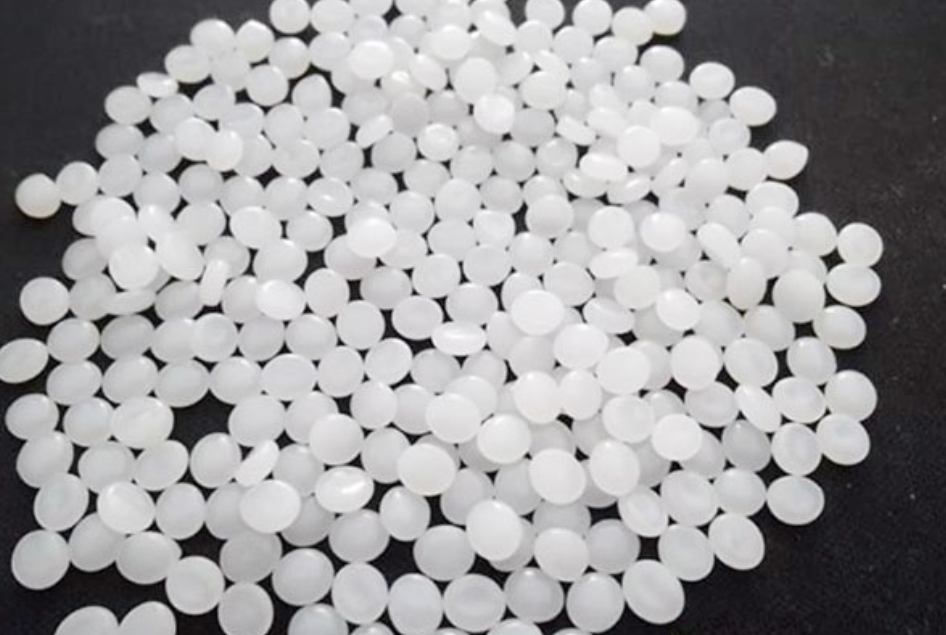
High Density Polyethylene (HDPE)
Found this useful?