Aurora Delivers the First Pyrolysis Bio-Oil From Empyro
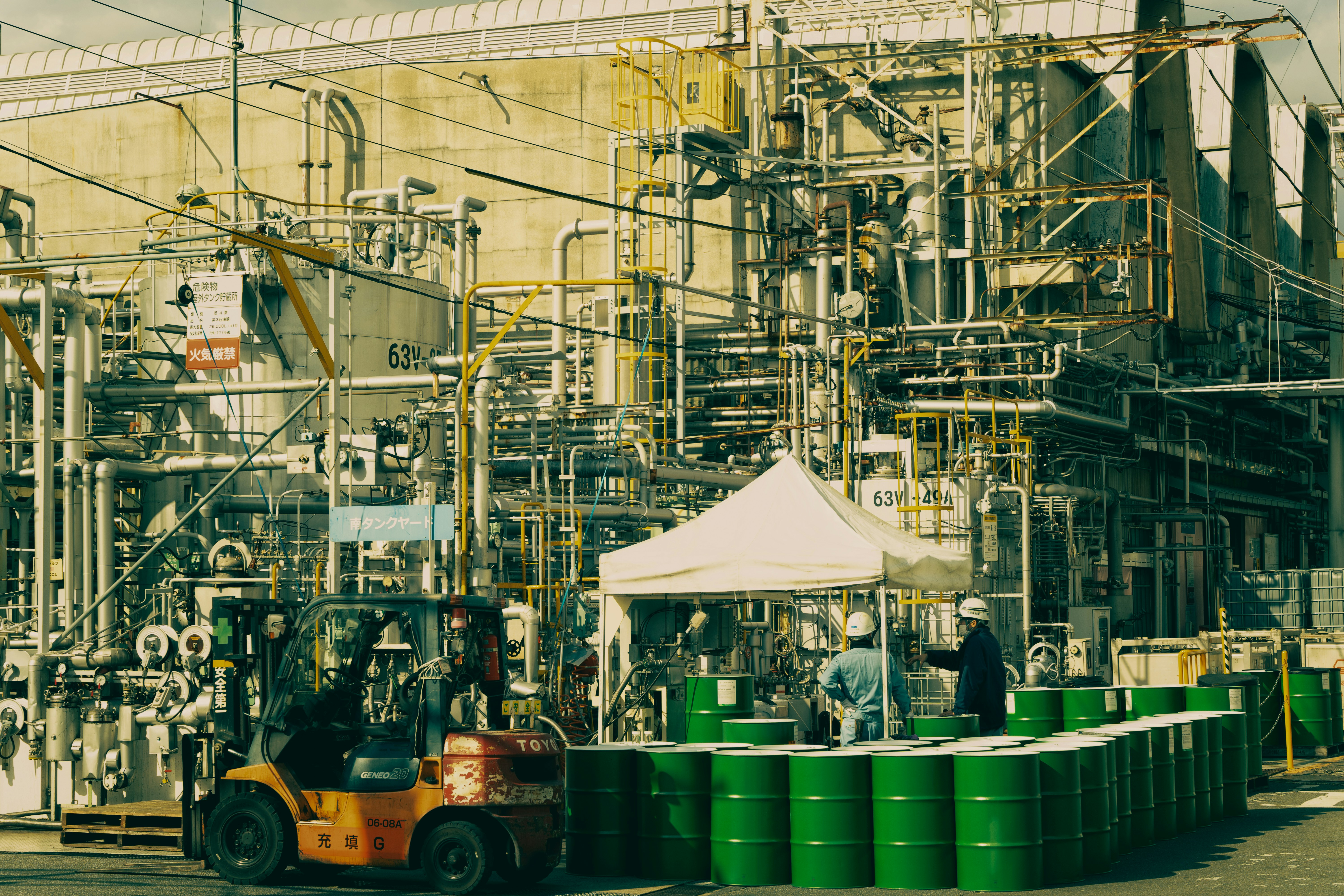
Aurora Renewable Carbon has delivered the first load of pyrolysis bio-oil from its Empyro plant to FrieslandCampina in Borculo, the Netherlands, marking an important step in restarting production and expanding the use of renewable feedstocks in industrial energy systems.
The bio-oil is used alongside natural gas in industrial steam boilers, replacing part of the fossil fuel used to generate process heat. The delivery demonstrates how biomass-derived fuels can be integrated into existing industrial operations without requiring a complete shift away from conventional energy sources.
Beyond its immediate energy application, the project supports Aurora's longer-term ambition to develop an integrated biorefinery in Twente, converting residual wood into renewable chemicals and materials.
How Pyrolysis Bio-Oil Is Produced
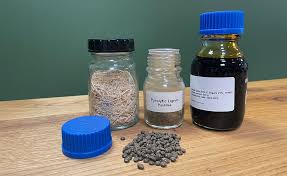
The Empyro facility uses fast pyrolysis to convert certified residual wood into liquid bio-oil. In this process, biomass is heated rapidly in the absence of oxygen, producing vapors that are condensed into a liquid fuel.
The resulting bio-oil can be used as an industrial energy source and may also provide a starting point for further processing into valuable chemical feedstocks.
The supply chain connects several stages:
Feedstock: Certified residual wood
Conversion: Fast pyrolysis at Empyro
Product: Renewable pyrolysis bio-oil
End use: Industrial steam generation at FrieslandCampina
Longer-term opportunity: Bio-based chemicals and materials
Using residual biomass can create additional value from wood resources that might otherwise have limited uses, provided sourcing and processing meet appropriate sustainability requirements.
Replacing Part of Natural Gas in Industrial Heat
Industrial steam is essential for many manufacturing processes, including heating, drying, evaporation, and cleaning.
At FrieslandCampina's Borculo site, pyrolysis bio-oil is co-fired with natural gas in industrial boilers. This allows the facility to replace part of its fossil fuel consumption while continuing to use its existing steam-generation infrastructure.
Potential benefits include:
Reduced dependence on natural gas
Greater use of renewable energy inputs
Diversification of industrial fuel sources
Lower exposure to some fossil-fuel market risks
Practical experience integrating renewable fuels into industrial operations
The actual emissions benefit depends on feedstock sourcing, production energy, transportation, boiler performance, and the lifecycle methodology used to measure emissions.
Empyro's Restart Supports a Broader Biorefinery Strategy
The first delivery follows Aurora's efforts to restart the Empyro facility after production was halted in early 2023. Financing for the restart was announced in July 2026, with the plant expected to resume supplying existing industrial customers.
Aurora's longer-term plan is to develop an integrated biorefinery in Twente that can process residual wood into higher-value products. Planned upgrading activities include separating lignin and sugars from pyrolysis bio-oil and refining them into customer-specific bio-based feedstocks.
These materials could serve applications in resins, coatings, composites, and other specialty chemicals.
The strategy therefore extends beyond renewable energy: it aims to increase the value extracted from renewable carbon by developing both fuel and chemical-material pathways.
Why Sustainable Feedstocks Matter
Chemical manufacturers are under growing pressure to diversify their raw-material sources, reduce dependence on fossil carbon, and improve the environmental performance of their products.
Renewable feedstocks can contribute to these goals when they are commercially viable, technically suitable, and supported by credible sustainability documentation.
For industrial buyers, the key considerations include:
Feedstock availability and consistency
Traceability and certification
Conversion efficiency
Product quality and specifications
Transport and storage requirements
Lifecycle emissions
Cost competitiveness
Compatibility with existing equipment
The Empyro delivery offers a practical example of renewable feedstock integration at an operating industrial site.
Market Implications
Aurora's first delivery highlights several developments in the sustainable chemicals market.
1. Industrial Fuel Diversification
Bio-oil can provide an additional fuel option for facilities seeking to reduce natural gas consumption.
2. Greater Value From Residual Biomass
Converting residual wood into liquid fuels and chemical intermediates can expand the commercial uses of biomass.
3. Existing Infrastructure Can Support Adoption
Co-firing enables some industrial users to introduce renewable fuel while retaining natural gas as a backup.
4. Renewable Carbon Could Support Chemical Manufacturing
Upgrading pyrolysis bio-oil into usable chemical feedstocks may create additional routes for producing materials with reduced fossil-carbon dependence.
5. Supply Chains Will Become Increasingly Important
Reliable biomass collection, certification, processing, storage, and transportation are essential to scaling renewable feedstocks.
Competitive Intelligence
Companies tracking sustainable chemicals and industrial decarbonization should monitor several indicators.
Plant utilization: Whether Empyro maintains regular production and deliveries following its restart.
Feedstock sourcing: Whether certified residual wood supplies remain consistent and commercially viable.
Customer adoption: Whether additional industrial users adopt pyrolysis bio-oil for process heat.
Upgrading investment: Progress toward producing lignin- and sugar-based feedstocks for specialty chemicals.
Lifecycle performance: Evidence of emissions reductions compared with conventional fossil-based alternatives.
Commercial scalability: Whether renewable feedstocks can compete on cost, quality, and reliability at larger volumes.
Procurement Considerations
Procurement teams evaluating renewable fuels and bio-based chemical feedstocks should assess both environmental credentials and practical supply requirements.
Recommended actions include:
Confirm feedstock origin and sustainability documentation.
Review product specifications and consistency.
Evaluate delivered cost, including transport and storage.
Compare lifecycle emissions with the relevant fossil-based alternative.
Assess supplier capacity and continuity of supply.
Confirm compatibility with existing industrial equipment and processes.
Monitor the development of bio-based chemical products from upgrading projects.
A renewable feedstock can offer environmental advantages, but its commercial value depends on dependable supply, appropriate performance, and transparent lifecycle evidence.
Looking Ahead
Aurora's first pyrolysis bio-oil delivery to FrieslandCampina marks a practical step in the restart of Empyro and the wider development of renewable-carbon supply chains.
The immediate application is industrial steam generation, where bio-oil replaces part of the natural gas used in boilers. The longer-term opportunity lies in developing an integrated biorefinery that can transform residual wood into higher-value chemical building blocks.
For chemical manufacturers and procurement teams, the project is worth monitoring as an example of how renewable feedstocks can connect industrial energy use with the future production of bio-based chemicals and materials.
Key Takeaways
Aurora delivered the first load of pyrolysis bio-oil from the restarted Empyro plant to FrieslandCampina in Borculo.
The bio-oil is co-fired with natural gas to generate industrial steam.
Empyro converts certified residual wood into renewable bio-oil through fast pyrolysis.
Aurora plans to develop an integrated biorefinery in Twente for bio-based chemicals and materials.
The project's longer-term success depends on feedstock reliability, processing economics, product quality, and verified lifecycle performance.
Procurement teams should evaluate renewable feedstocks using both sustainability and commercial criteria.
Sources
https://chemxplore.com/news/aurora-delivers-first-pyrolysis-bio-oil
Biotin
Found this useful?