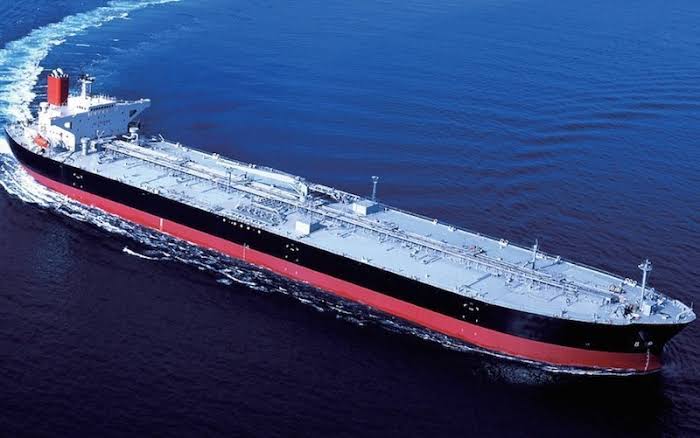
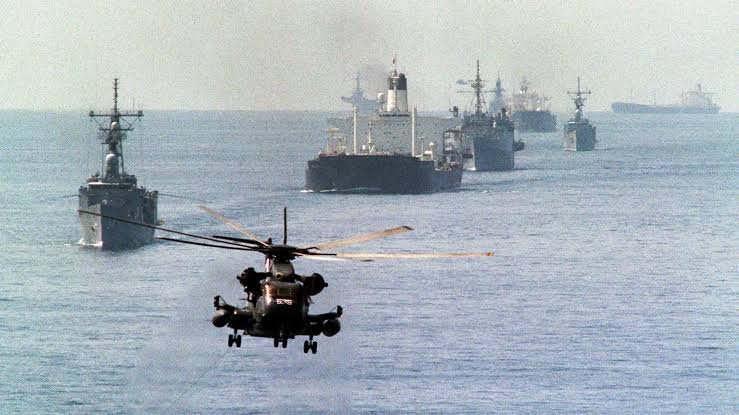
A shutdown of Bab el-Mandeb on top of an existing Hormuz disruption would create one of the most severe supply-chain scenarios for global petrochemical feedstocks. The combined risk would affect crude oil flows, refined products, shipping routes and the availability of raw materials used across plastics and polymers.
For chemical traders and procurement teams, the concern goes beyond higher freight rates. A simultaneous disruption at both strategic waterways could force suppliers to reroute cargoes, extend delivery times and reconsider which markets they can serve reliably. Petrochemical feedstock planning would move from a cost optimisation exercise to a supply continuity challenge.
Why a Second Strait Closure Changes the Risk Equation
The Strait of Hormuz and Bab el-Mandeb serve different roles in the global energy trade, but disruption at both would create a far more serious problem than either event alone. Hormuz affects the movement of major Gulf energy exports, while Bab el-Mandeb connects the Red Sea with the Gulf of Aden and the wider Indian Ocean trade network.
A Houthi shutdown of Bab el-Mandeb would add another major restriction to the movement of Saudi oil exports. If Hormuz already faces disruption, the result would create a severe double bottleneck for energy and petrochemical supply chains.
The key issue for buyers is the interaction between the two disruptions. Companies could not simply rely on one alternative route because the combined impact would affect both available supply and the logistics needed to move that supply.
Saudi Oil Exports Become a Central Concern
Saudi Arabia plays a critical role in global crude oil markets and remains an important source of feedstock for refining and petrochemical production. A Bab el-Mandeb closure would place additional pressure on Saudi export logistics at a time when Hormuz disruption already limits normal regional trade flows.
This creates several immediate challenges for petrochemical buyers:
Export route constraints: Saudi cargoes moving toward markets connected to the Red Sea and beyond could face significant operational disruption.
Longer voyage distances: Alternative routing could add substantial sailing time and increase fuel, insurance and vessel costs.
Reduced scheduling certainty: Buyers could face wider delivery windows, making inventory planning more difficult.
Feedstock competition: Refiners and petrochemical producers may compete more aggressively for available crude and intermediate products.
The result could extend well beyond crude oil. When feedstock availability tightens, the impact can spread through naphtha, liquefied petroleum gases and other refinery-linked inputs that support the production of polymers and downstream chemicals.
Petrochemical Feedstock Planning Faces a Double Shock
Petrochemical production depends on a steady flow of feedstocks. Products such as polyethylene, polypropylene and other major polymer families rely on raw materials that connect directly or indirectly to crude oil and natural gas markets.
A dual-strait disruption could affect this chain in several ways. Producers may reduce operating rates if feedstock deliveries become unreliable, while others could attempt to secure additional material before conditions deteriorate further.
For procurement managers, the biggest challenge would involve timing. A buyer may have a confirmed order, but the physical cargo could still face delays caused by route changes, vessel shortages or port congestion.
The risk is not simply that material becomes more expensive. The risk is that material becomes difficult to secure at the required time.
Freight, Insurance and Transit Times Could Escalate Quickly
A Bab el-Mandeb closure would force shipping companies to reassess their exposure to the Red Sea and adjacent routes. If vessels avoid the affected corridor, cargoes could take longer routes around southern Africa or follow other alternatives depending on the origin and destination.
Longer routes create a chain reaction:
More sailing days increase fuel consumption and vessel utilisation costs.
Longer transit times reduce the number of available voyages that ships can complete.
Insurance premiums may rise as operators assess security risks.
Port congestion can increase when cargoes are redirected to alternative hubs.
Buyers may need additional working capital to cover larger inventories in transit.
For chemical traders, these factors can change the economics of a transaction even when the product price remains unchanged. A competitive offer at origin may become far less attractive after freight, insurance and financing costs increase.
Which Chemical Markets Could Feel the Pressure First?
The impact would likely spread unevenly across chemical markets. Products with strong links to refinery operations and major energy-producing regions could experience faster changes in availability and pricing.
Potentially exposed categories include:
Polyethylene and polypropylene: Production economics depend heavily on hydrocarbon feedstocks and regional operating rates.
Aromatics and solvents: Products connected to refinery and petrochemical complexes could face tighter supply if operating rates fall.
Industrial gases and chemical intermediates: Regional production interruptions can quickly affect downstream manufacturers.
Synthetic rubber and polymer additives: Buyers may face higher costs when base chemicals and logistics become more expensive.
Packaging raw materials: Any disruption to polymer supply can affect converters and manufacturers across food, consumer goods and industrial packaging.
The extent of the impact would depend on the duration of the disruption, the availability of alternative supply and the ability of producers to reroute cargoes. Short disruptions may create volatility, while prolonged closures could lead to structural changes in trade flows.
The “Sum of All Fears” Scenario for Global Buyers
For petrochemical procurement teams, a simultaneous Hormuz and Bab el-Mandeb disruption represents a scenario where several risks reinforce each other.
The first problem is supply availability. The second is transportation. The third is the cost of moving material through an increasingly constrained logistics network.
These risks can create a feedback loop. Buyers may increase orders to build safety stock, which can intensify competition for available cargoes. Traders may hold material for longer periods because replacement cargoes appear uncertain. Producers may prioritise nearby or higher-margin markets.
This can make market conditions more difficult to read. A buyer may see strong nominal supply in the global market while still struggling to secure a specific grade, origin or delivery window.
Regional Trade Flows Could Shift Across Asia, Europe and Africa
A prolonged disruption would likely force companies to rethink traditional trade routes. Buyers that normally depend on Gulf-origin cargoes could seek supply from other regions, increasing demand for alternative producers.
Asian buyers may face particularly complex decisions because the region includes major petrochemical manufacturing centres with large and continuous feedstock requirements. European and African buyers could also experience higher competition for alternative cargoes if traditional routes become less dependable.
Regional sourcing could therefore become more important than global sourcing alone. Companies may begin evaluating suppliers based not only on price and production capacity but also on the number of viable routes available to deliver the material.
A supplier with two practical export routes may become more attractive than a lower-cost supplier dependent on one exposed corridor.
What Procurement Teams Should Change Before Conditions Tighten
A major disruption rewards preparation. Buyers that wait until a route closes may find that alternative cargoes already carry higher premiums or have been allocated to existing customers.
Procurement teams should focus on several practical actions:
Map exposure by product. Identify which chemicals depend directly or indirectly on Gulf-origin feedstocks and which products have limited alternative supply.
Review supplier concentration. A single-source strategy can become highly vulnerable when the supplier depends on one export route.
Build realistic inventory buffers. Safety stock should reflect longer transit times and uncertain replenishment rather than normal market conditions.
Secure alternative origins. Pre-approved suppliers from different regions can provide greater flexibility during a disruption.
Review freight assumptions. A price comparison based only on the product cost may no longer reflect the actual landed cost.
Monitor contract flexibility. Delivery windows, force majeure provisions and substitution options can become critical during a logistics shock.
The objective is not to overreact to every geopolitical headline. The objective is to understand which parts of the supply chain can fail first and prepare alternatives before those options become expensive.
Traders May See Greater Value in Flexible Sourcing
Chemical traders can play an important role during a dual-route disruption because they often connect buyers with multiple origins and supply channels. Their value increases when conventional procurement relationships cannot provide sufficient flexibility.
The most competitive traders in this environment may be those that can offer:
Multiple production origins for the same or similar specification.
Flexible shipment options based on changing freight conditions.
Reliable information about available inventory and delivery timing.
Support with alternative grades where technical requirements allow substitution.
Clear landed-cost comparisons rather than origin-price quotes alone.
For buyers, this means the sourcing decision should focus on total supply resilience. The cheapest product at the loading port may not represent the lowest-cost option once delays, insurance, financing and emergency replacement purchases enter the calculation.
Looking Ahead to 2027: Supply Resilience Becomes a Buying Advantage
A prolonged period of geopolitical and maritime uncertainty could change how companies design their petrochemical procurement strategies. Traditional assumptions about stable routes and predictable transit times may no longer support efficient planning.
Companies may increasingly divide supply between multiple regions, maintain stronger relationships with alternative suppliers and use more frequent market monitoring to identify emerging disruptions.
This shift could also influence contract structures. Buyers may seek greater flexibility around delivery schedules, origins and replacement cargoes, while suppliers may place more emphasis on logistics reliability as part of their commercial offer.
For the chemical industry, the lesson from a potential Bab el-Mandeb closure layered on top of Hormuz disruption is clear. Supply resilience has become a commercial advantage, not merely a risk-management exercise.
Procurement teams that understand route exposure, diversify their supplier base and plan for higher logistics costs will have a stronger position when markets tighten. Those that rely on a single origin or a single shipping corridor may face the greatest pressure when disruption arrives. Ready to source Petrochemical Feedstocks from verified global suppliers? Explore competitive offers on our platform today.