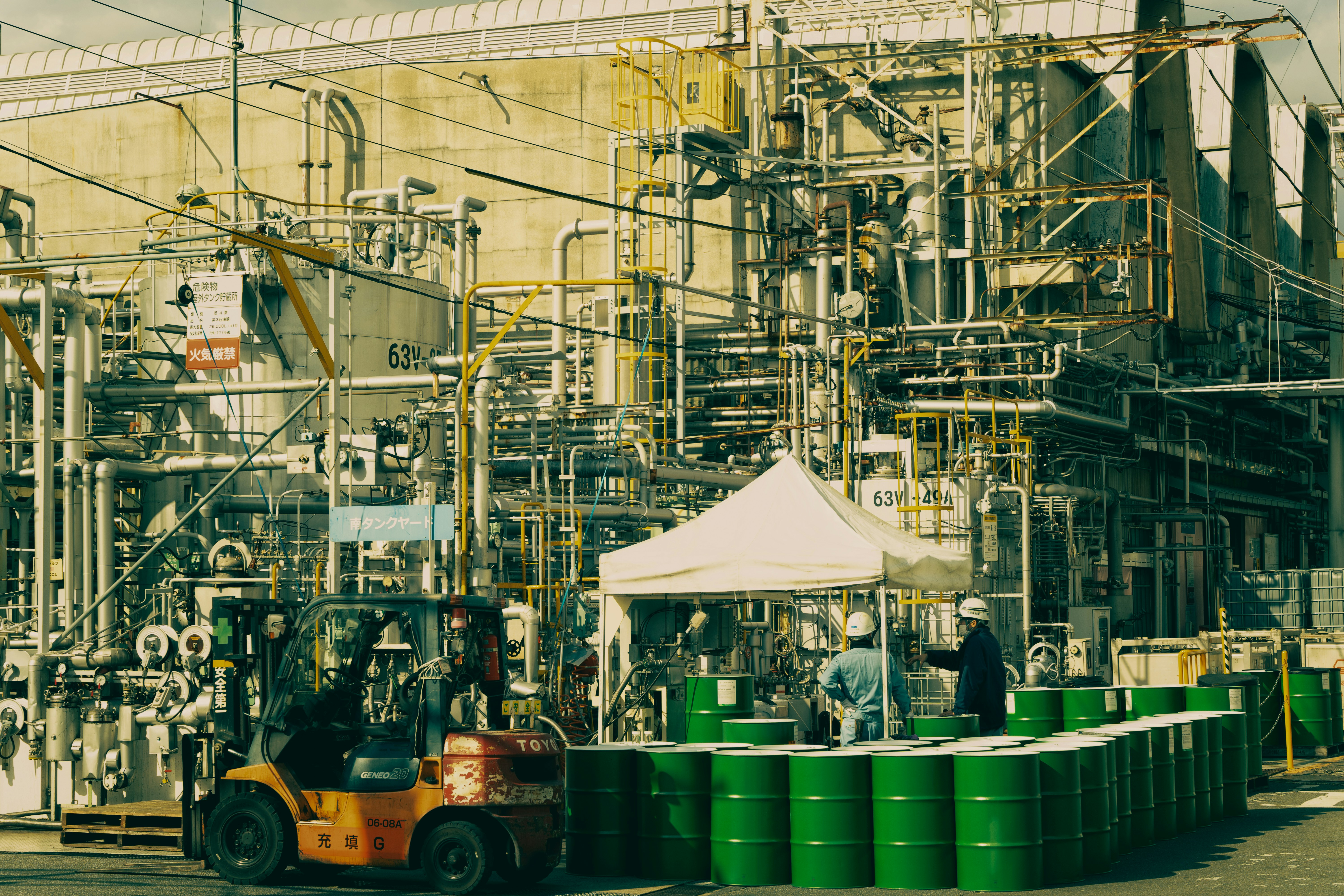
Benzene: Industrial Applications and Supply Trends
Benzene: Industrial Applications and Supply Trends
What Is Benzene and Why It Is Foundational
This foundational petrochemical, essential for producing styrene, cumene, cyclohexane, and aniline, is navigating a complex landscape defined by energy transition pressures, evolving downstream demand, and stringent regulatory frameworks, and the primary demand segments — styrene, cumene/phenol, cyclohexane, and aniline — collectively consume over 95% of EU benzene production. The World Pure Benzene market, a critical aromatic intermediate for styrene, phenol, cumene, and cyclohexane production, is structurally tied to global industrial output, electronics manufacturing, and automotive supply chains, with global consumption estimated at 60 to 65 million metric tonnes in 2024 to 2026, and Asia-Pacific accounting for roughly 60% of demand. In 2024, India emerged as the dominant global producer with an output of 7.9 million tons, followed by South Korea and Japan, and the demand landscape is dominated by three primary derivatives, which collectively account for overwhelming majority of global benzene consumption: ethylbenzene for styrene production, cumene for phenol and acetone production, and cyclohexane for caprolactam and adipic acid, leading to nylon.
Main Industrial Applications: Styrene, Cumene and Cyclohexane
Ethylbenzene / Styrene – The Largest Outlet
Ethylbenzene for styrene is the largest demand pathway, likely accounting for roughly 40 to 50% of benzene use, with cumene, cyclohexane, and nitrobenzene/aniline forming important additional outlets, and in Northern America, the market is structurally tied to production of styrenics at 50 to 55% of demand, phenol/cumene at 20 to 25%, and cyclohexane at 10 to 15%. The benzene market size is expected to grow from 57.08 million tons in 2025 to 59.22 million tons in 2026 and is forecast to reach 71.19 million tons by 2031 at a 3.75% CAGR over 2026 to 2031, segmented by derivative into Ethylbenzene, Cumene, Alkylbenzene, Cyclohexane, Nitrobenzene, and Other Derivatives. By derivative, Ethyl benzene segment held the largest market share of 54.4% in 2025, and increasing demand for styrene in various end-use industries such as packaging, automotive, electronics, and others is acting as a major driving force for continuously increasing demand for benzene.
Cumene / Phenol and Cyclohexane / Nylon
The cumene-to-phenol route represents the second-largest channel, comprising 20 to 25% of benzene demand, and in Pakistan, downstream demand is concentrated in styrene and polystyrene applications at an estimated 35 to 45% of consumption, followed by cumene/phenol at 15 to 25%, cyclohexane and nylon-6 at 10 to 18%, and detergent LAB/surfactants at 8 to 15%, reflecting Pakistan's industrial mix of plastics, resins, synthetic fibres, and consumer chemicals. Styrene production, primarily for polystyrene, ABS, and SBR, drives benzene demand in construction, packaging, and automotive, while cumene drives phenol for bisphenol-A, polycarbonate, epoxy resins, and phenolic resins, and cyclohexane drives caprolactam for nylon-6 and adipic acid for nylon-6,6, which are used in textiles, carpets, automotive parts, and industrial yarns.
Nitrobenzene / Aniline and Alkylbenzene
Nitrobenzene and aniline, though smaller than styrene and cumene, are critical for MDI polyurethane, dyes, pharmaceuticals, and rubber chemicals, and alkylbenzene, especially linear alkylbenzene (LAB), is used for detergents and surfactants, showing how benzene touches everyday products from detergents to insulation. Electronics and electrical equipment manufacturing, spanning PCB production, semiconductor fabrication, connector moulding, and device enclosures, also drives benzene demand indirectly through styrene, phenol, and nylon derivatives, and this makes benzene demand sensitive to housing, durable goods, and industrial output more than to consumer ingredient trends.

Supply Trends: Production, Regions and Growth Outlook
Global Supply, Asia-Pacific Dominance and Growth
The global benzene market size was valued at USD 54.3 billion in 2025 and is projected to grow from USD 57.6 billion in 2026 to USD 93.0 billion by 2033, at a CAGR of 7.1% from 2026 to 2033, and underlying US benzene demand is likely to grow about 1 to 3% annually through 2035, with derivative production, housing and durable goods, and industrial output more influential than consumer trends. Benzene demand in Pakistan is forecast to expand by roughly 30 to 50% in volume terms between 2026 and 2035, tracking growth in plastics, resins, and synthetic fibres, and in the Philippines, derivative demand is concentrated in styrene, cumene/phenol, and nylon precursor chains, which together represent an estimated 45 to 60% of national benzene consumption, making the market highly sensitive to downstream petrochemical operating rates and construction/automotive cycles, with demand growth forecast in low-to-mid single digits annually through 2035.
Procurement Implications: Price, Safety and Sustainability
For buyers, benzene is a Class 3 flammable liquid and a known carcinogen, so procurement must include strict safety, handling, and exposure controls, with ISO tank or drum transport, grounding, and PPE, and with suppliers who provide SDS, COA, and REACH compliance. Buyers should track crude oil, naphtha, and styrene prices together, because benzene is a co-product of catalytic reforming and steam cracking, and its availability depends on refinery and cracker operating rates, not just its own demand. As energy transition and circular economy pressures grow, buyers should also watch recycled styrene, bio-based benzene, and non-phthalate alternatives, because these will gradually shift benzene demand, but benzene will remain foundational for styrene, phenol, and nylon for the foreseeable future.
Sources with Links:
Benzene Aromatic Hydrocarbon Market in the United States – IndexBox – https://www.indexbox.[STRIPPED 103 bytes] Benzene - Market Share Analysis, Industry Trends & Statistics, Growth Forecasts (2026-2031) – Research and Markets – https://www.researchandmarkets.com/reports/4515082/benzene-market-share-analysis-industry-trends?utm_source=BW&utm_medium=PressRelease&utm_code=h47rlm&utm_campaign=1671734+-+Global+Benzene+Market+%282022+-+2027%29+-+Increasing+Demand+for+Styrene+Polymers+is+Expected+to+Drive+the+Market%27s+Growth&utm_exec=elco286prd
Global Benzene Market Report 2026 - Prices, Size, Forecast, and Companies – IndexBox – https://www.indexbox.[STRIPPED 74 bytes] Benzene Market Size, Share & Growth Report, 2026-2033 – Grand View Research – https://www.grandviewresearch.com/industry-analysis/benzene-market-report

Crude Canola Oil
Found this useful?