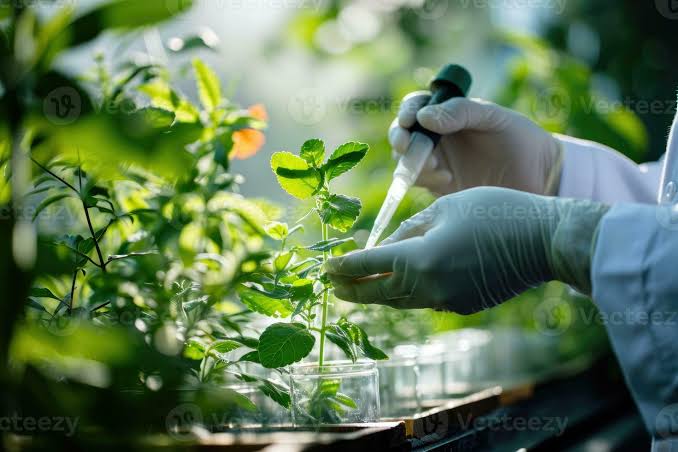
Bio-Based Corn Fermentation Innovation Could Eventually Touch Agrochemical Feedstock Sourcing

Bio-Based Corn Fermentation Innovation Could Eventually Touch Agrochemical Feedstock Sourcing
Introduction
Advances in bio-based corn fermentation are opening new possibilities for the agrochemical industry by creating sustainable alternatives to conventional petrochemical feedstocks. Although many of these technologies are still in the early stages of commercialization, continued innovation in industrial biotechnology could gradually reshape how certain agrochemical intermediates and specialty chemicals are produced.
As governments and industries prioritize sustainability, carbon reduction, and renewable raw materials, bio-based fermentation has gained attention as a potential pathway for manufacturing chemical building blocks with a lower environmental footprint. While widespread adoption will take time, procurement teams and manufacturers are beginning to monitor these developments as part of their long-term sourcing strategies.
What Is Bio-Based Corn Fermentation?
Bio-based corn fermentation is a biological process that uses corn-derived sugars as a renewable feedstock for microorganisms such as bacteria or yeast. These microorganisms convert plant-based carbohydrates into valuable industrial chemicals through controlled fermentation.
The resulting products can serve as raw materials for various industries, including:
Agrochemicals
Food ingredients
Pharmaceuticals
Bioplastics
Industrial solvents
Specialty chemicals
Unlike conventional production methods that rely heavily on fossil-based feedstocks, fermentation utilizes renewable agricultural resources to produce similar chemical compounds.
Why It Matters for Agrochemical Feedstocks
Many agrochemical products depend on chemical intermediates that are traditionally manufactured from petroleum-based raw materials. Advances in fermentation technology could eventually provide renewable alternatives for selected feedstocks used in agrochemical manufacturing.
Potential benefits include:
Reduced dependence on fossil-based raw materials
Lower greenhouse gas emissions
Improved supply chain sustainability
Greater feedstock diversification
Support for corporate environmental goals
Although these technologies are not expected to replace conventional feedstocks in the near term, they may gradually complement existing supply chains.
Potential Applications in Agrochemical Manufacturing
Bio-based fermentation may contribute to several areas of agrochemical production over time.
Bio-Based Chemical Intermediates
Renewable fermentation processes can produce organic acids, alcohols, and specialty molecules that may serve as building blocks for crop protection products.
Sustainable Solvents
Bio-derived solvents could reduce the environmental impact of agrochemical formulations while supporting sustainability initiatives.
Specialty Ingredients
Fermentation technologies may enable the production of selected additives and formulation components using renewable feedstocks.
Green Manufacturing Processes
Using renewable raw materials may help manufacturers lower carbon emissions while improving overall process sustainability.
Challenges to Commercial Adoption
Despite promising research, several challenges remain before bio-based feedstocks become widely used within the agrochemical industry.
These include:
High commercialization costs
Scaling laboratory innovations to industrial production
Competition with established petrochemical processes
Feedstock availability and pricing
Regulatory approvals
Infrastructure investment requirements
As production technologies mature, many of these barriers are expected to decline over time.
Procurement Considerations
Procurement professionals should view bio-based feedstocks as an emerging strategic opportunity rather than an immediate replacement for conventional materials.
Recommended actions include:
Monitor Technology Developments
Stay informed about commercial-scale fermentation projects and new product launches.
Evaluate Supplier Innovation
Engage suppliers that are investing in renewable chemical manufacturing and sustainable production technologies.
Diversify Long-Term Sourcing
Consider how bio-based materials could support future procurement resilience and sustainability objectives.
Assess Total Value
Evaluate renewable feedstocks based on overall performance, cost, environmental impact, and long-term supply security rather than purchase price alone.
Sustainability and the Future of Chemical Manufacturing
Industrial biotechnology is becoming an increasingly important component of the global transition toward sustainable manufacturing. Governments, investors, and multinational companies continue to support research into renewable feedstocks that can reduce dependence on fossil resources.
As fermentation technologies improve, bio-based production may contribute to:
Lower carbon footprints
More circular supply chains
Reduced environmental impact
Increased renewable raw material utilization
Enhanced supply chain resilience
These developments align with broader sustainability goals across the chemical and agricultural sectors.
Outlook for the Agrochemical Industry
Bio-based corn fermentation is unlikely to replace conventional agrochemical feedstocks in the immediate future, but it represents a promising area of innovation with long-term potential. Continued advances in biotechnology, process efficiency, and commercial scalability could expand the range of renewable chemicals available to agrochemical manufacturers.
Companies that monitor emerging technologies, collaborate with innovative suppliers, and incorporate sustainability into procurement planning will be better positioned to adapt as the industry evolves.
Conclusion
Bio-based corn fermentation represents an emerging opportunity that could gradually influence agrochemical feedstock sourcing by providing renewable alternatives to selected petrochemical raw materials. While commercialization remains in its early stages, advances in industrial biotechnology are creating new possibilities for sustainable chemical manufacturing.
For agrochemical producers and procurement professionals, staying informed about bio-based innovation today can help prepare for a more diversified, resilient, and environmentally responsible supply chain in the years ahead.

Ammonium Bromide

Found this useful?