BioBTX and Rain Carbon to Convert Plastic Waste Into Renewable Aromatics
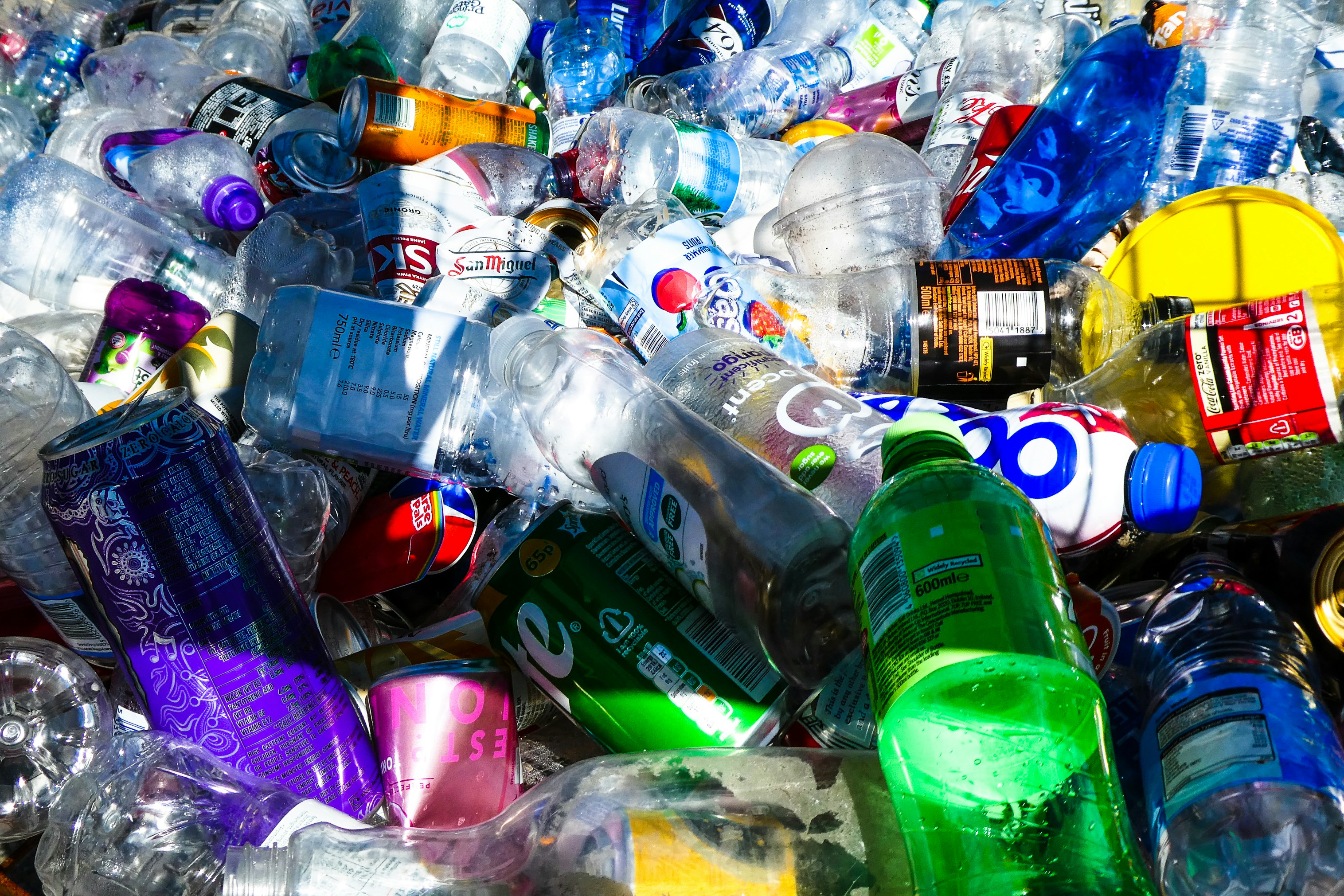
BioBTX and Rain Carbon to Convert Plastic Waste Into Renewable Aromatics
BioBTX and Rain Carbon have entered into a strategic collaboration to bring renewable aromatic products made from plastic waste to the chemical industry. The partnership combines BioBTX’s plastic-waste conversion technology with Rain Carbon’s downstream processing expertise to develop alternatives to conventional fossil-based aromatic chemicals.
The collaboration comes as chemical manufacturers look for recycled and lower-carbon feedstocks that can be integrated into existing value chains while maintaining product performance.
BioBTX Advances Commercial-Scale Plastic Waste Conversion
The partnership builds on BioBTX’s plans for its first commercial-scale plant at Delfzijl in the Netherlands.
In July 2026, BioBTX took a positive Final Investment Decision for the facility, which will use its proprietary Integrated Catalytic Cracking Process (ICCP) technology to convert plastic waste into renewable aromatic oil. The plant is designed to produce approximately 10,000 tonnes of aromatic oil per year containing benzene, toluene, xylenes and other aromatic compounds.
BioBTX says the facility will be the world's first dedicated greenfield plant designed to convert plastic waste directly into renewable aromatics at commercial scale.
Construction is expected to begin in early 2027, with start-up targeted for 2028.
Rain Carbon to Process Renewable Aromatic Oil
Under the collaboration, Rain Carbon will process BioBTX's circular aromatic oil into benzene, phthalic anhydride and other aromatic derivatives.
The products are intended to meet the same quality and performance requirements as conventional fossil-based alternatives. This could allow downstream manufacturers to incorporate circular feedstocks into established applications without fundamentally changing their products or processes.
Rain Carbon brings more than 150 years of experience in processing industrial by-products into carbon products, chemicals and advanced materials. Its processing capabilities will provide the downstream link between BioBTX's renewable aromatic oil and commercial chemical products.
Turning Plastic Waste Into Chemical Feedstocks
BioBTX's ICCP technology is designed to transform end-of-life plastic waste into high-value aromatic hydrocarbons.
Aromatic compounds such as benzene, toluene and xylenes are important building blocks for a wide range of chemical products. They are used in applications including polymers, coatings, insulation materials, pharmaceuticals and other industrial products.
Instead of sending suitable plastic waste to landfill, incineration or lower-value applications, the technology aims to recover its carbon content and return it to chemical production.
BioBTX says its PETRA facility is designed to produce approximately 10,000 tonnes of renewable aromatic oil annually, alongside around 8,000 tonnes of sustainable by-products, with a claimed 70–80% lifecycle greenhouse-gas reduction.
Supporting Circular Chemical Value Chains
The collaboration addresses a growing challenge for the chemical industry: increasing the use of circular carbon while maintaining reliable supplies of chemical building blocks.
By combining plastic-waste conversion with established downstream processing, BioBTX and Rain Carbon aim to create a supply chain in which waste plastics become feedstocks for new chemical products.
The companies say the resulting materials could help customers increase recycled content and reduce the carbon footprint of their supply chains without compromising product quality.
Applications Across Multiple Industries
The renewable aromatic products could serve several downstream markets.
BioBTX has identified interest in its renewable aromatic oil from companies operating in areas including pharmaceuticals, coatings, toys and automotive applications. These industries use aromatic chemicals in a broad range of materials and products.
The ability to produce drop-in aromatic derivatives is particularly relevant because manufacturers can potentially use them within existing chemical value chains rather than developing completely new material systems.
Combining Two Areas of Chemical Expertise
The partnership brings together two complementary capabilities.
BioBTX contributes its ICCP technology for converting plastic waste into renewable aromatic oil, while Rain Carbon provides expertise in processing and refining carbon-based feedstocks into usable chemical products.
Rain Carbon's parent company, Rain Industries, operates across carbon and advanced-materials markets, with applications spanning areas including aluminum, green steel, graphite, energy storage, tires, adhesives and coatings.
The collaboration therefore connects emerging plastic-waste conversion technology with established industrial processing infrastructure.
Commercial Scale-Up Planned for 2028
The Delfzijl project will be an important test of the commercial scalability of plastic-waste-derived aromatics.
With construction expected to begin in 2027 and start-up targeted for 2028, the facility will move BioBTX's ICCP technology from pilot and development stages toward commercial production. BioBTX says it intends to use the first plant as a foundation for wider deployment and licensing of its technology internationally.
The collaboration with Rain Carbon could help establish downstream markets for the aromatic products as BioBTX moves toward commercial operation.
Outlook for Renewable Aromatics
The BioBTX-Rain Carbon collaboration highlights a growing effort to replace fossil-based chemical feedstocks with recycled and renewable carbon sources.
If the Delfzijl facility reaches its planned production and performance targets, it could provide a new source of aromatic feedstocks derived from plastic waste rather than conventional fossil resources.
For the chemical industry, the partnership represents another step toward integrating waste-derived carbon into established chemical value chains and expanding the availability of circular aromatic products.BioBTX and Rain Carbon to Convert Plastic Waste Into Renewable Aromatics
BioBTX and Rain Carbon have entered into a strategic collaboration to bring renewable aromatic products made from plastic waste to the chemical industry. The partnership combines BioBTX’s plastic-waste conversion technology with Rain Carbon’s downstream processing expertise to develop alternatives to conventional fossil-based aromatic chemicals.
The collaboration comes as chemical manufacturers look for recycled and lower-carbon feedstocks that can be integrated into existing value chains while maintaining product performance.
BioBTX Advances Commercial-Scale Plastic Waste Conversion
The partnership builds on BioBTX’s plans for its first commercial-scale plant at Delfzijl in the Netherlands.
In July 2026, BioBTX took a positive Final Investment Decision for the facility, which will use its proprietary Integrated Catalytic Cracking Process (ICCP) technology to convert plastic waste into renewable aromatic oil. The plant is designed to produce approximately 10,000 tonnes of aromatic oil per year containing benzene, toluene, xylenes and other aromatic compounds.
BioBTX says the facility will be the world's first dedicated greenfield plant designed to convert plastic waste directly into renewable aromatics at commercial scale.
Construction is expected to begin in early 2027, with start-up targeted for 2028.
Rain Carbon to Process Renewable Aromatic Oil
Under the collaboration, Rain Carbon will process BioBTX's circular aromatic oil into benzene, phthalic anhydride and other aromatic derivatives.
The products are intended to meet the same quality and performance requirements as conventional fossil-based alternatives. This could allow downstream manufacturers to incorporate circular feedstocks into established applications without fundamentally changing their products or processes.
Rain Carbon brings more than 150 years of experience in processing industrial by-products into carbon products, chemicals and advanced materials. Its processing capabilities will provide the downstream link between BioBTX's renewable aromatic oil and commercial chemical products.
Turning Plastic Waste Into Chemical Feedstocks
Aromatic compounds such as benzene, toluene and xylenes are important building blocks for a wide range of chemical products. They are used in applications including polymers, coatings, insulation materials, pharmaceuticals and other industrial products.
Instead of sending suitable plastic waste to landfill, incineration or lower-value applications, the technology aims to recover its carbon content and return it to chemical production.
BioBTX says its PETRA facility is designed to produce approximately 10,000 tonnes of renewable aromatic oil annually, alongside around 8,000 tonnes of sustainable by-products, with a claimed 70–80% lifecycle greenhouse-gas reduction.
Supporting Circular Chemical Value Chains
The collaboration addresses a growing challenge for the chemical industry: increasing the use of circular carbon while maintaining reliable supplies of chemical building blocks.
By combining plastic-waste conversion with established downstream processing, BioBTX and Rain Carbon aim to create a supply chain in which waste plastics become feedstocks for new chemical products.
The companies say the resulting materials could help customers increase recycled content and reduce the carbon footprint of their supply chains without compromising product quality.
Applications Across Multiple Industries
The renewable aromatic products could serve several downstream markets.
BioBTX has identified interest in its renewable aromatic oil from companies operating in areas including pharmaceuticals, coatings, toys and automotive applications. These industries use aromatic chemicals in a broad range of materials and products.
The ability to produce drop-in aromatic derivatives is particularly relevant because manufacturers can potentially use them within existing chemical value chains rather than developing completely new material systems.
Combining Two Areas of Chemical Expertise
The partnership brings together two complementary capabilities.
BioBTX contributes its ICCP technology for converting plastic waste into renewable aromatic oil, while Rain Carbon provides expertise in processing and refining carbon-based feedstocks into usable chemical products.
Rain Carbon's parent company, Rain Industries, operates across carbon and advanced-materials markets, with applications spanning areas including aluminum, green steel, graphite, energy storage, tires, adhesives and coatings.
The collaboration therefore connects emerging plastic-waste conversion technology with established industrial processing infrastructure.
Commercial Scale-Up Planned for 2028
The Delfzijl project will be an important test of the commercial scalability of plastic-waste-derived aromatics.
With construction expected to begin in 2027 and start-up targeted for 2028, the facility will move BioBTX's ICCP technology from pilot and development stages toward commercial production. BioBTX says it intends to use the first plant as a foundation for wider deployment and licensing of its technology internationally.
The collaboration with Rain Carbon could help establish downstream markets for the aromatic products as BioBTX moves toward commercial operation.
Outlook for Renewable Aromatics
The BioBTX-Rain Carbon collaboration highlights a growing effort to replace fossil-based chemical feedstocks with recycled and renewable carbon sources.
If the Delfzijl facility reaches its planned production and performance targets, it could provide a new source of aromatic feedstocks derived from plastic waste rather than conventional fossil resources.
For the chemical industry, the partnership represents another step toward integrating waste-derived carbon into established chemical value chains and expanding the availability of circular aromatic products.
Activated Carbon (Granular) - India

Found this useful?