BioBTX Breaks Ground on a Commercial Scale Waste to Aromatics Plant
BioBTX Breaks Ground on a Commercial Scale Waste to Aromatics Plant
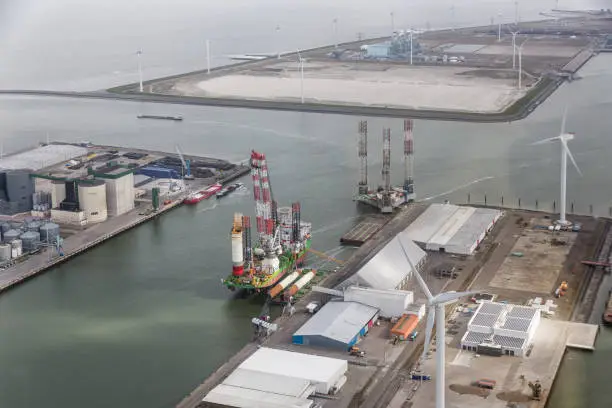
BioBTX has moved from development to commercial execution with the world’s first commercial-scale plant designed to convert mixed plastic waste directly into renewable aromatic chemicals. Located at Chemical Park Delfzijl on the northern coast of the Netherlands, the facility will use the company’s proprietary Integrated Catalytic Cracking Process (ICCP) to turn the kind of mixed plastic waste that would otherwise be incinerated or landfilled into an aromatic oil rich in benzene, toluene and xylenes (BTX). These are the same building blocks the chemical industry uses today for coatings, pharmaceuticals, performance materials and polymers. Construction is scheduled to begin in early 2027, with start-up expected in mid-2028.
The project, sometimes referred to as PETRA, is expected to process about 20,000 tonnes of mixed plastic waste per year and produce roughly 10,000 tonnes of renewable aromatic oil plus 8,000 tonnes of sustainable by-products. Compared with conventional fossil-based BTX production, the process is projected to cut lifecycle greenhouse-gas emissions of the resulting chemical building blocks by 70–80%. Covestro has been a shareholder and strategic partner since 2024.
From Pilot to First Commercial Plant
BioBTX’s journey to this point spans more than a decade, from initial concept in 2012 through laboratory and pilot scale. A positive final investment decision in 2026 marked the transition to full commercial execution. The Delfzijl plant is intended both to supply circular aromatics to the market and to provide the operational reference needed for further international scale-up of the ICCP technology.
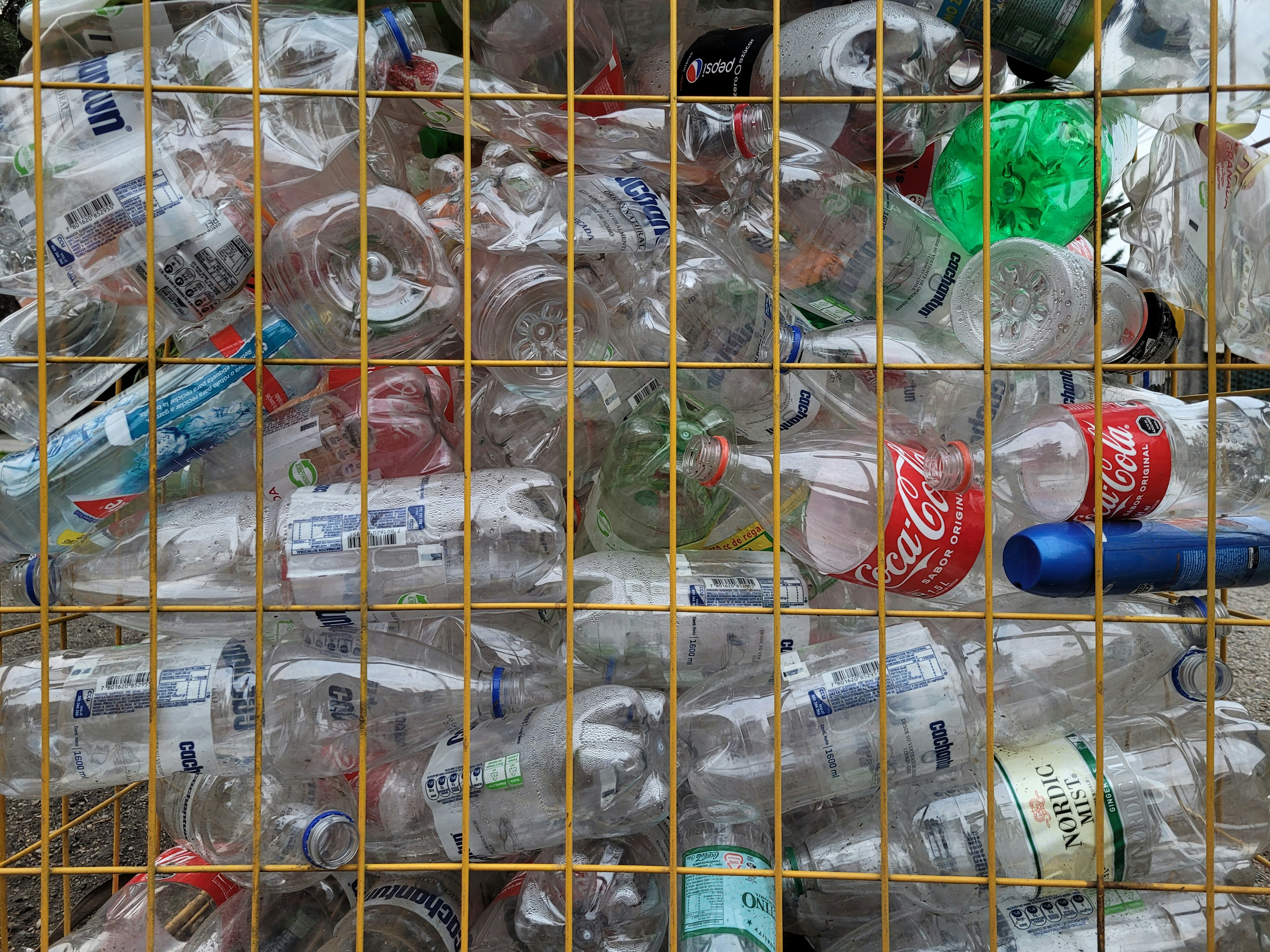
Unlike many chemical-recycling projects that target single-polymer or tightly sorted streams, BioBTX’s process is designed to handle mixed, complex and contaminated plastic waste. That capability addresses one of the central practical barriers to circularity: the reality that large volumes of post-consumer plastic arrive as mixed fractions that are difficult or uneconomic to separate into pure polymer streams.
Technology and Product Slate
The ICCP technology combines catalytic pyrolysis and subsequent upgrading steps to yield an aromatic-rich oil. The primary products—benzene, toluene and xylenes—are drop-in compatible with existing chemical value chains. Because they are chemically identical to fossil BTX, they can in principle be used in the same downstream processes without reformulation, provided quality and impurity specifications are met. The accompanying sustainable by-products add further value and improve overall process economics.
The ability to start from mixed waste rather than pre-sorted single polymers is presented as a key differentiator. It expands the addressable feedstock pool and aligns the technology with the actual composition of much of the plastic waste that currently goes to energy recovery or landfill.

Strategic Context and Partnerships
Covestro’s equity stake and strategic partnership signal interest from a major materials company in securing future circular aromatic feedstocks. Additional collaboration under the Dutch National Growth Fund’s Circular Plastics NL programme, including work with partners such as ExxonMobil Chemical Holland, Ketjen and academic institutions, supports further technology optimisation and the handling of increasingly complex waste streams as an expansion of the Delfzijl platform.
The plant is expected to create around 35 new jobs at the Delfzijl site and to contribute to the Netherlands’ broader circular-economy and climate objectives by diverting plastic waste from incineration and landfill while supplying lower-carbon chemical building blocks.
Implications for Aromatics and Circular Plastics
Aromatics remain among the more difficult chemical families to decarbonise at scale. Conventional BTX production is tightly linked to refinery and steam-cracker operations. A commercial route that starts from mixed plastic waste and delivers drop-in renewable aromatics therefore fills a notable gap in the circular-chemicals toolbox. Success at Delfzijl would provide both volume and a reference plant for licensing or replication elsewhere.
For brand owners and chemical buyers seeking circular content in coatings, engineering polymers or packaging, the availability of waste-derived BTX offers a pathway that does not depend solely on mechanical recycling or on bio-based routes from sugars or biomass. For waste managers and municipalities, a technology that can accept mixed plastics improves the economics of collection and sorting systems that inevitably generate residual mixed fractions.
Risks and Execution Focus
As a first-of-kind commercial plant, PETRA faces the usual scale-up risks: achieving design rates and product quality, securing consistent mixed-waste feedstock of suitable specification, and demonstrating reliable long-term operation. Capital cost, operating cost and the premium (if any) that markets will pay for circular aromatics will determine the pace of subsequent capacity additions. Regulatory recognition of the recycling pathway and clear mass-balance or allocation rules will also influence customer uptake.
Outlook
BioBTX’s groundbreaking on a commercial-scale waste-to-aromatics plant at Delfzijl marks a concrete step toward circular aromatic chemicals. By targeting mixed plastic waste and delivering benzene, toluene and xylenes with a substantially lower carbon footprint, the project addresses both a feedstock challenge and a hard-to-abate product family. Start-up in mid-2028 will test whether the ICCP technology can operate reliably at commercial scale and whether the resulting renewable aromatics find sustained offtake. If they do, Delfzijl will stand as a reference for a new class of circular chemical production rather than a one-off demonstration.
Sources
Deoiled Rice Bran
Found this useful?