Microbial Insecticides and Biological Crop Protection Guide | ChemicalsBlog.com
Agrochemicals & Fertilizers
schedule4 Min Read
Biological Crop Protection: Understanding Microbial Insecticides and Their Supply Chains
terminal
prodchem
Jul 9, 2026
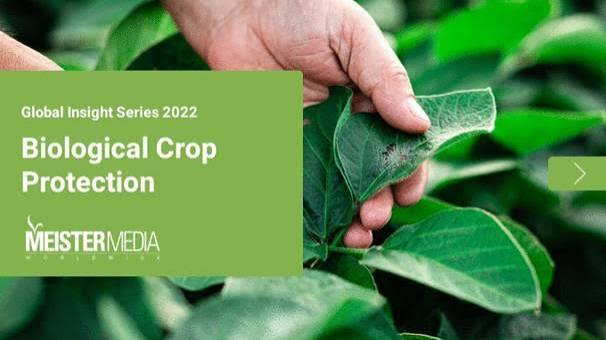
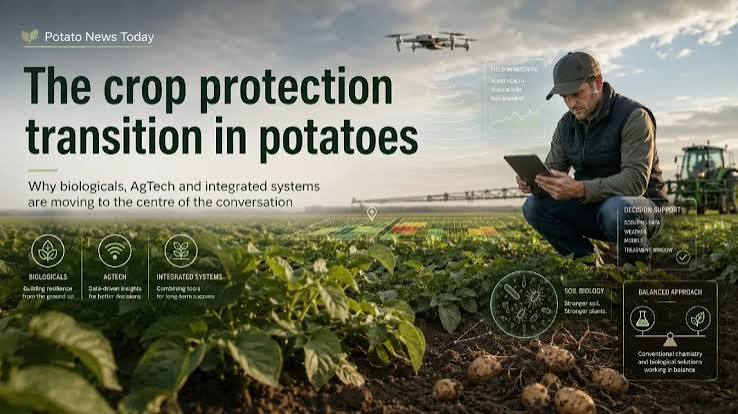
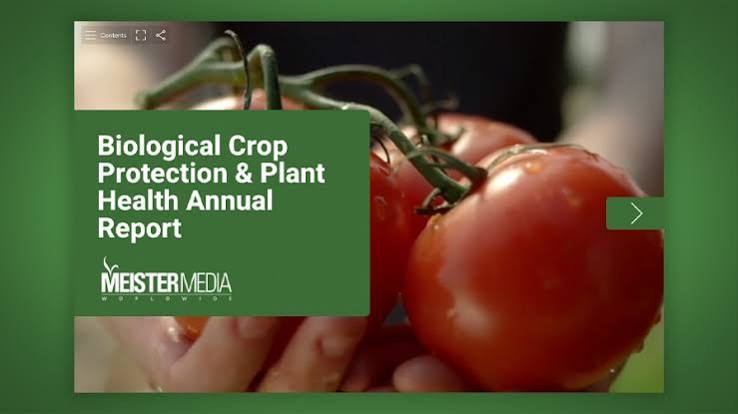
Biological crop protection is becoming an increasingly important part of modern agriculture as growers seek sustainable, targeted, and environmentally responsible pest management solutions. Among biological products, microbial insecticides represent the largest and most established commercial category, offering effective pest control while supporting integrated pest management (IPM) programs.
Unlike conventional chemical pesticides, microbial insecticides are based on living microorganisms or naturally occurring biological compounds. Their performance depends not only on the active organism but also on fermentation quality, formulation technology, storage conditions, and distribution practices.
For agrochemical procurement professionals, understanding the biological supply chain is essential for selecting reliable suppliers and maintaining product quality from manufacturing to farm application.
What Are Microbial Insecticides?
Microbial insecticides are biological crop protection products derived from naturally occurring microorganisms that target specific insect pests.
Common microbial groups include:
Bacteria
Fungi
Viruses
Protozoa (limited commercial use)
These products control pests through biological mechanisms rather than broad-spectrum chemical toxicity, making them valuable tools for sustainable agriculture.
Bacillus thuringiensis (Bt): The Industry Standard
Among all microbial insecticides, Bacillus thuringiensis (Bt) remains the most widely used worldwide.
Bt produces naturally occurring protein crystals that become toxic to specific insect larvae after ingestion, while remaining highly selective toward target pests.
Commercial Bt products are commonly used against:
Caterpillars
Armyworms
Loopers
Beetles
Mosquito larvae
Certain agricultural and forestry pests
Because of its proven effectiveness and favorable environmental profile, Bt has become a cornerstone of biological insect control programs.
How Microbial Insecticides Are Produced
Unlike synthetic pesticides manufactured through chemical synthesis, microbial insecticides are produced through controlled biological fermentation.
Selected microbial strains are cultivated under carefully controlled conditions to maximize growth and biological activity.
Harvesting
The microorganisms and their biologically active components are separated and prepared for formulation.
Formulation
Products are formulated into commercial forms such as:
Wettable Powders (WP)
Water Dispersible Granules (WG)
Suspension Concentrates (SC)
Liquid formulations
Quality Control
Each production batch is tested to ensure biological activity, purity, stability, and product consistency.
Quality Parameters That Matter
Biological products require different quality standards than conventional chemical pesticides.
Important evaluation criteria include:
Colony Forming Units (CFU)
Spore concentration
Biological activity
Strain identity
Purity
Moisture content
Shelf-life stability
Formulation performance
These parameters directly influence field performance and product reliability.
Supply Chain Differences
The biological supply chain differs significantly from traditional agrochemical distribution.
Manufacturing Consistency
Maintaining uniform fermentation conditions is essential for producing consistent biological performance.
Storage Conditions
Many biological products require controlled temperatures to preserve microbial viability throughout storage and transportation.
Shelf Life
Product performance may decline over time if storage recommendations are not followed.
Transportation
Distribution systems should minimize excessive heat, humidity, and prolonged transit times.
Procurement Considerations
Selecting suppliers for microbial insecticides requires a broader evaluation than purchasing conventional active ingredients.
Procurement teams should assess:
Manufacturing expertise
Fermentation technology
Quality management systems
Batch consistency
Regulatory compliance
Storage recommendations
Shelf-life validation
Technical support capabilities
Supplier audits are particularly valuable when evaluating biological manufacturers.
Supporting Sustainable Agriculture
Biological insecticides play an increasingly important role in modern crop protection strategies.
Benefits include:
Target-specific pest control
Reduced environmental impact
Compatibility with integrated pest management
Lower risk to beneficial insects when properly applied
Support for sustainable farming practices
As demand for environmentally responsible agriculture grows, biological products are expected to become a larger component of global crop protection programs.
Long-Term Outlook
Advances in microbial fermentation, formulation science, and biotechnology continue to expand the commercial potential of biological crop protection products. Improvements in strain development, shelf-life stability, and distribution technology are making microbial insecticides more practical for large-scale agricultural use across diverse cropping systems.
For procurement professionals, successful sourcing increasingly depends on evaluating manufacturing quality, biological consistency, storage performance, and regulatory compliance rather than relying solely on traditional chemical specifications. Organizations that develop expertise in biological supply chains will be well positioned to support the growing demand for sustainable crop protection solutions.
Key Takeaways
Microbial insecticides are the largest commercial segment of biological crop protection.
Bacillus thuringiensis (Bt) remains one of the world's most widely used biological insecticides.
Product performance depends heavily on fermentation quality, formulation, and storage conditions.
Procurement teams should evaluate biological quality parameters alongside regulatory compliance.
Strong supplier qualification and quality assurance are essential for reliable biological crop protection products.