Biomethanol Bunkering at Commercial Scale: What the Kokuryu Maru Means for Marine Fuel Buyers
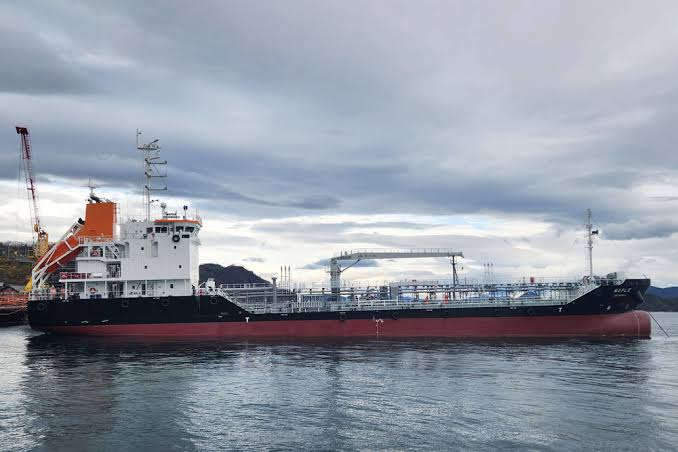
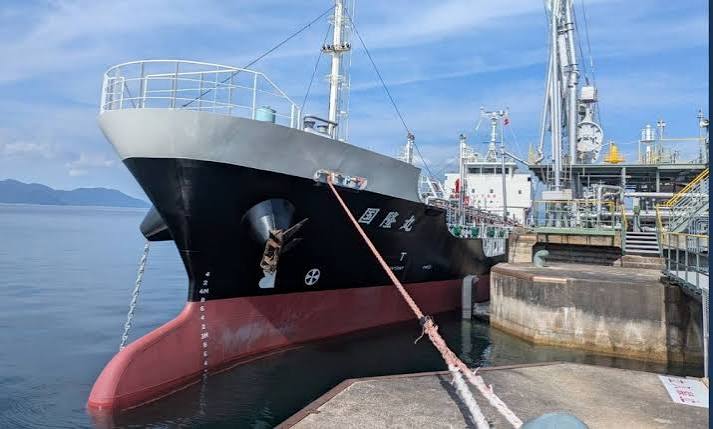
A commercial-scale biomethanol bunkering operation in Japan has given marine fuel buyers a practical example of how alternative fuels can move from development projects into vessel operations. The chemical tanker Kokuryu Maru completed its first methanol bunkering at Kinoe Port on September 24, 2026, with the supplied fuel including domestically produced biomethanol.
For the maritime chemical supply chain, the development is significant because methanol can remain liquid under normal ambient conditions and can work with established liquid-fuel handling practices. The vessel is also designed to transport methanol and operate as a methanol bunkering vessel, creating a link between fuel transportation, storage and ship refuelling.
The project expects methanol fuel to reduce CO₂ emissions by approximately 17.5% compared with conventional heavy fuel oil, giving procurement teams another factor to consider as shipping companies evaluate lower-emission fuel options.
Kokuryu Maru Brings Biomethanol Into Vessel Operations
The Kokuryu Maru is a 498-gross-ton chemical tanker with a deadweight capacity of 1,223 tons. It uses a dedicated methanol-fuelled main engine manufactured by Hanshin Diesel Works and represents Kokuka Sangyo's first dedicated methanol-fuelled vessel.
Mitsubishi Gas Chemical, or MGC, will charter the vessel. Its main role will involve domestic methanol transportation, while the tanker will also function as a methanol bunkering vessel.
The first bunkering took place at Kinoe Port, with the fuel supply including biomethanol produced at MGC's Niigata Plant. The biomass characteristics of the biomethanol were assigned using the mass balance method, and the fuel will support the vessel's operations.
This arrangement gives the project a wider supply-chain relevance. Instead of treating fuel production, transportation and bunkering as separate activities, the participating companies are building an integrated system around methanol.
Why Methanol Is Gaining Attention in Marine Fuel Markets
Methanol offers several operational characteristics that make it attractive for shipping applications. Unlike fuels that require specialised handling conditions, methanol can be handled as a liquid at ambient temperature and pressure.
That characteristic can simplify parts of the transition for shipowners and fuel suppliers. Existing liquid-fuel logistics provide a useful foundation for storage, transportation and bunkering, although operators still need suitable equipment, procedures and safety controls for methanol.
Methanol also offers emissions advantages compared with conventional heavy fuel oil. The Kokuryu Maru project specifically targets lower CO₂ emissions while also highlighting reductions in sulfur oxides, particulate matter and nitrogen oxides compared with conventional marine fuels.
For chemical traders and procurement managers, the development points to a market where fuel specifications, origin, logistics and sustainability attributes can become increasingly important alongside conventional commercial terms.
The 17.5% CO₂ Reduction Target Changes the Procurement Conversation
The expected 17.5% reduction in CO₂ emissions compared with heavy fuel oil gives buyers a measurable reference point when assessing methanol-based marine fuel strategies. It also connects fuel purchasing decisions with the wider decarbonisation targets facing coastal shipping.
Japan has set targets to reduce CO₂ emissions from coastal shipping by approximately 17% by fiscal 2030 and approximately 36% by fiscal 2040 compared with fiscal 2013. The Kokuryu Maru project fits directly into this broader direction.
The project received support through Japan's 2024 Project to Promote Decarbonization in the Maritime Sector, a programme developed through cooperation between the Ministry of the Environment and the Ministry of Land, Infrastructure, Transport and Tourism.
For procurement teams, the implication is clear. Marine fuel selection increasingly involves more than price per tonne, with emissions performance, fuel availability, infrastructure compatibility and policy alignment becoming part of the purchasing equation.
Biomethanol Supply Creates New Opportunities for Chemical Traders
The first Kokuryu Maru bunkering included biomethanol made domestically at MGC's Niigata Plant. That detail is important because the maritime fuel market is not only moving toward methanol, it is also developing different pathways for producing methanol with lower environmental impact.
Methanol can be produced using several feedstock routes, including biomass and other carbon-based resources. MGC is also developing its Carbopath platform around methanol produced from CO₂, waste plastics and biomass, with the aim of using methanol as a route toward energy and materials production.
For traders, this creates potential differentiation between conventional methanol and lower-carbon methanol products. Buyers may increasingly request information covering feedstock origin, production pathway, sustainability characteristics and allocation methods rather than simply specifying methanol by chemical identity.
That shift could create new commercial opportunities for suppliers that can combine reliable physical delivery with transparent information about the fuel's production and environmental attributes.
What the Project Means for Marine Fuel Supply Chains
The Kokuryu Maru has an unusual role because it can both transport methanol and serve as a bunkering vessel. This gives the project a direct connection between the chemical supply chain and marine fuel distribution.
A wider methanol bunkering market will require dependable supply at locations where vessels can access the fuel efficiently. It will also require coordinated storage, transportation, handling equipment and delivery schedules.
Procurement teams evaluating methanol fuel should therefore monitor several factors:
Physical availability: Fuel must be available at ports that match vessel routes and operating schedules. Supply reliability can determine whether methanol works as a practical primary or supplementary fuel option.
Fuel origin: Biomethanol and other lower-carbon methanol routes may carry different environmental attributes and commercial values. Buyers should understand how those attributes are assigned and documented.
Logistics infrastructure: Storage terminals, transportation systems and bunkering equipment need to support safe and consistent methanol handling.
Long-term contracts: As demand develops, structured supply agreements could become increasingly important for securing predictable volumes and reducing exposure to short-term availability constraints.
Specification management: Buyers need clear product specifications and quality requirements to ensure compatibility with vessel engines and operational procedures.
These considerations make methanol a procurement issue as much as an engineering issue.
Japan's Coastal Shipping Strategy Supports Methanol Adoption
Japan's policy direction gives projects such as Kokuryu Maru a strong domestic market context. The country's coastal shipping sector faces pressure to reduce emissions, while operators also need fuels that can fit practical vessel operations.
The government's support for methanol and LNG fuel systems reflects this balance between environmental objectives and operational feasibility. The Kokuryu Maru project was selected under a programme designed to promote decarbonisation technologies in maritime transport.
The vessel's design also supports a practical transition model. Rather than relying solely on a new fuel source, the project connects methanol production, domestic transportation and bunkering through an integrated operating structure.
This approach could become relevant to other regional shipping markets where vessels operate on predictable coastal routes and can refuel at established ports.
Biomethanol Could Broaden the Market for Lower-Carbon Methanol
The most important commercial feature of the project may be the use of biomethanol rather than methanol alone. This demonstrates that the same basic fuel system can support a lower-carbon feedstock pathway.
The distinction matters for buyers that face emissions targets across their logistics operations. A shipping company may be able to use methanol-fuelled equipment while progressively changing the environmental profile of its fuel supply through different production pathways.
MGC has also been developing a broader circular approach in which methanol can serve as a platform for energy and materials derived from CO₂, waste and biomass.
For chemical traders, this could eventually create multiple market segments based on feedstock, carbon intensity and certification requirements. Suppliers that understand these distinctions will be better positioned to serve customers with increasingly specific sustainability targets.
What Buyers Should Do Now
The Kokuryu Maru operation provides a useful commercial signal for companies watching the marine methanol market. It shows that dedicated methanol-fuelled vessels, specialised engines and bunkering operations can work together within an active coastal shipping supply chain.
For procurement managers and traders, the next step is to evaluate methanol through both a physical supply and sustainability lens. Buyers should assess availability, delivery points, storage arrangements, product specifications and the documentation supporting any environmental claims.
The project also reinforces the importance of supplier relationships. As methanol bunkering expands, reliable producers, storage operators, logistics providers and fuel distributors will become increasingly important to shipowners seeking consistent access to alternative marine fuels.
Ammonia Anhydrous
Found this useful?