Crop Protection Chemical Shortages: How Active Ingredient Disruption Affected the 2026 Growing Season
The 2026 Hormuz crisis disrupted multiple crop protection active ingredient supply chains with measurable agricultural impact. Global agriculture relies on precise chemical applications to secure crop yields. The 135-day logistical paralysis severely compromised this delicate balance. Procurement managers and agrochemical buyers must understand the specific vulnerabilities exposed during this period.
The disruption affected glyphosate intermediates from Gulf producers. This single bottleneck impacted approximately 15 percent of global glyphosate production. Neonicotinoid insecticide intermediates and fungicide actives with Gulf-manufactured precursors also faced severe shortages.
The Unique Vulnerability of Crop Protection APIs
Unlike fertilizers, crop protection chemicals offer almost no viable substitutes. Farmers facing unavailable herbicides cannot simply switch chemistry mid-season. Regulatory approval processes and specialized application equipment prevent rapid pivots.
This rigidity makes the supply chain for active pharmaceutical ingredients uniquely fragile. A missing fungicide or insecticide directly translates to lost harvest volume. Procurement teams cannot rely on alternative molecules to solve a sudden supply deficit.
The agricultural calendar dictates strict application windows. Missing these windows due to chemical shortages causes irreversible crop damage. Buyers must secure these specific active ingredients well in advance of the growing season.
Documented Agricultural Impacts Across Key Markets
The physical shortage of these critical chemicals created immediate downstream panic. Approximately 3.2 million hectares of European wheat and rapeseed received sub-optimal fungicide protection. This deficit resulted in an estimated 4 to 7 percent yield reduction across the region.
Brazilian soybean farmers faced severe glyphosate rationing during the critical June and July application window. Growers had to prioritize specific fields while leaving others vulnerable to weed pressure. This rationing directly threatened the profitability of the entire South American soybean cycle.
U.S. cotton growers experienced extreme price volatility for essential inputs. They paid 340 percent premiums for available neonicotinoid seed treatments compared to 2025 pricing. This massive cost increase severely compressed profit margins for American agricultural producers.
The Gulf Production Bottleneck for Agrochemical Intermediates
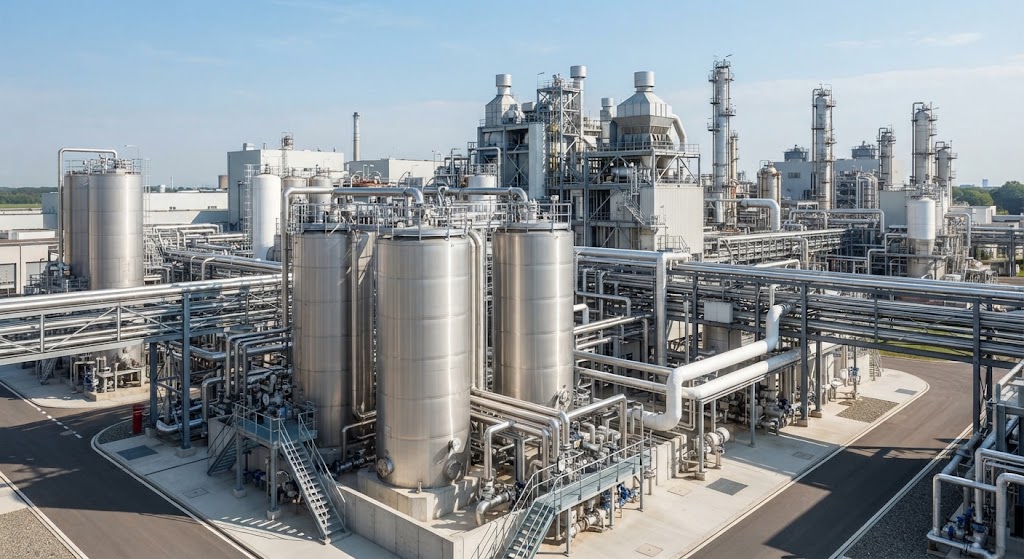
The root cause of this crisis lies in the geographic concentration of chemical manufacturing. Gulf producers supply critical precursors for major fungicide actives and insecticide intermediates. When the strait closed, these specialized supply lines fractured completely.
Alternative producers in Asia and Europe lacked the immediate capacity to fill this specific gap. Manufacturing crop protection intermediates requires highly specialized reactors and strict quality controls. Ramping up this production takes months rather than weeks.
This structural dependency left global agrochemical formulators completely exposed. Buyers could not source alternative intermediates without reformulating their entire product line. The 15 percent global production loss in glyphosate intermediates cascaded into a much larger market shortage.
Regulatory Hurdles in Mid-Season Substitution
Attempting to substitute a missing active ingredient mid-season triggers complex regulatory barriers. Agricultural authorities require extensive field trials before approving new chemical formulations. This process takes years, not weeks.
Farmers also lack the specialized spraying equipment required for alternative chemistries. Retrofitting machinery during a critical application window is logistically impossible. The regulatory and operational friction makes substitution a non-viable strategy.
Agrochemical companies must therefore guarantee the delivery of the exact registered active ingredient. Formulators cannot pivot to alternative molecules when supply chains fracture. This reality places immense pressure on procurement teams to secure primary intermediates.
Financial Modeling for Reliability-Assured Supply
This disruption represents both a severe short-term supply failure and a long-term strategic opportunity. Agrochemical companies can now justify significant investments in supply chain redundancy. Buyers demonstrated a clear willingness to pay for reliability during the crisis.
The 340 percent premium paid by U.S. cotton growers proves the market value of guaranteed availability. Formulators who maintained consistent supply captured immense market share and customer loyalty. This dynamic shifts the competitive advantage from lowest price to highest reliability.
Companies must now price this reliability into their long-term contracts. Premium pricing for reliability-assured supply is no longer a theoretical concept. It is a proven market reality that buyers will accept to protect their harvests.
Strategic Sourcing Adjustments for Agrochemical Buyers
Procurement teams must fundamentally redesign their active ingredient sourcing strategies. Relying on a single geographic region for critical intermediates is an unacceptable risk. Buyers must actively develop alternative sourcing relationships with verified global suppliers.
Establish long-term offtake agreements with non-Gulf dependent producers. This strategy guarantees volume allocation during future regional geopolitical crises.
Invest in dual-sourcing strategies for all critical crop protection intermediates. Maintaining two qualified suppliers prevents total operational paralysis during logistical disruptions.
Negotiate explicit emergency supply guarantees within standard procurement contracts. These clauses ensure priority allocation when global tonnage becomes severely constrained.
These proactive steps build a resilient supply network capable of withstanding future shocks. Procurement leaders must view redundancy as a core operational mandate. The cost of inaction far exceeds the investment required to secure reliable supply channels.
What Buyers Should Do Now
Agrochemical buyers must take immediate action to secure their 2027 and 2028 supply chains. The lesson from the 2026 growing season is clear. Supply chain redundancy is the only viable defense against future geopolitical disruptions.
Procurement leaders must audit their current intermediate dependencies and identify immediate substitution opportunities. Securing verified alternative supply channels today prevents operational paralysis tomorrow. Ready to source Copper Sulphate Pentahydrate from verified global suppliers? Explore competitive offers on our platform today.
Sources
https://www.fao.org/markets-and-trade/2026/crop-protection-chemical-disruption-report
https://www.reuters.com/business/agriculture/2026/brazil-glyphosate-rationing-soybean-season
https://www.icis.com/explore/resources/news/2026/neonicotinoid-price-premiums-us-cotton
https://www.agri-pulse.com/articles/2026/european-wheat-fungicide-yield-deficit
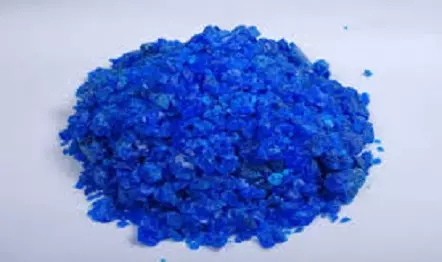
Copper Sulphate Pentahydrate
Found this useful?