Blue Ammonia Market Uncertainty Tests Low-Carbon Fuel Policy and Project Viability
Woodside's reconsideration of its Texas blue ammonia unit is putting renewed attention on the commercial conditions required to develop low-carbon ammonia at scale. For chemical traders and procurement teams, the issue extends beyond one project because blue ammonia depends on a combination of feedstock economics, carbon management infrastructure and durable policy incentives.
Blue ammonia, produced from hydrogen made using natural gas with carbon capture and storage, has attracted interest as both a lower-carbon fuel and a potential carrier of hydrogen. Yet project developers need confidence that regulatory frameworks and market incentives will remain strong enough to support large capital investments over many years.
The current uncertainty creates a more complex purchasing environment. Buyers must assess not only the physical availability of ammonia but also how carbon intensity, certification requirements, transport infrastructure and policy changes could influence future supply.
Why Blue Ammonia Projects Need Policy Stability
Blue ammonia projects require substantial investment in production facilities, hydrogen systems, carbon capture equipment and supporting infrastructure. Developers therefore need a clear view of future demand before committing capital to large-scale assets.
Low-carbon fuel policies can help close the gap between conventional ammonia economics and the higher costs associated with lower-emission production. When policy incentives change or remain uncertain, project developers may delay final investment decisions or reconsider project scope.
Woodside's reconsideration of its Texas blue ammonia unit highlights this challenge. The project has become a useful market signal because Texas offers access to natural gas, industrial infrastructure, export routes and established energy markets.
For traders and buyers, policy stability matters because it can influence how quickly new production enters the market. A slower project pipeline could limit future blue ammonia availability and increase the importance of established producers and alternative supply routes.
How Blue Ammonia Economics Affect Commercial Viability
The economics of blue ammonia depend on several linked cost components. Natural gas prices influence hydrogen production costs, while carbon capture and storage add capital and operating requirements.
The cost structure also changes according to the quality and scale of carbon management infrastructure. Projects located near suitable storage resources or existing industrial networks may have different economics from projects that require new transportation and storage systems.
Key commercial factors include:
Natural gas costs: Gas remains a major input for conventional hydrogen production, so changes in regional gas markets can directly affect project economics.
Carbon capture costs: Capture equipment, compression and handling infrastructure add costs that conventional ammonia producers do not face to the same extent.
Storage and transportation: Carbon dioxide needs reliable transportation and permanent storage, making infrastructure availability an important project consideration.
Policy incentives: Credits or other support mechanisms can materially affect the difference between conventional and lower-carbon ammonia economics.
Ammonia pricing: Developers need a market willing to recognize the value of lower-carbon production rather than treating all ammonia as an identical commodity.
This combination creates a more complicated investment case than conventional ammonia production. Even when the underlying technology works, commercial viability can depend heavily on external market conditions.
The Role of Texas in the Blue Ammonia Supply Outlook
Texas has several characteristics that make it relevant to low-carbon ammonia development. The state has a major industrial base, established energy infrastructure and access to natural gas, all of which can support large chemical and energy projects.
Its location also provides access to domestic consumption centers and export infrastructure. That combination makes the region strategically important for developers considering ammonia as a low-carbon fuel or hydrogen carrier.
However, infrastructure advantages alone do not guarantee project development. Developers still need confidence that policy incentives, customer demand and carbon management systems will support the investment over the operating life of the facility.
For international chemical buyers, developments in Texas can therefore influence future expectations for North American ammonia supply. A reduction in planned blue ammonia capacity could affect sourcing strategies, particularly for customers seeking certified lower-carbon material.
Regulatory Uncertainty Is Becoming a Procurement Variable
Traditional ammonia procurement focuses heavily on price, availability, specifications, freight and supplier reliability. Blue ammonia introduces another layer because buyers may need to evaluate how regulators define and certify low-carbon production.
The value of blue ammonia depends partly on whether its emissions profile receives recognition under relevant fuel and industrial policies. Different regulatory systems may also apply different methods for calculating lifecycle emissions.
This creates several questions for commercial buyers:
Will a particular production route qualify for applicable low-carbon incentives?
What carbon intensity threshold will buyers or regulators require?
How will emissions from natural gas extraction, hydrogen production and carbon storage factor into certification?
Will certification requirements remain consistent across major importing and consuming markets?
These questions can affect long-term contracts as well as spot purchasing decisions. Buyers entering multi-year agreements may need contractual provisions that address changes in certification, carbon accounting or regulatory eligibility.
Shipping and International Trade Could Shape Demand
Ammonia already has an established international trading network, supported by production hubs, storage terminals and specialized shipping infrastructure. Blue ammonia can use much of this existing logistics system, although lower-carbon certification creates additional commercial requirements.
For exporters, the ability to demonstrate the carbon profile of cargo can become as important as physical delivery capability. Importers may increasingly evaluate suppliers based on production pathway, emissions intensity and documentation alongside conventional quality and logistics criteria.
The global trade opportunity also depends on where demand develops. Markets seeking lower-carbon fuels may look to imported ammonia where domestic production cannot meet requirements or where imported material offers a competitive pathway for decarbonization.
This creates potential opportunities for traders that can connect certified supply with buyers in markets where low-carbon fuel policies provide sufficient demand support. It also raises the importance of documentation and supply-chain transparency.
What Regulatory Changes Could Mean for Ammonia Buyers
Policy uncertainty does not affect every buyer in the same way. The impact depends on whether ammonia serves as a fertilizer input, industrial feedstock, fuel or hydrogen carrier.
Fuel-focused buyers may place greater value on verified carbon intensity, while traditional industrial consumers may continue to prioritize delivered cost and reliable specifications. Traders serving multiple end markets therefore need to monitor how regulations could shift the relative value of different ammonia grades and production pathways.
Procurement teams should pay particular attention to:
Carbon accounting rules: Changes in lifecycle emissions methodologies can influence whether a cargo qualifies as low-carbon.
Incentive structures: Changes to credits or support mechanisms can alter supplier economics and project investment decisions.
Import requirements: Destination markets may establish certification or documentation requirements for lower-carbon fuels.
Contract language: Long-term agreements may need provisions covering changes in regulations and certification standards.
Supplier claims: Buyers should request clear production and emissions documentation rather than relying only on broad low-carbon descriptions.
A stronger regulatory framework could encourage additional production capacity. Continued uncertainty could instead favor existing ammonia suppliers and delay new investment.
Supply Strategy Matters as Blue Ammonia Projects Evolve
The reconsideration of a major project demonstrates why buyers should avoid building future procurement plans around announced capacity alone. Large ammonia projects can take years to develop, and commercial decisions can change before production begins.
A diversified sourcing strategy can reduce exposure to these delays. Buyers may consider maintaining relationships with conventional ammonia suppliers while monitoring blue ammonia developments and emerging low-carbon alternatives.
For chemical traders, this environment creates opportunities to add value through market intelligence. Customers may need support comparing producers, understanding available specifications and evaluating the commercial implications of different production pathways.
Procurement teams can strengthen their position by:
Maintaining multiple qualified ammonia suppliers across different regions.
Tracking planned capacity against projects that have reached meaningful investment milestones.
Reviewing freight exposure when comparing domestic and imported supply.
Monitoring regulatory developments in both producing and consuming markets.
Separating physical ammonia availability from certified low-carbon ammonia availability.
Building flexibility into long-term supply agreements where policy conditions remain uncertain.
This approach helps buyers avoid treating blue ammonia as a simple replacement for conventional ammonia. Instead, procurement can account for the commercial and regulatory factors that determine whether a lower-carbon product delivers value.
The Market Outlook Depends on Demand as Much as Supply
Blue ammonia's future will depend on whether end users are willing and able to pay for lower-carbon attributes. Production capacity can grow only when developers see sufficient demand and an acceptable return on investment.
Shipping fuel, power generation, hydrogen transport and industrial applications could all contribute to future demand. However, each market has different requirements and cost sensitivities.
The reconsideration of Woodside's Texas project shows how closely supply development remains tied to market conditions. If policy support proves durable and buyers commit to long-term demand, developers may gain greater confidence in large-scale projects.
If policy uncertainty persists, project timelines may stretch and buyers could face a slower expansion of certified blue ammonia supply. That scenario would make conventional ammonia markets and alternative low-carbon pathways more important to procurement planning.
Woodside's reconsideration of its Texas blue ammonia unit is putting renewed attention on the commercial conditions required to develop low-carbon ammonia at scale. For chemical traders and procurement teams, the issue extends beyond one project because blue ammonia depends on a combination of feedstock economics, carbon management infrastructure and durable policy incentives.
Blue ammonia, produced from hydrogen made using natural gas with carbon capture and storage, has attracted interest as both a lower-carbon fuel and a potential carrier of hydrogen. Yet project developers need confidence that regulatory frameworks and market incentives will remain strong enough to support large capital investments over many years.
The current uncertainty creates a more complex purchasing environment. Buyers must assess not only the physical availability of ammonia but also how carbon intensity, certification requirements, transport infrastructure and policy changes could influence future supply.
Why Blue Ammonia Projects Need Policy Stability
Blue ammonia projects require substantial investment in production facilities, hydrogen systems, carbon capture equipment and supporting infrastructure. Developers therefore need a clear view of future demand before committing capital to large-scale assets.
Low-carbon fuel policies can help close the gap between conventional ammonia economics and the higher costs associated with lower-emission production. When policy incentives change or remain uncertain, project developers may delay final investment decisions or reconsider project scope.
Woodside's reconsideration of its Texas blue ammonia unit highlights this challenge. The project has become a useful market signal because Texas offers access to natural gas, industrial infrastructure, export routes and established energy markets.
For traders and buyers, policy stability matters because it can influence how quickly new production enters the market. A slower project pipeline could limit future blue ammonia availability and increase the importance of established producers and alternative supply routes.
How Blue Ammonia Economics Affect Commercial Viability
The economics of blue ammonia depend on several linked cost components. Natural gas prices influence hydrogen production costs, while carbon capture and storage add capital and operating requirements.
The cost structure also changes according to the quality and scale of carbon management infrastructure. Projects located near suitable storage resources or existing industrial networks may have different economics from projects that require new transportation and storage systems.
Key commercial factors include:
Natural gas costs: Gas remains a major input for conventional hydrogen production, so changes in regional gas markets can directly affect project economics.
Carbon capture costs: Capture equipment, compression and handling infrastructure add costs that conventional ammonia producers do not face to the same extent.
Storage and transportation: Carbon dioxide needs reliable transportation and permanent storage, making infrastructure availability an important project consideration.
Policy incentives: Credits or other support mechanisms can materially affect the difference between conventional and lower-carbon ammonia economics.
Ammonia pricing: Developers need a market willing to recognize the value of lower-carbon production rather than treating all ammonia as an identical commodity.
This combination creates a more complicated investment case than conventional ammonia production. Even when the underlying technology works, commercial viability can depend heavily on external market conditions.
The Role of Texas in the Blue Ammonia Supply Outlook
Texas has several characteristics that make it relevant to low-carbon ammonia development. The state has a major industrial base, established energy infrastructure and access to natural gas, all of which can support large chemical and energy projects.
Its location also provides access to domestic consumption centers and export infrastructure. That combination makes the region strategically important for developers considering ammonia as a low-carbon fuel or hydrogen carrier.
However, infrastructure advantages alone do not guarantee project development. Developers still need confidence that policy incentives, customer demand and carbon management systems will support the investment over the operating life of the facility.
For international chemical buyers, developments in Texas can therefore influence future expectations for North American ammonia supply. A reduction in planned blue ammonia capacity could affect sourcing strategies, particularly for customers seeking certified lower-carbon material.
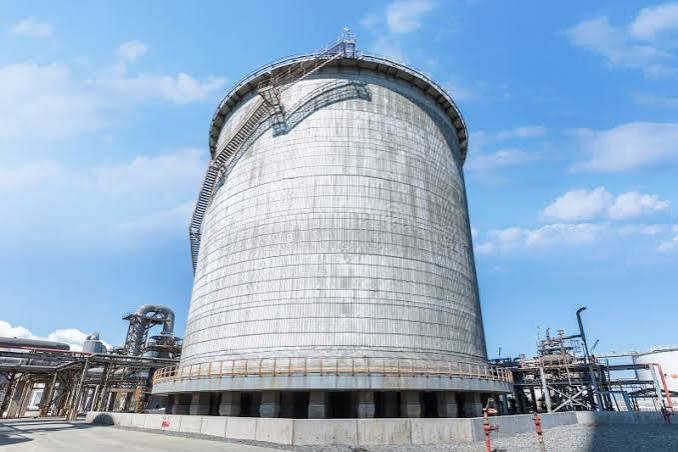
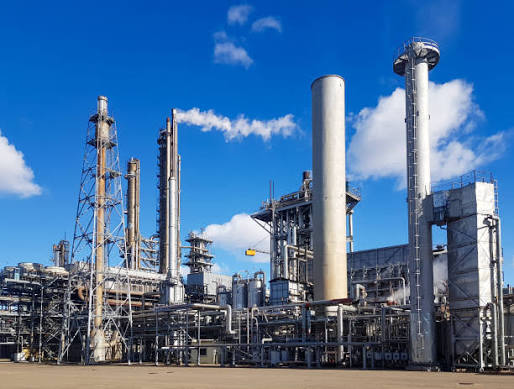
[IMAGE PLACEHOLDER 1] Dimensions: 1200 x 800 px AI Image Prompt: "[Photorealistic scene only. A modern industrial ammonia production and storage facility in Texas at dusk, with large cylindrical storage tanks, connected process piping, clean energy infrastructure and a carbon capture facility in the background, viewed from ground level. No charts, no data visualizations. No text, no labels, no logos.]"
Regulatory Uncertainty Is Becoming a Procurement Variable
Traditional ammonia procurement focuses heavily on price, availability, specifications, freight and supplier reliability. Blue ammonia introduces another layer because buyers may need to evaluate how regulators define and certify low-carbon production.
The value of blue ammonia depends partly on whether its emissions profile receives recognition under relevant fuel and industrial policies. Different regulatory systems may also apply different methods for calculating lifecycle emissions.
This creates several questions for commercial buyers:
Will a particular production route qualify for applicable low-carbon incentives?
What carbon intensity threshold will buyers or regulators require?
How will emissions from natural gas extraction, hydrogen production and carbon storage factor into certification?
Will certification requirements remain consistent across major importing and consuming markets?
These questions can affect long-term contracts as well as spot purchasing decisions. Buyers entering multi-year agreements may need contractual provisions that address changes in certification, carbon accounting or regulatory eligibility.
Shipping and International Trade Could Shape Demand
Ammonia already has an established international trading network, supported by production hubs, storage terminals and specialized shipping infrastructure. Blue ammonia can use much of this existing logistics system, although lower-carbon certification creates additional commercial requirements.
For exporters, the ability to demonstrate the carbon profile of cargo can become as important as physical delivery capability. Importers may increasingly evaluate suppliers based on production pathway, emissions intensity and documentation alongside conventional quality and logistics criteria.
The global trade opportunity also depends on where demand develops. Markets seeking lower-carbon fuels may look to imported ammonia where domestic production cannot meet requirements or where imported material offers a competitive pathway for decarbonization.
This creates potential opportunities for traders that can connect certified supply with buyers in markets where low-carbon fuel policies provide sufficient demand support. It also raises the importance of documentation and supply-chain transparency.
What Regulatory Changes Could Mean for Ammonia Buyers
Policy uncertainty does not affect every buyer in the same way. The impact depends on whether ammonia serves as a fertilizer input, industrial feedstock, fuel or hydrogen carrier.
Fuel-focused buyers may place greater value on verified carbon intensity, while traditional industrial consumers may continue to prioritize delivered cost and reliable specifications. Traders serving multiple end markets therefore need to monitor how regulations could shift the relative value of different ammonia grades and production pathways.
Procurement teams should pay particular attention to:
Carbon accounting rules: Changes in lifecycle emissions methodologies can influence whether a cargo qualifies as low-carbon.
Incentive structures: Changes to credits or support mechanisms can alter supplier economics and project investment decisions.
Import requirements: Destination markets may establish certification or documentation requirements for lower-carbon fuels.
Contract language: Long-term agreements may need provisions covering changes in regulations and certification standards.
Supplier claims: Buyers should request clear production and emissions documentation rather than relying only on broad low-carbon descriptions.
A stronger regulatory framework could encourage additional production capacity. Continued uncertainty could instead favor existing ammonia suppliers and delay new investment.
Supply Strategy Matters as Blue Ammonia Projects Evolve
The reconsideration of a major project demonstrates why buyers should avoid building future procurement plans around announced capacity alone. Large ammonia projects can take years to develop, and commercial decisions can change before production begins.
A diversified sourcing strategy can reduce exposure to these delays. Buyers may consider maintaining relationships with conventional ammonia suppliers while monitoring blue ammonia developments and emerging low-carbon alternatives.
For chemical traders, this environment creates opportunities to add value through market intelligence. Customers may need support comparing producers, understanding available specifications and evaluating the commercial implications of different production pathways.
Procurement teams can strengthen their position by:
Maintaining multiple qualified ammonia suppliers across different regions.
Tracking planned capacity against projects that have reached meaningful investment milestones.
Reviewing freight exposure when comparing domestic and imported supply.
Monitoring regulatory developments in both producing and consuming markets.
Separating physical ammonia availability from certified low-carbon ammonia availability.
Building flexibility into long-term supply agreements where policy conditions remain uncertain.
This approach helps buyers avoid treating blue ammonia as a simple replacement for conventional ammonia. Instead, procurement can account for the commercial and regulatory factors that determine whether a lower-carbon product delivers value.
The Market Outlook Depends on Demand as Much as Supply
Blue ammonia's future will depend on whether end users are willing and able to pay for lower-carbon attributes. Production capacity can grow only when developers see sufficient demand and an acceptable return on investment.
Shipping fuel, power generation, hydrogen transport and industrial applications could all contribute to future demand. However, each market has different requirements and cost sensitivities.
The reconsideration of Woodside's Texas project shows how closely supply development remains tied to market conditions. If policy support proves durable and buyers commit to long-term demand, developers may gain greater confidence in large-scale projects.
If policy uncertainty persists, project timelines may stretch and buyers could face a slower expansion of certified blue ammonia supply. That scenario would make conventional ammonia markets and alternative low-carbon pathways more important to procurement planning.
What Buyers Should Do Now
Chemical buyers should treat blue ammonia as a developing procurement category rather than relying solely on headline project announcements. The most useful approach combines supplier diversification with close monitoring of policy, certification, logistics and project development.
For traders and procurement managers, the immediate priority is visibility. Understanding which projects are progressing, which markets are creating demand and which certification standards apply can help buyers distinguish realistic future supply from longer-term development plans.
The market still offers significant potential for ammonia as a lower-carbon fuel and hydrogen carrier, but commercial success will depend on alignment between policy support, project economics and customer demand. Ready to source Ammonia Anhydrous from verified global suppliers? Explore competitive offers on our platform today.
Ammonia Anhydrous
Found this useful?