Brazil’s Roads Are Now Partly Paved With Corn Oil: What Buyers Need to Know
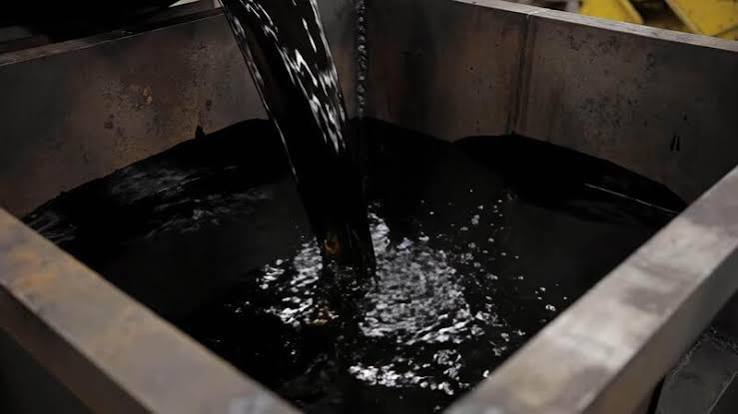
Brazil is finding a new industrial use for a residual material from corn ethanol production, and the result is reaching the road construction sector. Petrobras has produced 95,000 tonnes of asphalt using technical corn oil at its Revap refinery, marking an important development for renewable-content asphalt in Brazil.
The material comes from the processing of corn used to produce ethanol. Instead of treating this residual stream only as a secondary output, Petrobras is incorporating it into asphalt production, linking the agricultural, biofuel, refining and road construction value chains.
For chemical traders and procurement teams, the development matters because it shows how renewable feedstocks can move beyond fuels and enter established industrial products. It also creates a potential new sourcing category for buyers looking for materials with renewable content without moving completely away from conventional asphalt infrastructure.
How Corn Oil Is Entering Asphalt Production
The key material behind the development is technical corn oil, a residual semirefined oil generated during corn processing for ethanol. Petrobras is using this feedstock at the Henrique Lage Refinery, known as Revap, in São José dos Campos, São Paulo.
The refinery incorporates the renewable material into its asphalt production process. This approach does not replace the entire conventional asphalt system. Instead, it introduces a renewable stream into an established industrial process, creating an asphalt product with renewable content.
That distinction is important for procurement professionals. Buyers do not necessarily need to create a completely new road-material supply chain to access the lower-impact product. The development demonstrates how renewable feedstocks can be integrated into existing refinery and paving systems.
Petrobras has also positioned renewable-content asphalt within its broader portfolio of lower-impact products. This makes the development part of a wider shift toward using renewable raw materials in industrial applications rather than limiting them to fuel production.
Why the 95,000-Tonne Production Milestone Matters
The production of 95,000 tonnes gives the development commercial scale rather than leaving it as a laboratory concept. For industrial buyers, that difference can influence whether a new material deserves consideration during sourcing and product qualification.
A larger production volume also demonstrates that the renewable feedstock can participate in a continuous manufacturing environment. This creates a stronger basis for discussions around supply availability, product specifications, logistics and future expansion.
Several procurement considerations emerge from the milestone:
Feedstock integration: A residual agricultural stream can become an input for another industrial value chain, improving the overall utilization of the original biomass.
Supply diversification: Renewable feedstocks can provide another sourcing route for manufacturers developing lower-carbon product portfolios.
Product development: Asphalt producers can explore renewable-content formulations without abandoning established paving applications.
Market positioning: Contractors and infrastructure buyers may increasingly evaluate asphalt products based on both performance and the origin of their feedstocks.
The significance therefore extends beyond the individual refinery. It illustrates a broader industrial model in which one sector's residual material becomes another sector's raw material.
What This Means for Asphalt and Bitumen Buyers
Road construction remains heavily dependent on asphalt binders and related materials, so any change in feedstock strategy can attract attention from buyers across the infrastructure supply chain.
For procurement teams, the development creates a useful distinction between conventional bitumen sourcing and renewable-content asphalt sourcing. Both can serve established infrastructure needs, but renewable-content products introduce additional questions around formulation, certification, availability and sustainability requirements.
Buyers evaluating these materials should consider:
Required asphalt grade and technical specifications
Renewable-content requirements for the project
Availability from qualified producers or distributors
Delivery location and transportation costs
Compatibility with existing paving formulations
Documentation supporting feedstock origin and product characteristics
Long-term supply potential rather than relying only on spot availability
These factors become particularly relevant when infrastructure contractors work under sustainability targets. A material can only create commercial value if it meets the project's technical requirements while remaining practical to procure at the required volume.
The Link Between Corn Ethanol and Industrial Materials
Corn ethanol production creates more than fuel. Processing also generates residual streams that can find value in other applications when their physical and chemical characteristics make them suitable.
Using technical corn oil for asphalt illustrates this type of industrial integration. The same agricultural supply chain can support several downstream markets, allowing processors and refiners to extract additional value from materials that might otherwise have a more limited role.
This approach is especially relevant to the chemical and energy industries because feedstock flexibility has become an increasingly important part of industrial strategy. Companies can reduce dependence on a single raw material base by developing processes that accommodate alternative inputs.
For corn processors, the development can also demonstrate the commercial potential of residual oil streams. For refiners, it offers another route to introduce renewable material into an existing product portfolio.
The result is a more connected supply chain:
Corn production supplies the agricultural raw material.
Ethanol processing creates fuel and residual streams.
Technical corn oil becomes an additional industrial feedstock.
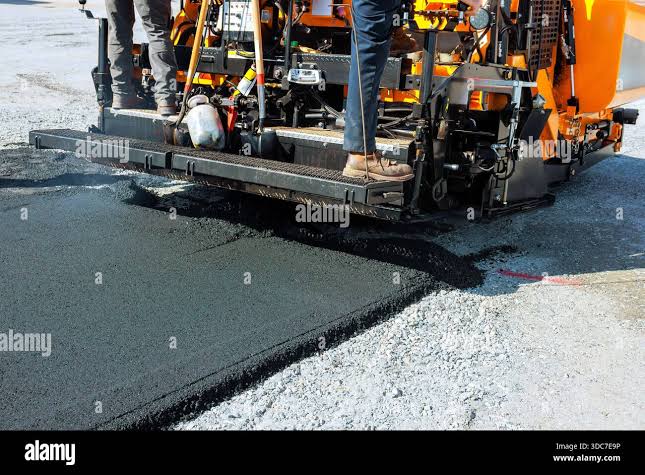
Refining operations incorporate the renewable material into asphalt production.
Road construction creates the final demand for the asphalt product.
Such connections can create opportunities for traders that understand multiple stages of the supply chain rather than focusing on a single commodity.
Procurement Opportunities Across the Supply Chain
The use of corn-derived material in asphalt could create new opportunities for suppliers, distributors and traders as demand for renewable-content industrial products develops.
For feedstock suppliers, consistency will be critical. Asphalt producers need predictable material quality, reliable volumes and supply arrangements that support continuous production.
For chemical and industrial traders, the opportunity may sit further downstream. Buyers may increasingly request conventional asphalt alternatives that provide a renewable-content component while maintaining the practical characteristics required for infrastructure projects.
Procurement teams should therefore monitor three areas closely:
Feedstock availability. The commercial potential of renewable-content asphalt depends partly on reliable access to suitable residual agricultural oils.
Product qualification. Buyers need clear technical information before introducing a new asphalt formulation into large infrastructure projects.
Logistics and regional supply. Asphalt is a high-volume industrial material, so transportation distance and local availability can strongly influence the commercial case.
These considerations mean that renewable-content asphalt should not be viewed simply as a sustainability product. It is also a supply-chain product whose competitiveness depends on raw material access, production capacity, technical performance and distribution.
Why Residual Feedstocks Could Gain More Industrial Value
The corn oil development reflects a wider movement toward better utilization of industrial and agricultural byproducts. Companies are increasingly looking for ways to extract additional value from materials generated alongside their main products.
This strategy can support both economic and environmental objectives. A residual material becomes commercially useful, while downstream manufacturers gain access to an alternative feedstock.
For chemical traders, this creates an area worth watching because feedstock markets can evolve when previously secondary materials gain new applications. New demand can change pricing relationships, supplier strategies and competition for available volumes.
The development also demonstrates why buyers should track upstream industries that may not appear directly connected to their own purchasing categories. An innovation in ethanol processing can eventually influence asphalt, chemicals, fuels and infrastructure procurement.
What Renewable-Content Asphalt Could Mean for Future Road Projects
The use of renewable feedstocks in asphalt could become increasingly relevant as infrastructure owners and contractors look for practical ways to reduce the environmental impact of construction materials.
The strongest commercial opportunity will likely come from products that combine sustainability attributes with familiar performance requirements. Procurement teams generally need materials that can fit existing construction practices rather than products that require completely new infrastructure.
That makes renewable-content asphalt an interesting category. It connects a familiar industrial material with a renewable feedstock while retaining its role in road construction.
Future market development will depend on several factors:
Expansion of renewable feedstock supply
Consistent technical performance
Producer capacity
Acceptance among infrastructure contractors
Availability through regional distribution networks
Sustainability requirements in public and private projects
If these factors align, renewable-content asphalt could move from a specialized product into a broader procurement category.
What Buyers Should Do Now
Chemical traders, importers, exporters and procurement managers should treat the development as a signal that renewable feedstocks are moving deeper into conventional industrial supply chains.
For buyers, the immediate priority should be understanding the specifications and commercial availability of renewable-content asphalt products. The goal is not simply to replace conventional materials, but to identify projects where renewable-content formulations can meet technical, commercial and sustainability requirements.
Procurement teams should also evaluate suppliers based on more than headline sustainability claims. Reliable feedstock sourcing, product consistency, production capacity, logistics capability and documentation will remain essential when purchasing materials for large infrastructure applications.
Petrobras' 95,000-tonne production milestone shows that residual corn-processing material can support a significant industrial application. As companies search for new ways to connect agricultural resources with chemical and infrastructure markets, similar feedstock-to-product pathways could become increasingly important.

Bitumen
Found this useful?