Brookfield to Invest Up to $600M in ACME Green Fuels Business
Brookfield plans to invest up to $600 million in ACME Cleantech Ventures, bringing major institutional capital into India’s expanding green fuels market. The investment will support the development and construction of green ammonia and green methanol projects in India and Oman, with ACME targeting both domestic and international customers.
For chemical traders, procurement managers and industrial buyers, the development matters because green ammonia and methanol are moving beyond pilot-scale discussions toward larger commercial supply chains. ACME already has offtake relationships with international and Indian companies, creating a direct link between project development, future production volumes and industrial demand.
Brookfield’s $600 Million Investment in ACME
Brookfield will make the investment through its Brookfield Global Transition Fund, marking its entry into the green molecules sector in the region. ACME Cleantech Ventures, a UK-based privately held entity within ACME Group, focuses on the group’s green molecules projects.
The capital will help ACME develop an advanced project pipeline spanning India and Oman. The portfolio includes green ammonia and green methanol facilities designed to serve industries looking for lower-carbon alternatives to conventional fuels and feedstocks.
Brookfield already has a substantial renewable energy presence in India. Its energy portfolio includes approximately 50 GW of wind and solar assets across operating projects and its development pipeline, providing an established connection to the renewable power segment that supports green molecule production.
The investment therefore connects two parts of the energy transition supply chain, renewable electricity and chemical molecules that can be transported, stored and consumed by industrial users.
Why Green Ammonia and Green Methanol Matter to Chemical Buyers
Green ammonia and green methanol can serve as important alternatives in sectors where direct electrification remains difficult. Their commercial development also creates new requirements for renewable power, hydrogen production, storage, transportation and industrial processing.
Green ammonia uses renewable electricity to produce hydrogen, which then combines with nitrogen to form ammonia. The resulting product can support fertilizer production and other industrial applications while also gaining attention as a potential low-carbon fuel.
Green methanol has a similarly broad role. It can serve as a chemical feedstock and fuel, while its potential use in shipping has increased interest in scalable production and reliable international supply chains.
For buyers, the growth of these markets could eventually change sourcing strategies. Procurement teams may need to evaluate not only conventional specifications and delivered prices but also production pathways, certification requirements, origin and long-term availability.
ACME’s Project Pipeline Across India and Oman
ACME has already established an operating green ammonia facility in Bikaner, Rajasthan. The company is also developing a green ammonia project in Duqm, Oman while advancing additional facilities in Odisha.
The Odisha projects include development linked to a Green Ammonia Purchase Agreement with the Solar Energy Corporation of India. ACME also has a strategic joint venture with Japan’s IHI Corporation and an offtake arrangement with Mitsubishi Gas Chemicals.
The Oman project provides another important geographic element to the business. Locating production across India and the Middle East could give ACME access to different renewable energy resources and customer markets while supporting export-oriented supply.
This geographic diversification also matters to chemical traders. Regional production can influence shipping distances, storage requirements, port infrastructure and the availability of material for customers in Asia and Europe.
Offtake Agreements Create a Link to Industrial Demand
One of the important commercial features of ACME’s green fuels strategy is its network of offtake relationships. The company has secured supply partnerships with international companies including Norway’s Yara International, Japan’s IHI Corporation and Mitsubishi Gas Chemicals.
ACME has also established relationships with Indian fertilizer companies including IFFCO, Paradeep Phosphates, Coromandel International and Indorama India. The company has further secured arrangements involving the Solar Energy Corporation of India.
These agreements provide an important commercial foundation for project development because future production can connect with identified industrial demand.
For procurement teams, established offtake arrangements can also signal how green molecule supply chains may develop. Long-term contracts could become increasingly important as producers and buyers manage production costs, renewable power requirements and investment in dedicated infrastructure.
Where Green Molecules Could Create New Chemical Trade Flows
The expansion of green ammonia and green methanol production has implications beyond the companies directly involved. New production capacity can create opportunities across several areas of the chemical supply chain.
Key areas to watch include:
Fertilizer manufacturing: Green ammonia can provide a lower-carbon route to an established industrial feedstock used in fertilizer production.
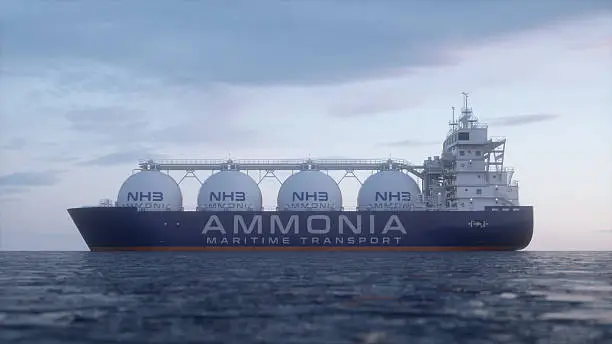
Shipping fuels: Green ammonia and green methanol are receiving increasing attention as potential alternatives for maritime fuel applications.
Chemical manufacturing: Methanol remains an important chemical building block, creating potential demand from downstream manufacturers.
Energy storage and transport: Ammonia can serve as a carrier for hydrogen and can move energy through established storage and transportation infrastructure.
International chemical trade: Production in India and Oman could support shipments to overseas customers where industrial demand and decarbonisation targets create suitable markets.
These applications could gradually create new trading patterns alongside conventional ammonia and methanol markets.
What the Investment Means for Chemical Procurement
The Brookfield investment gives procurement teams another signal that green molecules are developing into a commercial supply category rather than remaining limited to demonstration projects.
Buyers evaluating future green ammonia or methanol contracts should pay attention to several factors:
Origin and production method: Buyers may need clear information about how renewable power and hydrogen feedstocks enter the production process.
Certification: Environmental attributes may depend on certification systems and the requirements of the destination market.
Contract structure: Long-term offtake agreements can affect available spot volumes and future purchasing flexibility.
Logistics: Ammonia and methanol require suitable storage, transportation and handling infrastructure.
Delivered economics: Procurement decisions will depend on production cost, freight, storage and other supply-chain expenses rather than the plant-gate price alone.
Supply reliability: Buyers need to understand commissioning schedules, production ramp-up plans and the producer’s ability to maintain contracted volumes.
For traders, these considerations could create opportunities to connect producers with customers across different markets while helping buyers navigate an emerging product category.
India’s Position in the Green Fuels Supply Chain
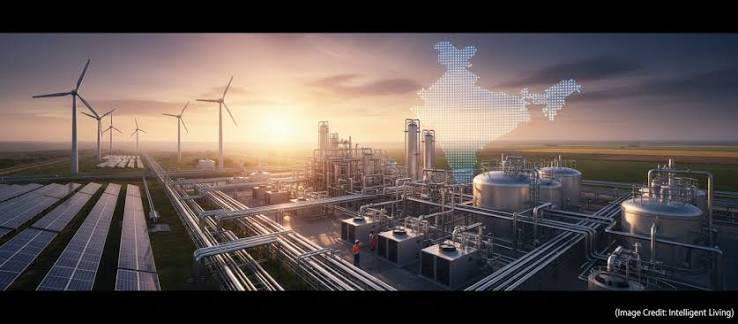
India is becoming an important location for green molecule development because of its renewable energy potential, established chemical industry and large domestic industrial base. ACME’s expansion adds another project pipeline to this wider market development.
The company’s existing relationships with fertilizer producers are particularly relevant because ammonia already has an established industrial market. Green production can therefore build on existing demand rather than requiring an entirely new downstream ecosystem.
India’s location also creates opportunities for exports. Producers can potentially serve domestic customers while developing supply routes toward other Asian and European markets, depending on production economics, regulations and infrastructure.
Oman adds another strategic dimension by positioning ACME’s green molecule activities in the Middle East. Together, the two markets give the company a platform that spans South Asia and an important international energy trading region.
Supply Chain Factors Buyers Should Monitor
Green molecule procurement will require attention to more than chemical specifications. Buyers should monitor project development milestones alongside broader market conditions.
Important signals include:
New production capacity reaching construction and commissioning stages.
Expansion of renewable electricity generation linked to green molecule projects.
Growth in long-term offtake contracts with fertilizer, chemical and energy companies.
Development of port, storage and transportation infrastructure.
Changes in certification requirements for green ammonia and green methanol.
International demand from shipping and other hard-to-abate industries.
The $600 million Brookfield commitment could accelerate ACME’s ability to move projects through development and construction. That makes project execution a key factor for future buyers watching potential supply additions.
Looking Ahead to the Green Molecules Market
Brookfield’s investment places significant financial backing behind ACME’s plans to expand green ammonia and green methanol production across India and Oman. The partnership combines institutional capital with ACME’s existing project pipeline, operating capabilities and network of domestic and international offtake relationships.
For the chemical trading sector, the development points toward a broader shift in how low-carbon molecules could enter international markets. Green ammonia and green methanol can connect renewable energy projects with fertilizer manufacturers, chemical producers, shipping companies and other industrial users.
Procurement teams should therefore track new production projects, offtake agreements, certification standards and logistics infrastructure as these markets develop. The ability to compare conventional and lower-carbon supply options could become increasingly important as industrial customers pursue emissions reduction targets while maintaining reliable chemical supply.
Ammonia Anhydrous
Found this useful?