Bumb's Settlement Approval Ends Seven Years of NJDEP-DuPont Litigation
A seven-year legal battle over PFAS contamination has reached a major milestone after Chief Judge Renée Marie Bumb approved the settlement involving New Jersey and DuPont. The decision closes litigation that began in 2019, when New Jersey first sued DuPont and 3M over decades of PFAS contamination.
For chemical traders, procurement managers and environmental service buyers, the development carries significance beyond the courtroom. PFAS-related liabilities can influence demand for water treatment chemicals, remediation technologies and materials used to manage contaminated industrial sites.
The settlement also highlights how long-term chemical contamination can create commercial consequences years after substances enter industrial supply chains. Buyers across water treatment and environmental remediation markets may therefore need to assess how regulatory action and litigation can shape future sourcing requirements.
Seven Years of NJDEP-DuPont Litigation Reach a Turning Point
The legal dispute began in 2019, when New Jersey initiated litigation against DuPont and 3M over contamination associated with PFAS. The case reflected growing concern about the environmental impact of substances that had been used across industrial and commercial applications for decades.
Chief Judge Renée Marie Bumb's approval of the settlement now brings the seven-year litigation process to an end. For businesses operating around chemical manufacturing, distribution and environmental services, the decision represents a significant development in the broader PFAS landscape.
The length of the dispute also demonstrates the extended commercial life of environmental liabilities. A chemical product may move through a supply chain quickly, while the environmental, regulatory and financial questions connected to its historical use can continue for years.
Why PFAS Contamination Matters to Chemical Buyers
PFAS refers to a broad group of highly persistent fluorinated substances. Their resistance to degradation has made PFAS contamination an important issue for industrial operators, municipalities and environmental management organizations.
For procurement teams, the issue creates several areas that deserve attention:
Water treatment demand: Contaminated water may require specialized treatment strategies and filtration materials, supporting demand for products used in remediation and purification.
Industrial site management: Facilities facing contamination concerns may need additional treatment, monitoring and remediation services, creating procurement requirements beyond conventional production chemicals.
Supplier evaluation: Buyers increasingly need to understand how chemical suppliers manage environmental responsibilities, product documentation and regulatory requirements.
Long-term sourcing: PFAS-related concerns can affect purchasing decisions well beyond the initial chemical transaction, especially where buyers operate facilities exposed to environmental scrutiny.
The NJDEP-DuPont litigation illustrates how environmental concerns can evolve into major commercial considerations. For chemical traders, this creates an opportunity to understand changing buyer requirements before demand becomes urgent.
Settlement Approval Changes the Market Conversation
The approval of the settlement shifts the focus from a lengthy legal dispute toward the practical consequences of PFAS contamination. Businesses involved in environmental management may now have greater reason to examine treatment capacity, remediation materials and supply availability.
The development also reinforces the importance of environmental risk as a procurement consideration. Chemical buyers increasingly operate in markets where technical performance alone does not determine product selection.
A supplier's ability to provide consistent specifications, documentation and dependable delivery can become particularly important when a buyer needs materials for environmental applications. Procurement teams may therefore place greater emphasis on supplier reliability alongside price.

What the Litigation Means for Water Treatment Markets
PFAS contamination has helped increase attention on technologies capable of removing persistent contaminants from water. This creates a direct connection between environmental litigation and the broader market for water treatment chemicals and filtration materials.
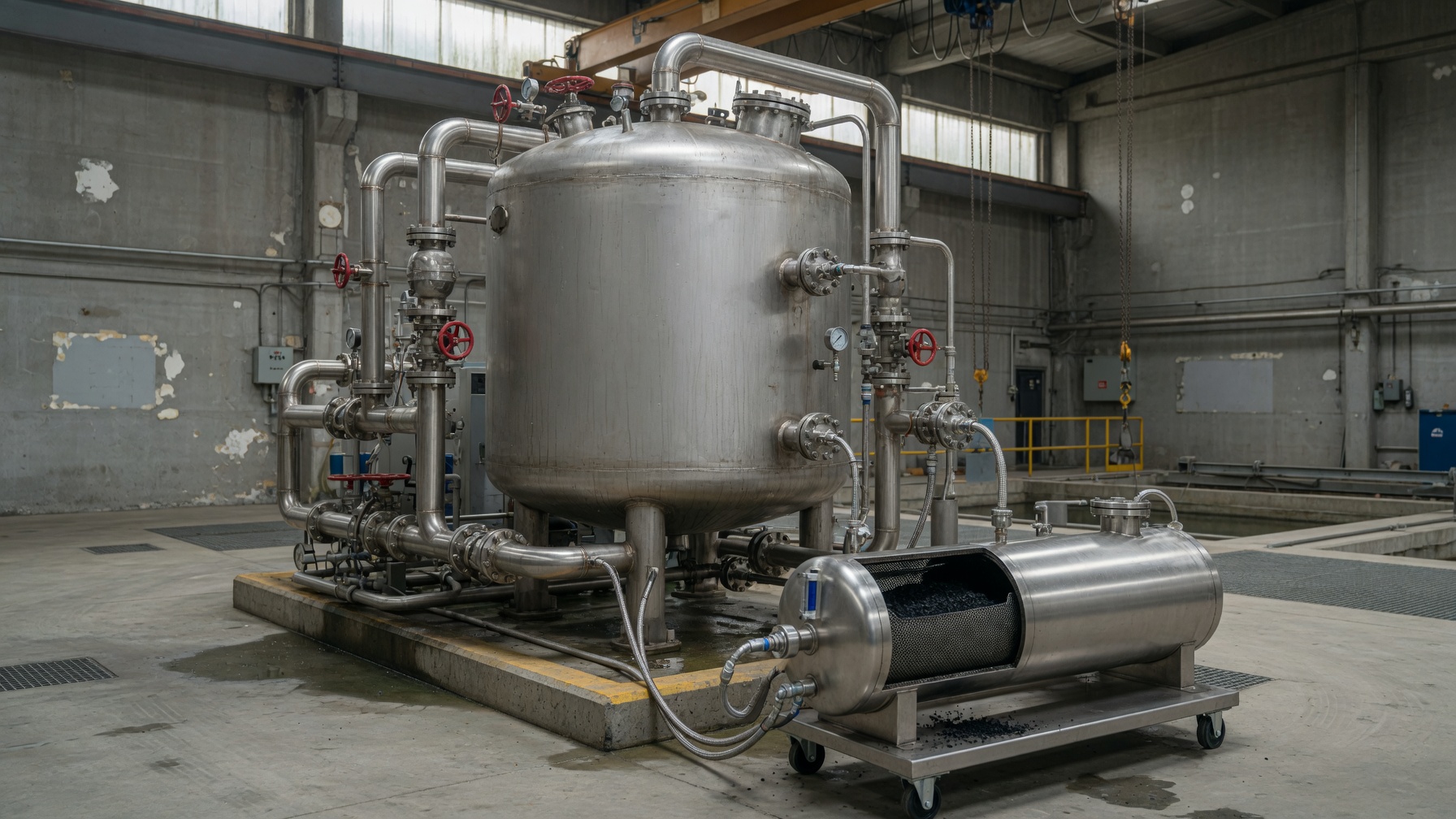
One important commercial area is activated carbon, which can play a role in water purification and contaminant removal applications. Its relevance makes it a product category that procurement teams may monitor when assessing treatment requirements associated with contaminated water.
However, environmental remediation rarely depends on a single product. Treatment programs can involve multiple stages, technical assessments and site-specific solutions, meaning chemical traders need to understand the wider application rather than focusing only on individual commodities.
For buyers, the key considerations include:
Treatment performance for the intended application.
Product consistency across multiple shipments.
Availability from qualified suppliers.
Packaging and transportation requirements.
Technical documentation and specifications.
Ability to support recurring procurement needs.
Chemical Traders Face New Opportunities and Responsibilities
The settlement provides another example of how environmental issues can create demand across interconnected chemical markets. When contamination becomes a major regulatory or legal concern, affected organizations may require additional materials and services to address environmental risks.
Chemical traders can respond by monitoring product categories connected with water treatment, filtration and remediation. Maintaining relationships with dependable suppliers can also help buyers respond more efficiently when industrial or municipal customers require treatment materials.
At the same time, traders need to recognize that environmental applications can carry demanding purchasing requirements. Buyers may require detailed product specifications, consistent quality and reliable documentation before approving a supplier.
This makes technical knowledge increasingly valuable in chemical distribution. A trader who understands both the commodity and its application can provide greater value to procurement teams managing complex environmental requirements.
Procurement Priorities After the Settlement
The end of the litigation does not eliminate the broader commercial relevance of PFAS contamination. Instead, procurement teams can use the development as a reminder to review how environmental risks influence chemical purchasing strategies.
Several priorities deserve attention:
Review treatment requirements. Buyers should identify which treatment materials may become relevant when managing contaminated water or industrial sites.
Strengthen supplier networks. Multiple qualified sources can reduce dependence on a single supplier when remediation demand increases.
Monitor product quality. Consistent specifications become especially important when treatment programs operate over extended periods.
Track regulatory developments. Changes in environmental requirements can influence product demand, technical specifications and purchasing decisions.
Consider supply continuity. Environmental projects may require repeated shipments, making dependable logistics as important as competitive pricing.
These measures can help procurement teams move from reactive purchasing toward a more structured approach to environmental supply management.
The Broader Impact on Chemical Industry Risk
The NJDEP-DuPont case demonstrates how chemical industry risks can extend far beyond manufacturing and distribution. A dispute that began with contamination concerns in 2019 has continued for seven years before reaching settlement approval.
That timeline matters for companies evaluating the commercial implications of chemical products. Environmental exposure can remain relevant long after production or sale, particularly when substances persist in the environment.
For manufacturers and traders, this reinforces the importance of responsible chemical management throughout the supply chain. Product selection, handling, documentation and environmental considerations can all contribute to a company's broader risk profile.
The development also shows why procurement teams should evaluate suppliers through a wider lens. Price remains important, but long-term reliability, technical support and environmental awareness can become equally significant when purchasing chemicals connected to sensitive applications.
What Buyers Should Do Now
Chief Judge Renée Marie Bumb's settlement approval marks the end of a legal battle that began when New Jersey sued DuPont and 3M in 2019 over decades of PFAS contamination. For the chemical sector, the event highlights the lasting commercial impact that environmental contamination can create.
Buyers should watch how PFAS-related environmental activity affects demand for treatment chemicals, filtration materials and remediation supplies. Traders can prepare by developing dependable supplier networks and understanding the technical requirements behind water treatment applications.
For procurement professionals, the central lesson is straightforward: environmental risk can become a long-term supply chain issue. Companies that monitor market developments early can position themselves more effectively when treatment and remediation requirements increase.
The settlement closes one major chapter in the NJDEP-DuPont litigation, but PFAS-related concerns continue to influence how industries think about chemical management, water quality and environmental procurement. Ready to source Activated Carbon (Granular) - India from verified global suppliers? Explore competitive offers on our platform today.

Activated Carbon (Powder) - China
Found this useful?