Business Watch Tracks a Widening Pattern of Rhine-Linked Chemical Production Constraints
The European chemical industry faces a recurring logistical crisis. C&EN’s ongoing Business Watch coverage confirms that dry Rhine conditions are crimping operations at multiple chemical makers. This pattern of river-driven production constraints has continued affecting additional producers into August 2026.
The disruption first flagged with LyondellBasell’s Wesseling force majeure is no longer an isolated incident. It represents a systemic vulnerability in the heart of Europe’s industrial corridor. The Rhine River serves as the primary transport artery for bulk chemicals connecting Switzerland, Germany, France and the Netherlands.
For procurement managers and chemical traders, this widening pattern signals severe supply chain instability. When water levels drop, barge capacity decreases sharply. Freight costs surge and delivery schedules become unpredictable. Buyers must adapt their sourcing strategies to mitigate these climate-induced risks.
The Mechanics of Rhine-Linked Disruptions
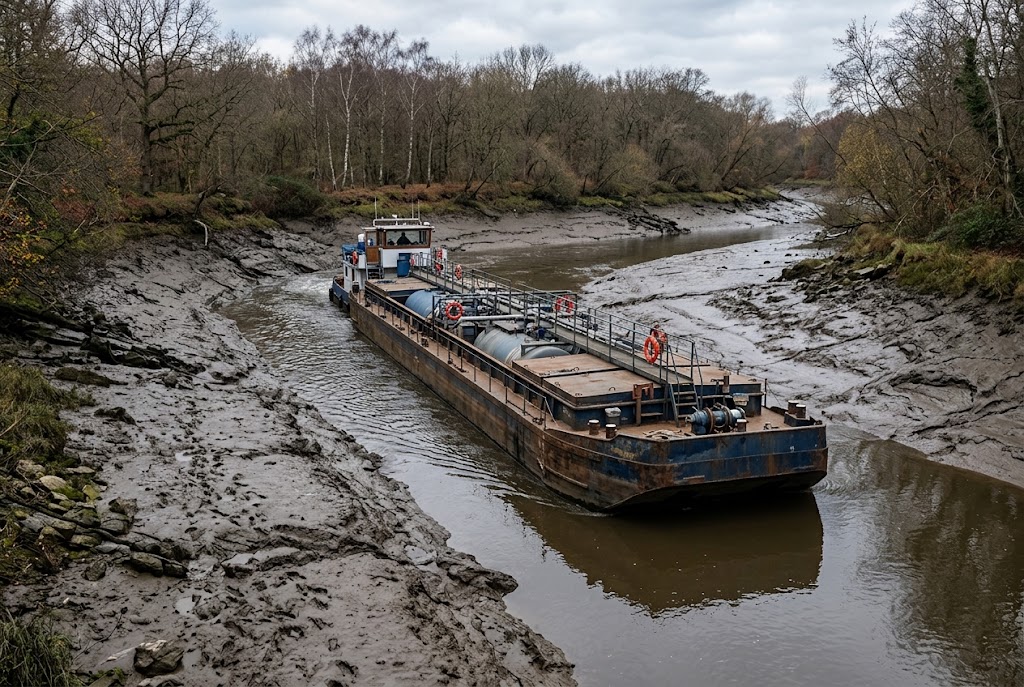
The Rhine River relies on consistent water depth for safe navigation. Heavy barges carrying bulk chemicals require deep channels. During periods of drought or low rainfall, water levels fall below critical thresholds.
Carriers must reduce cargo loads to prevent grounding. A standard barge might carry only 50 percent of its normal capacity during extreme low-water events. This reduction doubles the number of trips required to move the same volume of goods.
Freight cost escalation: Carriers charge premiums for shallow-draft navigation and lighter loads.
Port congestion: More frequent trips lead to bottlenecks at loading and unloading terminals.
Lead time extension: Delays accumulate as vessels wait for favorable water conditions or queue at ports.
These mechanical constraints directly impact production planning. Facilities relying on just-in-time feedstock deliveries face immediate shortages. Simultaneously, finished goods accumulate in storage tanks because they cannot be shipped out efficiently.
From LyondellBasell to a Widening Pattern
The initial force majeure declaration by LyondellBasell at its Wesseling site served as an early warning. It highlighted the immediate operational impact of low water levels. However, C&EN’s tracking shows that the problem has spread beyond a single company.
Additional producers across the German chemical cluster are now reporting constraints. This widening pattern indicates that the issue is structural rather than incidental. The entire regional infrastructure is struggling to cope with reduced river capacity.
Buyers who assumed the LyondellBasell event was an anomaly are now facing broader market tightness. Multiple suppliers are invoking similar logistical challenges. This collective impact reduces the availability of alternative sources within the region.
Cumulative effect: Each affected producer adds to the overall supply shortage.
Market sentiment: Traders anticipate further disruptions, leading to speculative buying.
Price volatility: Limited supply and high demand drive up spot prices for key chemicals.
Understanding this progression helps buyers anticipate future disruptions. Monitoring river level reports and industry announcements provides valuable lead time for strategic adjustments.
Strategic Responses for Procurement Teams
Procurement professionals must adopt a proactive stance against Rhine-linked constraints. Relying solely on river transport is a high-risk strategy in the current climate. Diversification of logistics modes is essential for resilience.
Shift critical shipments to rail or road transport where feasible. Although more expensive, these modes offer greater reliability during low-water periods. Securing capacity in advance prevents last-minute scrambling for trucks or train slots.
Increase safety stock levels for vulnerable products. Building inventory buffers helps absorb short-term delivery delays. This approach requires additional warehousing space but prevents costly production stoppages.
Engage with suppliers to understand their contingency plans. Ask about alternative shipping routes or production sites outside the Rhine basin. Suppliers with diversified logistics networks can offer better continuity guarantees.
Impact on Specific Chemical Segments
The widening pattern of constraints affects different chemical segments unevenly. Bulk commodities with low value-to-weight ratios suffer most from increased freight costs. Specialty chemicals with higher margins may absorb these costs more easily.
Polymers and plastics: High-volume producers face significant margin pressure. Transport costs eat into profits for standard grades.
Base chemicals: Items like caustic soda or acids see price volatility due to supply tightness.
Specialty intermediates: Delays in these inputs can halt downstream formulation processes in pharmaceuticals or coatings.
Buyers in each segment must tailor their response. High-volume buyers should prioritize logistics diversification. Niche buyers should focus on supplier relationship management and inventory planning.
Regulatory and Environmental Considerations
The Rhine crisis intersects with environmental regulations. Governments balance industrial needs with ecological preservation. Water usage restrictions during droughts can further limit industrial operations.
Producers must comply with strict discharge limits even when operating at reduced capacity. This regulatory burden adds complexity to an already challenging situation. Buyers should expect suppliers to pass on compliance costs associated with environmental adaptations.
Sustainability goals are driving some companies to invest in water-efficient technologies. However, these solutions take time to implement. In the short term, logistical workarounds remain the primary defense against river-level volatility.
Regional Market Dynamics and Alternative Sourcing
As Rhine reliability declines, buyers look to other regions. Northern European ports like Rotterdam remain accessible but face congestion from redirected traffic. Sourcing from overseas markets becomes more attractive despite longer lead times.
North American producers offer stable supply chains unaffected by European weather patterns. Leveraging shale gas advantages, they provide competitive pricing for many base chemicals. However, freight costs and tariffs must be factored into total landed cost calculations.
Asian manufacturers continue to expand capacity. They offer scalable volumes for many standard chemical grades. Integrating these sources into your supply chain builds geographic diversity. This multi-polar approach mitigates regional risks effectively.
Looking Ahead to Future Supply Chain Resilience
Climate models predict more frequent extreme weather events in Central Europe. Low water levels in the Rhine will likely become a regular seasonal challenge. Procurement teams must plan for a future where river reliability is not guaranteed.
Investing in digital supply chain tools improves visibility. Real-time tracking of river levels and barge positions allows for proactive decision-making. Predictive analytics can help forecast potential disruptions weeks in advance.
Collaboration with logistics providers is key. Joint planning exercises build stronger partnerships. Suppliers who demonstrate resilience during crises become preferred partners for long-term contracts.
The Bottom Line for Procurement Teams
The widening pattern of Rhine-linked chemical production constraints is a clear warning. European supply chains are vulnerable to climate-induced logistical failures. Procurement professionals must act decisively to protect their operations.
Diversifying transport modes, increasing inventory buffers and exploring alternative sourcing regions are critical steps. Ignoring these risks invites costly disruptions. Proactive planning transforms a potential crisis into a manageable operational challenge.
Ready to source caustic soda from verified global suppliers? Explore competitive offers on our platform today.
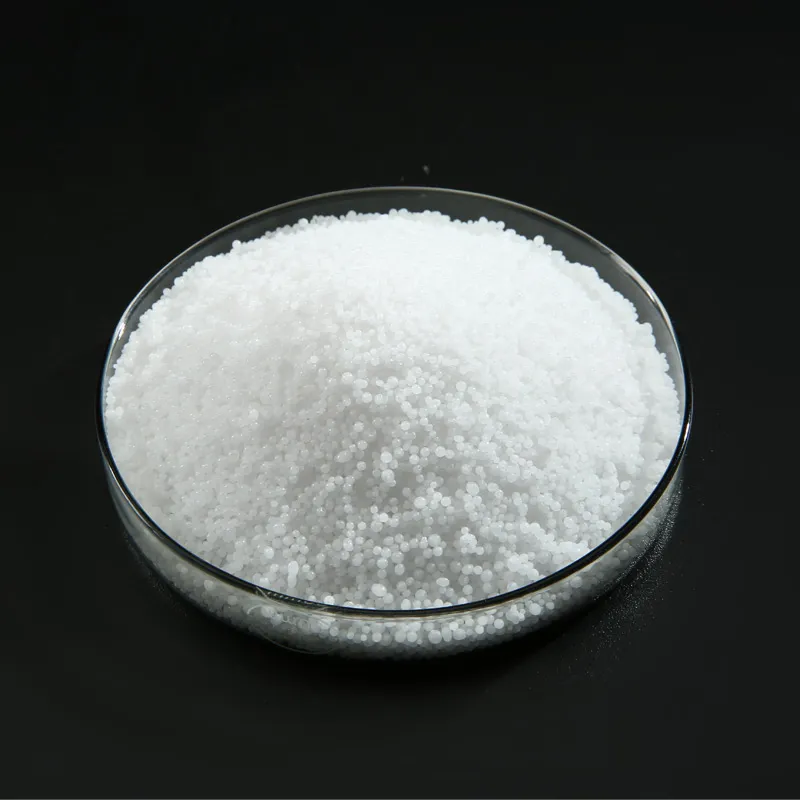
Caustic Soda Pearls - China
Found this useful?