Butadiene: Global Supply, Demand and Synthetic Rubber Applications
1,3-Butadiene is a key petrochemical building block used in the production of synthetic rubber, engineering plastics, and several specialty chemical intermediates. Its importance is closely connected to the automotive industry, particularly tire manufacturing, as well as consumer electronics, construction, and industrial applications.
The global butadiene market is undergoing a significant transition. Capacity additions, changing ethylene cracker economics, uneven downstream demand, and evolving trade flows are reshaping regional supply and pricing conditions. Asia-Pacific remains the largest demand center, while Europe and North America continue to face pressure from weaker consumption and surplus availability.
For chemical manufacturers, rubber producers, importers, and procurement teams, understanding these developments is essential for managing feedstock costs, evaluating suppliers, and planning sourcing strategies.
What Is Butadiene?
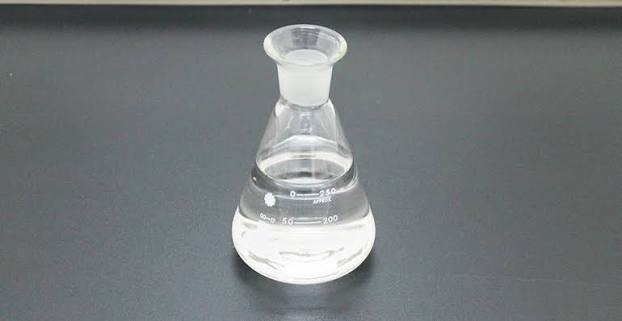
Butadiene is an unsaturated hydrocarbon with the chemical formula C₄H₆. It is a colorless, highly flammable gas at normal temperatures and is commercially important as a monomer and chemical intermediate.
Its main industrial applications include:
Styrene-Butadiene Rubber (SBR)
Polybutadiene Rubber (PBR)
Acrylonitrile-Butadiene-Styrene (ABS)
Nitrile Butadiene Rubber (NBR)
Styrene-Butadiene Latex (SBL)
Adiponitrile production
Other specialty rubber and polymer derivatives
The combination of elasticity, impact resistance, abrasion resistance, and flexibility offered by butadiene-derived materials makes the chemical important across multiple manufacturing industries.
Global Butadiene Supply
Production Is Closely Linked to Ethylene Cracking
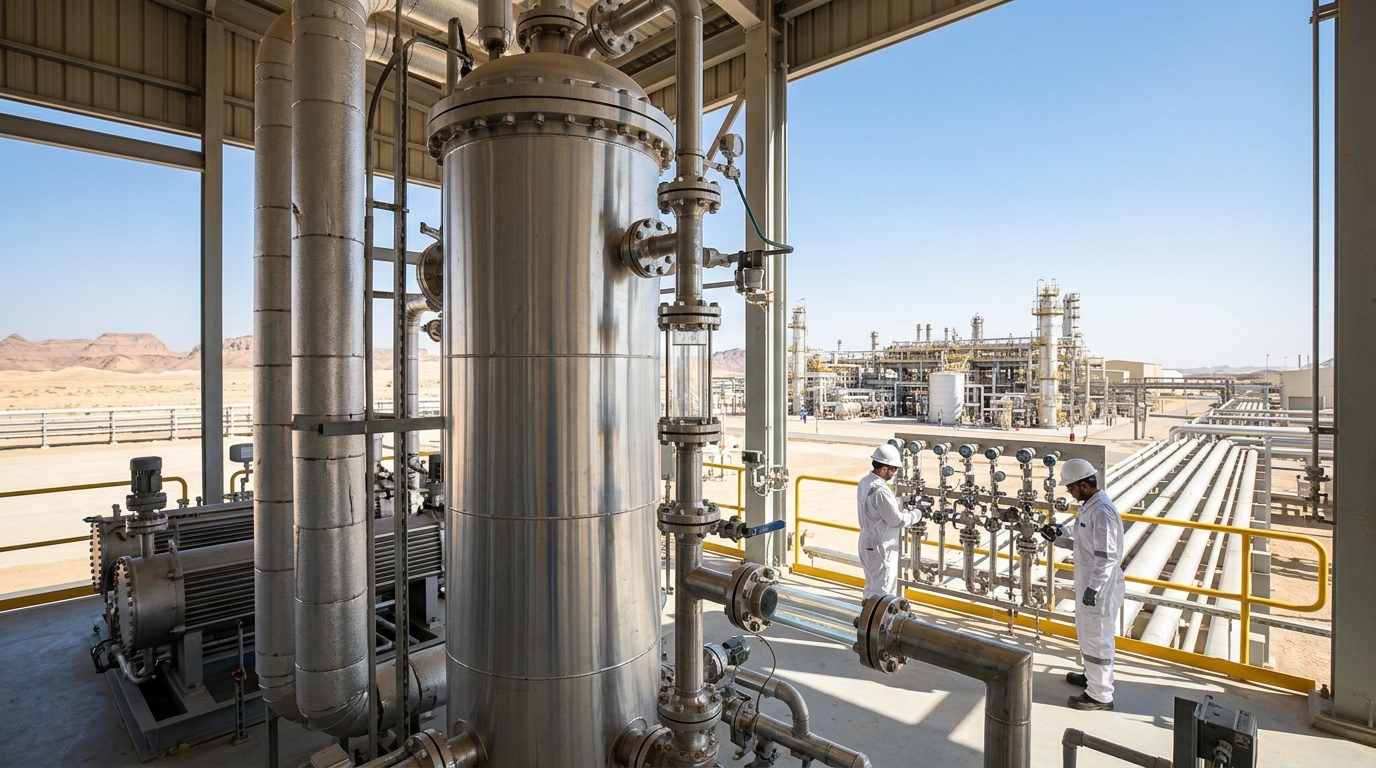
Most commercial butadiene is recovered as a co-product during steam cracking, where hydrocarbon feedstocks are processed to produce ethylene and other olefins.
The crude C4 stream generated during cracking contains butadiene alongside other C4 hydrocarbons. Butadiene is separated through extraction and purification processes to produce commercial-grade material.
This production structure creates an important market characteristic: butadiene supply depends partly on ethylene production economics rather than on butadiene demand alone.
Consequently, changes in cracker operating rates, feedstock selection, and regional capacity can influence butadiene availability.
Feedstock and Cracker Economics
The availability of butadiene is influenced by:
Naphtha and other cracker feedstocks
Ethylene production levels
Steam cracker operating rates
Feedstock composition
C4 extraction capacity
Maintenance and plant shutdowns
Regional petrochemical investment
Naphtha-based cracking generally produces more C4 co-products than lighter-feedstock routes. As producers adjust feedstock choices, the volume of recoverable crude C4 can change.
This makes cracker rationalization and feedstock shifts particularly important for the global butadiene market.
Capacity Expansion and Oversupply Risk
Global capacity has expanded significantly in recent years, with a large share of new investment concentrated in Asia, particularly China.
According to Chemical Market Analytics by OPIS, capacity additions since 2019 have substantially outpaced demand growth. Its October 2026 analysis estimates that cumulative surplus capacity additions could approach 4.5 million metric tons by 2030.
The same analysis projects global butadiene demand at approximately 14 million metric tons in 2030, highlighting the potential for continued structural oversupply.
This imbalance could pressure producer margins, increase competition for export markets, and encourage producers to adjust operating rates or explore alternative outlets for C4 streams.
Global Butadiene Demand
Butadiene demand is primarily driven by synthetic rubber and polymer manufacturing. The automotive and tire industries remain particularly important because they consume large volumes of butadiene-derived materials.
According to Mordor Intelligence, the global butadiene market is estimated at approximately 15.04 million metric tons in 2026 and is forecast to reach 17.56 million metric tons by 2032, representing a projected CAGR of 2.55% over 2027–2032.
This forecast reflects continued demand from automotive tires, synthetic rubber, ABS plastics, and other downstream applications.
Key Demand Drivers
1. Automotive and Tire Manufacturing
Vehicle production and replacement-tire demand are major drivers of synthetic rubber consumption. Butadiene-derived rubber provides abrasion resistance, elasticity, and durability required for tire applications.
2. Consumer Electronics
ABS plastics are used in appliances, electronic housings, equipment components, and consumer products. Growth in these markets creates another important demand channel.
3. Industrial Manufacturing
Industrial hoses, belts, seals, footwear, and other rubber products use butadiene-based materials for their mechanical performance.
4. Construction and Infrastructure
Synthetic rubber and ABS applications are used in various construction materials, equipment components, and industrial products.
5. Emerging Mobility Technologies
Electric vehicles create opportunities for specialized tire materials. Their weight and torque characteristics can increase performance requirements, supporting interest in high-performance synthetic rubber grades.
Major Synthetic Rubber Applications
1. Styrene-Butadiene Rubber (SBR)
Styrene-Butadiene Rubber is one of the most important downstream applications of butadiene.
SBR combines styrene and butadiene to produce a synthetic rubber with useful abrasion resistance, flexibility, and durability.
Its applications include:
Passenger and commercial vehicle tires
Tire treads and sidewalls
Footwear
Conveyor belts
Hoses
Industrial rubber products
Solution Styrene-Butadiene Rubber (S-SBR) is particularly relevant to high-performance tire manufacturing because its properties can be tailored for improved rolling resistance, wet grip, and wear performance.
2. Polybutadiene Rubber (PBR)
Polybutadiene Rubber is produced through the polymerization of butadiene and is valued for its elasticity, resilience, and low-temperature flexibility.
Major applications include:
Tire tread compounds
Tire sidewalls
Golf balls
Industrial rubber products
Conveyor belts
Impact modification for plastics
PBR is an established butadiene outlet, particularly in the automotive and tire industries.
3. Acrylonitrile-Butadiene-Styrene (ABS)
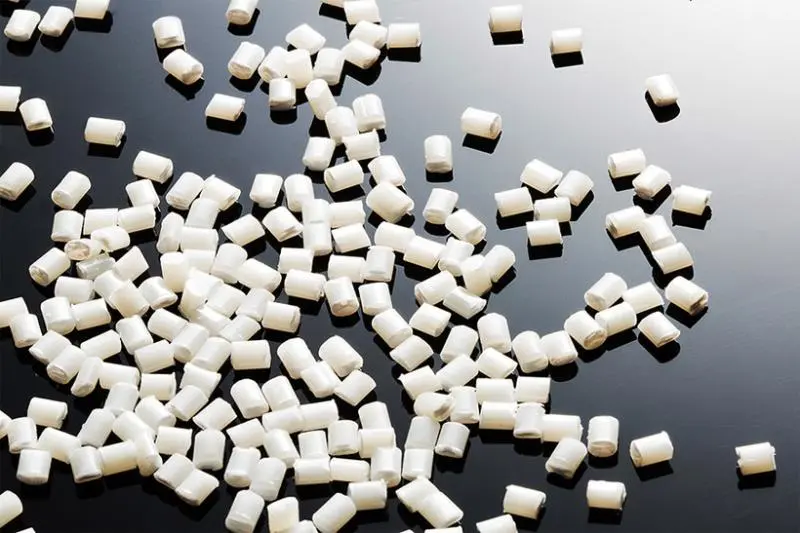
ABS is an engineering thermoplastic made from acrylonitrile, butadiene, and styrene.
Butadiene contributes impact resistance and toughness, making ABS suitable for:
Automotive interior components
Electrical housings
Household appliances
Consumer electronics
Protective equipment
Industrial enclosures
Demand for ABS is linked to manufacturing activity, consumer electronics, automotive production, and construction-related applications.
4. Nitrile Butadiene Rubber (NBR)
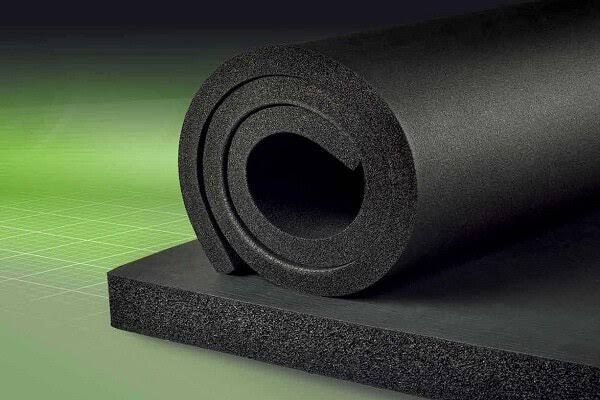
Nitrile Butadiene Rubber is produced from acrylonitrile and butadiene. It is valued for its resistance to oils, fuels, and many industrial fluids.
Its applications include:
Industrial seals
Fuel hoses
Oil-resistant gaskets
Automotive components
Protective gloves
Industrial tubing
NBR is important in applications where conventional natural rubber may not provide sufficient chemical resistance.
5. Styrene-Butadiene Latex (SBL)
Styrene-Butadiene Latex is a water-based polymer dispersion used in several industrial applications.
Its uses include:
Paper coatings
Carpet backing
Adhesives
Construction materials
Selected textile applications
This creates an additional demand channel beyond solid synthetic rubber products.
6. Adiponitrile and Nylon 6,6 Intermediates
Butadiene can also be converted into adiponitrile, an important intermediate in the production of hexamethylenediamine and Nylon 6,6.
This route connects butadiene to engineering plastics, fibers, and industrial materials, diversifying demand beyond the rubber sector.
Regional Supply and Demand Trends
Asia-Pacific
Asia-Pacific is the largest butadiene market, supported by its extensive automotive, tire, synthetic rubber, and polymer manufacturing industries.
China is particularly important because of its large petrochemical capacity and expanding downstream production base.
However, rising domestic production does not mean the region has become fully self-sufficient. S&P Global Energy's 2026 trade analysis expects China to remain a net importer of butadiene during 2026, with self-sufficiency projected around 2030.
This creates opportunities for international suppliers, although import demand and pricing conditions may vary as new regional capacity comes online.
North America
North America is an important producer and exporter of butadiene. Its supply is closely connected to ethylene cracker operations and the availability of crude C4 streams.
However, subdued automotive and industrial demand can create pressure on domestic consumption and producer margins.
Export opportunities, particularly into Latin America and Asia, remain important for balancing regional supply.
Europe
Europe faces a challenging market environment due to weaker downstream demand, high production costs, and petrochemical capacity rationalization.
Steam cracker closures and changes in feedstock selection can reduce domestic crude C4 availability, even while weak demand limits the market's ability to absorb higher-cost production.
These conditions are encouraging producers to review operating strategies, procurement arrangements, and export opportunities.
Middle East
The Middle East is developing its petrochemical and downstream manufacturing capabilities. Investments in synthetic rubber, polymers, and automotive-related industries could create additional demand opportunities over time.
However, the region's role in global butadiene supply remains more limited than its position in several other petrochemical value chains.
South America
Brazil is an important regional petrochemical producer, with butadiene integrated into its broader olefins and derivatives industry.
Regional automotive production, tire manufacturing, and industrial demand influence consumption. Imports and exports can also help balance local supply and downstream requirements.
Global Trade Flows and Pricing Dynamics
International butadiene trade is influenced by regional supply-demand balances, freight costs, cracker economics, and downstream operating rates.
In 2025, China's butadiene imports increased significantly. S&P Global Energy reported imports of 428,721 metric tons between January and October 2025, up 39% compared with the same period in 2024.
The increase illustrates China's continued importance as an outlet for international butadiene suppliers.
However, trade flows are not guaranteed to remain stable. Changes in regional prices, tariffs, shipping costs, and domestic capacity can quickly alter the economics of exporting to particular markets.
Key Factors Influencing Butadiene Prices
Crude oil and naphtha prices
Ethylene cracker operating rates
Crude C4 availability
Regional butadiene inventories
Synthetic rubber production
Automotive and tire demand
ABS operating rates
Freight and shipping costs
Plant maintenance and unplanned outages
Import tariffs and trade restrictions
For buyers, monitoring both feedstock costs and downstream operating conditions is essential for understanding price movements.
Market Challenges
Despite its importance across multiple industries, the butadiene market faces several structural challenges.
Structural Oversupply
Capacity additions have outpaced demand growth in recent years. Continued oversupply could pressure prices and reduce producer profitability.
Weak Downstream Demand
Automotive, construction, and consumer-goods activity influence demand for synthetic rubber and ABS. Slow growth in these industries can limit butadiene consumption.
Dependence on Ethylene Production
Because butadiene is predominantly a cracker co-product, producers have limited control over supply independent of broader ethylene economics.
Regional Capacity Rationalization
Plant closures can reduce local supply while increasing dependence on imports and international trade flows.
Feedstock and Energy Volatility
Changes in oil, naphtha, and energy prices can influence production economics and regional competitiveness.
Competitive Intelligence: What Buyers Should Monitor
Chemical manufacturers, importers, and procurement professionals should track several indicators to assess market direction.
1. Cracker Operating Rates
Changes in steam cracker utilization can influence crude C4 availability and butadiene production.
2. New Capacity
Monitor planned and commissioned capacity, especially in China and other Asian markets.
3. Synthetic Rubber Production
SBR, PBR, and NBR operating rates provide useful signals of downstream butadiene demand.
4. Automotive and Tire Output
Vehicle production and replacement-tire demand can influence long-term rubber consumption.
5. ABS Production
Electronics and appliance manufacturing trends can affect demand for ABS and its butadiene content.
6. International Trade
Monitor import volumes, export destinations, tariffs, and regional price spreads.
Procurement Considerations
For butadiene buyers, sourcing decisions should consider more than the quoted product price.
Procurement teams should:
Evaluate supplier production capacity and reliability.
Monitor regional supply-demand balances.
Compare domestic and imported material economics.
Assess freight, insurance, and total landed costs.
Review product specifications and purity requirements.
Maintain alternative qualified suppliers.
Track feedstock and downstream market trends.
Review storage, handling, and transportation requirements.
Butadiene is a highly flammable gas and requires specialized storage, handling, and transportation systems. Buyers should ensure that suppliers and logistics partners can meet applicable safety and regulatory requirements.
Looking Ahead
The global butadiene market is expected to remain closely linked to automotive production, synthetic rubber manufacturing, and petrochemical cracker economics.
Asia-Pacific is likely to remain the main demand center, with China playing an increasingly important role in both regional production and international trade. At the same time, continued capacity expansion could create pressure on global operating rates and producer margins.
The outlook will depend on how quickly downstream demand absorbs new capacity, how regional cracker economics evolve, and whether producers adjust operating rates to manage surplus supply.
For chemical companies and procurement teams, the most important priorities will be monitoring capacity additions, understanding regional trade flows, and maintaining flexible sourcing strategies.
Key Takeaways
Butadiene is a critical petrochemical feedstock for synthetic rubber and engineering plastics.
SBR and PBR are major downstream applications, particularly in tire manufacturing.
ABS, NBR, latex, and adiponitrile provide additional demand channels.
Asia-Pacific is the largest regional market, with China remaining an important importer in 2026.
Global capacity additions have outpaced demand growth, creating structural oversupply risks.
Butadiene supply remains closely linked to ethylene cracker operating rates and feedstock selection.
Automotive production, tire demand, and industrial manufacturing remain key consumption drivers.
Buyers should monitor feedstock costs, regional capacity, freight, and downstream operating rates when planning procurement.
Sources
Chemical Market Analytics by OPIS — Global Butadiene Market Faces Structural Oversupply and Changing Trade Flows (October 2026).
S&P Global Energy — Butadiene: Europe, US to Continue Exporting Butadiene Surplus to Asia (Chemical Trends H1 2026).
S&P Global Energy — APPEC: China's Butadiene Market to Flip from Deficit to Surplus by 2035.
Mordor Intelligence — Butadiene Market: Demand & Price Trends.
GlobalData — Global Butadiene Industry, 2026–2030: Capacity and Capital Expenditure Forecasts.
Acrylonitrile Butadiene Styrene (ABS)
Found this useful?