Isoprene: Production, Applications and Synthetic Rubber Market Trends
Isoprene is an important petrochemical building block used primarily in the production of synthetic rubber and specialty elastomers. Chemically known as 2-methyl-1,3-butadiene (C₅H₈), it is a highly reactive hydrocarbon monomer that can be polymerized into materials with elasticity and performance characteristics similar to natural rubber.
Its importance extends across automotive tires, industrial rubber products, footwear, adhesives, medical materials, and other specialty applications. Demand is closely connected to automotive manufacturing, tire production, healthcare applications, and the development of high-performance elastomers.
In 2026, the isoprene market is being influenced by several structural factors, including Asia-Pacific's manufacturing position, demand for synthetic polyisoprene, changing petrochemical feedstock economics, and growing interest in bio-based production technologies.
For chemical producers, rubber manufacturers, distributors, and procurement teams, understanding isoprene's production economics and downstream applications is essential for evaluating market opportunities and supply-chain risks.
1. What Is Isoprene?
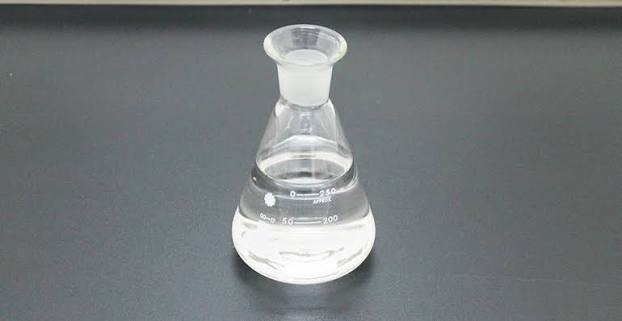
Isoprene is a volatile, flammable C5 hydrocarbon with the chemical formula C₅H₈. It is one of the key building blocks used to manufacture synthetic elastomers.
Its molecular structure allows it to form polymers with different properties depending on the production process and polymerization conditions.
The most important downstream products include:
Synthetic polyisoprene rubber: A synthetic elastomer designed to provide properties similar to natural rubber.
Butyl and halobutyl rubber: Isoprene is used as a comonomer with isobutylene in the manufacture of these materials.
Styrene-isoprene-styrene (SIS): A thermoplastic elastomer used in pressure-sensitive adhesives, sealants, and specialty applications.
Other specialty polymers: Isoprene-based materials can be used in selected industrial and consumer applications.
The polymer's structure, molecular weight, purity, and processing characteristics determine its suitability for different applications.
2. Isoprene Production: Major Manufacturing Routes
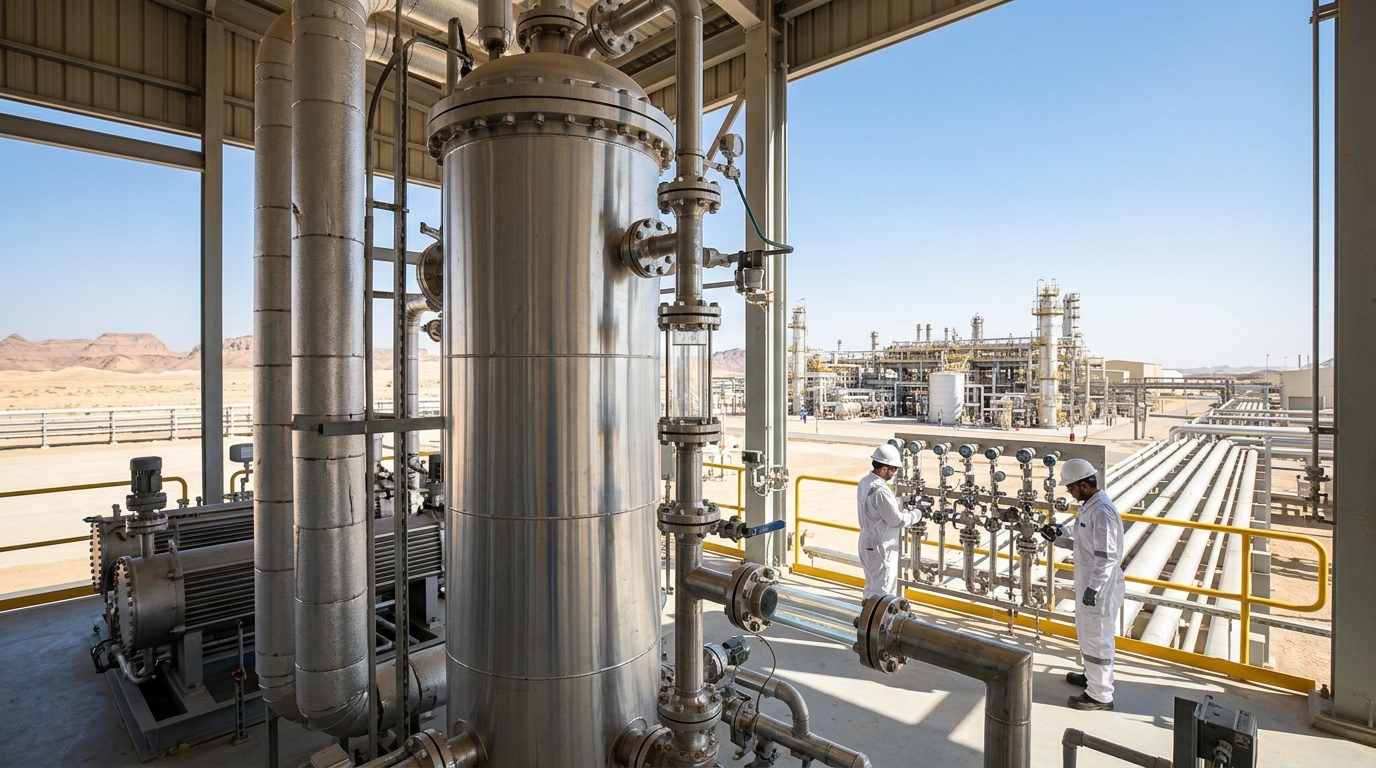
Commercial isoprene production is closely linked to petrochemical processing. The most established production route involves recovering isoprene from C5 hydrocarbon streams generated during steam cracking.
C5 Extraction from Steam Cracking
Steam cracking is an important source of commercial isoprene. During the cracking of naphtha and other hydrocarbon feedstocks, a mixture of C5 hydrocarbons is produced.
This mixture can contain isoprene alongside other compounds, including piperylenes, cyclopentadiene, and other C5 components.
Isoprene is separated through specialized extraction and purification processes.
Key production considerations include:
Availability and composition of C5 feedstock
Steam-cracker operating rates
Separation technology
Purification requirements
Energy consumption
Product-grade specifications
Because isoprene is often recovered as part of a broader petrochemical production chain, its availability can be influenced by the economics and operating rates of upstream steam crackers.
Dehydrogenation of Isopentane
Another production route involves the catalytic dehydrogenation of isopentane to produce isoprene.
The process removes hydrogen from the feedstock and requires suitable catalysts, temperature control, and separation systems.
Its commercial attractiveness depends on feedstock availability, conversion efficiency, energy requirements, catalyst performance, and overall plant economics.
Bio-Based Isoprene
Bio-based isoprene is an emerging area of development.
Research and commercial development efforts have explored biological production routes using renewable feedstocks and engineered microorganisms.
Potential advantages include:
Reduced dependence on fossil-based feedstocks
Opportunities to lower lifecycle emissions
Greater feedstock diversification
Alignment with renewable-material strategies
However, commercial competitiveness depends on production yields, fermentation efficiency, purification costs, scale, and the availability of suitable renewable feedstocks.
Bio-based production remains a developing alternative rather than a complete replacement for conventional petrochemical supply.
3. Synthetic Polyisoprene: The Main Downstream Application
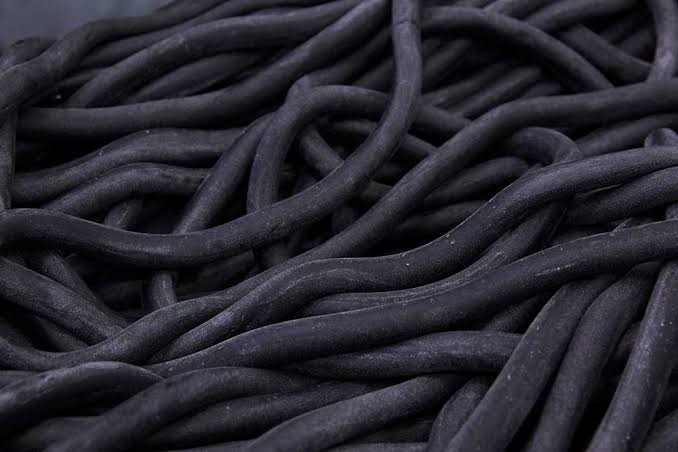
Synthetic polyisoprene is one of the most important derivatives of isoprene.
It is designed to reproduce many of the useful properties of natural rubber, including elasticity, resilience, and tensile performance.
These characteristics make it valuable in applications where consistent material quality and controlled manufacturing specifications are important.
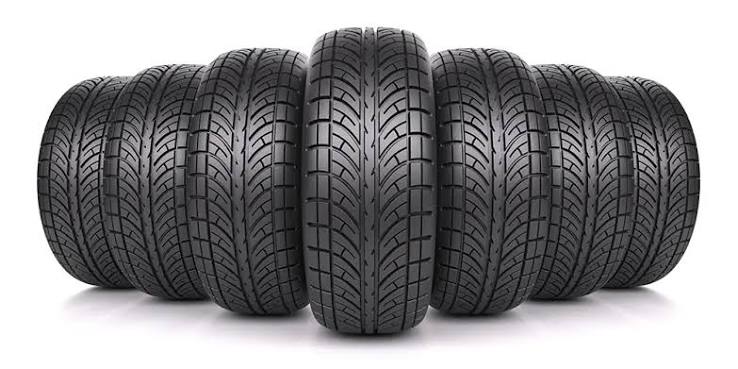
Tire Manufacturing
The automotive tire industry is a major consumer of isoprene-derived synthetic rubber.
Polyisoprene can contribute to:
Elasticity
Flexibility
Tensile strength
Fatigue resistance
Dynamic performance
Abrasion performance in selected formulations
Tire manufacturers select rubber types and blends according to the performance requirements of different tire components.
Medical and Healthcare Products
High-purity synthetic polyisoprene is used in selected medical and healthcare applications.
Its elasticity and material consistency can make it suitable for products such as:
Medical gloves
Medical devices
Healthcare components
Selected elastic medical products
In applications requiring direct medical use, product specifications, biocompatibility, quality controls, and applicable regulatory requirements are essential.
Footwear and Consumer Goods
Isoprene-based elastomers are also used in selected footwear and consumer-product applications.
Their flexibility and resilience can support products that require repeated deformation and recovery.
Potential applications include:
Footwear components
Elastic consumer products
Industrial rubber goods
Flexible molded products
4. Other Important Isoprene Derivatives
Although synthetic polyisoprene represents a major application, isoprene also supports the production of other commercially important materials.
Butyl and Halobutyl Rubber
Isoprene is used in relatively small proportions as a comonomer in butyl rubber production.
These elastomers are valued for their low gas permeability and chemical resistance.
Applications include:
Tire inner liners
Inner tubes
Pharmaceutical closures
Industrial seals
Protective rubber components
Halobutyl rubber offers additional performance characteristics through halogenation, supporting applications that require specific curing and compatibility properties.
Styrene-Isoprene-Styrene (SIS)
SIS is a thermoplastic elastomer made from styrene and isoprene blocks.
It combines rubber-like elasticity with thermoplastic processing characteristics.
Common applications include:
Pressure-sensitive adhesives
Hot-melt adhesives
Sealants
Labels and tapes
Flexible consumer products
Demand for SIS is connected to packaging, hygiene products, construction materials, and adhesive manufacturing.
Specialty Elastomers and Polymer Materials
Isoprene chemistry also supports other specialty polymer and elastomer formulations.
These materials can serve applications where flexibility, elasticity, adhesion, and processing performance are important.
5. Global Isoprene Market: Size and Growth Outlook
Market research providers report different estimates for the global isoprene market because their methodologies, product definitions, and included application segments may differ.
For example, Fortune Business Insights estimated the global isoprene market at approximately US$2.45 billion in 2025, with a forecast of US$2.90 billion in 2026 and US$4.16 billion by 2034.
Mordor Intelligence reported a broader estimate of approximately US$4.15 billion in 2025, increasing to US$4.36 billion in 2026.
These figures should not be combined into a single market-size estimate. Their difference illustrates why buyers and investors should check the scope and methodology behind each market report.
Despite differences in reported market values, several common growth drivers emerge:
Increasing synthetic rubber consumption
Automotive and tire manufacturing demand
Expansion of healthcare-related applications
Demand for specialty elastomers
Growth in Asia-Pacific manufacturing
Development of alternative production technologies
6. Regional Market Analysis
Asia-Pacific: The Leading Manufacturing Region
Asia-Pacific is a major center for isoprene production and consumption, supported by its large petrochemical, automotive, tire, and synthetic rubber industries.
China, Japan, South Korea, and India are important markets within the regional supply chain.
Key regional drivers include:
Automotive manufacturing
Tire production capacity
Petrochemical integration
Synthetic rubber consumption
Industrial and consumer-product manufacturing
Growing demand for specialty elastomers
Fortune Business Insights estimated that Asia-Pacific accounted for approximately 56.73% of global isoprene market revenue in 2025. Mordor Intelligence also identified the region as the largest market, although its reported share differs because of its own market methodology.
China: A Major Downstream Consumer
China's large automotive and tire manufacturing industries support significant demand for synthetic rubber and isoprene-derived materials.
The country's petrochemical and polymer manufacturing infrastructure also plays an important role in regional supply.
Market conditions are influenced by:
Domestic petrochemical capacity
Tire production
Synthetic rubber output
Industrial demand
Feedstock economics
Export and import activity
China's production and consumption trends can therefore influence regional availability and competitive pricing.
Japan and South Korea: Specialty Materials and Technology
Japan and South Korea have established petrochemical and synthetic rubber industries.
Their markets are supported by automotive manufacturing, specialty elastomers, high-performance materials, and industrial applications.
These countries also have important roles in developing and supplying specialized rubber products where consistency and technical performance are critical.
North America: Automotive and Specialty Applications
North America is an established market for isoprene and its derivatives.
Demand is linked to automotive manufacturing, tire production, medical materials, adhesives, and specialty polymer applications.
Feedstock availability, integrated petrochemical infrastructure, and regional manufacturing economics influence the competitiveness of producers.
Europe: Performance Materials and Sustainability
European demand is supported by automotive, industrial rubber, healthcare, and specialty adhesive applications.
The region's market is also influenced by energy costs, environmental regulations, and the development of lower-carbon materials.
Manufacturers may increasingly evaluate alternative feedstocks and production technologies as sustainability requirements become more important.
7. Synthetic Rubber Market Trends in 2026
Automotive and Tire Demand
Tires remain a major end-use market for synthetic rubber.
Vehicle production, replacement-tire demand, and changing tire performance requirements influence demand for different elastomer types.
Electric vehicle adoption is also changing tire formulation priorities. Higher vehicle weight and torque can create additional performance requirements for durability, wear resistance, and rolling efficiency.
However, these requirements affect different synthetic rubber types in different ways; isoprene-derived materials compete and work alongside other elastomers in tire formulations.
Medical-Grade Synthetic Polyisoprene
Healthcare applications offer another important demand segment.
Manufacturers of medical products may prefer synthetic polyisoprene where consistent specifications, elasticity, and material quality are required.
Demand is influenced by healthcare production, medical-device manufacturing, product qualification, and regulatory requirements.
Growth in Specialty Adhesives
SIS and other isoprene-based block copolymers are important in specialty adhesive formulations.
Demand can be supported by:
Packaging
Hygiene products
Labels and tapes
Construction applications
Consumer goods
The growth of flexible packaging and pressure-sensitive adhesive applications creates opportunities for specialty polymer producers.
Bio-Based Production Development
The development of renewable isoprene production routes is an emerging industry trend.
Bio-based production could provide feedstock diversification and support lower-carbon material strategies.
Nevertheless, commercial adoption depends on cost competitiveness, production scale, product consistency, and customer qualification.
Feedstock and Energy Cost Volatility
Conventional isoprene production remains linked to petrochemical feedstock economics.
Changes in naphtha prices, steam-cracker operating rates, energy costs, and C5 stream availability can influence production costs and merchant supply.
This makes feedstock monitoring important for both producers and downstream rubber manufacturers.
8. Production and Supply-Chain Risks
Isoprene's supply chain is connected to upstream petrochemical operations and downstream polymer manufacturing.
This creates several potential risks.
Steam-Cracker Operating Rates
Because a major commercial source of isoprene is C5 streams from steam cracking, reduced cracker utilization can affect the availability of recoverable feedstock.
Feedstock Price Changes
Changes in naphtha and other hydrocarbon prices can influence the cost of conventional production.
Plant Maintenance and Disruptions
Planned maintenance, unplanned shutdowns, equipment failures, and operational incidents can affect production volumes.
Regional Supply Concentration
Dependence on a limited number of producers or regions can increase exposure to logistical and geopolitical disruptions.
Product Quality Requirements
Polymer-grade isoprene requires appropriate purity and consistency. Variations in product specifications can affect polymerization performance and downstream product quality.
Transportation and Storage
Isoprene is a volatile, highly flammable liquid and requires appropriate storage, handling, and transport controls. Equipment compatibility, temperature management, vapor control, and applicable dangerous-goods requirements must be assessed for each shipment.
9. Competitive Intelligence: What Buyers Should Monitor
Companies sourcing isoprene or synthetic rubber should monitor several market indicators.
Feedstock Availability
Track steam-cracker operating rates, C5 stream availability, and changes in petrochemical production.
Synthetic Rubber Capacity
Monitor new polyisoprene, butyl rubber, and specialty elastomer capacity.
Automotive Production
Vehicle and tire manufacturing trends provide useful signals for downstream demand.
Healthcare Demand
Medical-device and healthcare manufacturing can influence demand for high-purity synthetic polyisoprene.
Regional Trade Flows
Monitor imports, exports, production disruptions, and changes in regional supplier availability.
Technology Developments
Follow bio-based production, improved extraction processes, and advances in specialty polymerization technologies.
10. Procurement Considerations
Procurement teams should evaluate isoprene sourcing based on product quality, feedstock exposure, supplier reliability, and logistics requirements.
Recommended actions include:
Qualify suppliers with established polymer-grade production capabilities.
Verify product purity and relevant technical specifications.
Review supplier production routes and feedstock exposure.
Monitor upstream petrochemical operating rates.
Diversify sourcing where commercially and technically feasible.
Assess transportation, storage, and dangerous-goods compliance.
Evaluate contract terms and price-adjustment mechanisms.
Maintain appropriate inventory buffers based on supply risk and storage requirements.
Review supplier quality systems and documentation.
For downstream rubber manufacturers, procurement decisions should also consider the specific polymerization process and the performance requirements of the final elastomer.
Looking Ahead
Isoprene remains an important link between petrochemical production and the global synthetic rubber industry.
Automotive tires, medical products, specialty adhesives, and industrial elastomers provide multiple sources of downstream demand. At the same time, conventional production remains exposed to C5 feedstock availability, cracker economics, and regional supply conditions.
Asia-Pacific is expected to remain a major center of production and consumption, while North America and Europe continue to support demand for specialized rubber and polymer applications.
Bio-based production may become increasingly relevant as manufacturers pursue feedstock diversification and lower-carbon materials, although its long-term competitiveness will depend on commercial scale and production economics.
For chemical producers, rubber manufacturers, and procurement teams, the key priorities will remain reliable feedstock access, consistent product quality, competitive production costs, and resilient regional supply chains.
Key Takeaways
Isoprene is a C5 hydrocarbon monomer used primarily in synthetic rubber and specialty polymer production.
Commercial supply mainly comes from recovering isoprene from C5 streams generated during steam cracking.
Synthetic polyisoprene is an important derivative used in tires, medical products, and industrial rubber applications.
Isoprene is also used in butyl and halobutyl rubber and styrene-isoprene-styrene block copolymers.
Asia-Pacific is the leading regional market, supported by large petrochemical, automotive, and rubber industries.
Automotive manufacturing, tire demand, healthcare applications, and specialty adhesives are important downstream drivers.
Feedstock availability, cracker utilization, energy costs, and plant disruptions influence supply economics.
Bio-based isoprene production is an emerging area of development.
Procurement teams should prioritize polymer-grade specifications, supplier qualification, feedstock monitoring, and safe transport arrangements.
Sources
Fortune Business Insights — Isoprene Market Size, Share & Industry Analysis, 2026–2034.
Mordor Intelligence — Isoprene Market Size and Share Analysis, 2026–2031.
Market Research Future — Isoprene Monomer Market Size, Share & Forecast 2035.
Grand View Research — Polyisoprene Market Size, Share & Trends Report, 2026–2033.
IMARC Group — Synthetic Rubber Market Size, Share & Forecast to 2034.
Research Nester — Synthetic Rubber Market Report, 2026–2035.
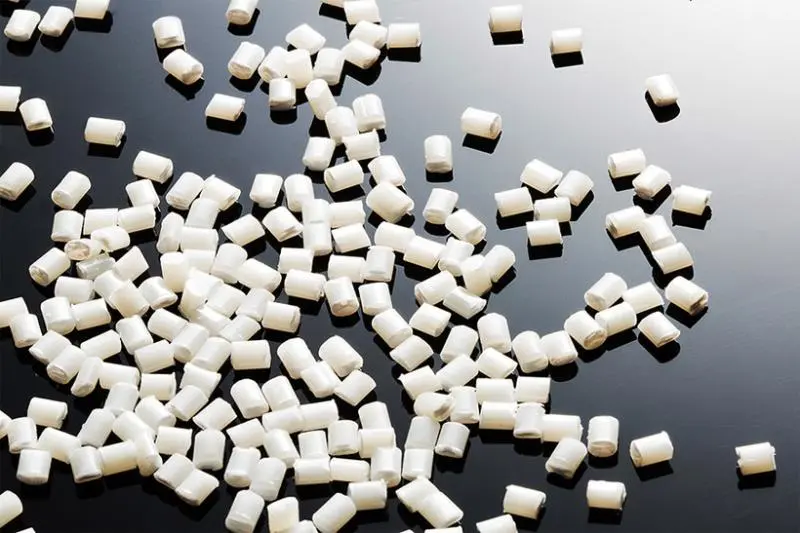
Acrylonitrile Butadiene Styrene (ABS)
Found this useful?