Carbon Footprint Reduction in the Global Chemical Industry: Strategies, Technologies and Market Opportunities
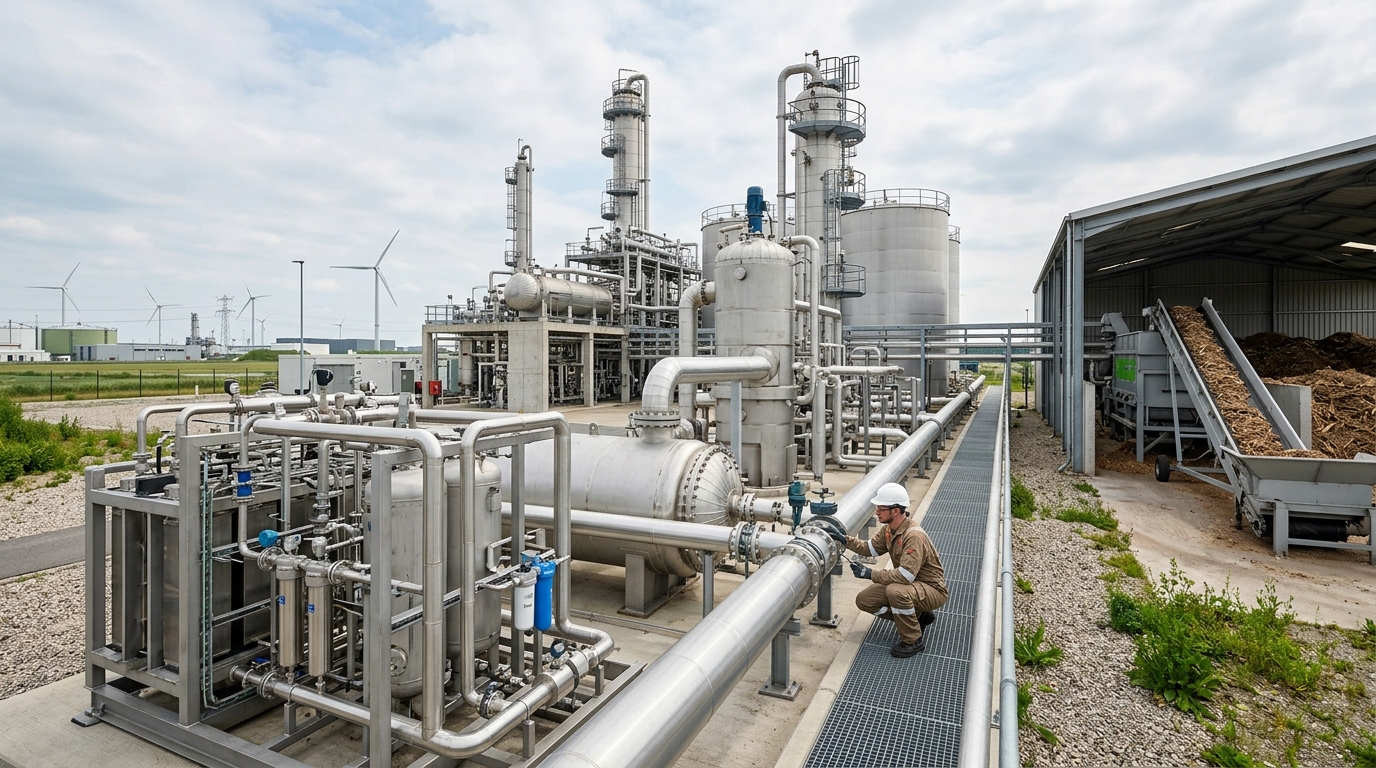
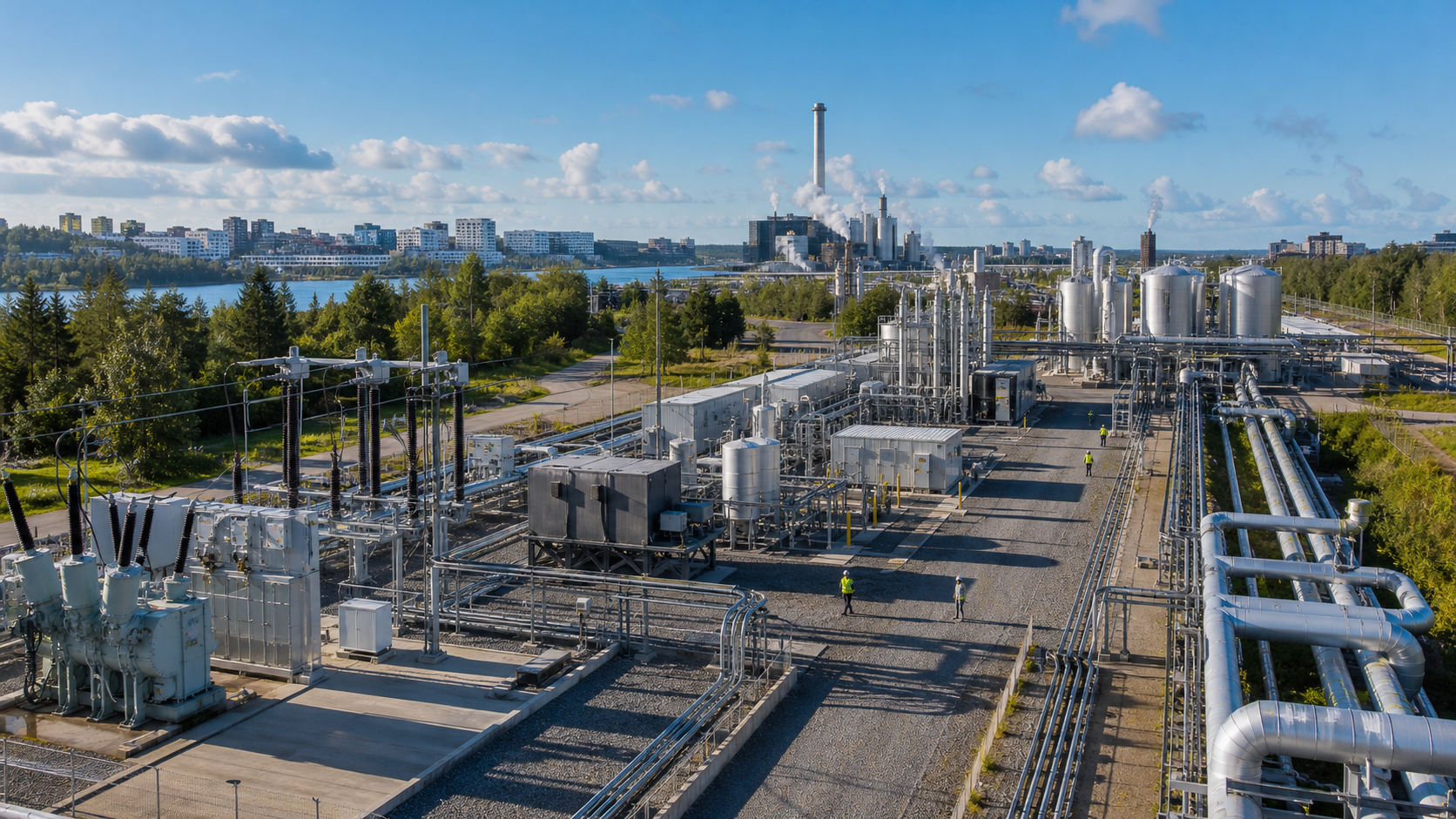
The global chemical industry faces a major transformation as manufacturers, traders and buyers place greater emphasis on reducing greenhouse gas emissions across production and supply chains. Carbon footprint reduction in the chemical industry has moved beyond an environmental objective and become an important factor in manufacturing competitiveness, international trade and procurement decisions.
Chemical production depends heavily on energy-intensive processes and fossil-based raw materials. Products such as ammonia, methanol, ethylene and plastics require significant energy and feedstock inputs, creating opportunities for manufacturers to reduce emissions through cleaner technologies, efficient operations and sustainable sourcing.
For chemical traders and procurement managers, this transition also creates new commercial opportunities. Buyers increasingly need to understand the environmental performance of suppliers, evaluate alternative raw materials and identify manufacturers investing in low-carbon production.
Why Carbon Footprint Reduction Matters to Chemical Manufacturers
The chemical industry contributes to global greenhouse gas emissions through direct manufacturing activities, energy consumption and upstream supply chains. Its environmental impact extends beyond factory operations because many chemical products also depend on fossil-based feedstocks.
Manufacturers must address three main emission categories:
Scope 1 emissions: Direct emissions from industrial boilers, furnaces, reactors and other equipment operating within manufacturing facilities.
Scope 2 emissions: Indirect emissions associated with purchased electricity, heating and steam used during production.
Scope 3 emissions: Emissions generated throughout the wider value chain, including raw material extraction, transportation, packaging and product disposal.
Each category requires a different reduction strategy. A manufacturer may improve energy efficiency within its factory but still carry a substantial carbon footprint through fossil-based feedstocks or emissions generated by its suppliers.
This distinction matters to international buyers. Procurement teams increasingly benefit from examining the entire supply chain rather than evaluating suppliers exclusively on product specifications and quoted prices.
Major Sources of Carbon Emissions Across Chemical Supply Chains
Understanding where emissions originate helps manufacturers identify the most effective reduction opportunities. Energy consumption and feedstock selection remain two particularly important areas.
Energy-intensive manufacturing processes account for a significant share of the industry's environmental impact. Distillation, heating, compression, drying and chemical conversion require substantial energy, particularly in facilities that depend on conventional fossil fuels.
Other important emission sources include:
Fossil-based feedstocks: Natural gas, petroleum derivatives and coal supply carbon and hydrogen for many industrial chemicals. Their extraction, processing and conversion contribute to overall lifecycle emissions.
Industrial heating: Conventional boilers and furnaces burn fossil fuels to maintain the temperatures required for chemical reactions and material processing.
Transportation: International shipments of bulk chemicals, containerized products and hazardous materials generate emissions throughout global distribution networks.
Packaging and storage: Manufacturing drums, intermediate bulk containers and other packaging materials consumes resources and energy.
Waste and by-products: Poor waste management, solvent losses and inefficient material recovery increase the environmental footprint of chemical production.
Chemical companies need reliable emissions measurements to understand which activities contribute most to their environmental impact. This information allows procurement teams and manufacturers to prioritize investments instead of adopting sustainability measures without clear performance objectives.
Technologies Driving Low-Carbon Chemical Manufacturing
Technology development is creating new opportunities to reduce emissions without sacrificing production capacity. Some solutions already operate commercially, while others require further investment and infrastructure development.
Energy efficiency and process optimization offer practical starting points. Manufacturers can reduce fuel consumption by upgrading boilers, improving heat exchangers, recovering waste heat and optimizing steam distribution systems.
Digital technologies also support better industrial performance. Artificial intelligence, Internet of Things sensors and digital twins help operators monitor equipment, identify inefficiencies and improve production planning.
Other important technologies include:
Renewable electricity: Solar and wind power can replace conventional electricity sources and reduce indirect emissions from chemical manufacturing.
Industrial electrification: Electric boilers, heat pumps and suitable electrically heated processes can reduce dependence on fossil fuels when manufacturers use low-carbon electricity.
Green hydrogen: Renewable-powered electrolysis produces hydrogen without relying on conventional fossil-based hydrogen production routes. Chemical manufacturers can use it in ammonia production, methanol manufacturing and other hydrogen-dependent processes.
Carbon capture, utilization and storage: CCUS technologies capture CO₂ from industrial operations for utilization or permanent geological storage.
Advanced catalysts: Improved catalytic processes can reduce reaction temperatures, energy requirements and unwanted by-products.
The International Energy Agency identifies electrolytic hydrogen, direct electrification and CCUS among the important technology pathways for reducing emissions from primary chemical production.
Green Hydrogen and Sustainable Chemical Feedstocks
Hydrogen plays an important role in several industrial chemical production processes. Conventional hydrogen production relies heavily on natural gas or coal, creating emissions that manufacturers must address when evaluating their environmental performance.
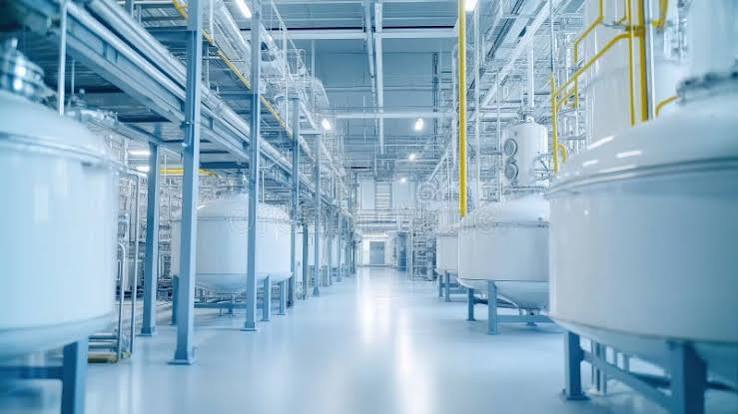
Green hydrogen offers an alternative through water electrolysis powered by renewable electricity. This approach can support lower-carbon production of ammonia, methanol and other industrial chemicals.
For international chemical traders, the development of green hydrogen also creates opportunities in emerging product markets. Low-carbon ammonia and renewable methanol could become increasingly important commodities as manufacturers and industrial buyers seek alternatives to conventional production routes.
Sustainable feedstock selection represents another major opportunity. Chemical producers can investigate alternatives such as:
Agricultural residues and suitable biomass.
Recycled plastics and recovered chemical materials.
Bio-based oils and renewable organic feedstocks.
Captured carbon dioxide combined with suitable conversion technologies.
Renewable hydrogen for hydrogen-intensive chemical processes.
However, buyers should examine the complete production pathway before classifying a product as sustainable. Feedstock origin, energy consumption, processing methods and transportation all influence its environmental performance.
Circular Economy and Chemical Recycling Opportunities
The traditional chemical supply chain follows a largely linear model. Manufacturers extract or purchase raw materials, convert them into products and eventually dispose of manufacturing waste or used materials.
A circular economy changes this approach by recovering resources and keeping materials in productive use for longer periods.
Chemical manufacturers can adopt several circular production practices:
Mechanical recycling: Recovering and processing suitable plastic materials into reusable secondary raw materials.
Chemical recycling: Breaking selected waste materials into chemical building blocks or other useful feedstocks.
Solvent recovery: Collecting and purifying used solvents for reuse in compatible manufacturing processes.
Industrial waste recovery: Extracting reusable materials from production residues and by-products.
Sustainable product design: Developing polymers and chemical formulations that support longer product lifetimes and easier recycling.
These practices can reduce demand for virgin fossil-based materials while improving resource efficiency.
For chemical buyers, recycled and recovered materials also offer opportunities to diversify procurement sources. However, purchasing decisions must account for purity, consistency, regulatory requirements and technical suitability.
How Carbon Reduction Is Reshaping Global Chemical Trade
Carbon reduction initiatives are changing the way manufacturers compete in international chemical markets. Environmental performance increasingly influences supplier evaluation, sourcing strategies and long-term purchasing relationships.
Companies investing in cleaner manufacturing technologies may strengthen their position with customers that prioritize sustainability throughout their supply chains.
Several commercial developments deserve attention:
Changing supplier selection criteria: Importers and industrial buyers increasingly consider energy efficiency, emissions reporting and environmental management when evaluating potential suppliers.
Emerging low-carbon product markets: Green ammonia, renewable methanol and recycled polymers create opportunities for traders to explore new sourcing relationships and product categories.
Regional manufacturing advantages: Countries with competitive renewable electricity supplies may attract investment in hydrogen-based chemical production and energy-intensive industrial processes.
Supply chain transparency: Buyers increasingly need documentation covering product origin, manufacturing processes and environmental performance.
Procurement cost considerations: Cleaner production technologies may initially increase manufacturing expenses. Buyers should evaluate the relationship between product price, supply reliability, quality and environmental performance.
These changes make sustainability knowledge increasingly valuable for chemical distributors, exporters and international sourcing professionals.
Challenges Facing the Chemical Industry's Green Transition
Although decarbonization technologies offer substantial opportunities, manufacturers still face financial, technical and logistical barriers.
High capital investment remains a major obstacle. Replacing conventional boilers, installing electrolyzers, developing renewable energy infrastructure and implementing carbon capture systems require substantial financial resources.
Other challenges include:
Technology readiness: Certain industrial processes still lack commercially competitive low-carbon alternatives at scale.
Renewable energy availability: Manufacturers need reliable access to affordable renewable electricity to support electrification and green hydrogen production.
Infrastructure limitations: Hydrogen transportation networks and CO₂ storage facilities remain under development in many markets.
Feedstock availability: Sustainable biomass and recycled raw materials may face supply, quality and geographical constraints.
International regulatory differences: Environmental reporting requirements and carbon-related trade policies vary across markets.
Production competitiveness: Manufacturers must manage the additional costs associated with cleaner technologies while maintaining competitive product prices.
These barriers make gradual implementation important. Companies should identify the most practical emission reduction opportunities before committing to large-scale technological changes.
What Chemical Procurement Managers Should Prioritize
Procurement teams play an important role in reducing emissions because purchasing decisions influence raw material selection, supplier relationships and transportation arrangements.
A structured sourcing strategy can help buyers balance environmental objectives with commercial requirements.
Key priorities include:
Evaluate supplier sustainability: Request information about manufacturing energy sources, environmental management systems and available greenhouse gas emissions data.
Review product lifecycle emissions: Consider emissions associated with raw material production, manufacturing and transportation rather than focusing exclusively on factory-level emissions.
Diversify sourcing relationships: Explore suppliers investing in energy-efficient manufacturing and sustainable feedstock alternatives.
Optimize transportation: Compare shipping routes, transport modes and shipment consolidation opportunities to reduce logistics-related emissions.
Improve procurement transparency: Maintain documentation covering product specifications, country of origin and relevant environmental information.
Consider long-term supply agreements: Build relationships with manufacturers that demonstrate measurable progress in sustainable production.
Buyers should also distinguish between verified environmental information and general sustainability claims. Reliable documentation makes supplier comparisons more meaningful and supports responsible purchasing decisions.
The Future of Sustainable Chemical Manufacturing and Global Sourcing
The chemical industry's transition toward lower-carbon production will continue to influence international sourcing and trade relationships through 2030 and beyond.
The International Energy Agency's Net Zero Emissions pathway projects that near-zero-emission primary chemical production will reach 93% by 2050. Its pathway highlights the growing importance of carbon capture, electrolytic hydrogen and plastics recycling in reducing industrial emissions.
For manufacturers, this creates a clear incentive to modernize production facilities and invest in technologies that improve energy and material efficiency.
For chemical traders and importers, the transition offers opportunities to connect buyers with manufacturers developing cleaner production methods. Companies that understand changing environmental requirements and maintain transparent supplier relationships can strengthen their position in an increasingly sustainability-focused market.
The most successful procurement strategies will combine competitive pricing, dependable product quality, supply chain resilience and measurable environmental performance.

Ammonia Anhydrous
Found this useful?