Carbon Neutral Fuels Invites Cumbria to View Its Siddick SAF Plans
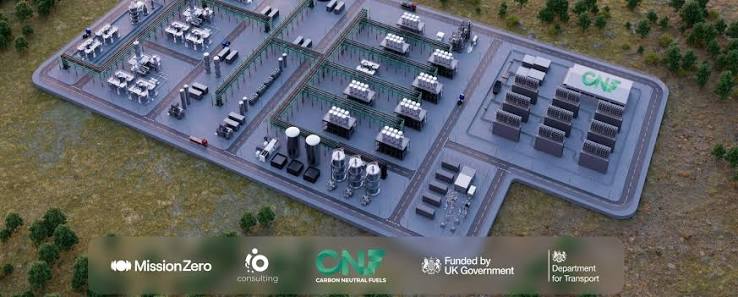
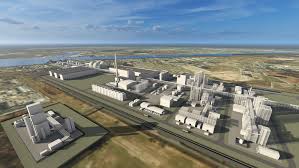
Carbon Neutral Fuels (CNF) is inviting residents of West Cumbria to review early plans for Project Starling, a proposed sustainable aviation fuel (SAF) facility at Siddick, near Workington, England.
The proposed development would regenerate a 40-acre former Eastman Chemical site and produce approximately 42,000 tonnes of SAF annually, according to the latest community consultation announcement. The project is expected to support more than 500 construction jobs and over 150 skilled, permanent roles once operational.
The proposal reflects the UK's broader effort to develop domestic sustainable aviation fuel production, reduce reliance on imported aviation fuel, and establish new industrial supply chains around renewable electricity, captured carbon, and alternative feedstocks.
Project Overview
Project detail | Current proposal |
|---|---|
Project | Project Starling |
Developer | Carbon Neutral Fuels |
Location | Former Eastman Chemical site, Siddick, Workington, Cumbria |
Site area | Approximately 40 acres |
Proposed annual SAF output | Around 42,000 tonnes |
Construction employment | More than 500 jobs |
Permanent employment | More than 150 skilled roles |
Target operational year | 2031 |
Current stage | Early planning and development |
Public consultation | October 15, 2026 |
Important capacity note: CNF's current Project Starling webpage lists a design capacity of 31,000 tonnes of e-SAF per year, while the newer community consultation announcement cites approximately 42,000 tonnes. The proposed capacity should therefore be treated as subject to further project development and clarification.
What Is Sustainable Aviation Fuel?
Sustainable aviation fuel is designed to reduce aviation's reliance on conventional fossil-derived jet fuel. Depending on the production pathway and feedstock, SAF can be produced from renewable or waste-derived resources, or through synthetic processes that combine captured carbon with hydrogen.
Project Starling is planned as a power-to-liquid e-SAF facility. Its proposed production pathway combines low-carbon electricity, water, biomethane, and captured biogenic carbon dioxide to manufacture synthetic aviation fuel.
This approach differs from conventional biofuel production because it uses captured carbon and hydrogen-based fuel synthesis rather than relying exclusively on processing oils, fats, or other biomass feedstocks.
The resulting fuel is intended to be compatible with existing aviation infrastructure, subject to applicable fuel specifications and certification requirements.
How Project Starling's Feedstock System Could Work
The project is designed to connect renewable energy with local sources of biogenic carbon.
Its proposed production chain includes:
Renewable electricity: Supplies energy for the production process.
Water: Provides a source of hydrogen through electrolysis.
Biomethane: Forms part of the proposed feedstock and energy system.
Captured biogenic CO₂: Provides carbon for synthetic fuel production.
Fuel synthesis: Converts the inputs into sustainable aviation fuel.
CNF is also working with local utility providers to explore the use of recycled wastewater in production.
If successfully implemented, the project could create new commercial links between farms, distilleries, utilities, energy providers, and aviation fuel buyers.
Why the Site Matters
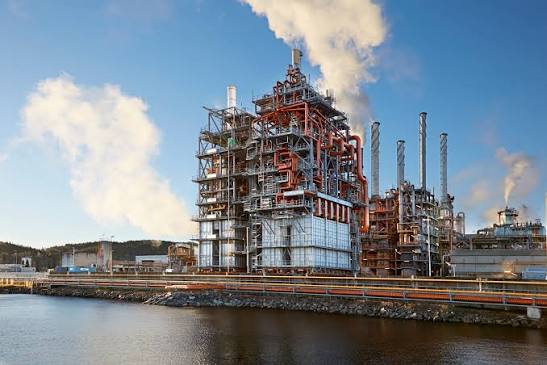
The proposed plant would reuse a former industrial site rather than develop an entirely new greenfield location.
Regenerating brownfield industrial land can offer opportunities to reuse existing infrastructure and support employment in areas with established industrial capabilities.
Potential benefits include:
Bringing underused industrial land back into productive use
Creating construction and long-term operating jobs
Developing new technical and engineering capabilities
Supporting regional suppliers and service providers
Strengthening local energy and carbon supply chains
Attracting further investment in low-carbon manufacturing
The scale of these benefits will depend on planning approval, project financing, construction, and the eventual operating performance of the facility.
Public Consultation: October 15, 2026
CNF plans to hold a community drop-in event to present its emerging proposals and gather feedback from local residents.
Event details
Date: Thursday, October 15, 2026
Time: 3:30 p.m. to 7:00 p.m.
Venue: Cumbria Youth Alliance, The Benny Walker Centre, Longhorn Building, James Street, Workington, CA14 2DF
Residents will be able to view the plans, meet the project team, and ask questions about the proposed development.
The consultation is an early-stage engagement exercise. It does not mean that the facility has received all necessary planning approvals or that construction has begun.
Implications for the UK Aviation Fuel Market
The UK currently imports more than 70% of its aviation fuel, according to CNF's project announcement. Domestic SAF production could help diversify supply and reduce exposure to international fuel-market disruption.
Project Starling is also relevant to the UK's SAF Mandate, which requires SAF to account for 10% of jet fuel supplied in 2030, rising to 22% in 2040.
Potential market implications include:
Additional domestic SAF production capacity
Greater demand for captured biogenic CO₂
New supply opportunities for renewable electricity and hydrogen
Development of carbon capture, conditioning, and transport infrastructure
Increased demand for specialist engineering and fuel-processing services
Greater importance of long-term feedstock and offtake agreements
These outcomes depend on the project progressing through development and delivering fuel at commercially viable costs.
Carbon Performance and Sustainability
CNF states that the proposed fuel could reduce lifecycle greenhouse-gas emissions by more than 95% compared with conventional fossil jet fuel.
That figure is a project developer estimate, rather than a verified operating result from the proposed Siddick plant.
Actual lifecycle performance will depend on factors such as electricity sourcing, hydrogen production, carbon capture, biomethane supply, process efficiency, and transport requirements.
For aviation fuel buyers, credible lifecycle assessment and compliance with applicable SAF certification standards will be essential when evaluating environmental claims.
Competitive Intelligence
Companies tracking sustainable aviation fuel should monitor several indicators as Project Starling advances.
1. Planning Approval
Watch for the project's formal planning application, regulatory decisions, and any changes to the proposed development.
2. Final Investment Decision
Financing and investment commitments will determine whether the proposal progresses toward construction.
3. Production Capacity
Monitor further updates to the proposed annual output, particularly the difference between the 31,000-tonne capacity listed on CNF's project webpage and the 42,000-tonne figure in the latest consultation announcement.
4. Feedstock Agreements
Track arrangements for biogenic CO₂, biomethane, renewable electricity, hydrogen, and recycled wastewater.
5. Fuel Offtake
Long-term purchase agreements with airlines, fuel suppliers, or other customers will be important for establishing commercial viability.
6. Construction Timeline
Progress toward the targeted 2031 operating date will indicate whether the project remains on schedule.
Procurement Considerations
Airlines, fuel suppliers, chemical companies, and industrial procurement teams should evaluate emerging SAF projects based on both sustainability credentials and supply reliability.
Recommended actions include:
Monitor the project's development and financing milestones.
Evaluate potential long-term SAF supply arrangements.
Request transparent lifecycle-emissions documentation.
Assess the availability and traceability of renewable feedstocks.
Review fuel specifications and certification requirements.
Consider price premiums and contract flexibility.
Diversify potential supply sources as the UK SAF market develops.
Because Project Starling remains in development, procurement teams should distinguish between planned capacity and fuel that is already commercially available.
Looking Ahead
Project Starling represents a proposed investment in the UK's emerging power-to-liquid aviation fuel sector.
Its potential significance extends beyond fuel production. The project could help establish a regional supply chain connecting captured biogenic carbon, renewable electricity, hydrogen, utilities, industrial services, and aviation fuel buyers.
The immediate milestone is the October 15 community consultation. Subsequent progress will depend on planning, financing, feedstock agreements, and the project's ability to demonstrate competitive production economics.
For sustainable feedstock and chemical industry observers, the project offers a useful case study in how industrial redevelopment and carbon-utilization technologies could support a new generation of renewable fuel infrastructure.
Key Takeaways
Carbon Neutral Fuels is consulting the public on its proposed Project Starling SAF facility at Siddick, Cumbria.
The latest announcement cites around 42,000 tonnes of annual SAF production, while CNF's project webpage lists 31,000 tonnes.
The project is expected to support over 500 construction jobs and more than 150 permanent roles.
Production is planned to use renewable electricity, water, biomethane, and captured biogenic CO₂.
The facility targets operation in 2031 but remains subject to development and approvals.
The October 15 public drop-in will allow residents to review the proposals and provide feedback.
Planning progress, financing, feedstock supply, and fuel offtake agreements will be key milestones.
Sources
https://chemxplore.com/news/west-cumbria-sustainable-aviation-fuel-plans

Activated Carbon (Powder) - China
Found this useful?