CATL Debrecen Factory Starts Trial Production After Key Regulatory Approvals
The CATL Debrecen factory has entered trial production, marking a major step in the development of one of Europe's largest battery manufacturing projects. Trial production began on September 22, 2026, after the Hungarian site secured its occupancy permit and completed the relevant conditions required under its environmental approval.
For chemical traders, procurement managers and industrial suppliers, the milestone carries significance beyond battery manufacturing. It shows that large European plants must align construction, equipment installation, environmental controls and regulatory approvals before production can move from an industrial project into an operating supply chain.
The Debrecen project also creates additional demand potential across battery materials, process chemicals, industrial equipment and logistics services as the facility moves toward series production.
Why the CATL Debrecen Factory Matters to Europe
CATL announced the Debrecen investment in August 2022 as its second European battery plant. The project aims to bring battery production closer to European automotive manufacturers and strengthen localized supply for the region's expanding electric mobility sector.
The facility represents a substantial manufacturing expansion for CATL in Europe. Once all planned facilities become ready, the Hungarian site is expected to reach 100 GWh of annual manufacturing capacity, making it the company's largest manufacturing base outside China.
For industrial buyers, the importance of this capacity extends into upstream and downstream markets. A large cell manufacturing operation requires a dependable flow of raw materials, specialty chemicals, packaging materials, process inputs, maintenance supplies and logistics support.
That creates opportunities for suppliers that can meet strict quality, delivery and documentation requirements.
Trial Production Required More Than a Completed Building
A completed production building does not automatically mean that a battery factory can begin commercial manufacturing. CATL's Debrecen operation needed to satisfy several conditions before trial production could start.
The company states that it obtained the occupancy permit in August 2026 and subsequently completed the relevant permits and preconditions associated with its IPPC permit before beginning trial operations on two production lines.
The sequence demonstrates the importance of regulatory readiness:
Building readiness: The production facility had to reach the required condition for occupancy before manufacturing activities could proceed.
Environmental compliance: The project needed to satisfy conditions connected with its environmental permit and industrial operations.
Equipment readiness: Production equipment had to be installed and prepared for controlled operation.
Process validation: Trial production allows the company to set up, optimize and validate equipment and manufacturing processes before series production.
Authority oversight: Hungarian authorities conducted regular inspections before issuing the occupancy permit and followed up on previously identified deficiencies.
For companies supplying European battery plants, this sequence matters because commissioning schedules depend on more than construction progress. Supplier qualification, environmental requirements and operational approvals can influence when a facility actually begins consuming industrial materials at scale.
Environmental Approval Is Part of the Production Timeline
Environmental requirements have become a central consideration for large battery projects in Europe. CATL's Debrecen development illustrates how environmental and industrial permitting can remain closely connected to the timing of production.
Before the occupancy permit was issued, the Hajdú-Bihar County Government Office carried out regular inspections at the facility. According to CATL, the inspections followed earlier issues that had raised concerns among local residents, while authorities later confirmed that identified deficiencies had been addressed during the permitting process.
CATL also states that environmental, health and safety factors will continue to receive attention during trial operations. The company plans to monitor these factors and submit results to the authorities during the trial phase.
For chemical suppliers, this has a practical implication. Selling into a battery manufacturing ecosystem can require more than competitive pricing and available inventory. Customers may also demand detailed documentation covering product specifications, handling procedures, environmental characteristics, quality systems and regulatory compliance.
What Trial Production Means for Battery Supply Chains
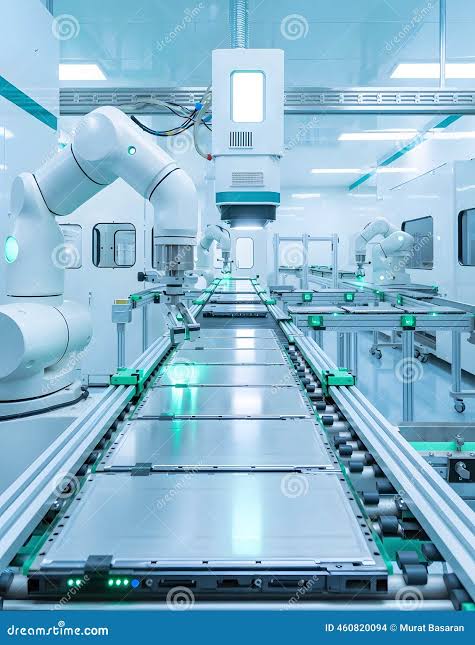
Trial production provides a bridge between construction and full-scale manufacturing. CATL describes the current phase as a period for establishing, optimizing and validating production equipment and processes before series production begins.
This phase can influence procurement activity in several ways. Production teams need to confirm that materials perform consistently under actual operating conditions, while procurement teams must prepare for reliable supply once production volumes increase.
The shift can create demand across several categories:
Battery raw materials: Cell manufacturing depends on a complex network of active materials, conductive materials, solvents, electrolytes and other specialized inputs.
Industrial chemicals: Manufacturing plants require process chemicals and cleaning materials that meet controlled specifications.
Equipment and maintenance supplies: Large automated production lines require continuous maintenance, replacement parts and technical support.
Packaging and logistics: Finished cells and intermediate materials require specialized handling, storage and transportation arrangements.
Quality control materials: High-volume battery production depends on testing, inspection and process monitoring throughout manufacturing.
For traders, the key opportunity lies in understanding where procurement requirements sit within this wider ecosystem rather than focusing only on finished battery cells.
Debrecen Strengthens CATL's European Manufacturing Network
CATL has already established manufacturing activity in Debrecen beyond the new cell production lines. The company says it began manufacturing battery modules at the site in autumn 2024 and had produced 537,000 modules by September 2026.
The company also says the Debrecen facility is designed to support European automotive manufacturers that have expanded electric vehicle production capacity in Hungary. This creates a localized manufacturing connection between battery production and the wider European automotive supply chain.
CATL's wider strategy also highlights the importance of localized production. Company documents state that the Hungary project is intended to strengthen European supply capability and provide more flexible and timely supply to major customers.
For procurement professionals, localization can change sourcing patterns. European manufacturers may increasingly seek regional inventory, shorter lead times and suppliers capable of supporting production sites with consistent documentation and delivery performance.
Which Materials Could See Greater Procurement Attention?
Battery cell manufacturing draws on a broad network of chemical and industrial inputs. While individual requirements depend on the cell chemistry and manufacturing process, the expansion of European cell production creates a wider industrial market for specialized materials.
For chemical traders, several areas deserve attention:
Nickel and other battery metals can remain important to battery material supply chains where applicable to the cell chemistry. Traders dealing in nickel-based intermediates need to consider purity, traceability, transportation requirements and customer qualification.
Solvents and process chemicals support different stages of battery manufacturing. Consistency and impurity control can become critical when materials enter high-volume production processes.
Specialty materials can support coating, processing, filtration, cleaning and other manufacturing functions. These products may generate recurring industrial demand once a production line reaches stable operation.
Packaging and handling chemicals can also become relevant as battery materials move between suppliers, production facilities and downstream customers.
The procurement opportunity therefore extends beyond one specific chemical. Suppliers that understand battery manufacturing requirements can position themselves across multiple parts of the industrial supply chain.
What Procurement Teams Should Watch During Scale-Up
The transition from trial production to series production can create a different purchasing environment from the construction phase. Procurement teams need to monitor operational progress and anticipate when recurring material requirements could rise.
Several indicators can help buyers and traders assess the next stage:
Production line validation: Successful testing can indicate that equipment and processes are moving toward regular manufacturing.
Supplier qualification: New material suppliers may need to complete technical and quality evaluations before receiving production orders.
Inventory requirements: Plants moving toward higher output may increase safety stocks for critical inputs to protect manufacturing continuity.
Specification control: Battery manufacturers can require tight product specifications, meaning cheaper material may not qualify if it fails technical requirements.
Delivery reliability: As production volumes increase, late shipments can affect manufacturing schedules, making logistics performance an important procurement factor.
This environment favors suppliers that can combine competitive commercial terms with reliable quality and documentation.
How the Project Could Affect European Chemical Trade
The Debrecen project adds another major industrial demand center to Europe's battery manufacturing network. As European battery production expands, chemical traders may see new opportunities to connect Asian, Middle Eastern and European supply sources with manufacturing customers across the region.
CATL's Hungary project was designed in three phases with an overall planned annual capacity of 100 GWh. Company documents describe Phase I and Phase II as 34 GWh and 38 GWh respectively, with the wider Hungary project intended to serve European automotive OEMs and other overseas customers.
A facility of this scale can influence regional logistics planning. Importers may need to assess warehouse locations, port connections, inland transport and customs processes, while exporters may need to align shipment sizes and delivery schedules with industrial production requirements.
The wider effect could also extend to suppliers of battery-related chemicals and materials. As local manufacturing capacity increases, buyers may seek a combination of international sourcing and regional supply to balance cost, reliability and lead times.
What Buyers Should Do Now
The start of trial production gives chemical and industrial suppliers a useful signal about the next stage of the Debrecen project. The factory has moved beyond construction into equipment and process validation, bringing the project closer to its role as a large-scale European battery manufacturing hub.
For buyers and traders looking to participate in this supply chain, preparation should focus on product quality, regulatory documentation, supply continuity and the ability to support demanding industrial customers.
Companies can strengthen their position by:
Reviewing specifications for battery-related chemicals and raw materials before approaching potential customers.
Confirming available production capacity and realistic delivery lead times.
Preparing safety data, technical documentation and relevant compliance records.
Building alternative sourcing options for materials exposed to transport or production disruptions.
Monitoring the transition from trial operations toward series production to identify potential increases in recurring demand.
The Debrecen milestone also demonstrates a broader trend in European manufacturing. Large industrial projects now depend on coordinated progress across construction, technology, environmental management, permitting and supply chain readiness.
For chemical traders, that makes regulatory milestones more than administrative events. They can serve as early indicators of when a new industrial customer may begin moving from project procurement toward sustained production purchasing.
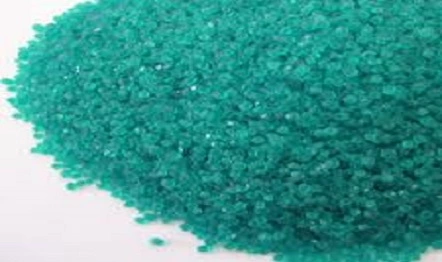
Nickel Sulphate Hexahydrate
Found this useful?