CATL Expands Battery Manufacturing Footprint in Egypt With 1 GWh BME Plant
CATL is extending its battery manufacturing footprint into North Africa through a new agreement with Battery Manufacturing in Egypt, or BME, supporting a planned 1 GWh battery-pack manufacturing plant. The project represents a significant step toward building local battery production capacity in Egypt and strengthening the region's position in the growing electric mobility supply chain.
For chemical traders, procurement managers and industrial buyers, the development matters beyond vehicle manufacturing. A new battery-pack facility can influence demand for battery materials, industrial chemicals, components, equipment and related manufacturing inputs as local production develops.
CATL's Egypt Partnership Brings Battery Production Closer to Regional Buyers
The agreement between CATL and BME combines international battery technology with local manufacturing capabilities. BME will develop the manufacturing facility while CATL supports the project through battery-pack technology, production equipment and technical training.
The initial plant will have an annual production capacity of 1 GWh. Its first production focus will be battery packs for heavy commercial vehicles, giving the project a clear connection with Egypt's transport and industrial vehicle sectors.
This approach also creates a localized manufacturing model. Instead of relying entirely on finished battery packs shipped from overseas, local production can allow manufacturers to source battery systems closer to their vehicle assembly operations.
For procurement teams, this shift can create several potential advantages:
Shorter regional supply chains can reduce dependence on long-distance finished-product shipments.
Local assembly capability can support closer coordination between battery manufacturers and vehicle producers.
Technical training and equipment support can accelerate the development of manufacturing expertise.
Regional production capacity can create new sourcing opportunities as the facility develops.
Why a 1 GWh Battery Plant Matters for Egypt
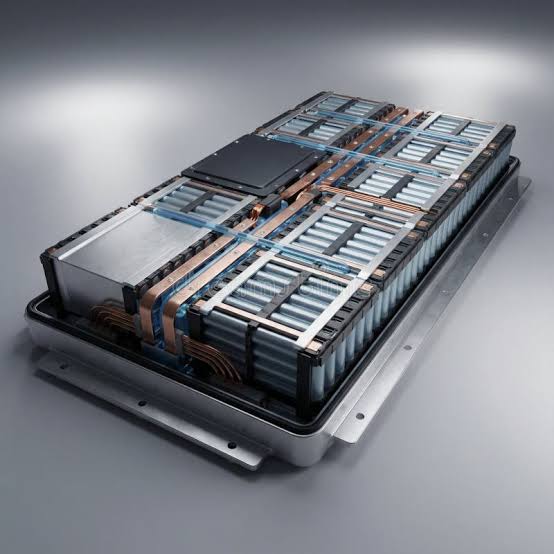
A 1 GWh annual battery-pack facility gives Egypt an industrial base from which a wider battery ecosystem can develop. Battery manufacturing requires more than cells, with pack assembly also depending on electrical systems, thermal management components, enclosures, connectors, control systems and specialized production equipment.
The project therefore has implications for suppliers beyond the immediate battery industry. Industrial chemical suppliers can also monitor potential opportunities connected with materials processing, coatings, cleaning systems, adhesives, thermal management and other manufacturing requirements.
The initial focus on heavy commercial vehicles is particularly relevant. Commercial fleets can create concentrated demand for electrification solutions because operators often manage vehicles with defined routes, maintenance schedules and centralized charging infrastructure.
As electric commercial transport expands, battery availability becomes an increasingly important consideration for vehicle manufacturers and fleet operators. Local pack production can help create a more responsive supply chain for this segment.
Egypt Could Become a Larger Battery Supply Chain Hub
The project also points toward a broader ambition for Egypt's battery industry. The initial 1 GWh capacity is expected to provide a foundation for future expansion as demand and manufacturing capabilities develop.
Longer-term plans call for the facility's capacity to reach 5 GWh. The planned expansion would also broaden the product range beyond heavy commercial vehicle batteries.
Potential future applications include:
Passenger vehicle battery packs, supporting the expansion of electric passenger transportation.
Energy storage systems for solar power applications, connecting battery manufacturing with renewable energy development.
Energy storage systems for wind power applications, creating another potential source of industrial demand.
Broader battery manufacturing capabilities that could strengthen Egypt's domestic supply chain.
This potential expansion gives the project importance beyond its first production phase. Procurement teams watching North African industrial development should therefore consider the facility as part of a longer-term battery manufacturing trend rather than only as a single 1 GWh project.
Battery Manufacturing Creates New Material Demand
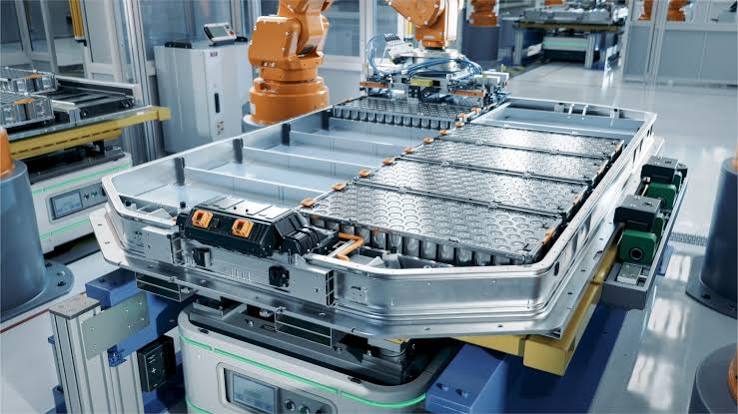
Battery-pack manufacturing can generate demand across a wide industrial supply chain. While the agreement focuses on pack production, the broader development of battery manufacturing can increase attention on materials used throughout battery systems and related industrial operations.
Battery cells remain a central component, while pack manufacturing adds another layer of engineering and assembly. Depending on the battery technology and final application, manufacturers may require conductive materials, metals, polymers, insulation materials, thermal management components and specialized chemical products.
For chemical traders, the opportunity lies in tracking how local production develops rather than assuming immediate demand for any single commodity.
Products associated with broader battery and industrial manufacturing supply chains can include:
Nickel and cobalt compounds used in certain battery chemistries.
Industrial solvents and cleaning chemicals used in manufacturing environments.
Specialty polymers and resins used for insulation, sealing and structural applications.
Aluminium and other metals used in battery-pack structures and components.
Thermal management materials used to control operating temperatures.
Industrial gases and process chemicals required for supporting manufacturing activities.
The exact material mix will depend on the battery technology, pack design and manufacturing processes adopted at the facility.
Heavy Commercial Vehicles Provide the First Demand Base
BME's initial focus on heavy commercial vehicle batteries gives the Egyptian plant a defined starting market. Commercial vehicles can represent a major opportunity for battery manufacturers because electrification requires high-capacity energy systems capable of supporting demanding operating cycles.
Local battery-pack manufacturing could also make it easier for vehicle manufacturers to coordinate product specifications with battery suppliers. That flexibility can become increasingly important as electric commercial vehicle platforms develop.
For buyers, the commercial vehicle focus means procurement planning should consider both battery demand and the supporting industrial ecosystem.
Companies supplying materials, components or services to vehicle manufacturers may find opportunities as local production expands. The effect could extend across logistics, maintenance, electrical equipment, industrial automation and specialized manufacturing inputs.
Local Production Could Reshape Regional Sourcing Strategies
A major benefit of local battery-pack manufacturing is the potential to reduce the distance between production and end users. Egypt's geographic position gives the project relevance for companies assessing supply chains serving North Africa and surrounding markets.
Regional production does not eliminate the need for international sourcing. Battery cells, specialized equipment and certain raw materials may continue to move across borders, especially during the early stages of manufacturing.
However, localized pack assembly can create a more diversified supply model.
Procurement teams should monitor:
The availability of locally assembled battery packs.
The development of local component suppliers.
Import requirements for battery cells and specialized materials.
Production quality and technical certification requirements.
Future capacity expansion from 1 GWh toward 5 GWh.
Potential opportunities to supply the plant or its downstream customers.
These factors can help buyers identify where local sourcing becomes commercially competitive.
What the CATL and BME Agreement Means for Chemical Traders
For chemical traders, the project creates a reason to monitor Egypt's emerging battery value chain more closely. Battery manufacturing can create new industrial demand, but suppliers need to understand where their products fit before committing resources.
The most relevant opportunities may initially sit around supporting industries rather than direct battery-cell chemistry. Manufacturing plants require a broad range of industrial inputs, including materials used for cleaning, coatings, insulation, thermal control, equipment maintenance and facility operations.
Traders can also watch for future changes in BME's product portfolio. Expansion into passenger vehicle batteries and renewable-energy storage would widen the potential customer base and could increase demand for additional materials and industrial services.
The move also demonstrates how global battery technology companies can enter new markets through partnerships rather than building every manufacturing operation independently. For regional suppliers, this can create opportunities to work with locally established manufacturers while benefiting from international technology ecosystems.
Egypt's Battery Expansion Could Support Future Energy Storage Demand
The planned expansion into energy storage adds another dimension to the project. Solar and wind power require reliable storage solutions when electricity generation does not match consumption patterns.
Battery energy storage systems can help manage this variability by storing electricity and releasing it when required. If BME eventually expands into this segment, the Egyptian facility could become connected to both transportation electrification and renewable-energy infrastructure.
That combination could broaden demand for battery systems across multiple industries.
For procurement professionals, diversification matters because a manufacturing facility serving several end markets can potentially maintain stronger utilization as individual sectors fluctuate. It can also create opportunities for suppliers that support both automotive and energy applications.
What Buyers Should Monitor as the Plant Develops
The initial 1 GWh capacity provides a clear starting point, but the longer-term 5 GWh ambition is the more important signal for supply-chain planning.
Procurement teams should track several developments as the project moves forward:
Production ramp-up: Monitor when the facility begins commercial output and how quickly production approaches its planned capacity.
Supplier localization: Watch for opportunities to supply materials and services locally as the manufacturing ecosystem develops.
Product expansion: Passenger vehicle batteries and renewable-energy storage could significantly broaden future demand.
Battery technology requirements: The chemistry and pack architecture selected for different applications will influence the materials and chemical inputs required.
Regional trade opportunities: Egypt's expanding battery manufacturing base could create new routes for suppliers serving North African customers.
The most attractive opportunities will likely emerge for suppliers that understand both battery manufacturing requirements and the broader industrial ecosystem around electric mobility.
The Bottom Line for Procurement Teams
CATL's agreement with BME places Egypt on a stronger path toward localized battery-pack manufacturing, beginning with a planned 1 GWh facility for heavy commercial vehicles. The longer-term ambition to reach 5 GWh and expand into passenger vehicles and renewable-energy storage could make the project increasingly important for North Africa's industrial supply chain.
For chemical traders, the immediate opportunity is to monitor the materials, process chemicals and industrial inputs associated with battery-pack production. As local manufacturing expands, suppliers that can provide consistent quality, reliable logistics and competitive terms will be better positioned to participate in the emerging ecosystem.
The project also shows how battery manufacturing is moving beyond traditional production centers into new regional markets. As Egypt develops its battery capabilities, procurement teams should watch capacity growth, supplier localization and future applications closely.

Nickel Sulphate Hexahydrate
Found this useful?