Caustic Soda: Global Market Trends, Demand and Price Outlook
Caustic soda is a cornerstone of global manufacturing, with demand closely tied to alumina refining, pulp and paper production, chemical processing and water treatment. As industrial activity shifts across major economies in 2026, the caustic soda market reflects changing production costs, regional supply availability and competition among exporters.
For chemical traders, importers and procurement managers, understanding these market forces helps with purchasing decisions, supplier selection and inventory planning. Price movements can differ considerably between regions because electricity costs, production capacity, freight charges and local demand all influence the delivered cost of sodium hydroxide.
The market outlook therefore depends on more than overall consumption growth. Buyers must also track the balance between production and downstream demand, particularly because caustic soda forms part of the integrated chlor-alkali industry.
What Is Caustic Soda and Why Does Industry Depend on It?
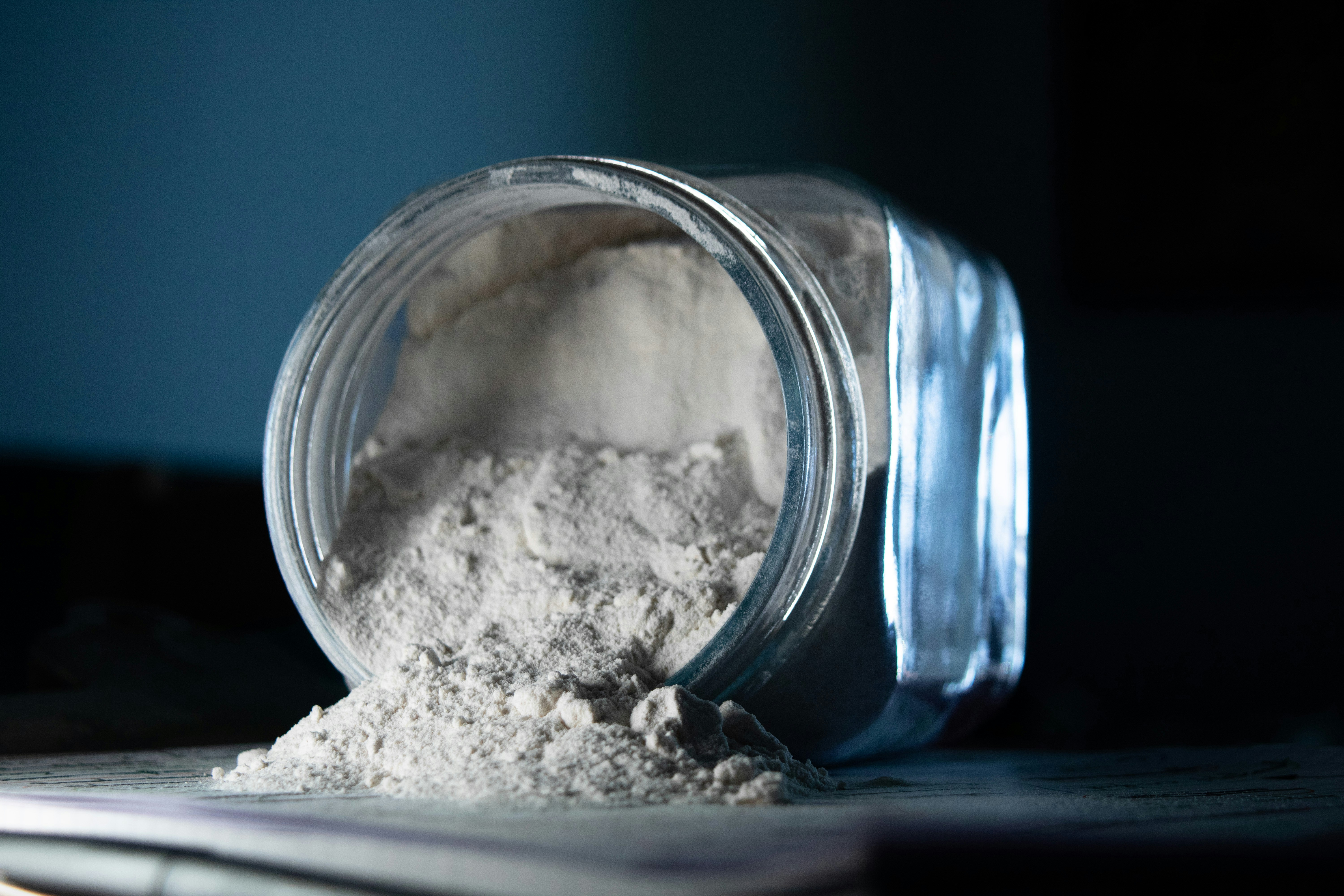
Caustic soda, chemically known as sodium hydroxide (NaOH), is a strong alkali used to break down materials, adjust pH and support a wide range of industrial reactions. Manufacturers supply it in liquid form, typically as an aqueous solution, or as solid flakes and pearls for applications that require concentrated material or easier storage and transport.
Producers manufacture caustic soda primarily through the electrolysis of brine, a solution of sodium chloride in water. This chlor-alkali process also generates chlorine and hydrogen, linking the economics of caustic soda production to the demand and operating conditions of other industrial chemicals.
That relationship is important for buyers. A producer may adjust operating rates in response to chlorine market conditions even when caustic soda demand remains firm, affecting the volume available to customers.
The main commercial forms include:
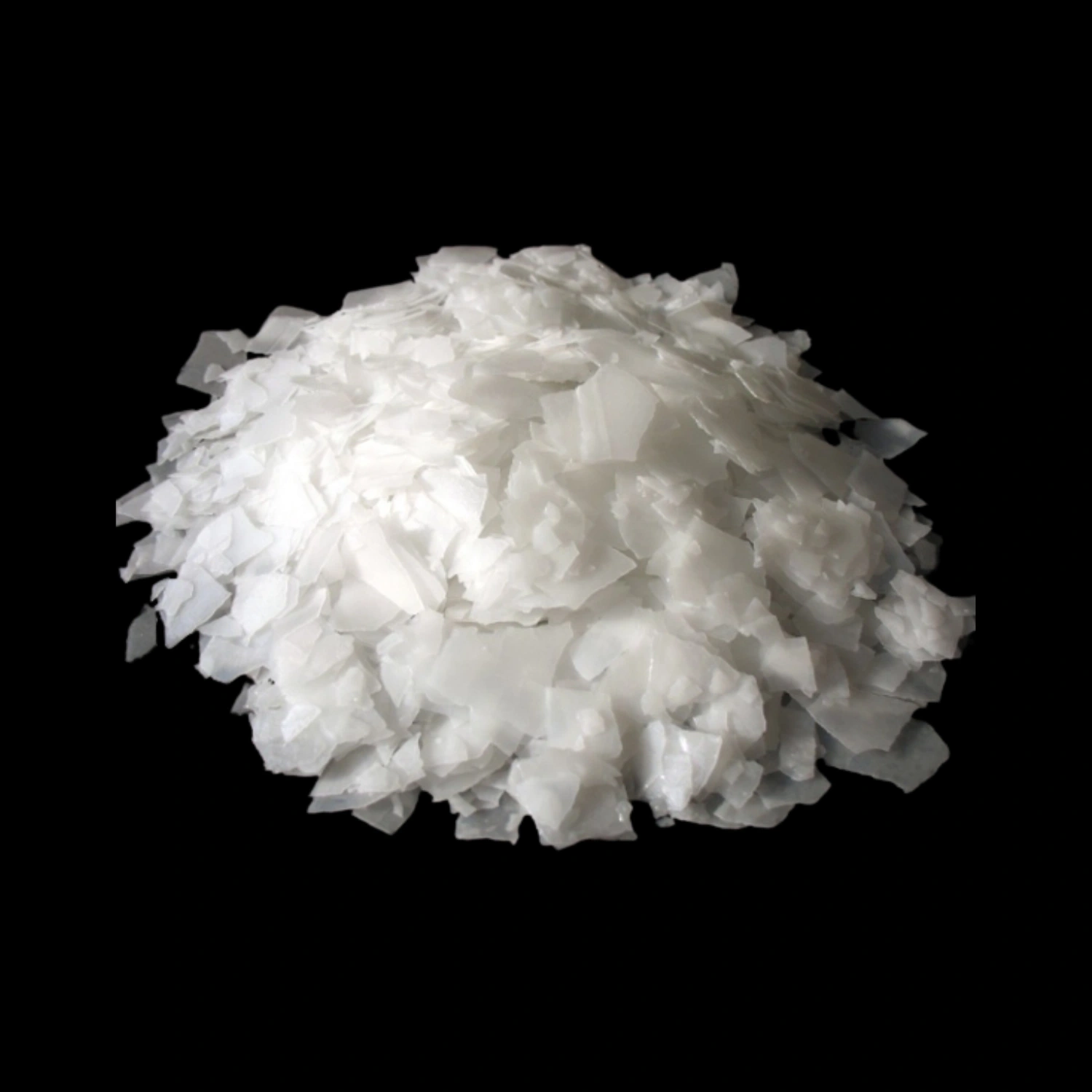
Caustic soda flakes: A solid product suitable for industrial buyers who need concentrated material and manageable shipment formats.
Caustic soda pearls: A solid granular form used in various chemical processing and manufacturing applications.
Liquid caustic soda: An aqueous solution commonly supplied in bulk to facilities with storage tanks and established handling systems.
Buyers should compare these forms according to concentration, purity, packaging, transport requirements and the needs of the receiving plant.
Global Caustic Soda Market Trends in 2026
The global market continues to benefit from demand across established industrial sectors. Market estimates published by Grand View Research place global caustic soda revenue at approximately USD 51.2 billion in 2026, with a projected value of USD 71 billion by 2033.
Asia-Pacific holds the leading regional position, supported by its large manufacturing base and extensive chemical processing activity. China plays a particularly important role in the region through its production capacity and influence on regional supply availability.
Several developments shape the market in 2026:
Industrial manufacturing activity: Chemical processing, metals production and consumer goods manufacturing influence caustic soda consumption.
Alumina demand: Aluminium value chains require caustic soda to extract alumina from bauxite ore, linking chemical demand to metals production.
Regional capacity changes: Plant expansions, maintenance shutdowns and changes in utilization affect how much material producers can supply.
Energy economics: Electricity costs influence production economics because electrolysis requires substantial power.
International trade: Export availability, freight costs and import requirements affect delivered prices in destination markets.
These factors can push regional markets in different directions. Strong consumption in one country does not necessarily translate into higher prices everywhere if exporters elsewhere have excess supply.
Which Industries Are Driving Caustic Soda Demand?
Caustic soda serves as a process chemical rather than simply a finished-product ingredient. Many industrial facilities depend on consistent supply because changing the chemical input can require process adjustments, equipment checks and additional qualification work.
The principal demand sectors include the following.
Alumina refining and aluminium production
Refineries use caustic soda to dissolve alumina-bearing compounds during bauxite processing. Changes in refinery output, operating rates and aluminium supply-chain activity can therefore influence demand for industrial-grade sodium hydroxide.
Pulp and paper manufacturing
Paper producers use caustic soda in pulping and related processing operations. Packaging demand, paper production and plant utilization can affect purchasing volumes in this segment.
Soaps, detergents and cleaning products
Manufacturers use sodium hydroxide in soap production and other formulations. Household cleaning products and institutional hygiene supplies support recurring industrial demand.
Textiles and fibre processing
Textile operations use caustic soda for treatments that prepare or modify fibres and fabrics. Consumption depends on textile production levels, processing methods and regional manufacturing activity.
Water and wastewater treatment
Treatment facilities use caustic soda to adjust pH and support certain treatment processes. Municipal infrastructure, industrial wastewater management and regulatory requirements contribute to demand.
Chemical manufacturing
Producers use sodium hydroxide in a broad range of reactions and chemical intermediates. This creates demand across multiple downstream industries, although consumption varies with the performance of individual manufacturing sectors.
How Caustic Soda Prices Are Set in Global Markets
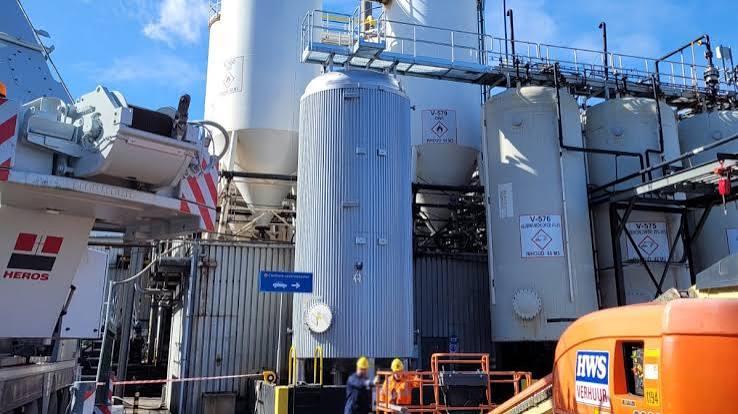
Caustic soda prices reflect the combined effect of production economics, demand conditions, export competition and logistics. Buyers should distinguish between the producer's quoted price and the final landed cost, which may include freight, insurance, port handling, duties and inland transportation.
The main price drivers are:
Electricity and energy costs: Electrolysis consumes substantial electricity, making power prices and plant efficiency important factors in production costs.
Chlorine market conditions: Producers manufacture chlorine and caustic soda together, so changes in chlorine demand can influence operating decisions and caustic soda availability.
Downstream consumption: Strong demand from alumina refineries, chemical plants and paper mills can tighten supply, while weaker industrial activity can reduce purchasing volumes.
Plant maintenance and outages: Scheduled maintenance or unexpected production interruptions can temporarily reduce supply and support higher offers.
Freight and shipping conditions: Ocean freight rates, container availability, port congestion and delivery distance can change the competitiveness of imported material.
Currency movements and trade policies: Exchange rates, tariffs and import restrictions can alter costs for international buyers.
Product specifications also matter. Flakes, pearls and liquid caustic soda have different handling and transportation requirements, so buyers should compare equivalent product forms and concentrations rather than relying on headline prices alone.
Regional Price Differences and International Trade
Regional market conditions can produce significant differences in caustic soda prices. According to IMARC Group's reported second-quarter 2026 pricing data, June prices stood at approximately USD 109 per metric ton in China, USD 358 in the United States, USD 373 in India, USD 427 in Japan and USD 643 in Brazil.
These figures illustrate the variation between reported markets, not a universal export price. Product specifications, transaction terms, delivery locations and freight arrangements can differ, so procurement teams should use comparable quotations when assessing suppliers.
Asia-Pacific remains central to global production and trade. China's manufacturing scale and export availability can influence prices across regional markets, while Indian demand from textiles, chemicals and alumina refining supports its domestic consumption.
North American prices respond to domestic industrial demand, producer operating rates and export opportunities. In Europe, energy expenses and manufacturing conditions can influence production economics, while imports may provide an alternative when regional supply tightens.
Brazil and other import-dependent markets can face additional exposure to international freight, exchange-rate changes and the timing of incoming shipments. In these markets, a lower overseas offer may not deliver the lowest final cost once transportation and import expenses are included.
For international traders, the practical lesson is to compare delivered prices on equivalent terms and evaluate supplier reliability alongside price.
Caustic Soda Supply Risks and Procurement Challenges
Caustic soda buyers need to plan for more than ordinary price fluctuations. Production interruptions, shipping delays and changes in supplier allocation can affect the availability of material at short notice.
Several risks deserve attention:
Concentrated sourcing: Relying on one producer or one export region can leave buyers exposed to localized disruptions.
Shipment delays: Port congestion, vessel schedule changes and customs clearance issues can interfere with production schedules.
Specification mismatches: Differences in concentration, purity, impurities and physical form can make an apparently competitive offer unsuitable.
Storage and handling requirements: Solid and liquid products require appropriate facilities, packaging and workplace safety controls.
Unexpected demand changes: A downstream production increase can consume inventory faster than expected, while a sudden slowdown can leave buyers holding excess stock.
Procurement teams can reduce exposure by qualifying alternative suppliers, reviewing lead times and maintaining inventory policies suited to their actual consumption patterns.
They should also confirm product documentation, safety data sheets, packaging specifications and shipment terms before committing to a purchase. For imported material, buyers should establish who handles customs documentation, port charges and any required local compliance steps.
Caustic Soda Market Outlook for 2027 and Beyond
The medium-term outlook points toward continued market expansion, although the pace will depend on industrial production and regional supply-demand balances. Grand View Research projects the global market to grow from USD 51.2 billion in 2026 to USD 71 billion by 2033, representing a compound annual growth rate of 4.8%.
Several developments will influence the direction of the market:
Growth in alumina refining: Changes in aluminium production and refinery capacity can create additional demand for caustic soda.
Infrastructure and water treatment: Investment in water and wastewater treatment can support consumption in municipal and industrial applications.
Chemical manufacturing activity: Demand for downstream intermediates, detergents and other processed materials will remain important to regional consumption.
Production efficiency and energy sourcing: Improvements in electrolyzer performance and access to competitive electricity may strengthen producer cost positions.
Trade and freight conditions: Export availability, shipping costs and trade policies will continue to shape the relative competitiveness of suppliers.
A growing global market does not guarantee rising prices in every region. Additional production capacity or weak downstream consumption can create oversupply, while outages and stronger purchasing activity can tighten availability.
Buyers should therefore monitor regional developments instead of relying on a single global growth forecast to predict their next purchasing price.
What Caustic Soda Buyers Should Do Now
For procurement managers and chemical traders, the most effective strategy is to combine market monitoring with disciplined supplier evaluation. Global growth forecasts provide useful context, but purchase decisions should reflect local demand, current offers and the total cost of securing material.
Before placing an order, buyers should:
Compare multiple supplier quotations. Request offers for the same grade, physical form, packaging and delivery terms to identify meaningful price differences.
Evaluate landed cost. Include freight, insurance, import duties, handling charges and inland transportation in the comparison.
Qualify backup suppliers. Maintain alternative sources across suitable production regions to reduce dependence on a single supplier.
Plan inventory around lead times. Use consumption history, production schedules and delivery reliability to determine appropriate purchasing intervals.
Review quality and documentation. Confirm specifications, safety data sheets, certificates of analysis and packaging requirements before shipment.
Track market indicators regularly. Monitor electricity costs, downstream industrial activity, production outages and regional export availability to identify potential supply changes.
Buyers sourcing solid caustic soda should also compare the available forms according to their handling facilities and operational requirements. Options such as Caustic Soda Flakes and pearls may suit different purchasing and logistics needs.
The strongest procurement decisions balance competitive pricing with dependable supply, consistent quality and transparent commercial terms. As the market develops through 2027, businesses that maintain flexible sourcing arrangements and follow regional price movements will be better positioned to manage purchasing costs and supply continuity.
Caustic Soda Flakes
Found this useful?